How to Remove Paint from Wood Safely and Effectively
Have you ever found yourself staring at a piece of painted wood, wishing you could reveal its natural beauty without causing harm? Whether it’s an antique table, a vintage door, or a piece of cherished furniture, removing paint from wood can seem like a daunting task.
You might worry about scratches, discoloration, or even the dreaded splinters. But what if I told you there’s a way to do it safely and effectively? You’ll discover simple, proven techniques to remove paint from wood without damaging its surface.
With the right approach, you can transform any painted piece back to its original elegance. Ready to uncover the secrets to preserving your wood’s charm? Let’s dive in and explore the methods that work wonders.
Preparation And Safety
Start with a list of basic supplies. You need sandpaperand a scraper. Get a paint removertoo. Choose one safe for wood. Don’t forget soft clothsand water.
Cover the floor with old sheetsor plastic. This keeps paint off the floor. Use tapeto protect edges. Cover furniture with clothor plastic.
Wear glovesto protect hands. Use gogglesfor eye safety. A maskkeeps fumes away. Ensure ventilationin the room.
Credit: www.teaandforgetmenots.com
Methods For Paint Removal
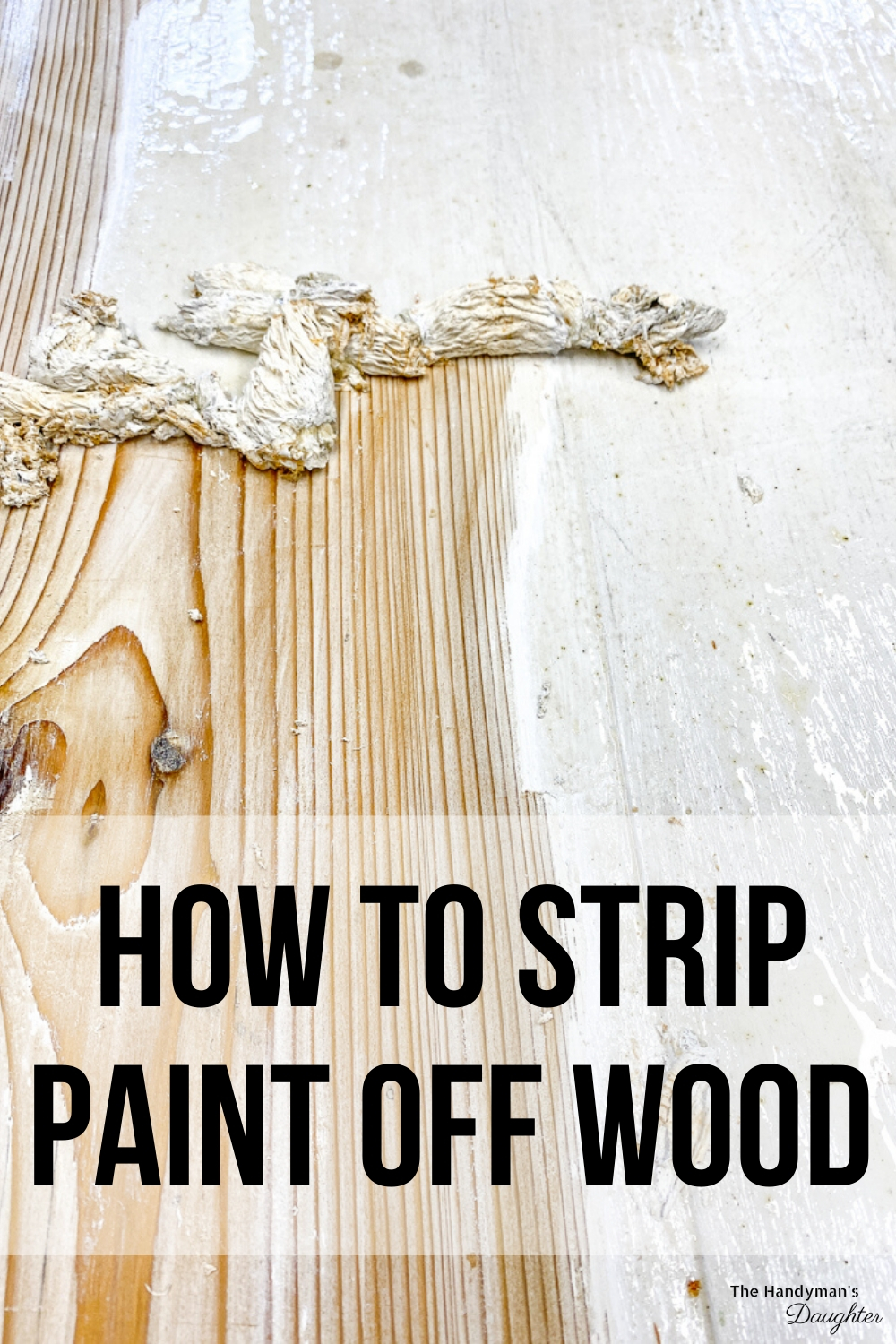
Chemical strippers can help remove paint. They are liquids or gels. Apply them to painted wood. Wait for the paint to soften. Use a scraper to gently remove paint. Always wear gloves. Protect your skin. Ensure good ventilation. Avoid harsh chemicals. Some can damage wood. Choose a gentle stripper for wood.
Heat guns blow hot air. This softens the paint. Hold the gun close to the paint. Move it slowly. Use a scraper to lift softened paint. Be careful. Do not burn the wood. Keep the gun moving. Use safety gear. Protect your eyes and hands. Heat guns can be dangerous.
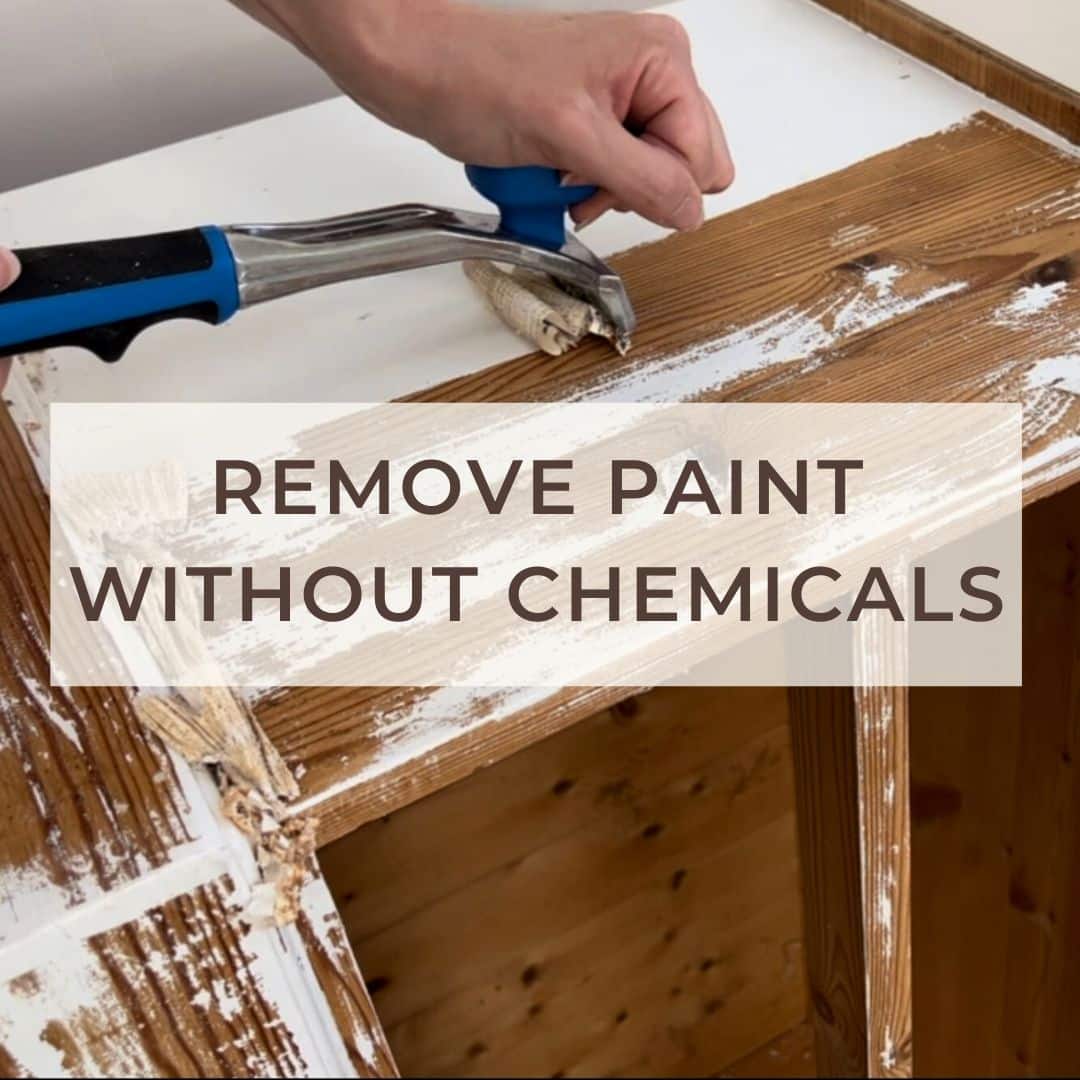
Sanding is a simple way. Use sandpaper or an electric sander. Start with coarse sandpaper. It removes paint fast. Finish with fine sandpaper. It smooths the wood. Sand in the direction of the wood grain. Be gentle. Do not sand too hard. This avoids scratching the wood. Dust off after sanding. Keep the area clean.
Choosing The Right Method
First, check the wood condition. Is it strong or weak? Old wood might be fragile. New wood is usually stronger. If wood is weak, choose a gentle method. This keeps the wood safe. Avoid using strong chemicals. They can harm fragile wood.
Know the type of painton the wood. Is it oil-based or water-based? Oil paint is tough. Needs special removers. Water paint is easier to remove. Use simple soap and water. Right remover depends on paint type. Choose carefully.
Think about the environment. Some removers are bad for nature. Use eco-friendly products. They are safer for the earth. Avoid products with harsh chemicals. These can hurt plants and animals. Protect nature while working.
Credit: www.teaandforgetmenots.com
Step-by-step Process
Start by removing any dirt and dustfrom the wood. A soft cloth works best for this. Make sure the surface is clean before you start. This helps in better paint removal. Be gentle to avoid scratchingthe wood. You want the wood to stay smooth.
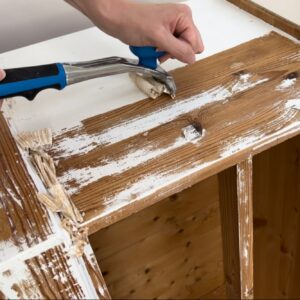
Choose a suitable method for paint removal. You can use a paint stripper or sandpaper. If you use a stripper, apply it with a brush. Let it sit for the time mentioned on the label. Then, gently scrape the paint off. Use a plastic scraper to avoid damage. For sandpaper, use fine grit. Rub gently in the direction of the wood grain.
Wipe the wood with a damp clothto remove any leftover paint. Make sure the wood is dry after cleaning. You can use a soft towel to dry it. Check for any remaining paint. If you see any, repeat the process. Ensure the wood looks clean and smooth before stopping.
Tips For Effective Removal
Start with a gentle approach. Use a soft cloth to wipe the surface. Always test on a small area first. This helps avoid big mistakes. Never use sharp tools. They can damage the wood. Avoid soaking the wood in water. This can cause warping.
Use a paint remover designed for wood. Follow the instructions carefully. Scrape gently with a plastic scraper. Be patient. Rushing can lead to uneven results. Check all corners and edges. Paint hides there. Repeat the process if needed.
After removing the paint, clean the wood. Use a mild soap and water. Dry the wood with a soft towel. Avoid direct sunlight. It can dry out the wood. Use a wood conditioner to keep it healthy. This helps maintain its natural beauty.
Post-removal Care
Gently removing paint from wood preserves its beauty and strength. Use a scraper or sandpaper with care. Follow with a natural cleaner to remove any residue, ensuring the wood remains undamaged and pristine.
Sealing And Protecting Wood
Start by cleaning the wood gently. Use a soft cloth to wipe away dust. Apply a thin layer of wood sealant. This helps protect the wood from moisture. Sealant also keeps the wood looking new. Let it dry completely. This could take a few hours.
Repairing Any Damage
Check the wood for scratches or dents. Use wood filler to fix small holes. Smooth the surface with fine sandpaper. Make sure the wood is even. This step is important for the wood’s look. It makes the surface ready for the next steps.
Preparing For Repainting Or Staining
Choose your paint or stain. Pick a color that you like. Stir the paint or stain well. Apply a thin coat with a brush. Let it dry. Add more coats if needed. Each coat should dry before the next one. This gives the best finish.
Credit: www.thehandymansdaughter.com
Frequently Asked Questions
How Do I Start Removing Paint From Wood?
Begin by cleaning the wood surface to remove dirt and debris. Use a soft cloth or brush. Then, apply a gentle paint remover or stripper suitable for wood. Follow the manufacturer’s instructions carefully. This will help loosen the paint without damaging the wood underneath.
What Tools Are Best For Paint Removal?
Use a plastic scraper to gently lift loosened paint from wood. Avoid metal scrapers as they may scratch the wood. For intricate details, consider using a soft-bristle brush. Sandpaper or a sanding block can smooth the wood after paint removal.
Always choose tools that minimize damage to the wood.
Are Chemical Paint Removers Safe For Wood?
Yes, but choose ones specifically designed for wood surfaces. These are typically less harsh and reduce the risk of damage. Always test the remover on a small area first. Follow safety instructions and use in a well-ventilated area. Proper usage ensures effective paint removal without harming the wood.
Can I Use A Heat Gun To Remove Paint?
Yes, a heat gun can soften paint for easier removal. Keep the heat moving to prevent scorching the wood. Use a scraper to peel off the softened paint. Exercise caution to avoid fire hazards. Heat guns are effective but require careful handling to protect the wood surface.
Conclusion
Removing paint from wood can be simple with the right steps. Choose gentle methods like sanding or using a heat gun. Chemical paint removers work but require caution. Always test a small area first. Protect the wood by working slowly and carefully.
Patience ensures the wood stays safe and beautiful. After removing paint, clean the surface thoroughly. Apply a fresh finish for protection. These techniques help maintain wood quality. Enjoy your refreshed wood furniture or floors. It’s rewarding to see wood restored to its natural beauty.
Happy restoring!