What Happens If You Don’t Paint a Fiberglass Door?
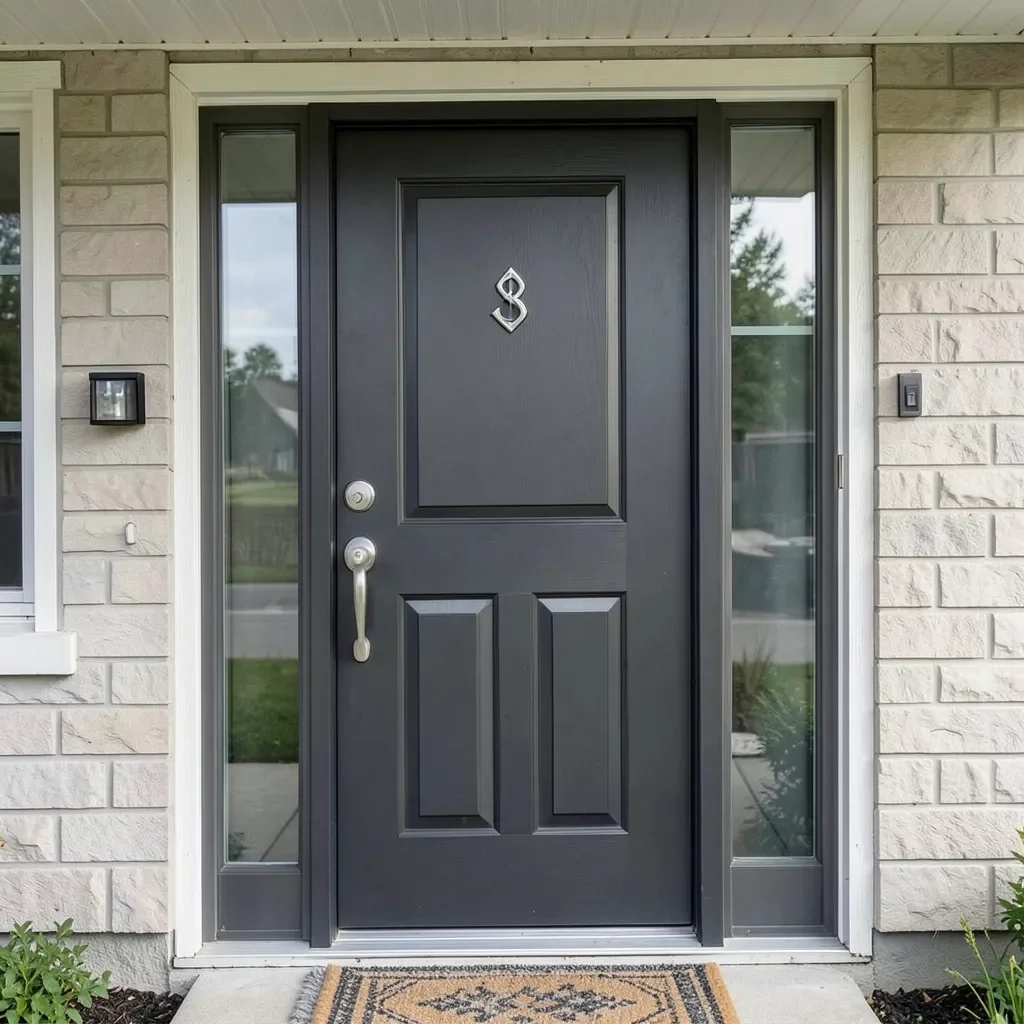
An unpainted fiberglass door will degrade from UV exposure within a few years, even though fiberglass itself doesn’t rot like wood. Most fiberglass entry doors come factory-primed, not finished – that primer isn’t a durable topcoat, it’s meant to be painted or stained over within a defined window, often 30-90 days per the manufacturer’s warranty terms.
What Actually Fails Without a Finish Coat
Best for Finishing a Fiberglass Door
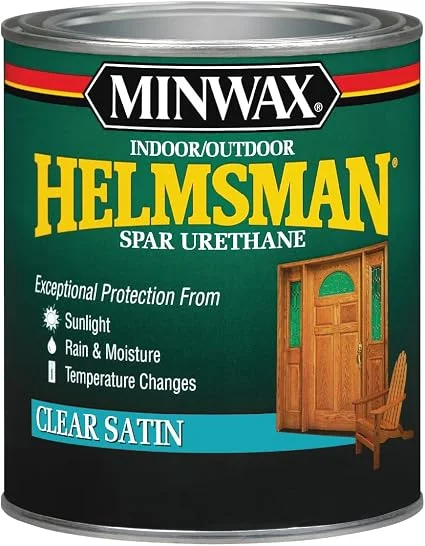 |
Minwax Helmsman Spar Urethane – $23.49 A UV-resistant exterior finish is exactly what stops the chalking and fiber print-through this guide describes – the same protection it’s rated for on wood decking applies here.
|
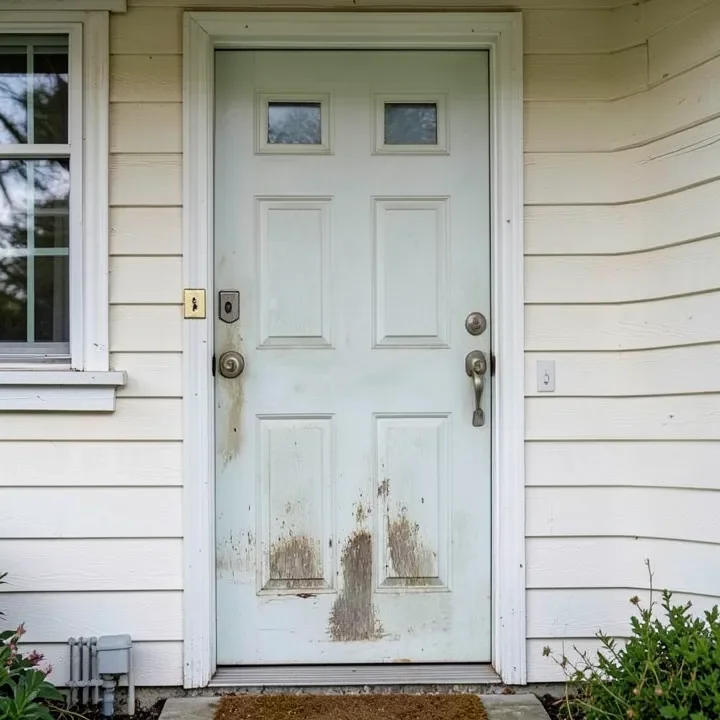
UV radiation breaks down the resin binding the fiberglass fibers together, causing a chalky, faded surface and eventually visible fiber texture showing through – a defect called “fiber bloom” or “fiber print-through.” This is a surface cosmetic failure, not structural collapse, but it’s not reversible by cleaning once it’s set in; the door has to be sanded and refinished, which is more work than the original paint job would have been.
Warranty Voids Are the Bigger Practical Risk
Nearly every major fiberglass door manufacturer (Therma-Tru, Pella, Masonite) requires the door be finished within a specific window after installation to keep the product warranty valid – leaving it unpainted past that window voids coverage for exactly the fading and surface degradation the warranty was meant to cover. Check the specific door’s install documentation; this window varies by brand.
Wood-Grain Fiberglass Needs Stain, Not Just Paint
Fiberglass doors molded with a wood-grain texture (a common style meant to mimic real wood) are usually meant to be stained rather than painted solid, using a manufacturer-specified compatible stain system – a mismatched or incompatible product can react poorly with the factory primer and fail to cure properly.
Why Fiberglass Needs Protection at All
Fiberglass doors are molded from a resin-and-glass-fiber composite, and while the fiberglass itself won’t rot or absorb water the way real wood would, the resin binding it together is vulnerable to ultraviolet degradation in a way most people don’t expect from a “maintenance-free” material. Manufacturers market fiberglass doors on their resistance to warping, splitting, and insect damage – all real advantages over wood – but that marketing sometimes leaves buyers assuming zero maintenance is needed at all, when the finish coat is still doing essential protective work.
How Fast Does Damage Actually Show Up
In a sunny, south-facing installation, visible chalking on unprotected fiberglass can begin within 6-12 months; in a shaded or north-facing entry, it may take 2-3 years to become obvious. This variability is part of why the exact “how long can it wait” question doesn’t have one universal answer – sun exposure, climate, and the specific resin formulation all shift the timeline, which is why checking the manufacturer’s specific warranty window matters more than a generic rule of thumb.
Choosing the Right Paint Sheen and Type
A 100% acrylic exterior paint in satin or semi-gloss is the standard recommendation across most fiberglass door manufacturers – high-gloss shows surface imperfections in the molded texture more readily, while flat sheens don’t hold up as well to repeated cleaning and touch. Oil-based paints are generally discouraged on fiberglass, since they can remain slightly flexible-incompatible with the door’s thermal expansion and contraction in a way quality acrylic latex handles better.
Dark Colors and Heat Buildup
A dark-colored fiberglass door absorbs significantly more solar heat than a light one, and some manufacturers restrict or void warranty coverage for certain dark colors on doors that get direct, intense afternoon sun, since excessive heat buildup can cause the fiberglass skin to distort or delaminate from its foam core over time. Check the specific manufacturer’s approved color list before committing to a dark finish on a door with heavy sun exposure.
Maintaining a Painted Fiberglass Door Going Forward
Once properly finished, a fiberglass door needs far less upkeep than a wood door – an occasional wash with mild soap and water, and a repaint only every 5-10 years depending on sun exposure and color, compared to the annual or biennial refinishing many wood entry doors require. That long-interval, low-maintenance profile is the real advantage fiberglass offers once the initial finish coat is properly applied – it isn’t zero maintenance, but it is significantly less than real wood.
Prepping the Surface Before Painting
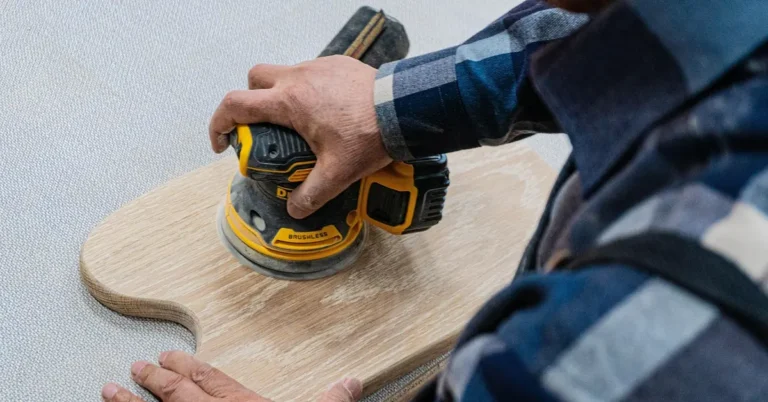
A light scuff-sand with fine-grit sandpaper (around 220 grit) followed by a thorough wipe-down with a tack cloth or damp rag gives the finish coat something to mechanically grip, even over factory primer that’s still within its recommended window. Skipping this step and painting directly over a slick, unsanded factory primer is a common reason a fresh coat peels or flakes within the first year or two, well before UV degradation alone would explain the failure.
Painting Around Hardware and Glass Inserts
Most fiberglass entry doors have decorative glass inserts, kick plates, or hardware that should be masked off or removed before painting rather than cut around freehand – painter’s tape along glass edges and removing handles/hinges where practical gives a cleaner line than trying to freehand a brush around fixed hardware. Reinstalling hardware before the paint has fully cured can leave permanent marks or smudges in the still-soft finish, so following the product’s stated cure time before rehanging anything matters as much as the painting itself.
What a Voided Warranty Actually Costs
A voided finish warranty doesn’t affect the door’s structural warranty in most cases, but it does mean the manufacturer won’t cover a claim for exactly the fading, chalking, or fiber print-through this guide describes – the specific damage an unfinished door is most likely to develop. Given that a $50-100 can of quality exterior paint and a weekend of work is what stands between a covered warranty and an uncovered one, the math strongly favors finishing on schedule rather than testing how long it can wait.
Comparing Fiberglass to Steel Entry Doors
Steel entry doors face a different but related concern – their factory finish also needs maintenance, though the failure mode (rust at scratches and dents) differs from fiberglass’s UV-related chalking. Both material types benefit from the same underlying principle this guide describes: a factory finish on an entry door is rarely the final, permanent protective layer regardless of the door’s core material.
Ready to actually do it? See our step-by-step guide on how to paint a fiberglass door the right way.
Frequently Asked Questions
Do fiberglass doors need to be painted?
Yes. The factory primer isn’t a durable finish – UV exposure will chalk and fade it, and eventually cause fiber print-through, if it’s never topcoated.
How long can a fiberglass door stay unpainted?
Most manufacturers specify 30-90 days before the warranty requires it be finished – check the specific door’s installation paperwork since this varies by brand.
Can you stain a wood-grain fiberglass door like real wood?
Yes, but only with a stain system the manufacturer specifies as compatible – a mismatched product can react poorly with the factory primer underneath.
Sponsored / affiliate links. As an Amazon Associate I earn from qualifying purchases. I may earn additional commission from eligible campaigns.