Furniture Coasters for Wood Floors: Felt vs Rubber Guide
Furniture coasters spread a sofa or table leg’s weight across a wider pad — felt for pieces that stay put, rubber where grip matters — stopping scratches, dents, and the moisture stains a bare leg leaves behind. Use a coaster smaller than the leg and the weight concentrates right back onto one spot, the same damage as no coaster at all. This guide covers felt vs. rubber vs. hybrid coasters, correct sizing, and how coasters differ from chair coasters and casters.
Insert your Affiliate Disclosure reusable block here.
Quick Answer
For stationary furniture — sofas, dressers, dining tables, bed frames — use felt coasters sized at least ¼ inch wider than the leg’s base at every edge. For furniture you reposition often, choose rubber or hybrid coasters instead: they grip the floor rather than sliding, and unlike felt they don’t compress flat and lose protection after a few months.
What Are Furniture Coasters (and How Are They Different From Casters)?
Best Furniture Coasters Pick
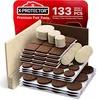
Felt Furniture Pads X-PROTECTOR 133 PCS Premium Furniture Pads – Felt Pads
A mixed-size felt pad pack that covers most sofa, dresser, and table legs in one purchase without guessing sizes ahead of time.
- Best for: Stationary furniture across a whole house — sofas, dressers, dining chairs
- Why we picked it: Wide range of sizes in one pack means fewer repeat purchases when furniture legs vary
- Main drawback: Felt still compresses over time and needs replacing on high-traffic pieces
Compare more furniture coaster options
 Option 1 Scotch Felt Pads 162 PCS Beige, Felt Furniture Pads for Protecting Har
|
 Option 2 Felt Furniture Sliders for Hardwood Floors X-PROTECTOR 16 PCS 3 ½”
|
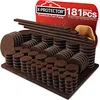 Option 3 Felt Furniture Pads X-PROTECTOR 181 PCS Premium Furniture Pads – Felt
|
As an Amazon Associate we earn from qualifying purchases.
Furniture coasters are round or square pads placed under a furniture leg that spread its weight across a wider surface, protecting the floor beneath. They’re often confused with furniture casters, which are the opposite tool entirely: small wheels bolted to a leg so the piece can roll. A coaster keeps furniture still and protects the floor under it; a caster lets furniture move and doesn’t protect anything on its own.
The mix-up matters because buying the wrong one solves nothing. An office chair that needs to roll across a wood floor needs casters rated for hardwood (or hard floor caps over the casters it already has) — a coaster underneath a wheel just gets run over. A dresser that never moves needs coasters, not casters. If your hardwood floor care routine already covers rugs and mats, coasters are the next layer: protection at the exact four points where furniture weight actually touches the floor.
Felt vs. Rubber vs. Hybrid Coasters
Felt, rubber, and hybrid coasters all protect against scratches, but they trade off grip differently — and grip is what actually determines whether furniture stays put or creeps across the room over months of small nudges.
| Coaster Type | Floor Grip | Watch Out For | Best For |
|---|---|---|---|
| Felt | Low — furniture can slide if nudged | Compresses flat in 6–12 months, needs replacing | Sofas, dressers, beds that stay put |
| Rubber | High — grips the floor, resists sliding | Can trap moisture underneath on a damp floor | Dining chairs, stools, furniture moved often |
| Hybrid (felt + rubber) | Medium — balances grip and glide | Costs more per pad than felt-only packs | Mixed-use rooms, high-traffic furniture |
How to Size Furniture Coasters Correctly
Measure the leg’s widest point — the base, not the narrowest part of a tapered leg — then choose a coaster at least ⅛ to ¼ inch larger in diameter on every side. A coaster that exactly matches the leg still concentrates the furniture’s full weight along that one edge, which is close to the same problem as having no coaster at all.
Square and rectangular legs need square coasters sized the same way: measure the longest edge and round up. For furniture with unusually wide or splayed legs (some mid-century designs and rocking chairs), a single large coaster under the full footprint works better than trying to cover an odd shape with a round pad.

How to Install Furniture Coasters on Wood Floors
- Clean the leg bottom: Wipe away dust and old adhesive residue so a self-stick pad bonds fully.
- Measure the leg’s base: Use a tape measure or calipers at the widest point of contact with the floor.
- Choose an oversized coaster: Pick a pad at least ⅛ inch wider than the measurement on every side.
- Press and hold: For self-adhesive pads, press firmly for 10–15 seconds; for non-adhesive felt or rubber discs, set them flat and centered under the leg.
- Check for flush contact: Gently rock the furniture. Wobbling means a coaster isn’t sitting flat and needs repositioning.
- Replace on a schedule: Swap felt coasters every 6–12 months once the fibers compress; rubber and hybrid pads typically last 1–2 years.
Furniture Coasters vs. Chair Coasters: Which Do You Need?
Furniture coasters and chair coasters solve the same core problem — a hard leg meeting a soft wood floor — but they’re sized and chosen differently depending on the furniture. The coasters covered in this guide are built for stationary pieces: sofas, dressers, bed frames, and dining tables that stay in one spot for months at a time. If you’re outfitting rolling or frequently repositioned seating instead, our dedicated guide to chair coasters for hardwood floors covers swivel-base sizing and glide compatibility that a fixed-leg sofa never needs.
For furniture that needs to resist sliding entirely rather than simply avoid scratching — a bookcase against a wall, a rug pad under a console table — furniture grippers for wood floors use adhesive-backed rubber to lock furniture in place, a different mechanism than a coaster’s glide-and-cushion job. And if none of your furniture legs are the issue but the pieces themselves keep creeping across the room, stopping furniture from sliding on wood floors covers the broader fix.
Common Mistakes to Avoid With Furniture Coasters
- Undersizing the pad. A coaster smaller than the leg’s base still lets pressure concentrate at the edges.
- Leaving compressed felt in place. Flattened felt stops cushioning and can even trap grit against the floor — check pads twice a year.
- Using rubber on a floor that isn’t fully dry. Rubber’s tight seal can trap moisture underneath, the opposite of the protection you want.
- Skipping coasters on furniture with metal glides. Bare metal feet scratch wood floors faster than any other leg material — these need coverage first.
Frequently Asked Questions
What are furniture coasters used for?
Furniture coasters sit under sofa, table, and dresser legs to spread weight across a wider pad, preventing scratches, dents, and pressure marks on wood floors. Felt versions cushion movement; rubber versions add grip so furniture resists sliding.
Do furniture coasters damage wood floors?
No — properly sized felt or rubber coasters protect floors rather than damage them. Damage happens when a coaster is smaller than the furniture leg, when grit gets trapped underneath a felt pad, or when a compressed pad is left in place for years past its useful life.
What’s the difference between furniture casters and furniture coasters?
Casters are wheels attached to furniture legs for rolling movement; coasters are stationary pads that sit under a leg to protect the floor and, in rubber form, resist sliding. A rolling office chair needs casters (or hard floor caps over them), while a stationary dresser needs standard felt or rubber coasters.
How often should furniture coasters be replaced?
Felt coasters typically need replacing every 6 to 12 months once the fibers compress and stop cushioning. Rubber and hybrid coasters usually last 1 to 2 years, since rubber resists flattening the way felt does.
Can the same coasters be used on both wood and tile floors?
Rubber and hybrid coasters work on both surfaces, but felt performs best on wood specifically. On tile, felt can trap grit against the glaze and cause light scratching over time, so rubber is the safer choice if a household has mixed flooring.
The right furniture coaster comes down to two questions: does this piece stay put or move often, and is the leg sized correctly for the pad underneath it? Felt for stationary furniture, rubber or hybrid for anything repositioned regularly, and a coaster sized wider than the leg in every case — get those three details right and the coasters will outlast the guesswork.
Sponsored / affiliate links. As an Amazon Associate I earn from qualifying purchases. I may earn additional commission from eligible campaigns.