How to Remove Wax from Wood Table: Quick & Easy Tips
To remove wax from a wood table, use a hairdryer to melt the wax, then wipe it away with a cloth. Alternatively, place ice in a plastic bag over the wax to make it easier to remove.
Additionally, you can use compressed air to blow the wax away. Removing wax from wood can be a simple process if done correctly. By following these methods, you can effectively clean your wood table and restore its natural beauty without causing any damage.
Whether you have a small wax spill or a larger wax buildup, these techniques will help you achieve a clean and wax-free wood table.
Introduction To Wax Removal From Wood
Looking for tips on how to remove wax from a wood table? Try using a mixture of vinegar and water to wipe the surface, or try hot water and soda for a more intensive treatment. Another method is to use a hairdryer to melt the wax and then wipe it away with a cloth or paper towel.
Initial Considerations
Before diving into the process of removing wax from your wood table, it’s important to consider the type of wood and finish it has. Different types of wood and finishes may require specific methods for wax removal to prevent damage. Additionally, always test any wax removal method on a small, inconspicuous area of the table to ensure it doesn’t cause any adverse effects.
Quick Summary Of Methods
There are several methods for removing wax from a wood table, each with its own advantages and considerations. These methods include using a hairdryer or iron to melt the wax, applying ice to harden it for easier removal, and using a solvent or vinegar solution to dissolve the wax. It’s essential to choose the method that best suits your table’s wood type and finish while ensuring that it effectively removes the wax without causing damage.
Identifying The Type Of Wax
Candle wax and furniture wax can both find their way onto wooden tables, and it’s essential to identify the type of wax before attempting to remove it. Different waxes require different removal techniques to ensure the table remains undamaged.
Candle Wax Vs. Furniture Wax
When dealing with wax on a wood table, it’s important to differentiate between candle wax and furniture wax. Candle wax is often softer and may contain dyes or scents, while furniture wax is typically harder and may have been applied to protect the wood.
Impact On Removal Technique
The type of wax impacts the removal technique. Candle wax may be removed with a gentle heating method, while furniture wax removal may require a solvent or a different approach to ensure it doesn’t damage the wood.
Preparing The Work Area
Prepare the work area by laying down an old cloth to catch wax residue. Use a hairdryer on low heat to melt the wax, then wipe it away with a paper towel. Alternatively, place ice in a plastic bag over the wax to make it easier to remove.
Gathering Necessary Materials
- Soft cloths
- Distilled white vinegar
- Water
- Baking soda
- Household gloves
Protecting Surrounding Surfaces
Place an old cloth under the wood table to catch any drips or spills.
Cold Method For Wax Removal
To remove wax from a wood table using the cold method, place ice in a plastic bag and set it over the wax. The cold temperature will cause the wax to harden and contract, making it easier to scrape off with a plastic tool or a credit card.
This gentle method helps prevent damage to the wood surface.
Using Ice To Harden Wax
One effective method for removing wax from a wood table is by using the cold method. This technique involves using ice to harden the wax, making it easier to remove.
To start, place ice cubes in a plastic bag and seal it tightly. Then, place the bag over the wax spill on the wood table. The cold temperature from the ice will cause the wax to contract and become brittle, making it simpler to scrape off.
Scraping Off The Wax Safely
Once the wax has hardened, it’s time to carefully scrape it off the wood table. It’s crucial to use a safe scraping tool to avoid damaging the surface of the table. A plastic scraper or a credit card can be ideal for this purpose.
Gently slide the scraper under the hardened wax and apply light pressure to lift it off the table. Be cautious not to scratch the wood while scraping. If necessary, you can use your fingers to lift any remaining wax residue.
Remember to always scrape in the direction of the wood grain to minimize any potential damage. Take your time and be patient during this process to ensure the best results.
Summary
Removing wax from a wood table using the cold method is a simple and effective technique. By using ice to harden the wax and safely scraping it off, you can restore the beauty of your wood table without causing any damage.
Heat Method For Wax Removal
To remove wax from a wood table, use the heat method by placing a cloth over the wax and applying a low heat iron. The heat will melt the wax, allowing it to be absorbed by the cloth, effectively removing it from the table without causing damage.
Applying Heat With A Hairdryer
To remove wax from a wood table using the heat method, you’ll need a hairdryer. First, plug in your hairdryer and turn it on to a low heat setting. Hold the hairdryer a few inches away from the wax and aim it directly at the wax. As you apply heat to the wax, it will begin to melt and soften.
Wiping Away Melted Wax
Next, take a paper towel or a clean cloth and gently wipe away the melted wax. Be sure to wipe in the direction of the wood grain to avoid scratching the surface of the table. If there is still some wax residue left on the table, repeat the process until all the wax is removed.
Precautions
When using the heat method, be sure to take necessary precautions to avoid any accidents. Keep your hairdryer away from any water or flammable materials. Also, do not touch the hairdryer’s hot nozzle with your bare hands.
Using the heat method to remove wax from a wood table is a quick and easy process that can save you from having to sand down the surface of your table. By applying heat with a hairdryer and wiping away the melted wax, you can restore your table to its original beauty in no time. Just be sure to take necessary precautions and always wipe in the direction of the wood grain to avoid any scratches.
Solvent-based Wax Removal
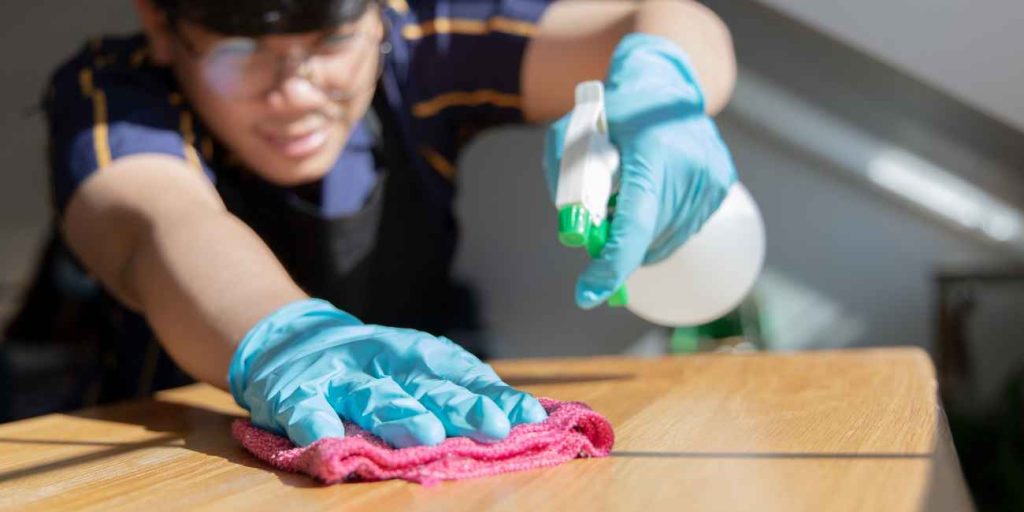
If you have a wood table that is covered in wax and you’re looking for an effective way to remove it, solvent-based wax removal might be the solution you need. Solvent-based products are designed to break down and dissolve wax, making it easier to remove from the surface of your table.
Choosing The Right Solvent
When it comes to choosing the right solvent for wax removal, it’s important to consider the type of wood and finish on your table. Different solvents may interact differently with the wood, so it’s essential to choose one that is safe and suitable for your specific table.
Here are some common solvents that are often used for wax removal:
| Solvent | Description |
|---|---|
| Mineral spirits | A petroleum-based solvent that is effective in removing wax from wood surfaces. It evaporates quickly, leaving minimal residue behind. |
| Naphtha | A highly volatile solvent that can quickly dissolve wax. It’s important to use naphtha in a well-ventilated area and follow safety precautions. |
| Denatured alcohol | A solvent made from ethanol and other additives. It can effectively dissolve wax and is commonly used for furniture refinishing. |
Application And Safety Tips
When using solvent-based products to remove wax from your wood table, it’s essential to follow proper application and safety guidelines. Here are some tips to ensure a successful and safe wax removal process:
- Read and follow the instructions provided by the solvent manufacturer.
- Test the solvent on a small, inconspicuous area of the table to ensure it doesn’t damage the wood or finish.
- Apply the solvent to a clean cloth or sponge and gently rub it on the waxed surface.
- Work in small sections, applying the solvent evenly and following the grain of the wood.
- Allow the solvent to penetrate the wax for a few minutes, but avoid letting it sit for too long to prevent damage.
- Use a soft cloth or sponge to wipe away the dissolved wax, periodically rinsing it in clean water.
- Once all the wax is removed, thoroughly clean the table with a mild wood cleaner to remove any residue.
- Ensure proper ventilation in the room to avoid inhaling fumes from the solvent.
- Wear protective gloves and eye protection to prevent any contact with the solvent.
By choosing the right solvent and following the proper application and safety tips, you can effectively remove wax from your wood table and restore its natural beauty.
Cleaning And Polishing After Wax Removal
After removing wax from a wood table, it’s important to clean and polish the surface to restore its natural shine. Use a soft cloth and a mixture of white vinegar and water to wipe away any remaining wax residue. Then, gently polish the wood with a clean cloth to bring back its luster.
Neutralizing The Area
Rub a mixture of one part white vinegar and two parts water on the wood to remove any remaining wax.
Restoring Wood Shine
Apply a wood polish to bring back the shine and protect the surface.
Preventive Measures For Future Spills
To prevent future spills on your wooden table, it’s important to remove wax properly. One effective method is to use a hairdryer on low heat to melt the wax, then wipe it away with a cloth or paper towel. Another option is to place ice in a plastic bag over the wax to make it easier to remove, or to use a can of compressed air to blow it away.
Using Protective Coatings
Apply a protective coat of wax or sealant to the wood surface. This creates a barrier against spills.
Best Practices For Candle Placement
Always place candles on stable holders to prevent wax drips onto the table.
- Apply protective coatings like wax or sealant.
- Use stable candle holders to prevent drips.
Additionally, ensure candles are placed away from the table’s edges.
Addressing Common Concerns
To remove wax from a wood table, first soften the wax with a hairdryer on low heat, then wipe it away with a paper towel. Alternatively, place ice in a plastic bag over the wax to make it easier to remove.
For stubborn wax, use compressed air to blow it away.
Removing Colored Wax Stains
If you have colored wax stains on your light wood table, there is a simple solution to remove them. Start by preparing a mixture of one part distilled white vinegar and two parts water. Take a soft cloth and dip it into the vinegar-water solution, ensuring it is just damp, not soaking wet. Wring out any excess liquid and gently wipe the surface of the table, following the grain of the wood. The vinegar will help dissolve the wax stains, leaving your table looking clean and beautiful.
Dealing With Unfinished Wood
If your wood table is unfinished, removing wax can be a bit trickier. However, there is a method that does not require sanding. Create a solution by mixing hot water with a cupful of soda. Place an old cloth on the floor beneath the table to catch any wax residue. Pour the hot soda water over the surface of the table that needs treatment. Use a hard brush to scrub the area, always wearing household gloves for protection. Once you have scrubbed away the wax, dry the table thoroughly. This method allows you to remove wax from unfinished wood without the need for sanding.
Professional Help Vs. DIY
To remove wax from a wood table, consider using professional help for stubborn stains. DIY methods like using a hairdryer to melt the wax and wiping it away with a paper towel can also be effective. It’s essential to test any cleaning solution on a small, inconspicuous area first.
When to Call a Professional and Benefits of DIY
Removing wax from a wood table can be a tedious and frustrating task. While some may prefer to call in a professional to handle the job, others may opt for a DIY approach.
When to call a professional:
– If the wax has penetrated deep into the wood, it may be difficult to remove without causing damage to the table.
– If the table is an antique or has sentimental value, it may be best to leave the job to a professional to avoid any potential damage.
– If you have attempted to remove the wax yourself but have been unsuccessful, it may be time to call in a professional.
Benefits of DIY:
– DIY methods for removing wax from a wood table can be cost-effective and convenient.
– By using household items such as a hairdryer, paper towel, and rubbing alcohol, you can effectively remove the wax without damaging the table.
– DIY methods can be a fun and rewarding way to tackle a project and learn a new skill.
Ultimately, the decision to call a professional or opt for a DIY approach will depend on the severity of the wax buildup and your level of comfort with handling the task yourself. With the right tools and a bit of patience, you can successfully remove wax from your wood table and restore its natural beauty.
Frequently Asked Questions
What Is The Best Way To Remove Wax From A Wood Table?
The best way to remove wax from a wood table is to use hot water and soda. Mix hot water with a cupful of soda, pour it over the wax, and scrub with a hard brush. Another option is to use a mixture of one part distilled white vinegar and two parts water to wipe the surface following the grain of the wood.
Use a hairdryer on low heat to melt the wax and wipe it away with a paper towel or cloth.
Does Vinegar Remove Wax From Wood?
Yes, vinegar can remove wax from wood. Mix one part distilled white vinegar with two parts water and wipe the surface with a damp cloth following the wood grain.
How Do You Remove Wax From Wood Without Sanding It?
To remove wax from wood without sanding, use a solution of hot water and soda. Pour it over the surface, scrub with a hard brush, and dry the furniture. Alternatively, use a hairdryer to melt the wax and wipe it away with a cloth.
How To Get Wax Off Hardwood?
To remove wax from hardwood, use a hairdryer to melt the wax and then wipe it away with a paper towel. Alternatively, place a plastic bag of ice over the wax to make it easier to remove. Finally, use compressed air to blow away any remaining wax.
Conclusion
Removing wax from a wooden table may seem like a daunting task, but with the right techniques, it can be done easily. From using hot water and soda to vinegar and water solution, there are various ways to remove wax from a wood table.
It’s important to be patient and gentle while removing the wax to avoid damaging the wood. By following the steps mentioned you can get rid of the wax and restore the natural beauty of your wooden table.