Can You Tint Kilz 2 Primer? Yes — But Not to Dark Colors
Kilz 2 All-Purpose Primer can be tinted, but only with up to 2 ounces of universal colorant per gallon — push past that and its stain-blocking and sealing performance can suffer. That ceiling means DIY tinting gets you closer to a topcoat color, never a true match to a deep or dark paint. This guide covers the real colorant ratio, why over-tinting hurts performance, and the pre-tinted Kilz 2 Gray option for genuinely dark colors.
How Much Colorant Can You Add to Kilz 2 Primer?
Kilz 2 All-Purpose accepts up to 2 ounces of universal colorant per gallon — the same ratio KILZ lists for its other water-based lines, covered across our primer guides. Go past that amount and the primer’s stain-blocking and adhesion can start to break down, even if the color in the can still looks fine.
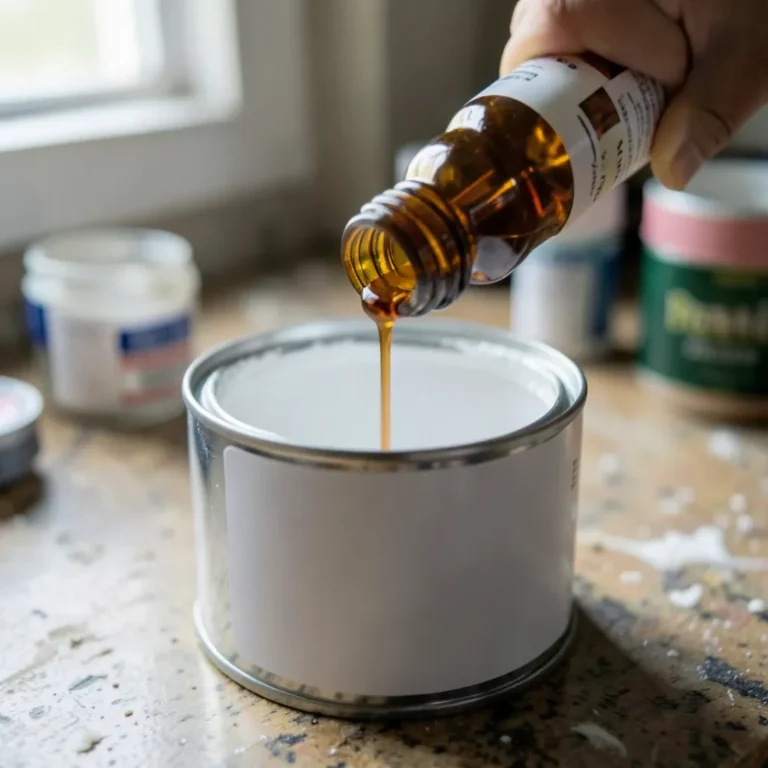
Kilz 2 is a water-based acrylic latex formula, so it only accepts water-based universal colorant — the same kind a paint store adds to latex paint. This matters because not every primer on the shelf uses the same base, and picking the wrong primer for the job or mixing in the wrong tint type causes it to separate or clump instead of blending in.
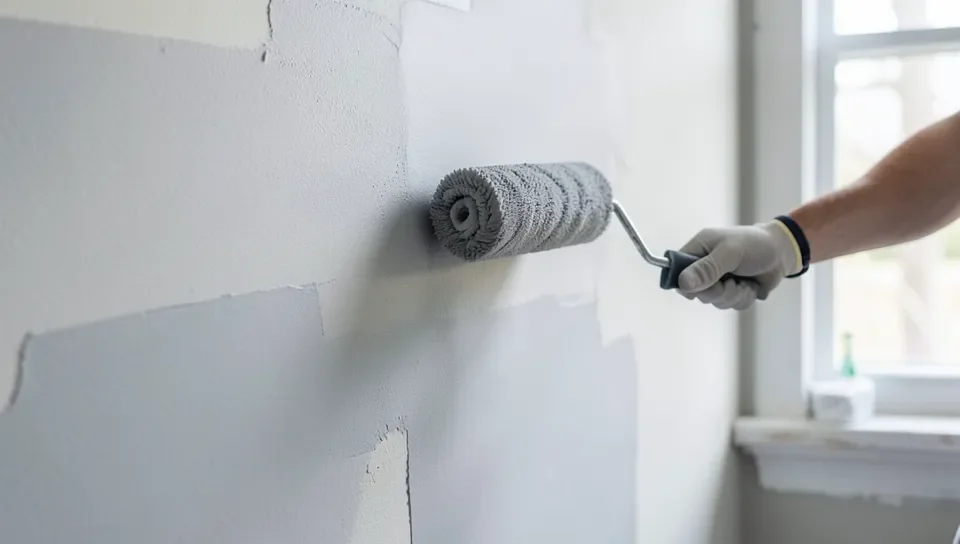
📊 Kilz 2 All-Purpose Primer can be tinted with up to 2 oz of universal colorant per gallon. — Source: KILZ Official Tinting Guide
Why Kilz 2 Can’t Be Tinted to Match Dark or Deep Colors
The 2-ounce ceiling exists because Kilz 2 is still mostly white pigment by volume — a small dose of colorant shifts the shade, but it can’t overpower that white base the way a full paint-tint system can. That’s why KILZ recommends tinting the primer lighter than your topcoat, not matching it exactly.
Tinting Kilz 2 toward a neutral gray before a deep red, navy, or charcoal topcoat is still worth doing — it typically cuts the number of finish coats needed from three down to two, since a gray base has less contrast to cover than stark white. It just won’t get you all the way to the final color on its own.
If a project genuinely needs a dark or saturated topcoat, KILZ sells a factory pre-tinted option — Kilz 2 Gray — built specifically for that job instead of pushing a DIY tint past the safe ratio. It’s the same water-based, stain-blocking formula as the white Kilz 2 All-Purpose, just mixed to a deeper gray at the factory rather than at the paint counter.
Best Kilz 2 Primer Pick
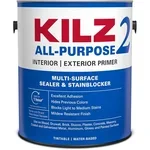 |
Kilz 2 All-Purpose Latex Primer – $59.50 The exact water-based, universal-tint-compatible formula this guide covers — take it to any paint counter for the 2 oz colorant treatment, or use it straight as a stain-blocking white base.
|
As an Amazon Associate we earn from qualifying purchases.
“In my own shop, tinting Kilz 2 toward gray before a navy or charcoal topcoat has saved a full coat almost every time — but I never go past the 2 oz mark. Push it further and the primer stops sealing stains the way it’s supposed to, which defeats the point of priming in the first place.”
Kilz 2 vs. Kilz Original vs. Kilz Premium: Tinting Differences
Not every Kilz line tints the same way. Kilz 2 and Kilz Premium (Kilz 3) are both water-based acrylic formulas that accept the same 2 oz/gallon universal colorant. Kilz Original is oil-based, needs a solvent-based tint instead of universal colorant, and aerosol Kilz can’t be tinted at all.
| Primer | Base | Max Colorant | Best For |
|---|---|---|---|
| Kilz 2 All-Purpose | Water-based (latex) | 2 oz/gallon universal tint | General interior/exterior priming, light-to-medium stains |
| Kilz Premium (Kilz 3) | Water-based (latex) | 2 oz/gallon universal tint | Heavier stains, mildew-prone areas |
| Kilz Original | Oil-based | Solvent-based tint only | Smoke damage, pet stains, severe water marks |
For a full side-by-side on stain-blocking strength and dry time between the two most-compared lines, see our Kilz vs. Kilz 2 comparison. For the complete tinting ratio and rules across every Kilz product — not just the All-Purpose line — see our guide on whether Kilz is tintable.
Dry time is the other practical difference between the lines, and it affects how soon you can check a tint job. Kilz 2 dries to the touch in about 30 minutes and is ready for a topcoat in roughly an hour, so a tinted batch tells you quickly whether the color reads right once cured. Kilz Original needs about two hours before it’s dry to the touch and up to 24 hours to fully cure, which is a long wait if a test tint turns out wrong.
When Tinting Kilz 2 Primer Is Worth It (and When to Skip It)
Tinting makes the most sense on a big color change — going from a stark white ceiling to a saturated wall color, or painting over a previous dark color with something lighter. In both cases, a gray or mid-tone tinted primer closes most of the contrast gap before the topcoat ever goes on, which is where the coat-count savings come from.
It’s less worth the extra step on a small touch-up, a same-color repaint, or any job where the primer is doing pure stain-blocking work rather than color prep — over old smoke or water stains, for instance, plain white Kilz 2 seals just as well as a tinted batch, and skipping the tint step avoids the risk of a mismatched test patch altogether.
How to Tint Kilz 2 Primer the Right Way
- Confirm the colorant type: Use only water-based universal colorant with Kilz 2 — never an oil-based tint meant for Kilz Original.
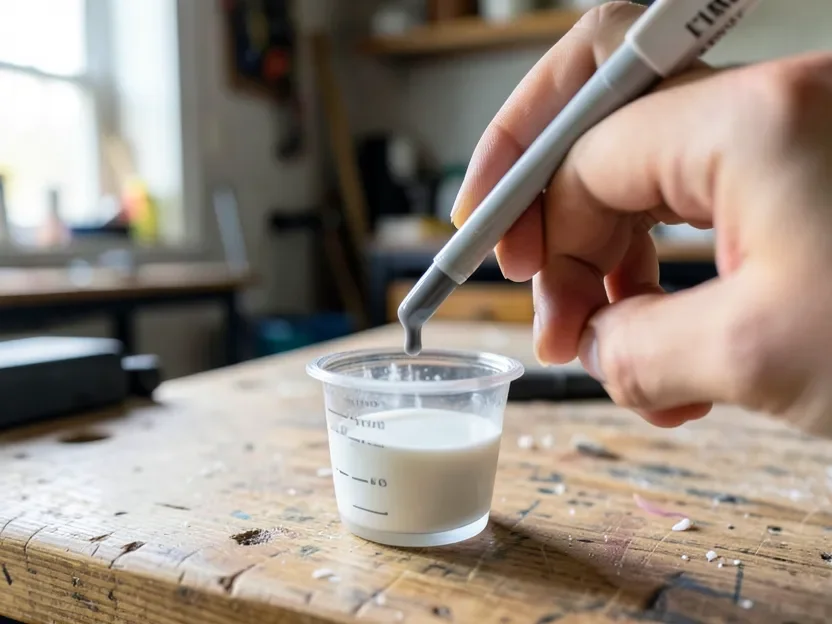
- Start with a small test batch: Mix a cup of primer with a proportional amount of tint first, and let it dry on scrap board — wet color always looks darker than cured color.
- Let the test patch cure fully: Wait the full dry time (about an hour for Kilz 2) before judging the color; a still-wet sample will read too dark and lead to under-tinting the full batch.
- Measure to the 2 oz/gallon ceiling: Add colorant to the full gallon in small increments, staying at or under 2 ounces per gallon of primer.
- Mix thoroughly: Mix the primer with a drill paddle for at least two minutes so the color blends evenly instead of streaking on the wall.
- Apply and check coverage: Roll a full coat, let it dry, and confirm the topcoat needs fewer coats than it would over plain white primer.
Common Mistakes When Tinting Kilz 2 Primer
- Over-tinting past 2 oz per gallon: The color looks closer to the final shade, but stain-blocking and adhesion can suffer — exactly what a primer is supposed to prevent.
- Using oil-based tint in a water-based primer: The colorant won’t blend and can ball up or separate instead of mixing in smoothly.
- Skipping the dried test patch: Wet tinted primer reads darker than it dries — a swatch on cardboard saves a wasted gallon.
- Expecting a tinted white primer to match a dark topcoat: For genuinely deep colors, the pre-tinted Kilz 2 Gray is the right tool, not a heavier hand with the colorant bottle.
Frequently Asked Questions
Can you tint Kilz 2 primer at a paint store?
Yes. Most paint and home improvement stores can tint a can of Kilz 2 on their in-store tinting machine, dosing colorant more precisely than a hand-mixed batch. Bring the can and ask for a light tint toward your topcoat color, staying under the 2 oz-per-gallon guideline.
What happens if you add too much tint to Kilz 2 primer?
Going past roughly 2 ounces of colorant per gallon can weaken the primer’s stain-blocking and sealing properties, even though the color in the can still looks correct. The safer move for a dark topcoat is the factory pre-tinted Kilz 2 Gray rather than over-tinting the white version.
Does Kilz 2 come pre-tinted for dark colors?
Yes — Kilz 2 Gray is a factory-tinted version of the same water-based, stain-blocking formula, built specifically for priming under deep reds, navy blues, and other dark or saturated topcoat colors.
Can you use oil-based tint in Kilz 2 primer?
No. Kilz 2 is a water-based acrylic latex formula and only accepts water-based universal colorant. Oil-based tint is for Kilz Original’s oil-based formula and won’t blend evenly into Kilz 2 — it tends to ball up or separate instead.
How long does tinted Kilz 2 primer take to dry?
Tinting doesn’t change the dry time — Kilz 2 is dry to the touch in about 30 minutes and ready for a topcoat in roughly an hour under normal conditions. That fast turnaround is what makes a same-day test patch practical before committing a full gallon.
Do you need to sand or clean the surface before applying tinted Kilz 2?
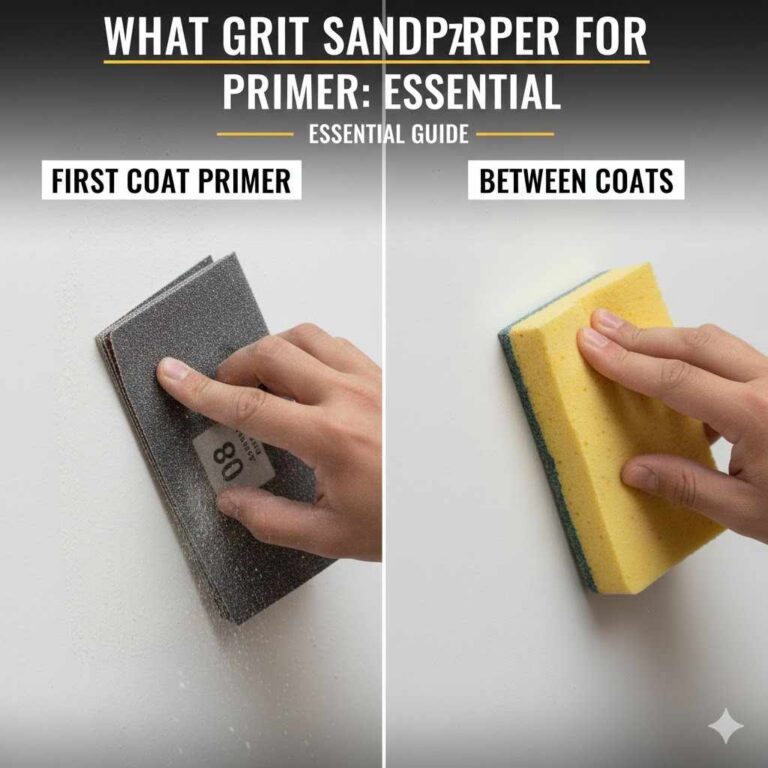
Yes, the same surface prep applies whether the primer is tinted or plain white. Wipe away dust and grease, and lightly sand glossy or previously painted surfaces so the primer — tinted or not — has something to grip. Tinting changes the color, not the adhesion requirements.
Kilz 2 All-Purpose handles light tinting well within its 2 oz-per-gallon limit — enough to cut a coat off most repaints without weakening the stain-blocking it’s known for. For a genuinely dark topcoat, skip the DIY tint ceiling entirely and reach for the factory pre-tinted Kilz 2 Gray primer instead.
Sponsored / affiliate links. As an Amazon Associate I earn from qualifying purchases. I may earn additional commission from eligible campaigns.