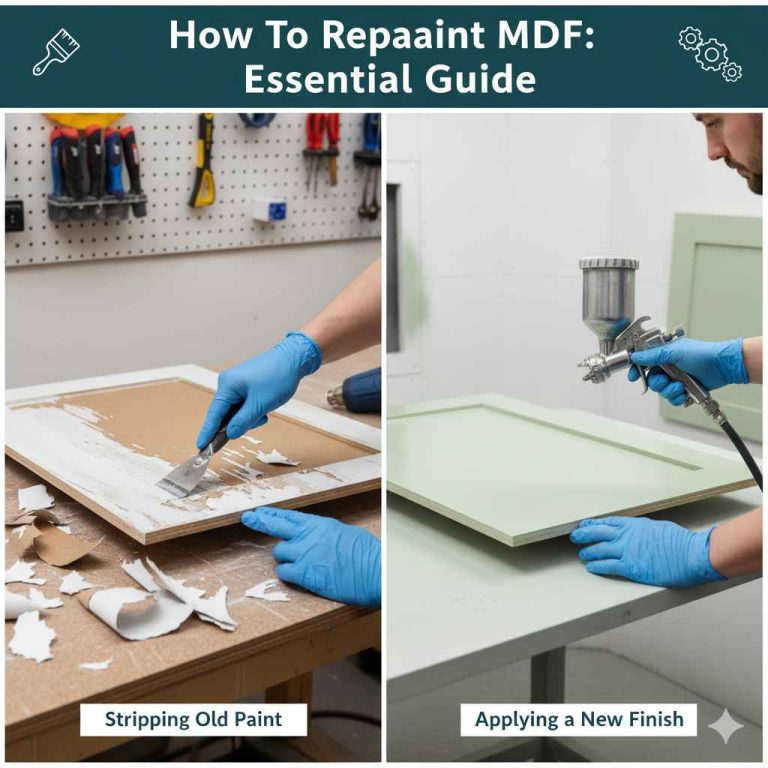
How to Repair MDF Furniture: Expert Tips & Techniques
Have you ever found yourself staring at that scratched or chipped MDF furniture, wondering if there’s a way to bring it back to its former glory? You’re not alone.
MDF, or medium-density fiberboard, is a popular choice for furniture due to its affordability and versatility. However, it can be prone to damage, leaving you questioning how to repair and restore it without breaking the bank. Imagine the satisfaction of transforming your beloved piece from worn-out to wonderful with just a few simple steps.
No need to feel overwhelmed or frustrated. With the right techniques, you can tackle those imperfections and make your MDF furniture look as good as new. We’ll guide you through the process, ensuring that you have the knowledge and confidence to repair MDF furniture effectively. Get ready to rediscover the beauty of your furniture and enhance your living space without spending a fortune. Let’s dive into the world of MDF furniture repair and unleash your inner DIY expert!
Understanding Mdf Furniture
Fixing MDF furniture requires simple tools and patience. Identify the damaged area and gently sand it. Apply wood filler to fill gaps, then smooth it with sandpaper. Finish by painting or sealing to restore its look.
Characteristics Of Mdf
MDF stands for Medium-Density Fiberboard. It is made from small wood fibers. It is denser than plywood. MDF is very smooth. This makes it easy to paint. It does not have wood grain. It can be cut into many shapes. MDF is less expensive than solid wood. This makes it popular for furniture.
Common Uses In Furniture
MDF is used in many types of furniture. It is often used for cabinets. It can be found in shelves and tables. MDF is also used in doors. It is lightweight and easy to handle. This makes it a favorite for DIY projects. MDF can be shaped and styled easily. It is a good choice for modern designs.
Identifying Common Mdf Issues
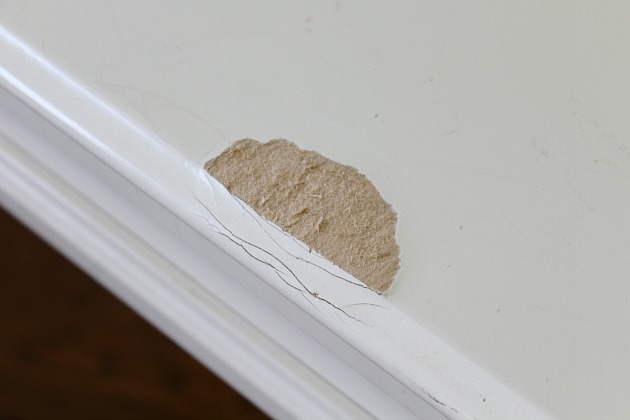
MDF furniture often faces scratches and dents. These marks spoil its look. Use sandpaper to smooth out the scratches. For deeper dents, fill them with wood filler. Let it dry, then sand it flat. The surface becomes new again. It’s easy to fix these minor issues.
MDF swells when wet. Water can cause bubbles and warping. Dry the affected area thoroughly. Sand the raised parts to level them. Use a sealant to protect the MDF from future water exposure. Keep your furniture away from moisture. Prevention is better than repair.
Cracks weaken MDF furniture. They can grow bigger over time. Use wood glue to fix these cracks. Apply the glue and press the parts together. Let it dry completely. For wider cracks, use clamps to hold until set. Reinforce with screws if needed. Stronger support means longer life.
Essential Tools And Materials
Gather essential tools like a screwdriver, wood glue, and sandpaper. You’ll need these materials to fix MDF furniture. Ensure you have clamps and a putty knife for smooth repairs.
Basic Repair Tools
A screwdriver is needed for removing screws. Use a hammer for small adjustments. Sandpaper smooths rough surfaces. A putty knife applies filler to holes. Wood glue is key for strong bonds. Clamps hold pieces together while drying. A drill can make new holes. A ruler helps measure accurately. Brushes apply finishes evenly. Safety glasses protect eyes during work. Gloves keep hands safe from splinters. These tools are essential for repairing MDF furniture. Gather all before starting the repair. This preparation makes the task easier and quicker.
Material Selection For Repair
Select the right materials for repairing MDF furniture. Choose wood filler for filling gaps and cracks. MDF boards can replace damaged parts. Veneer sheets cover surfaces for a new look. Paint or varnish finishes the repair. Screws and nails secure parts together. Use brushes for smooth application. Sandpaper prepares surfaces for finishing. Wood glue strengthens joints. Clamps hold pieces firmly. Choose quality materials for a lasting repair. This ensures the furniture looks good and stays strong.

Credit: www.youtube.com
Repairing Surface Damage
Chips and scratches can make furniture look old. Use wood filler to fix them. First, clean the area. Remove any dust and dirt. Then, apply the filler with a small tool. Press it into the chip or scratch. Let it dry fully. This might take a few hours. Once dry, sand the area gently. Make it smooth and even. Finally, paint or stain the repaired spot. This helps it match the rest.
Sandpaper is key for smoothing. Start with coarse sandpaper. This removes rough spots. Then, use finer sandpaper. It makes the surface smooth. Always sand in the same direction. Avoid circular motions. Once done, wipe away dust. A clean cloth works best. Now, the surface is ready for paint or stain. This will give a new look.
Fixing Water-damaged Areas
Water damage can ruin MDF furniture. Start by drying the wet areas. Use a fan or a hairdryer. Check if the MDF is swollen or cracked. Swollen MDF may need replacement. Cracks can be filled with wood filler. Look for discoloration and mold. These need special care.
After drying, seal the MDF with wood sealer. This protects against future water damage. Reinforce weak parts with wood glue. Press gently until dry. For corners, use metal brackets. They add strength and support. Make sure everything is aligned properly. Tighten screws carefully.
Addressing Structural Cracks
Bonding and Clamping is key for fixing cracks. Start by cleaning the area. Remove dust and dirt. Use a strong wood glue to fill the crack. Apply the glue evenly. Next, press the cracked pieces together. You may use a clamp to hold them tight. Leave it for a day. This ensures the glue dries properly. Check the repair after 24 hours. The crack should be fixed. If not, repeat the process.
Strengthening Weak Spots can make your furniture last longer. Identify any weak areas first. Apply wood glue to these spots. Reinforce with small wood blocks if needed. These blocks support weak areas. Clamp them until the glue dries. This adds extra strength to your furniture. Regular checks help find new weak spots.
Finishing Touches
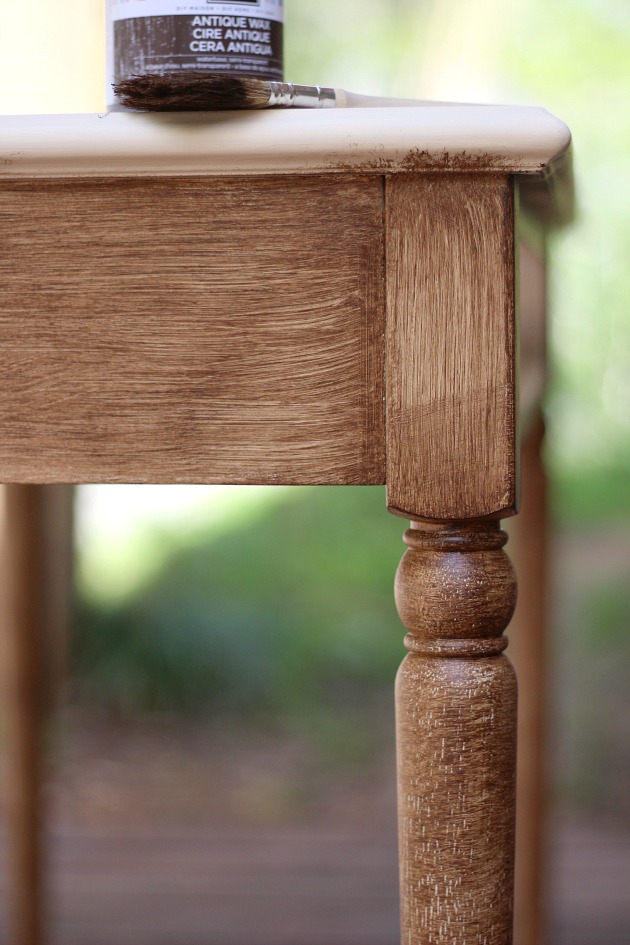
Painting and staining add color to MDF furniture. Always clean the surface first. Use a damp cloth to wipe away dust. For painting, choose a primer suited for MDF. Apply the primer evenly. Let it dry completely. After priming, use a brush or roller for the paint. Two coats usually work best. Ensure each coat dries before adding the next. For staining, pick a gel stain. It’s thicker and works well on MDF. Apply the stain with a brush or cloth. Wipe off any extra stain with a clean rag. This gives a smooth finish.
Protective coatings are essential. They guard against scratches and moisture. Use a clear sealant or varnish. Apply the sealant after the paint or stain dries. Brush on a thin layer of sealant. Wait for it to dry. Then, add a second layer. This ensures strong protection. It keeps your furniture looking new and shiny.
Credit: sincerelymariedesigns.com
Maintenance Tips
Keep the furniture away from water and heat. Use coasters under cups and pots. Always clean spills quickly to avoid damage. Dust the furniture often with a soft cloth. Avoid using harsh chemicals for cleaning. Choose gentle cleaners that are safe for MDF. Keep the furniture in areas with stable temperatures.
Check the furniture for scratches and dents. Fix small damages right away. Use touch-up markers for minor scratches. Tighten screws if they become loose. Look for signs of swelling or warping. Protect furniture from direct sunlight to prevent fading. Ensure all parts are in good condition. Replace any worn parts promptly.
Credit: sincerelymariedesigns.com
Frequently Asked Questions
Can Mdf Furniture Be Repaired?
Yes, MDF furniture can be repaired. Use wood filler for dents and scratches. Sand and repaint to restore appearance. Ensure stability by tightening screws and reinforcing joints. Regular maintenance extends lifespan and keeps furniture looking new. Proper techniques ensure successful repairs and enhance durability.
What Is The Best Filler For Mdf Furniture?
The best filler for MDF furniture is water-based wood filler. It provides a smooth finish and is easy to sand. Choose a high-quality brand for durable results. Ensure it matches the MDF color for seamless blending. Always follow the manufacturer’s instructions for optimal application.
How To Renovate Mdf Furniture?
Clean and sand the MDF surface. Apply primer for better adhesion. Paint with high-quality paint. Seal with a protective finish to enhance durability. Replace or update hardware for a fresh look.
What To Use To Patch Mdf?
Use wood filler or epoxy resin to patch MDF. Sand the area smooth after applying the patch. Ensure the surface is clean before application for best results. These materials provide a durable and seamless repair for MDF surfaces.
Conclusion
Repairing MDF furniture can be simple and rewarding. Just follow the steps carefully. Use the right tools for the job. Fill and sand any damaged spots. Ensure the surface is clean and dry before applying a finish. Paint or sealant can protect your repairs.
Regular maintenance keeps your furniture looking new. With patience, your MDF pieces will last longer. Repairing furniture saves money and reduces waste. Try these methods next time you see a scratch or dent. Feel proud of your handiwork. Enjoy your sturdy, refreshed furniture.