Does MDF Have a Good Side? Discover Its Hidden Benefits
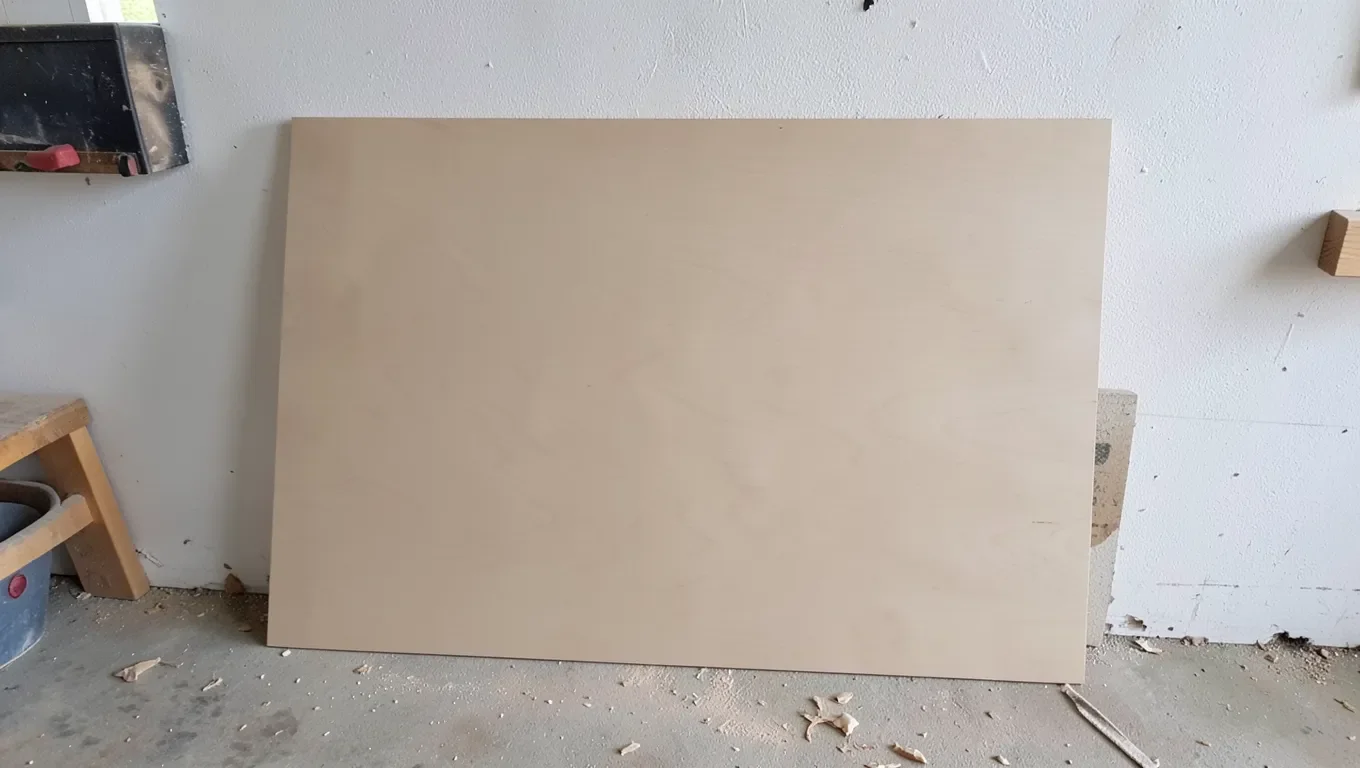
No – standard raw MDF does not have a “good side” the way plywood does. Plywood is graded A-face versus B/C-back because it’s built from wood veneer layers with visible grain and knots that vary in quality; MDF is pressed from uniform wood fibers with no grain or veneer at all, so both faces come out of the press essentially identical. There are a few real exceptions worth knowing, though – certain pre-finished and laminated MDF products genuinely do have a designated front and back.
Why MDF Doesn’t Have A Graded Face Like Plywood
Seal The Edges, Not Just The Faces
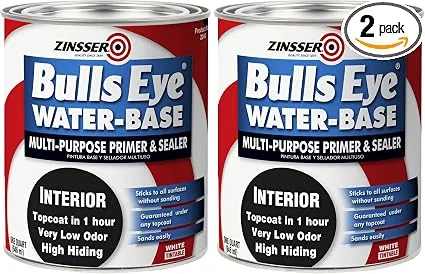 |
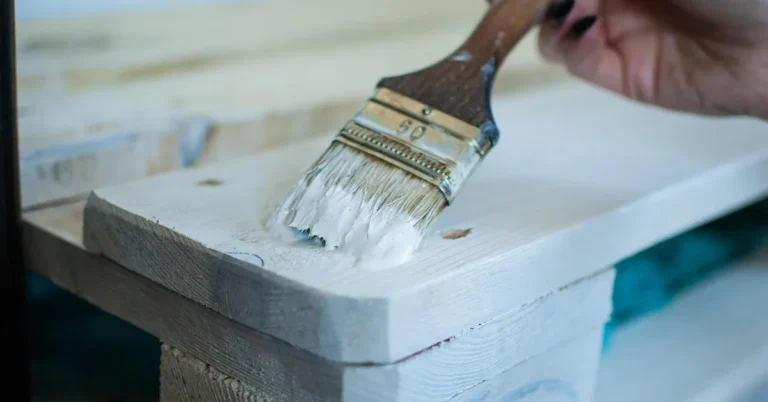
Zinsser Bulls Eye Primer Sealer Since MDF’s faces are already uniform, the real prep work is sealing the raw, absorbent cut edges before paint.
|
Plywood’s face grading exists because it’s made of thin wood veneers, and veneer quality varies – some layers have visible knots, patches, or grain irregularities, so manufacturers grade one face (the “good” side) for appearance and leave the other as a plainer backer. MDF skips this problem entirely: it’s manufactured by breaking wood down into fine fibers, mixing them with resin, and pressing the mixture into a flat panel under heat. There’s no grain pattern or knot to vary from one face to the other, which is exactly why MDF is a popular choice when a perfectly smooth, paintable surface matters more than a wood-grain look.
In practice, this means you can flip a standard sheet of raw MDF either way for your project without worrying about “wasting” the better face – there usually isn’t one. Minor cosmetic differences can occasionally show up from handling and storage (light scuffs, a stack mark, or slight discoloration from sitting against another sheet), but that’s wear, not a manufactured quality difference between the two faces.
| MDF Type | Good Side? | Why |
|---|---|---|
| Standard raw MDF | No | Homogeneous wood fiber, no grain or veneer – both faces are essentially identical |
| Pre-primed MDF | Sometimes | Some products are only primed/sanded smooth on one face specifically for paint |
| Melamine-faced MDF | Yes | One face has a decorative laminate; the other is a plain, unfinished backer |
| MDF-core plywood | Yes | Has a real veneer face graded like standard plywood (A/B face, numbered back) |
When MDF Actually Does Have A Designated Side
A few specific MDF products break the “both sides are the same” rule, and it’s worth knowing which one you’re buying. Pre-primed or pre-sanded MDF is sometimes finished smoother on one face specifically to save a step before painting – check the product listing or ask at the lumberyard if this matters for your project. Melamine-faced MDF (MFC) has a decorative laminate bonded to one face, with the other left as a plain, unlaminated backer meant to be hidden inside a cabinet or against a wall – here, the “good side” is obvious and intentional. And MDF-core plywood, a hybrid product with a real wood veneer face bonded over an MDF core, is graded just like standard plywood, with an A or B face and a numbered backer.
What Actually Matters More: The Edges
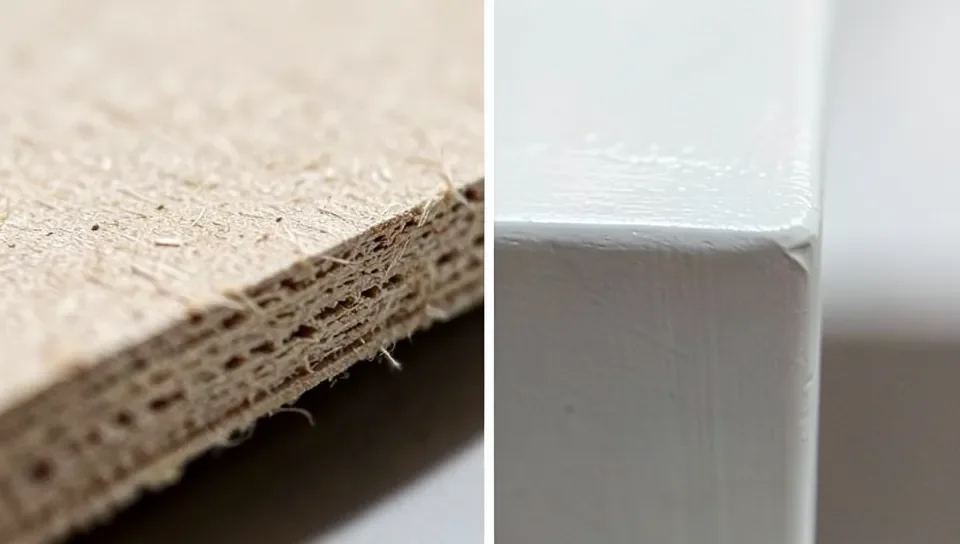
Since MDF’s two faces are rarely the real issue, the practical prep work is almost always about the cut edges instead. A raw MDF edge is much more porous than the pressed faces – it’s essentially exposed wood fiber and resin, and it soaks up paint unevenly, which is why an unsealed edge often looks fuzzy or “whiskered” after a coat of regular latex paint. Sealing the edge first with a shellac-based primer or a dedicated MDF edge sealer, sanding lightly once dry, and then painting gives a smooth result that matches the faces. Skipping this step is the most common reason an otherwise good MDF project looks unfinished right at the cut lines.
Choosing MDF For Your Project
Because both faces are typically interchangeable, choosing which side faces out on a standard sheet comes down to whichever orientation is more convenient for your cuts and layout, not appearance. Inspect the sheet for any handling damage, moisture exposure, or delamination at the edges before buying regardless of which face you plan to use, since those issues affect the whole panel rather than just one side. For a project where you specifically want a decorative or pre-finished surface, buy MFC or pre-primed MDF explicitly rather than assuming standard raw MDF will have one – it won’t.
Frequently Asked Questions
What Are 3 Disadvantages Of MDF?
MDF lacks moisture resistance and can swell when exposed to water. It is not as strong as solid wood, making it less durable. MDF releases formaldehyde, which can pose health risks if not properly sealed.
Is MDF A Good Quality?
MDF is good quality for furniture and cabinetry. It’s durable, affordable, and easy to paint. MDF resists warping, making it ideal for indoor use. Its smooth surface allows for seamless finishes. However, it may not hold screws as well as solid wood. Consider your project needs before choosing MDF.
Should I Avoid MDF Furniture?
MDF furniture offers affordability and versatility. It’s less durable than solid wood and can emit formaldehyde. Choose high-quality MDF with low emissions. Consider your budget, style preferences, and indoor air quality when deciding.
Is MDF Strong Enough To Sit On?
MDF is not ideal for sitting as it lacks the strength of solid wood. Over time, it may weaken or break under weight. Always check weight limits and use proper support for seating purposes. Consider sturdier materials like plywood or hardwood for better durability.
Conclusion
Standard MDF doesn’t have a true “good side” – both faces are pressed the same way and come out equally smooth, unlike plywood’s graded veneer faces. The real prep work is sealing the raw, absorbent cut edges before finishing, not picking which face to use. Save the “good side” question for melamine-faced or pre-primed MDF, where one face genuinely is designed to be the front.
Sponsored / affiliate links. As an Amazon Associate I earn from qualifying purchases. I may earn additional commission from eligible campaigns.