How to Dry Out MDF: Expert Tips for Quick Results
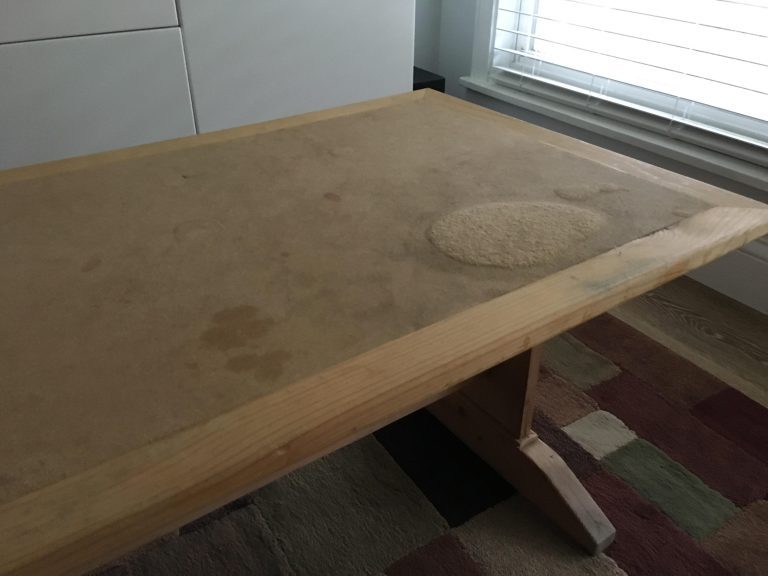
Here’s the part most guides skip: drying MDF stops further damage, but it usually does not undo swelling that’s already happened. Once the wood fibers in MDF absorb liquid water and expand, the resin binding them breaks down at the swollen spot — drying removes the moisture, but the fibers don’t shrink back to their original flat, dense state the way they expanded. If the damage is limited to light surface dampness (not standing water or a soaked edge), you can usually dry it and move on. If an edge has visibly puffed up, gone soft, or crumbled, drying will stop it from getting worse, but that section is very likely permanent — plan to cut it out or replace the piece rather than expecting it to fully recover.
That’s not the answer most people want, but it’s the honest one, and it changes what you should actually do next. Here’s how to tell which situation you’re in, and what to do for each.
Why MDF Reacts to Water Differently Than Solid Wood
Best MDF Edge Sealer
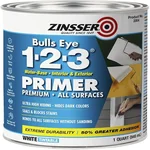 |
Zinsser Bulls Eye 1-2-3 Primer & Sealer, Quart – $9.44 Seal every raw cut edge with this before the board goes into service — the edges, not the faces, are where MDF actually takes on water.
|
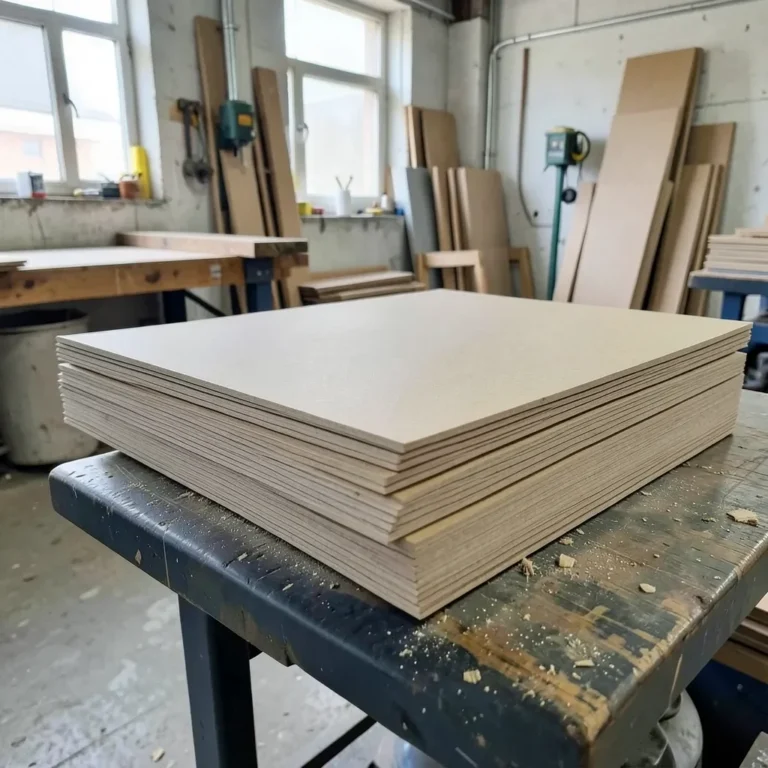
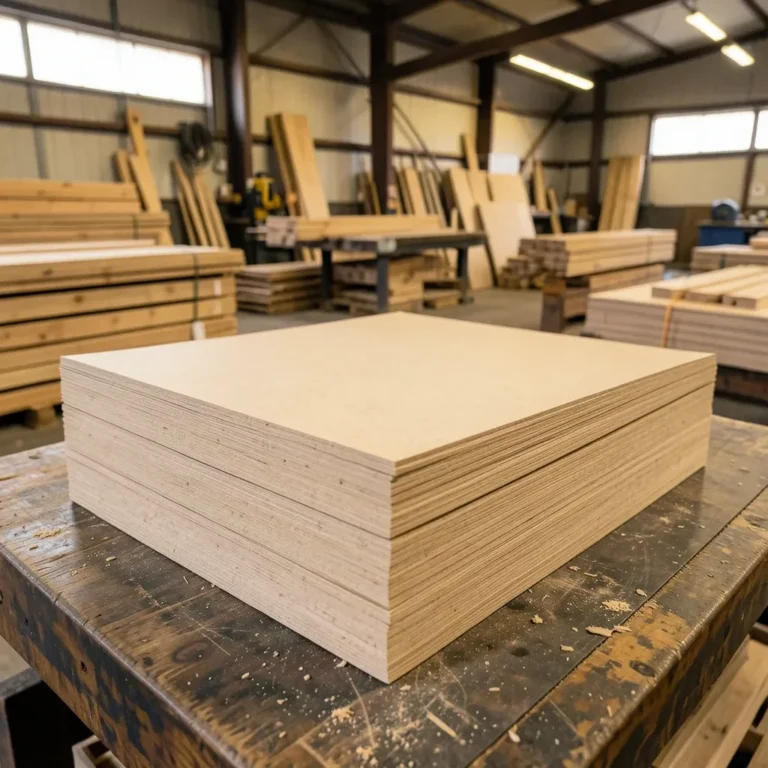
MDF is wood fibers pressed with wax and resin under heat, not a solid piece of grain. Solid lumber expands and contracts somewhat reversibly with humidity because the wood cells themselves are intact. MDF’s fibers, once separated by absorbed water and the resin bond between them softens, don’t reassemble into the same dense structure when they dry — the swelling is largely mechanical and chemical, not just moisture sitting in the material. That’s the core reason MDF has a reputation for being ruined by water in a way solid wood often isn’t.
First: Figure Out Which Situation You’re In
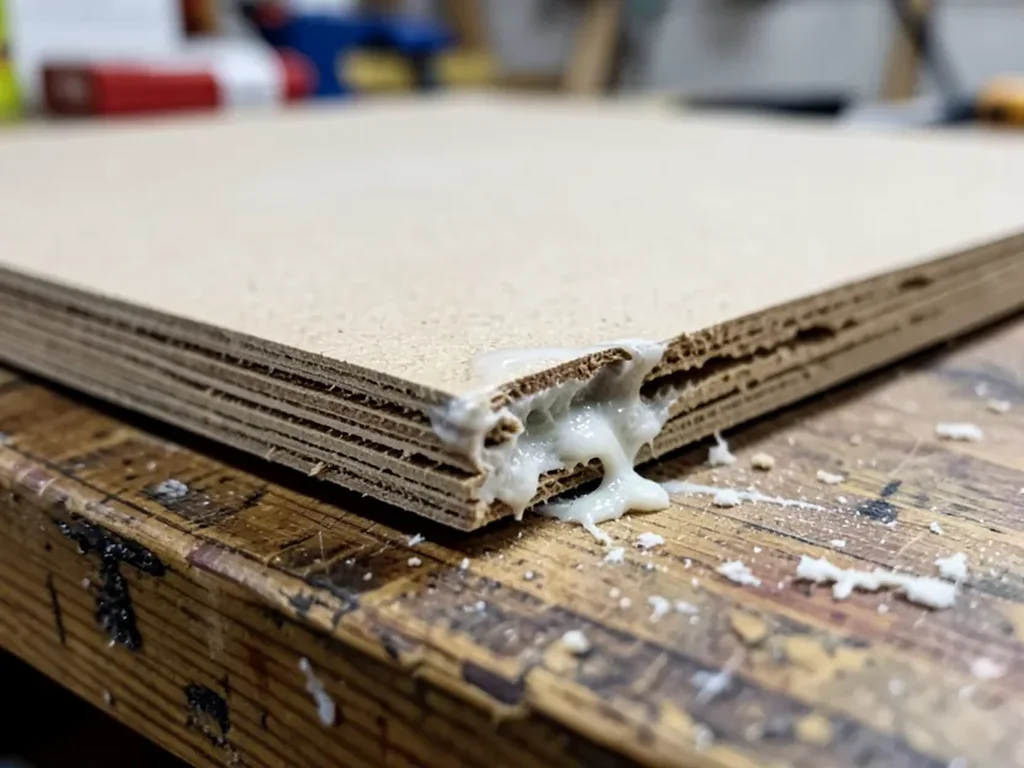
Press firmly on the affected area with your thumb. If it feels solid with only slight give, and there’s no visible puffing at the edges or surface, you’re likely dealing with surface-level dampness (high humidity, a quick spill that was wiped up fast) — drying should get you back to a usable board. If the spot feels spongy, springs back slowly, or you can see the board has visibly thickened or the edge has separated into visible layers, that’s structural swelling, and the section is compromised regardless of how thoroughly you dry it.
- Likely recoverable: slight discoloration, board still feels firm, no visible thickness change, damage is limited to the surface finish rather than the core.
- Likely not fully recoverable: visible bulging or a “puffed” edge, soft or spongy spots that don’t firm back up as it dries, crumbling when pressed, or a visible gap/separation in the board’s layers.
Drying Steps for Recoverable Cases
If you’ve confirmed the damage is surface-level, here’s the actual process:
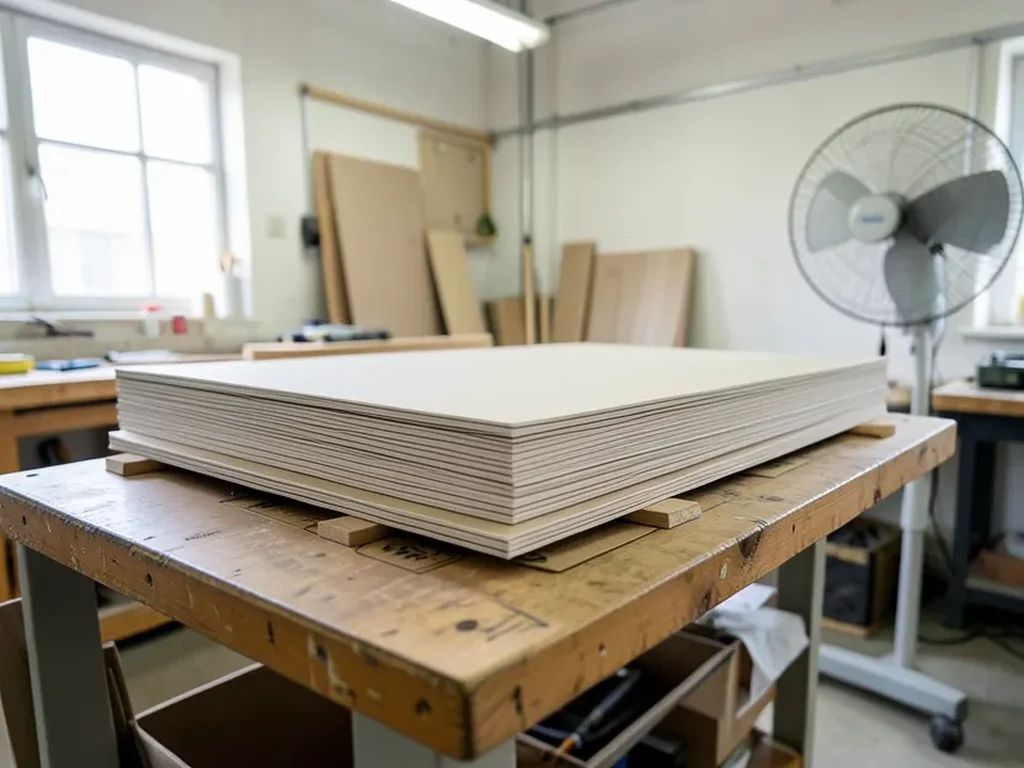
- Elevate it off the ground. Set the board on stickers (small spacer strips) or a rack so air moves underneath as well as over the top. A board left flat on a concrete floor traps moisture against the bottom face.
- Use airflow, not concentrated heat. A box fan or two aimed across the surface does more good than a hairdryer or heat gun. Concentrated heat dries the very top layer fast while the moisture underneath is still trapped, which is exactly the uneven drying that causes warping and can scorch the resin binder at the surface. If you do use gentle heat, keep it moving constantly and well back from the surface — never hold it in one spot.
- Run a dehumidifier in the room if humidity, not a direct spill, caused the problem. This addresses the actual cause instead of just the symptom.
- Weight it flat while it dries if there’s any early sign of cupping — even light, even pressure (a few boards stacked on top, distributed evenly) can keep a mild warp from setting in as it dries.
- Give it real time. Don’t rush this by cranking heat — a day or two of steady airflow beats a few hours of aggressive drying that risks cracking the surface or warping the board.
When It’s Not Recoverable
If an edge or section has genuinely swollen and softened, drying it is still worth doing — it stops mold growth and further deterioration — but don’t expect the shape or strength to come back. Your realistic options at that point:
- Cut away the damaged section if it’s near an edge and the piece can be trimmed down to a smaller usable size.
- Replace the panel if the damage is central or extensive enough that trimming isn’t practical. MDF sheet stock is inexpensive enough that this is often genuinely faster and cheaper than trying to salvage a badly swollen board.
- Repurpose it for something where the flaw doesn’t matter — a shop jig, a shelf that will be hidden, or anything where a cosmetic imperfection isn’t a dealbreaker.
Prevention: Seal the Edges Before It’s a Problem
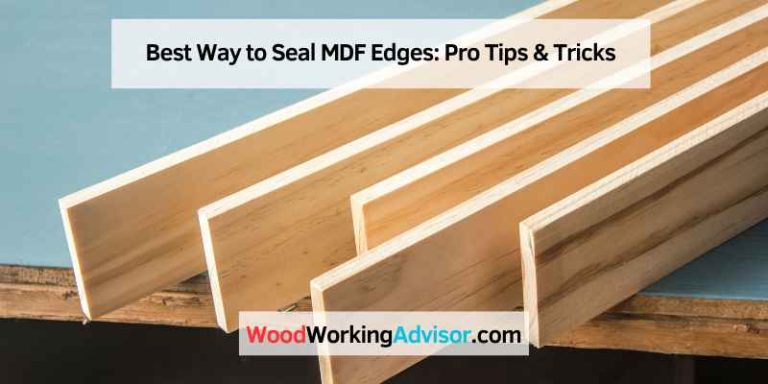
The single most common way MDF gets water damage is through its cut edges, not its factory faces — factory MDF sheets often come with the faces pre-sealed or laminated but the cut edges completely raw and exposed, and raw MDF edges soak up water faster than almost anywhere else on the board. Sealing every cut edge with a quality primer-sealer before the board ever goes into service is the highest-value prevention step, well ahead of “keep it away from water” alone (which isn’t always practical for kitchen, bathroom, or garage builds).
Beyond edge sealing, store MDF sheets flat and elevated off a garage or shop floor (concrete slabs stay damp longer than you’d expect, even when they look dry), keep sheets under a cover if stored outside a climate-controlled space, and act on any spill immediately rather than letting it sit — the difference between a wiped-up spill and a puddle left overnight is often the difference between a board that’s fine and one that’s permanently swollen.
Frequently Asked Questions
Is MDF ruined if it gets wet?
Not always, but it depends on how much water and for how long. Light surface dampness that’s dried quickly is usually fine. Standing water, a soaked edge, or prolonged exposure typically causes swelling that drying does not reverse — the affected section usually needs to be cut away or the panel replaced rather than restored.
How do you remove moisture from MDF?
Elevate the board on stickers so air reaches both sides, use fans for steady airflow rather than concentrated heat, and run a dehumidifier if ambient humidity is the cause. Avoid a hairdryer or heat gun held in one spot — it dries the surface unevenly and can worsen warping.
How do you seal MDF against moisture?
Seal every cut edge, not just the faces, with a quality primer-sealer before the board is painted or installed. Raw cut edges are the most common entry point for water damage since factory faces often come pre-sealed while cut edges are left completely exposed.
Can swollen MDF be fixed once it’s already puffed up?
Generally, no — once MDF has visibly swollen or gone soft, drying it stops further damage but does not restore its original shape or strength. Realistic fixes are cutting away the damaged section, replacing the panel, or repurposing the board for a use where the flaw doesn’t matter.
Bottom Line
Dry MDF the right way (airflow and elevation, not concentrated heat) for a real chance at saving it, but be honest about which situation you’re in first. Light dampness usually recovers. Visible swelling usually doesn’t, no matter how thoroughly you dry it — and sealing every raw edge before the board ever gets wet is worth far more than any drying technique after the fact.
Sponsored / affiliate links. As an Amazon Associate I earn from qualifying purchases. I may earn additional commission from eligible campaigns.