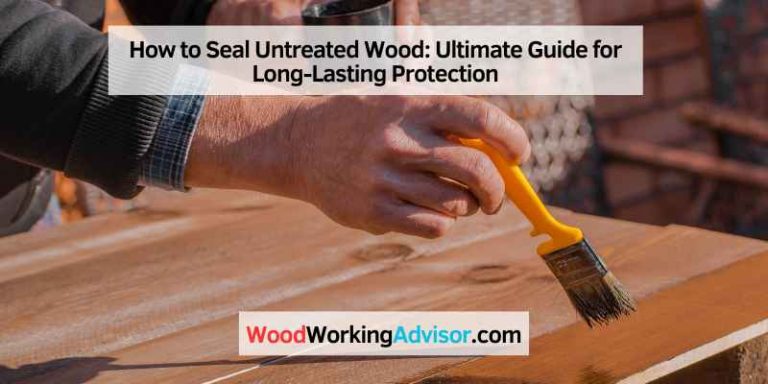
How to Seal Wooden Window Sills: Expert Tips for Durability
To seal wooden window sills, start by cleaning the surface thoroughly. Apply a high-quality sealant or wood preservative evenly across the sill.
Wooden window sills are prone to moisture damage, leading to rot and decay. Sealing them properly protects your investment and enhances your home’s aesthetic appeal. Regular maintenance ensures the longevity of your sills, saving money on costly repairs. The sealing process not only prevents water intrusion but also keeps pests at bay.
Choosing the right materials is crucial for effective sealing. A well-sealed window sill can withstand harsh weather conditions while maintaining its charm. Understanding the best techniques for sealing will help you achieve a durable finish that lasts for years. Follow the steps outlined to ensure optimal results.
Introduction To Sealing Wooden Window Sills
Sealing wooden window sills is very important. It protects wood from moisture and damage. Without sealing, wood can warp and crack over time. This leads to costly repairs and replacements.
Many challenges arise in sealing. One common problem is choosing the right sealant. Not all sealants work well on wood. Another challenge is preparing the surface properly. Dust and old paint can affect adhesion.
Regular maintenance is also necessary. Wood needs to be checked for wear and tear. Small issues should be fixed quickly to avoid bigger problems later.
Selecting The Right Materials
Choosing the right sealant is crucial for wooden window sills. Several types of sealants work well:
| Sealant Type | Features |
|---|---|
| Silicone Sealant | Flexible, waterproof, great for outdoor use. |
| Latex Sealant | Easy to apply, paintable, good for indoor use. |
| Polyurethane Sealant | Strong adhesion, durable, suitable for high traffic areas. |
Essential tools include a caulking gun, putty knife, and a cleaning rag. A caulking gun helps apply the sealant smoothly. A putty knife is perfect for smoothing out the sealant. Keeping a cleaning rag handy keeps the area tidy.

Preparing The Window Sill
Start by cleaning the window sill. Use a damp cloth to remove dust and dirt. Make sure the surface is dry before moving on.
Next, sand the wood to create a smooth surface. Use medium-grit sandpaper for rough spots. This helps the sealant stick better.
Check for any repairs needed on the sill. Fill cracks or holes with wood filler. Allow it to dry completely before sealing.
Applying The Sealant
Start by cleaning the wooden surface. Use a damp cloth to remove dust. Let the sill dry completely.
Next, choose a high-quality sealant suitable for wood. A silicone or latex-based sealant works well.
Apply the sealant with a caulking gun. Hold it at a 45-degree angle for better control. Start at one end and move steadily.
For even coverage, use a putty knife to smooth the sealant. Wipe off excess sealant with a damp cloth.
Check for any gaps and fill them in as needed. Allow the sealant to cure for the recommended time.
Inspect the sill after curing. Ensure the sealant is properly adhered and looks neat.
Ensuring Durability
To ensure durability for wooden window sills, apply multiple coats of sealant. This helps protect wood from moisture and damage. Each coat adds strength and longevity.
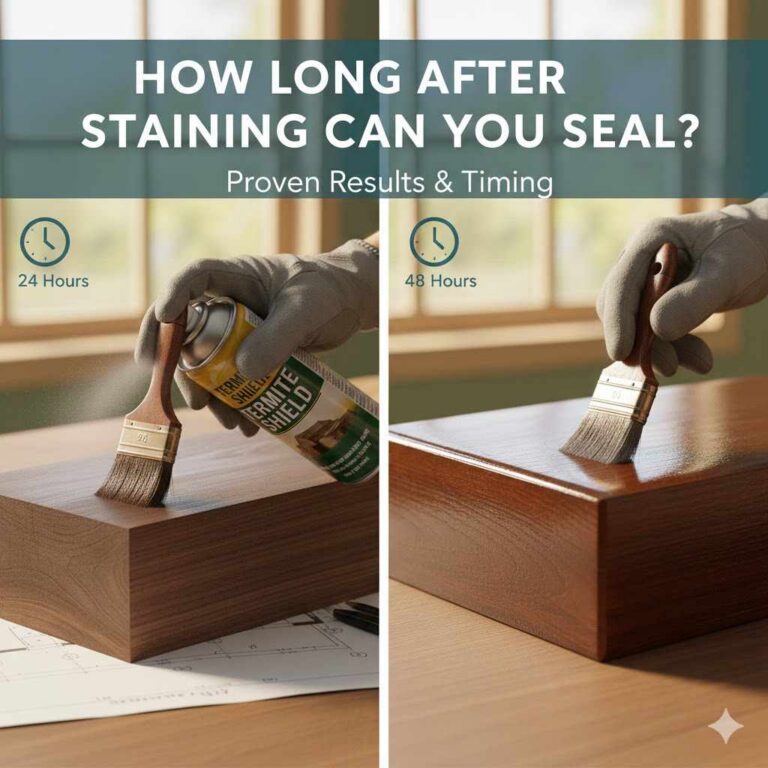
Allow each coat to dry completely. This takes about 2 to 4 hours. Curing time is also important. Wait at least 24 hours before using the window sill.
Proper drying and curing create a strong barrier. This keeps water away from the wood. A well-sealed sill can last for many years.
Maintaining Your Sealed Window Sills
Routine checks for your window sills help keep them in great shape. Look for cracks or damage regularly. Early detection can save you time and money.
Cleaning is essential for maintaining sealed window sills. Use a soft cloth and mild soap. Avoid harsh chemicals that can damage the seal. Touch-ups can be done with sealant when needed. This keeps your sills looking fresh and protects them.
| Task | Frequency |
|---|---|
| Check for cracks | Monthly |
| Clean window sills | Weekly |
| Apply touch-up sealant | As needed |
Troubleshooting Common Issues
Peeling sealant can occur due to moisture or age. Check the sealant regularly. If it starts peeling, remove the old sealant carefully. Clean the area well before applying new sealant. Use a high-quality sealant for the best results.
Water damage is a serious issue for wooden window sills. Look for signs like discoloration or soft spots. Fixing water damage early can prevent further issues. Replace any damaged wood promptly. Keep window sills dry and well-sealed to avoid future problems.
Expert Advice
Sealing wooden window sills protects them from water damage. Regular checks can prevent issues. If sills show cracks or peeling, it’s time to act. Professional help is wise for extensive damage. Experts ensure proper sealing and long-lasting results.
Long-term care tips include:
- Clean sills regularly to remove dirt and dust.
- Inspect for signs of wear or damage every season.
- Apply a fresh sealant every few years to maintain protection.
- Use a soft cloth to avoid scratching the wood surface.

Frequently Asked Questions
How Do I Prepare Wooden Window Sills For Sealing?
Start by cleaning the wooden surface thoroughly. Remove any dust, dirt, or old paint using a scraper or sandpaper. Ensure the sill is dry before proceeding. For best results, apply a wood conditioner to enhance adhesion. This preparation helps the sealant adhere better and ensures a long-lasting finish.
What Type Of Sealant Is Best For Window Sills?
A high-quality polyurethane or silicone sealant is ideal for wooden window sills. Polyurethane offers excellent durability and weather resistance. Silicone is flexible and waterproof, making it suitable for areas exposed to moisture. Choose a sealant that matches your window’s specific needs for optimal protection and longevity.
How Often Should I Seal My Wooden Window Sills?
It’s recommended to seal your wooden window sills every 2-3 years. Regular maintenance helps prevent water damage and deterioration. Inspect your sills annually for any signs of wear. If you notice peeling or cracking, it may be time to reseal sooner to maintain protection.
Can I Use Paint Instead Of Sealant On Window Sills?
While paint can provide some protection, it is not a substitute for sealant. Paint may chip or peel over time, exposing the wood. Sealants offer superior moisture protection and flexibility. For the best results, consider using both a sealant and paint for enhanced durability and aesthetics.
Conclusion
Sealing wooden window sills is essential for durability and protection. Proper sealing prevents moisture damage and enhances the wood’s lifespan. Regular maintenance ensures your sills remain in top condition. By following the steps outlined, you can achieve a professional finish.
Invest time in this task, and enjoy beautiful, long-lasting window sills.