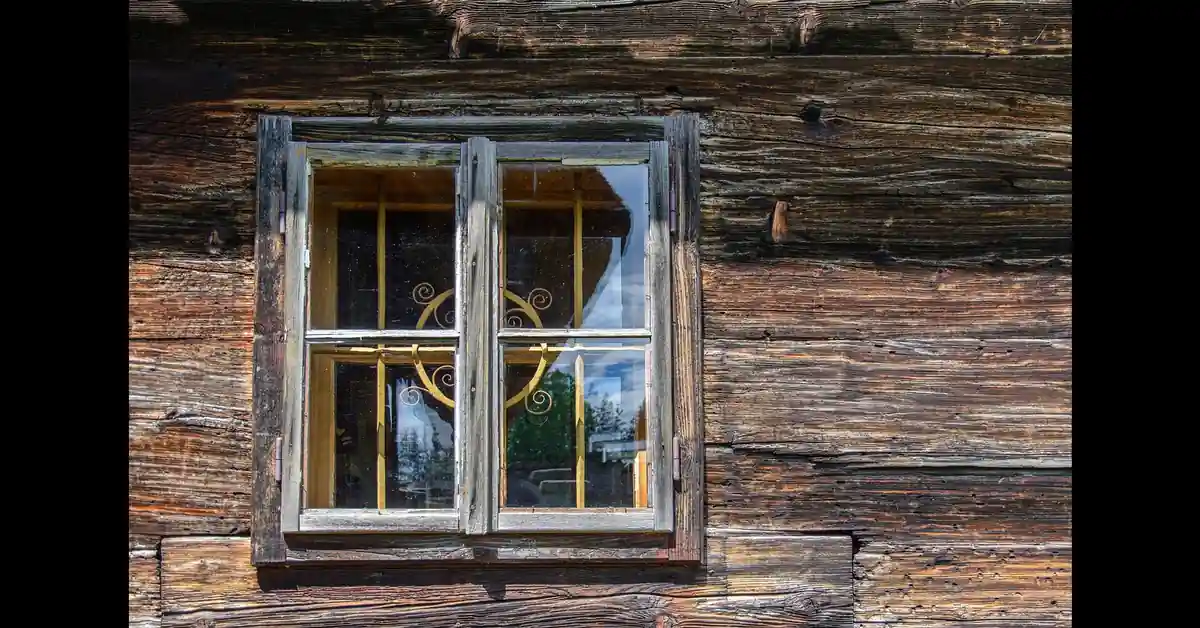
Wooden Window Calculator: Simplify Your Custom Window Costs
Are you planning to install new wooden windows in your home? A Wooden Window Calculator can help you design and budget your project. This tool makes it easy to figure out the cost and size of your windows. Let’s learn how to use this handy tool.
What is a Wooden Window Calculator?
A Wooden Window Calculator is a tool. It helps you estimate the cost and size of wooden windows. You can use it to find out how much wood you need. You can also figure out the total cost of the project.
Benefits Of Using A Wooden Window Calculator
- Saves time by providing quick estimates.
- Helps you budget your project effectively.
- Makes it easy to compare different window designs.
- Reduces the chance of errors in calculations.
How to Use a Wooden Window Calculator
Using a Wooden Window Calculator is easy. Follow these steps:
- Measure the size of your window opening.
- Input the measurements into the calculator.
- Select the type of wood you want to use.
- Choose any additional features like glass type or coatings.
- Get your estimate for the cost and materials needed.
Step-by-step Guide
| Step | Description |
|---|---|
| 1 | Measure the width and height of your window opening. |
| 2 | Enter these measurements into the Wooden Window Calculator. |
| 3 | Select the type of wood. Options include oak, pine, and mahogany. |
| 4 | Choose additional features. These can include double glazing or UV coatings. |
| 5 | Get your estimate. The calculator will show the cost and materials needed. |
Types of Wood for Wooden Windows
Different types of wood have different costs and properties. Here are some common types:
Oak
Oak is strong and durable. It has a beautiful grain. It is more expensive than other woods.
Pine
Pine is less expensive. It is softer than oak but still durable. It can be painted or stained easily.
Mahogany
Mahogany is very durable and resistant to rot. It has a rich, dark color. It is one of the more expensive options.
Fir
Fir, especially Douglas fir, sits between pine and oak on cost and durability. It has a straight, tight grain that takes stain well and holds up outdoors better than pine, though it still needs regular painting or sealing to resist moisture. Many window manufacturers use fir for exterior-grade sashes because it machines cleanly and resists warping better than most softwoods.
Additional Features for Wooden Windows
When designing your wooden windows, you can choose additional features. These can make your windows more efficient and attractive.
Double Glazing
Double glazing uses two panes of glass. This helps to insulate your home. It keeps heat in during winter and out during summer.
UV Coatings
UV coatings protect your windows from the sun. They reduce fading and damage to the wood. This extends the life of your windows.
How Wooden Window Pricing Actually Works
Behind every estimate, a wooden window calculator is really just multiplying a few cost drivers together. Understanding the math helps you sanity-check any number the tool gives you.
Size and Price Per Square Foot
Most suppliers price custom wood windows by the square foot, then add fixed costs for hardware and glazing. A basic pine window in a standard size often falls in the $200 to $450 range, while a comparable oak or mahogany window of the same size can run $500 to $900 or more. Custom shapes — arched tops, circles, or non-standard openings — typically add 20% to 40% to the base price because they require hand-fitting and produce more waste material.
Glazing Type
Single-pane glass is the cheapest option but offers almost no insulation. Double glazing (two panes with a sealed air or gas gap) is the current standard for most homes and typically adds $50 to $150 per window over single pane. Triple glazing adds a third pane and another insulating gas layer, pushing the added cost to $150 to $300 per window, but it meaningfully lowers heat loss in cold climates.
Hardware and Finish
Hinges, locks, weatherstripping, and balances for double-hung windows can add $30 to $100 per window depending on quality. Factory-applied paint or stain and UV-protective coatings typically add another 10% to 15% to the total cost — but skipping this step usually costs more later in repainting and wood repair.
Worked Example: Pricing A 36-By-48-Inch Window
Say you are budgeting a 36-inch by 48-inch (3 feet by 4 feet, or 12 square feet) pine window with double glazing and standard hardware. A rough calculation looks like this:
- Base pine window, standard size: roughly $250
- Double glazing upgrade: +$90
- Hardware (hinges, lock, weatherstripping): +$60
- Factory paint finish: +$35
Estimated cost: around $435 per window, before installation. Multiply that by the number of windows in your project, then add installation labor (see the budgeting mistakes below) to get a realistic total. Swapping pine for oak at the same size could push the base price alone to $550-$650, which is why wood species is usually the single biggest lever in any estimate.
Energy Efficiency: What U-Factor Means For Wood Windows
U-factor measures how much heat a window lets escape — the lower the number, the better the insulation. Ratings typically range from about 0.20 (excellent) to 1.20 (poor). Wood is a naturally poor conductor of heat compared to aluminum, which is part of why wood-framed windows often post better U-factors than aluminum-framed windows of the same glazing type, even before accounting for the glass itself.
For budgeting purposes, a single-pane wood window commonly lands around 0.90 to 1.10 U-factor, a double-glazed wood window around 0.30 to 0.50, and a triple-glazed wood window with a low-E coating can reach 0.20 to 0.30. If your calculator estimate does not separate out glazing performance, ask your supplier for the U-factor rating on any quote — a slightly higher upfront cost for better glazing often pays for itself in heating and cooling savings within a few years, especially in colder climates.
Wood Vs. Vinyl And Aluminum: Maintenance Considerations
A cost calculator shows the purchase price, but wood windows carry ongoing maintenance costs that vinyl and aluminum largely avoid. Budgeting for a wood window means budgeting for its upkeep too:
- Repainting or restaining: Exterior wood surfaces typically need repainting every 4 to 7 years, or restaining every 2 to 4 years, depending on climate exposure. Budget roughly $15 to $40 per window per cycle in materials alone if doing it yourself.
- Sealant and caulk checks: Annual inspection and re-caulking of joints helps prevent the moisture intrusion that is the leading cause of wood rot in window frames.
- Rot repair: Catching soft or discolored wood early keeps repairs limited to a sill or sash piece rather than a full frame replacement.
In exchange for this upkeep, wood offers better insulation, easier on-site repair (a damaged section can often be patched rather than replaced), and a look vinyl and aluminum cannot fully replicate. Vinyl and aluminum need far less maintenance but cannot be refinished if scratched or faded, and aluminum in particular conducts heat and cold far more readily than wood.
Common Mistakes When Budgeting For Wooden Windows
Forgetting Installation Labor
A calculator estimate usually covers materials only. Professional installation typically adds $150 to $400 per window depending on whether it is new construction or a retrofit into an existing opening, and whether trim, flashing, or structural framing work is needed.
Ignoring Finish And Paint Costs
Unfinished or primed-only windows look like a bargain until you add the cost of quality exterior paint or stain plus the labor to apply multiple coats. Factor this in upfront rather than treating it as an afterthought — as noted above, it typically adds another 10% to 15% to the project cost.
Measuring The Wrong Way
Measuring the visible glass opening instead of the full rough opening, or measuring an out-of-square opening as if it were square, is one of the most common and most expensive errors. Always measure width and height in three places each (top/middle/bottom, left/middle/right) and use the smallest measurement, since a window built too large will not fit.
Common Questions About Wooden Window Calculators
Here are some questions people often ask:
Do I Need To Be An Expert To Use The Wooden Window Calculator?
No, anyone can use it. It is designed to be user-friendly.
Can I Use The Calculator For Any Type Of Window?
Yes, it works for all types of wooden windows.
Will The Calculator Give Me An Exact Cost?
It gives an estimate. The actual cost may vary depending on your location and other factors.
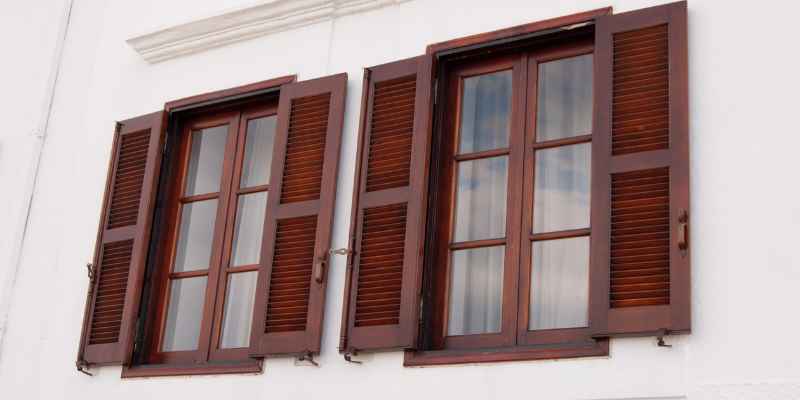
Frequently Asked Questions
What Is A Wooden Window Calculator?
A wooden window calculator helps estimate costs for custom wooden windows.
How Does A Window Calculator Work?
It calculates costs based on dimensions, wood type, and other specifications.
Why Use A Wooden Window Calculator?
Saves time and ensures accurate cost estimates for your project.
Can I Customize Window Dimensions?
Yes, you can input custom dimensions for precise calculations.
How Much Does A Custom Wooden Window Cost?
Custom wooden windows typically range from about $200 to $900 or more per window depending on wood species, size, and glazing type, before installation labor.
Are Wood Windows More Energy Efficient Than Vinyl?
Wood insulates better than aluminum and performs comparably to vinyl. Actual efficiency depends more on glazing type (single, double, or triple pane) and installation quality than on frame material alone.
How Often Do Wood Windows Need Maintenance?
Most wood windows need repainting or restaining every 2 to 7 years depending on climate exposure, plus periodic caulk and hardware checks, to prevent moisture damage.
Conclusion
A Wooden Window Calculator is a valuable tool. It helps you design and budget your wooden window project. By following simple steps, you can get an estimate for the cost and materials needed. This makes it easier to plan your project and avoid surprises. So, next time you are planning to install wooden windows, be sure to use a Wooden Window Calculator.
Check out these useful links for more information:
- Home Depot
- Lowe’s
- Woodworking Network
Sponsored / affiliate links. As an Amazon Associate I earn from qualifying purchases. I may earn additional commission from eligible campaigns.