How to Size a Chainsaw Bar: Expert Tips for Perfect Fit
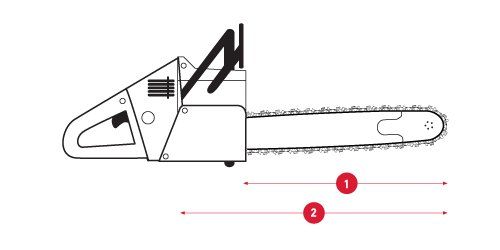
To size a chainsaw bar, measure the length from the tip to where it enters the saw. This gives you the cutting length.
It’s essential for performance and safety. Selecting the right chainsaw bar size ensures efficient and safe cutting. Too small a bar limits cutting depth, while a too-large one can strain the chainsaw and be hard to control. By understanding how to size a chainsaw bar, you can match it to your specific needs and tasks.
This guide will help you determine the correct size, providing you with the knowledge to enhance your chainsaw’s functionality and your overall cutting experience. Whether you’re a professional or a DIY enthusiast, knowing the right chainsaw bar size is crucial. Let’s dive into the details.
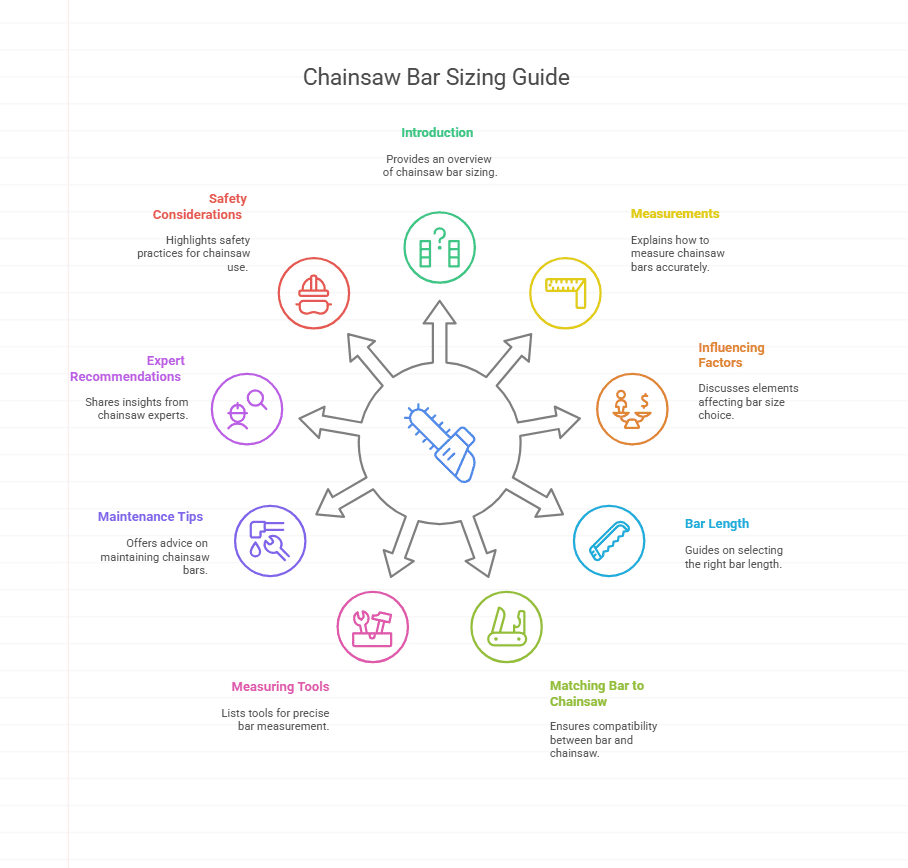
Introduction To Chainsaw Bar Sizing
Proper chainsaw bar size makes your work easy. It improves safety. A wrong size can cause problems. It may damage the chainsaw. It can hurt the user. Always check the manufacturer’s guide. It tells the right size. A proper size helps in better cutting. It saves time and effort. It keeps the chainsaw in good shape.
Many people choose the wrong size. They think bigger is better. This is not true. A big bar is hard to control. It can be dangerous. Some pick a small bar. It cannot cut thick wood. Always measure the old bar. Note the length. Compare it with the new one. Avoid guessing the size. It leads to mistakes.
Understanding Chainsaw Bar Measurements
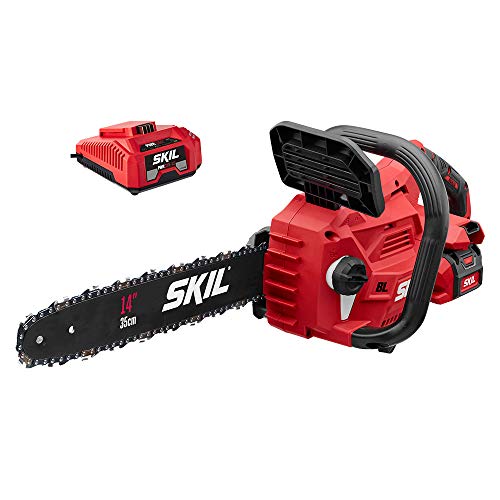
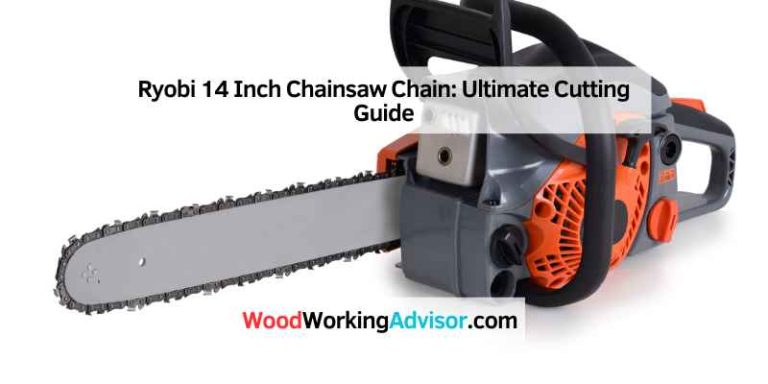
The bar length of a chainsaw is the distance from the tip of the bar to the chainsaw body. This measurement helps in cutting large or small logs. Longer bars cut bigger logs. Shorter bars are easier to handle. Choose the right bar length for your work type.
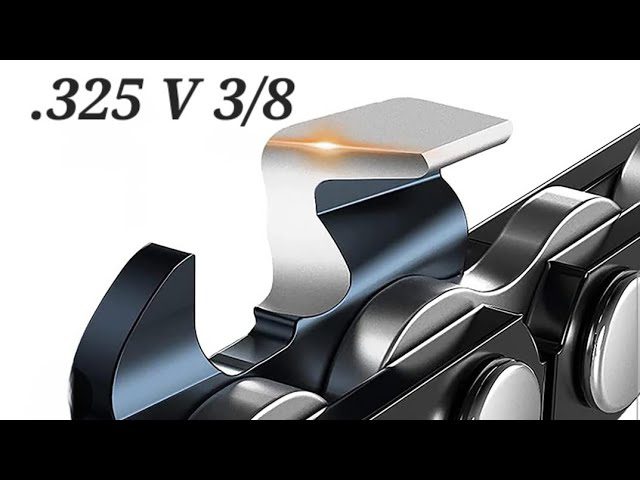
Pitch is the distance between chain links. Common pitches are 3/8 inch and .325 inch. Gauge is the thickness of the chain drive links. It must match the bar groove width. Popular gauges are .050 inch and .058 inch. Correct pitch and gauge keep chainsaw working well.
Factors Influencing Chainsaw Bar Size
The cutting task determines the bar size you need. Cutting small branches requires a shorter bar. Felling large trees needs a longer bar. Bar size impacts the control and effort required. Choose the right size for safety and efficiency.
The engine power affects the bar size. A more powerful engine can handle a longer bar. A smaller engine works best with a shorter bar. Ensure the engine and bar size match for optimal performance.

Credit: www.youtube.com
Choosing The Right Bar Length
Short chainsaw bars are lighter. They are easier to handle. Good for small jobs. Perfect for trimming trees. Ideal for cutting firewood.
Long chainsaw bars can cut big trees. They are heavier. Harder to control. Best for large projects. Useful for professional work.
For home use, choose a short bar. For professional use, pick a long bar. Short bars are safe for beginners. Long bars are for experts.
Matching The Bar To The Chainsaw
Always check your chainsaw’s manual. It gives the correct bar size. Manuals provide a range of sizes. Stick to this range. This ensures safety and performance. Using the wrong size can be dangerous. It may also damage the chainsaw.
Different brands have different needs. Always follow the manufacturer’s guidelines. This helps in getting the best results. It also extends the life of your chainsaw.
Ensure the bar fits well. Check the bar’s mount pattern. It should match the chainsaw. Also, the oil holes must align. This ensures proper lubrication. A good fit means smooth operation.
Test the bar and chain together. They must work well as a pair. Proper fitting reduces wear and tear. It also prevents accidents. Always do a final check before use.
Tools And Techniques For Measuring
First, gather a measuring tape. Ensure the chainsaw is off and safe. Place the tape at the base of the bar. Measure straight to the tip. Note this length. This is your chainsaw bar size. Simple and quick.
Calipers help measure bar thickness. Open the caliper jaws. Place them around the bar. Close them until they fit snugly. Read the measurement. This shows the bar’s width. Accurate and easy.
Maintenance Tips For Chainsaw Bars
Choosing the correct chainsaw bar size ensures efficient cutting. Measure the bar from the front of the saw to the tip. This helps match the bar size to your cutting needs.
Regular Inspection
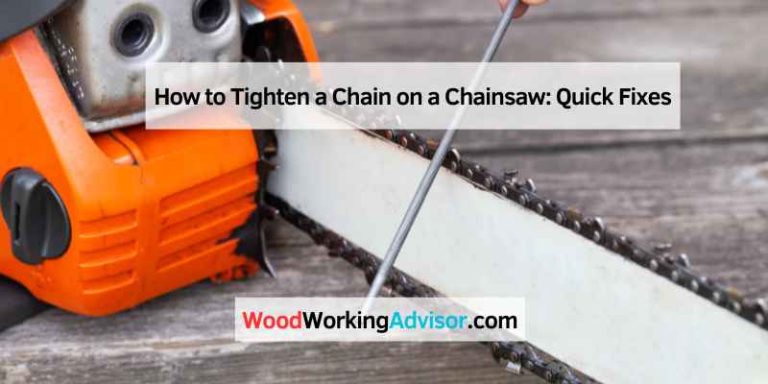
Check your chainsaw bar often. Look for wear and tear. Ensure the bar is straight. A bent bar can cause problems. Inspect the groove for debris. Clean it if needed. Check the chain tension. It should not be too loose or too tight. A well-maintained chainsaw bar works better and lasts longer.
Proper Lubrication
Oil the chainsaw bar regularly. Lubrication reduces friction. It helps the chain move smoothly. Use the right bar oil. Fill the oil reservoir before each use. Check the oil level often. A well-oiled bar prevents overheating. It also reduces wear. Proper lubrication ensures better performance.
Expert Recommendations
Some of the best chainsaw brands include Stihl, Husqvarna, and Echo. These brands offer various models suitable for different tasks. Stihl has a strong reputation for durability. Husqvarna is known for its cutting-edge technology. Echo focuses on user-friendly designs. Choose a model based on your needs. For light work, a shorter bar is ideal. For heavy-duty tasks, a longer bar is better.
Consulting with professionals is always wise. They can offer valuable tips on choosing the right size. They often suggest starting with a smaller bar. It’s easier to handle for beginners. Professionals also recommend checking the chainsaw’s weight. A lighter saw is easier to control. Always follow the manufacturer’s guidelines.
Safety Considerations
Choosing the right chainsaw bar size ensures safety and efficiency. A shorter bar provides better control, reducing the risk of accidents. Always wear protective gear and maintain your chainsaw properly.
Personal Protective Equipment
Always wear protective gear when using a chainsaw. This includes gloves to protect your hands. Safety glasses or goggles are vital to shield your eyes. Ear protection is needed to prevent hearing loss. A helmet can protect your head from falling branches. Chainsaw chaps or pants are important to prevent injuries to your legs.
Safe Operating Practices
Always check your chainsaw before use. Ensure it is in good condition. Never use a chainsaw alone; have someone nearby. Do not operate a chainsaw in bad weather. Keep your work area clear of obstacles. Plan your cuts before starting. Always maintain a firm grip on the chainsaw. Stand stable while cutting. Avoid kickback by keeping the saw tip away from objects.
Credit: accstorefront.cffccozkow-oregontoo1-p1-public.model-t.cc.commerce.ondemand.com
Frequently Asked Questions
How Do I Know What Size Chainsaw Bar I Need?
Measure the chainsaw bar from the tip to where it enters the saw. Check the user manual for recommended sizes.
Can I Put An 18 Inch Bar On A 16 Inch Chainsaw?
No, you cannot put an 18-inch bar on a 16-inch chainsaw. The chainsaw’s engine and sprocket are designed for specific bar sizes. Using an incorrect size can damage the chainsaw and pose safety risks. Always follow the manufacturer’s recommendations for bar and chain sizes.
How To Measure Chainsaw Chain Pitch Without Ruler?
Use a coin to measure the distance between three consecutive rivets. Divide the measurement by two.
How Do I Tell What Size Chainsaw Chain I Have?
Measure the chain’s pitch, gauge, and the number of drive links. Check the user manual or chain markings.
Conclusion
Choosing the right chainsaw bar size is crucial for your safety. Measure your chainsaw bar properly. This ensures your tool works efficiently. Remember, a well-sized bar makes cutting tasks easier. It also helps extend the lifespan of your chainsaw. Follow the steps outlined in this guide.
You’ll find the perfect fit every time. Happy cutting and stay safe!