How to Stop an Ash Tree Growing: Expert Tips
Are you struggling with an ash tree that just won’t stop growing in your yard? Perhaps you planted it with the best intentions, but now it’s taking over more than its fair share of space.
You’re not alone, and the good news is there are effective ways to manage its growth without resorting to drastic measures. Imagine transforming your garden into the serene space you’ve always wanted, free from the overpowering shadow of that towering ash tree.
In this guide, you’ll discover practical tips and strategies that can help you regain control of your outdoor space. Your peace of mind and ideal garden are just a few steps away. Curious to learn more? Let’s dive into the solutions that can make this vision a reality.
Identifying Ash Trees
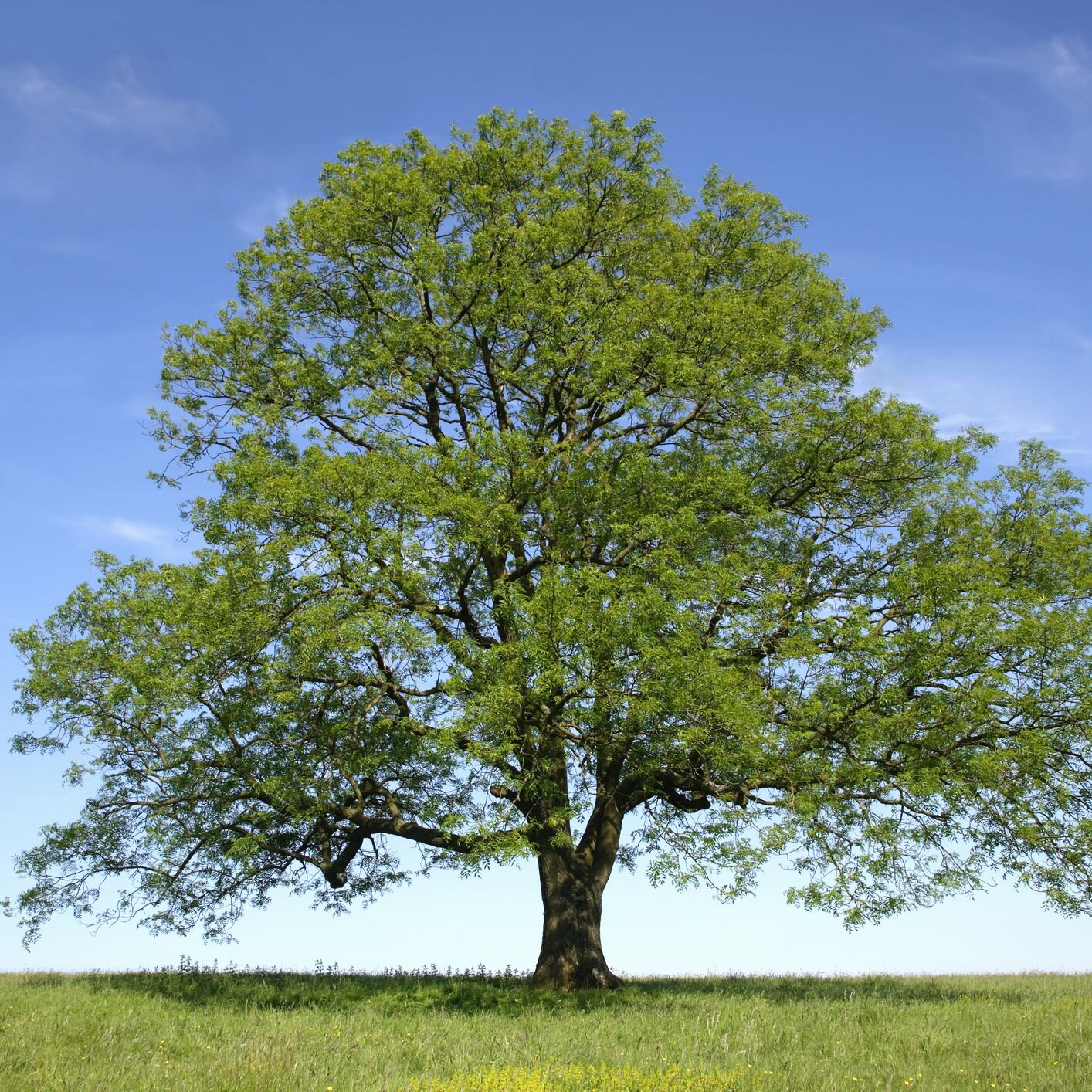
Ash trees have some special features. They usually have long, slender branches. Their leaves are made up of smaller leaflets. These leaflets are arranged in pairs. The bark of an ash tree is often gray and has ridges. In spring, ash trees produce small, purple flowers. These flowers do not have petals. Ash trees grow fast and can become very tall. Many animals like to live in ash trees. They provide shade and are often found in parks.
| Variety | Description |
|---|---|
| White Ash | Tall with smooth bark. Leaves turn purple in fall. |
| Green Ash | Grows in wet areas. Has shiny green leaves. |
| Black Ash | Prefers cold areas. Bark is corky and soft. |
Credit: www.72tree.com
Understanding Growth Patterns
The ash tree usually grows fast. It can grow up to 80 feet tall. Each year, it might grow 2 feet. Young ash trees grow even faster. They need lots of sun and water. Good soil helps them grow well. If they grow too tall, they might fall. Wind can break their branches.
Overgrown ash trees can be dangerous. Their branches might fall. They can block sunlight. The tree might lean to one side. Leaves might look crowded. Overgrown roots can lift sidewalks. Watch for cracks in the ground. Roots can damage pipes underground. It’s important to trim the tree often.
Reasons To Control Growth
Ash trees grow very fast. They can crowd out other plants. This affects the balance of the ecosystem. Birds and insects might lose their homes. It can change the soil nutrients. Too many ash trees can reduce biodiversity. This makes the area less healthy. Controlling growth helps other species survive. It keeps the ecosystem balanced and thriving. Healthy ecosystems support animals and plants.
Ash trees can damage property. Their roots grow very deep. They can crack sidewalks. Roots might damage pipes underground. Leaves and branches create extra work. Fallen leaves need cleaning. Large branches may break during storms. This can be dangerous. Trimming trees prevents these problems. It keeps property safe and clean. Regular maintenance saves time and money. It keeps landscapes neat and tidy.
Pruning Techniques
Proper tools make pruning easier. Pruning shears are great for small branches. Use lopping shears for thicker branches. A pruning saw works best for large limbs. Keep tools sharp for clean cuts. Clean tools prevent disease spread. Gloves protect hands from injury. Always wear safety goggles to shield your eyes. A sturdy ladder helps reach high branches.
Prune ash trees in late winter. Trees are dormant then. This prevents sap loss. Winter pruning helps shape the tree. It encourages healthy growth. Avoid pruning in spring. New growth can be damaged. Always check for broken branches. Remove them to keep the tree healthy. Regular pruning keeps the tree in good shape.
Using Growth Inhibitors
Chemicals can help stop ash trees from growing too tall. Tree growth regulators slow down growth. These chemicals are put on the soil near the tree. They enter the roots and stop growth. They do not kill the tree but keep it small. Safety is important when using these chemicals. Wear gloves and follow instructions carefully. Always read the label before use. Some chemicals can be harmful to animals.
Nature offers solutions to control tree growth. Trimming branches often keeps trees small. Cut branches that grow too tall. This makes the tree stay short. Using mulch around the tree roots can help too. Mulch stops new growth. It covers the soil and blocks sunlight. Less light means less growth. Watering less can also slow down growth. Trees need water to grow. Giving them less water can help keep them small.
Soil Management
Ash trees need nutrients to grow big and strong. Reducing these nutrients can help manage their growth. Avoid using fertilizers near the tree. This limits their access to extra food. Grass and other plants can compete with the tree for nutrients. Let them grow around the base of the tree.
Ash trees like water to grow. Reducing water can slow their growth. Do not water the tree often. Ensure proper drainage around the tree. This prevents water from staying near the roots. A dry environment helps control tree growth.
Root Management Strategies
Installing a root barrier can stop ash tree roots from spreading. These barriers are made of strong material. They block roots from growing further. Dig a trench around the tree. Place the barrier in the trench. Make sure it is deep enough to block the roots. This method controls the tree’s growth. It keeps roots away from unwanted areas. Use barriers made of plastic or metal. They are the most effective for this purpose.
Pruning roots is another way to manage growth. Use sharp tools to trim the roots. Cut only the roots that spread too far. Be careful not to harm the tree. Prune during the dormant season. This is when the tree is not actively growing. Keep the cuts clean and smooth. This helps the tree heal quickly. Regular pruning keeps the tree in check. It prevents roots from causing problems.
Monitoring And Maintenance
Inspecting ash trees often keeps them healthy. Look for signs of disease. Check for broken branches and pests. Trim any dead branches. This helps the tree stay strong.
Inspect the roots too. Make sure they are not damaged. Healthy roots mean a healthy tree. Use proper tools for inspection. Ask an expert if unsure.
Water ash trees regularly. Water helps them grow well. Do not overwater. Too much water is bad for the roots.
Mulch around the tree base. Mulch keeps moisture in the soil. It also protects roots from extreme weather.
Fertilize during the growing season. Use a balanced fertilizer. Follow instructions on the package. Proper care leads to strong and healthy trees.
Credit: www.treekc.com
Frequently Asked Questions
What Will Kill An Ash Tree?
Emerald ash borer, a beetle, kills ash trees by feeding on their inner bark. Ash dieback, a fungal disease, also poses a threat. Regular monitoring and treatment can help manage these threats effectively.
How Do You Reduce The Height Of An Ash Tree?
Reduce ash tree height by pruning the upper branches during dormant season. Use sharp tools for clean cuts. Avoid excessive cutting to prevent tree stress. Consult an arborist for large trees to ensure safety. Regular maintenance helps control growth effectively.
Should I Let An Ash Tree Grow?
Yes, ash trees are beneficial for wildlife and provide shade. Ensure regular checks for emerald ash borer infestations. Healthy ash trees enhance landscapes and contribute to biodiversity. Consider consulting an arborist for tree care advice. Proper maintenance ensures robust growth and longevity.
How To Get Rid Of Ash Tree Sprouts?
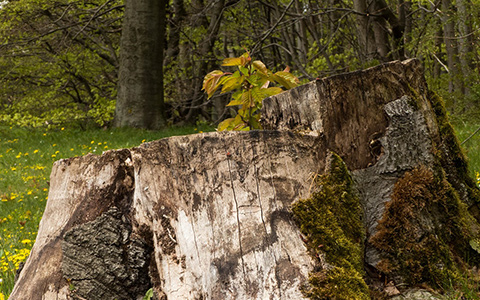
Remove ash tree sprouts by cutting them at the base. Apply an appropriate herbicide for effective control. Regularly monitor and repeat the process as needed. Maintain your landscape to discourage regrowth. Proper care helps prevent future sprouting.
Conclusion
Stopping an ash tree from growing takes careful planning. Start with a good strategy. Use regular maintenance to control its size. Pruning is key for managing growth. Regular checks prevent unwanted spread. Consider professional help for big trees. It’s important to follow local guidelines.
Keep safety in mind during tree removal. Regular action stops future growth. Understanding the process helps in effective management. Make informed decisions for best results. Your landscape will thank you. A controlled environment keeps your garden healthy. Enjoy a beautiful, safe space.