Does Ash Wood Have Knots? Grain and Texture Explained
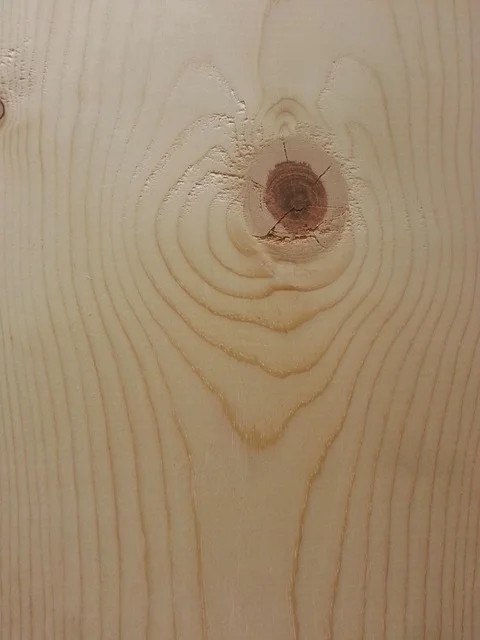
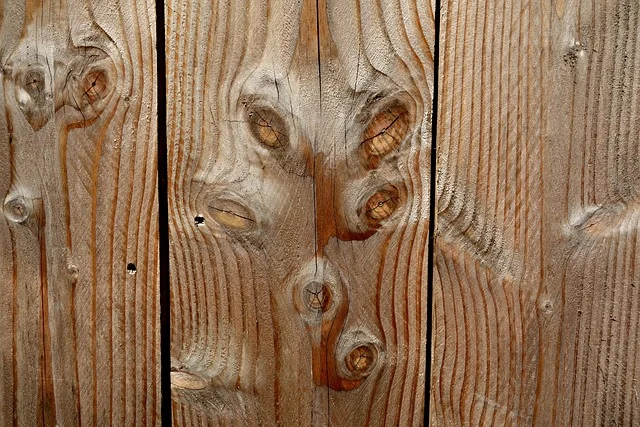
Yes, ash wood has knots – every tree grows branches, and every knot is simply the cross-section of where a branch met the trunk. Whether the board in front of you shows many knots or almost none comes down to the grade you’re buying, not some special knot-free property of ash as a species. Ash is a ring-porous hardwood with a coarse, open grain similar to oak, and clear (knot-free) grades exist right alongside heavily knotted construction-grade boards from the same tree.
Why Grade Matters More Than Species
Best for Filling Knot Holes
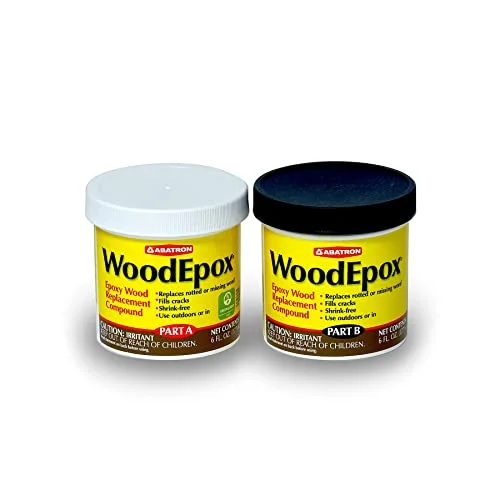 |
Abatron WoodEpox 2-Part Epoxy Filler Unlike standard wood putty, this cures rock-hard and won’t shrink out of a loose or fallen-out knot hole.
|
Lumber grading exists specifically because knots vary so much within the same species. FAS (First and Seconds) and Select grades are cut from the clearest, most knot-free sections of the log and cost significantly more per board foot. Common grades (No. 1 Common, No. 2 Common) intentionally include boards with sound knots, since they’re priced for projects where a knot-free surface isn’t required. If you want minimal knots in ash, you buy a higher grade – you don’t need a different species.
Ash’s Real Texture: Coarse and Open-Grained
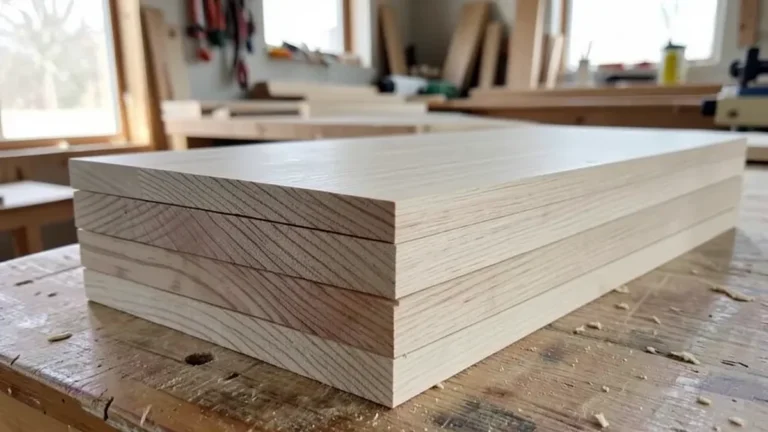
Ash is often described online as having a “smooth” texture, but that’s not accurate – ash is a ring-porous hardwood with large, visible pores similar to oak, giving it a coarse, open-grained feel rather than a fine, smooth one. Where ash does stand out is its grain pattern: typically straight and consistent, which makes it predictable to work with even though the surface itself has real texture you can feel and see, especially before finishing fills the pores.
Sound Knots vs. Loose Knots
- Sound (tight) knots are fully intergrown with the surrounding wood fiber and structurally stable – they add visual character without meaningfully weakening the board for most furniture and craft uses.
- Loose knots have started to separate from the surrounding wood and can fall out entirely, leaving a hole that needs filling before finishing.
- Encased knots are surrounded by bark rather than intergrown wood fiber – these are the most likely to eventually loosen and fall out over time.
Working With Knotty Ash
- Use sharp, carbide-tipped blades and bits – knots are significantly denser than surrounding wood and dull standard edges fast.
- Slow your feed rate when a cut approaches a knot to avoid tearout or chipping.
- Seal knots with a shellac-based sealer before painting – unsealed knots can bleed resin through paint over time, showing as a yellow-brown stain months later.
- Fill loose or missing knots with a two-part epoxy filler rather than standard putty, which can shrink and pop out of a larger void.
- Sand knot areas separately from surrounding wood – the density difference means a knot often needs different sandpaper pressure to blend evenly.
Ash vs. Oak vs. Pine: Real Differences
| Wood | Grain Texture | Typical Knot Frequency | Common Uses |
|---|---|---|---|
| Ash | Coarse, open, ring-porous | Grade-dependent, same as most hardwoods | Tool handles, baseball bats, furniture |
| Oak | Coarse, open, ring-porous (similar to ash) | Grade-dependent | Furniture, flooring, cabinetry |
| Pine | Fine, soft, resinous | Common even in higher grades, especially knotty pine | Construction framing, rustic furniture |
Pine genuinely does show knots more consistently across grades than hardwoods like ash and oak, since pine is a softwood harvested faster and more knots survive into finished lumber even at decent grades. But within ash and oak specifically, knot frequency is a grading question, not a species difference – the two are much closer to each other in this respect than either is to pine.
Why Ash Is the Classic Choice for Tool Handles and Bats
White ash’s combination of strength, moderate weight, and elasticity is exactly why it became the traditional wood for axe handles, hammer handles, and baseball bats. That elasticity matters more than raw hardness for these uses – a tool handle or bat needs to absorb shock and flex slightly under impact without snapping, and ash’s long, straight fibers do this better than denser but more brittle woods. For this specific application, a knot in the wrong spot is a genuine defect rather than just a cosmetic issue, since a knot interrupts the long fiber runs that give ash its shock-absorbing property – which is why bat-grade and tool-handle-grade ash is graded even more strictly for knots and grain runout than furniture-grade ash.
What to Check When Buying Ash Lumber
- Ask for the grade explicitly. “Ash” alone tells you the species, not what you’ll actually receive – always confirm FAS, Select, or a Common grade before buying.
- Inspect knots for soundness in person when possible. Press on visible knots; a sound knot won’t move, while a loose one will show slight give.
- Check moisture content if buying rough lumber. Ash that hasn’t been properly kiln-dried is more prone to warping later, independent of its knot content.
- Consider your actual project before paying for clear grade. A rustic shelf or accent piece doesn’t need FAS-grade knot-free ash; save the premium grade for projects where uniform appearance genuinely matters. – the price difference between grades is real and adds up fast on a full project’s worth of lumber.
The Emerald Ash Borer and What It Means for Ash Supply
The emerald ash borer (Agrilus planipennis) is an invasive beetle first detected in Michigan in 2002 that has since killed tens of millions of ash trees across North America, and it continues to spread into new regions. The larvae feed on the tissue just under the bark that transports water and nutrients, effectively girdling and killing the tree from the inside over a few years. This has real, practical consequences for woodworkers: standing dead ash from borer damage is often salvaged and sold specifically because so much of it is available, but that salvaged wood can have blue-gray staining from the fungus that follows borer damage, along with tunneling patterns (called galleries) visible just under the bark. Some woodworkers specifically seek out this “ambrosia” or borer-damaged ash for its unique figure, while others avoid it for structural applications since the wood can be more brittle by the time it’s harvested. Either way, it’s worth asking a supplier whether ash lumber came from borer-killed trees, since that affects both appearance and structural properties independent of the knot and grade questions covered above.
Finishing Ash to Handle or Hide Knots
Ash’s open pores (the same trait that gives it its coarse texture) take stain unevenly if you skip a pre-stain wood conditioner, and this unevenness is often more noticeable right around knots, where the grain direction shifts. A pre-stain conditioner evens out absorption before you apply color, which matters more on ash than on tighter-grained woods like maple. If you want to actually highlight knots rather than minimize them, a clear finish like polyurethane or lacquer showcases the natural contrast between a knot’s dark, dense center and the surrounding lighter grain – the opposite goal of the conditioner-and-stain approach, so decide which look you want before you start finishing. Test both approaches on an offcut from the same board, since the right call really does depend on how prominent your particular knots are.
Frequently Asked Questions
What are the knots in ash wood?
Knots are the cross-section of a branch base embedded in the trunk. Sound knots are fully intergrown and structurally stable; loose or encased knots can separate and fall out, leaving a hole.
How can you tell if wood is ash?
Ash has a pale, creamy to light brown color, a straight grain, and a coarse, open-pored texture similar to oak. It’s notably strong and slightly elastic, which is why it’s the traditional choice for tool handles and baseball bats.
What type of wood has knots in it?
Every wood species can have knots, since every tree grows branches. Pine and cedar show knots more consistently across all grades; hardwoods like ash and oak show knots according to the grade purchased, with clear grades being knot-free.
What is the disadvantage of ash wood?
Ash is vulnerable to moisture absorption and can warp or swell in damp conditions if not properly finished. It’s also, unfortunately, under serious threat from the emerald ash borer, an invasive beetle that has killed tens of millions of ash trees in North America, affecting future supply.
Conclusion
Ash wood has knots the same way any lumber does – the count you see depends on the grade you buy, not a special property of the species. Choose a clear grade for a knot-free look, or embrace common-grade ash’s sound knots for a more rustic, character-filled piece. Either way, ash’s real strength lies in its grain, elasticity, and strength – the knot count is a cosmetic and grading detail, not a defect in the wood itself.
Sponsored / affiliate links. As an Amazon Associate I earn from qualifying purchases. I may earn additional commission from eligible campaigns.