How to Store Chainsaw: Proven Leak-Proof
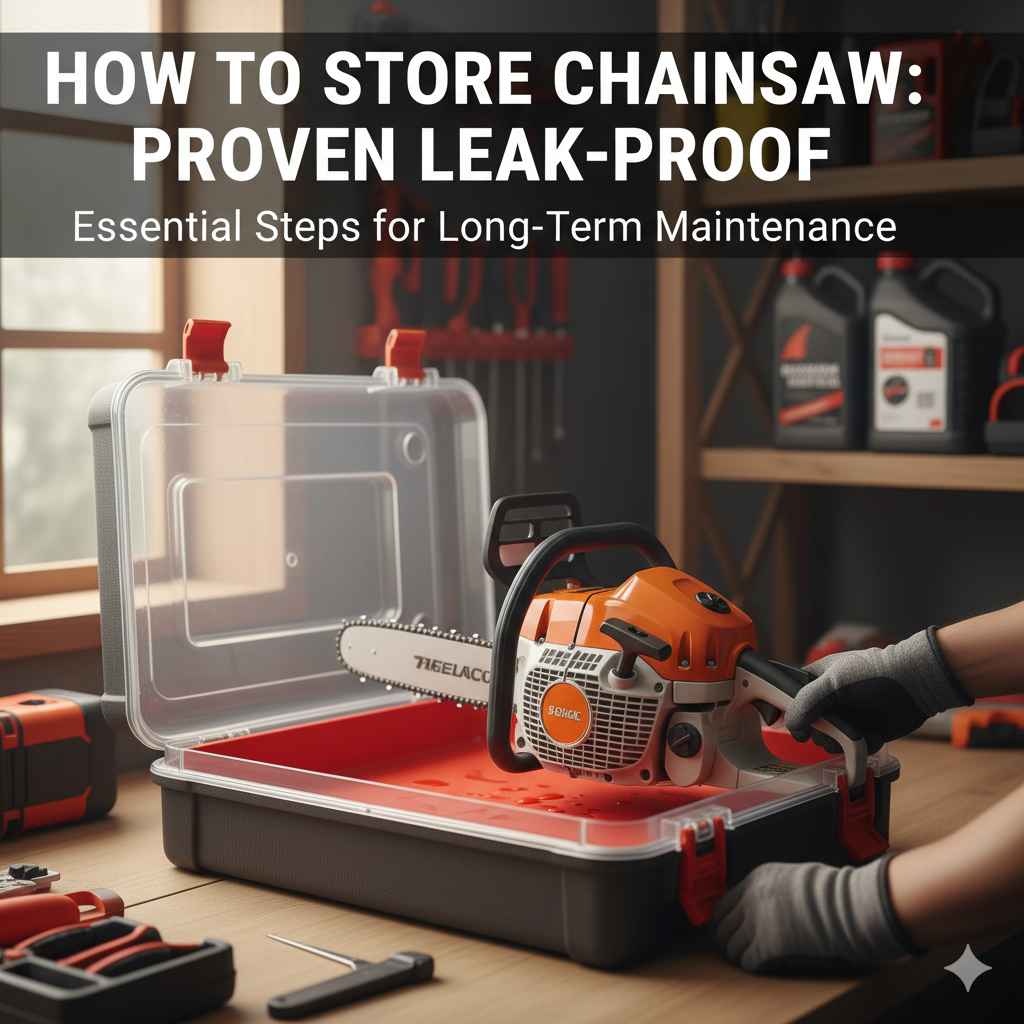
Store your chainsaw leak-proof by ensuring the fuel and bar oil tanks are empty or properly sealed. Use a dedicated chainsaw case or a sturdy plastic tote with a tight lid. Always store it in a cool, dry, well-ventilated area away from heat sources and out of reach of children.
As a fellow woodworking enthusiast and DIYer, I know that a chainsaw is a powerful tool. But sometimes, storing it can be a messy business. Ever open your shed and find a sticky, oily mess? It’s a frustrating problem that can make your tool look neglected and even damage your storage space. But don’t worry! With a few simple steps and the right approach, you can keep your chainsaw stored securely, preventing any annoying leaks. Let’s dive in, and I’ll show you exactly how to keep your prized saw clean and ready for action.
Why Leak-Proof Storage Matters
Proper storage isn’t just about keeping things tidy; it’s crucial for several reasons. For starters, fuel and bar oil are designed to lubricate and power your saw. When they leak, they don’t just make a mess; they can degrade surfaces, attract dirt, and potentially be a hazard. Imagine stepping on a patch of spilled bar oil – not a pleasant experience! Beyond the mess, leaks mean you’re losing valuable fuel and oil, costing you money. Then there’s safety: flammable fuel vapors can accumulate in poorly sealed containers or areas, creating a fire risk. Plus, keeping your chainsaw in good condition ensures it’s always ready when you need it for that next project.

Understanding Chainsaw Fluids: The Culprits of Leaks
Before we get to the solutions, let’s quickly talk about what usually causes those messy leaks. Chainsaws use two primary fluids: fuel and bar oil. Each has a different purpose and requires specific handling.
- Fuel: This is typically a mix of gasoline and 2-stroke oil (if your saw is gas-powered). It’s highly flammable and can degrade plastics and rubber over time if spilled. Evaporation is also a factor, especially if stored long-term.
- Bar Oil: This is a thicker, tackier oil designed to lubricate the guide bar and chain as they move rapidly. It’s less volatile than gasoline but can become very sticky and hard to clean up if it leaks.
Step-by-Step Guide to Leak-Proof Chainsaw Storage
Now, let’s get down to how you can store your chainsaw so that it stays completely leak-proof. We’ll cover both short-term and long-term storage. For the most effective results, try to follow these steps carefully.
Step 1: Prepare Your Chainsaw for Storage
This is the most critical step. What you do before putting the saw away will determine how leak-proof it is.
Option A: Emptying the Fuel Tank (Recommended for Long-Term Storage)
If you’re storing your chainsaw for more than a month, it’s best to empty the fuel tank. This prevents the fuel from degrading and gumming up the carburetor, which can lead to starting problems. It also eliminates the risk of fuel leaks.
- Gather Supplies: You’ll need a clean, approved fuel container, a funnel, and some rags.
- Locate the Fuel Cap: It’s usually on top of the saw.
- Position Your Saw: Place the chainsaw on a stable surface. You might want to put some rags underneath it just in case of drips.
- Drain the Fuel: Using your funnel, carefully pour the fuel from the saw’s tank into your approved fuel container. Tilt the saw slightly to ensure you get as much out as possible.
- Run the Engine (Optional but recommended): If your saw has an anti-vibration system and you can do so safely outside, start the engine and let it run until it sputters and dies. This will use up most of the remaining fuel in the fuel lines and carburetor, further reducing the risk of gumming and leaks. Make sure to do this in a well-ventilated area away from any ignition sources.
For more detailed information on fuel management and maintenance, you can refer to resources like the FEMA chainsaw safety guidelines, which often touch upon proper tool upkeep.
Option B: Securely Sealing Even with Fuel (For Short-Term Storage)
If you plan to use your chainsaw within a couple of weeks, you might leave fuel in the tank. However, you still need to prevent leaks, especially if the saw will be moved or stored on its side.
- Ensure Fuel Cap is Tight: Double-check that your fuel cap is screwed on as tightly as possible. Listen for a click if it has a locking mechanism.
- Wipe Down Caps: Clean any fuel residue from around the fuel cap before sealing.
- Consider a Fuel Stabilizer: For storage periods of 2-4 weeks, adding a fuel stabilizer can help prevent fuel degradation, though it doesn’t eliminate the leak risk entirely.
Step 2: Address the Bar Oil
Bar oil is another common source of leaks. Unlike fuel, you usually don’t need to empty it for short-term storage.
- Check the Bar Oil Level: Ensure the bar oil tank isn’t completely full. A slightly less-than-full tank is less likely to bulge and leak from the cap under pressure or temperature changes.
- Tighten the Bar Oil Cap: Just like the fuel cap, ensure the bar oil cap is screwed on very tightly. Wipe any residue from around the cap.
- Position the Saw to Minimize Oil Leakage: When storing, try to position the saw so the bar oil cap is facing upwards. This is the most effective way to prevent minor drips from the cap if it isn’t perfectly sealed.
- Consider Emptying for Long-Term Storage: If storing for several months (over 6 months), you might consider emptying the bar oil tank. However, most modern bar oils are formulated to be stable for extended periods. The main concern is a loose cap.
Step 3: Clean Your Chainsaw
A clean chainsaw is less likely to have issues with dirt and debris interfering with seals or causing damage.
- Wipe down the exterior of your chainsaw with a clean rag.
- Remove any sawdust, wood chips, or sap from the chain, bar, and body.
- Pay attention to areas around the fuel and oil caps.
Step 4: Choose the Right Storage Container
The container you choose is key to preventing leaks and protecting your saw.
Option A: Dedicated Chainsaw Cases
These are often the best option. They are designed to fit a specific saw model (or range of models) and usually have features to keep it secure.
- Pros: Custom fit, durable, often have secure latches, protect the saw and bar from damage, help contain any minor spills.
- Cons: Can be expensive, might not fit all saw brands/models.
Option B: Sturdy Plastic Totes with Tight-Fitting Lids
If a dedicated case isn’t an option, a robust plastic storage tote can work well. Look for one that:
- Is large enough to comfortably fit your chainsaw without forcing it.
- Has a robust, secure lid with latches or clips that seal tightly.
- Is made of durable plastic that won’t crack easily.
- Tip: Place some absorbent material (like old towels or shop rags) at the bottom of the tote. This acts as a secondary containment for any minor drips that might escape the saw itself.
Option C: Original Packaging (If Sturdy)
If your chainsaw came in a very strong cardboard box that you can easily reseal, it might suffice for shorter periods, especially if you also place it inside a larger plastic tote for added protection and containment.
Step 5: Position and Secure the Chainsaw in its Container
Once you have your container, it’s time to place the saw inside.
- Orientation is Key: Always try to place the chainsaw so that the fuel and bar oil caps are facing upwards. If the container allows, store it horizontally with caps on top.
- Secure the Saw: If using a dedicated case, follow its design for securing the saw. In a tote, ensure the saw is snug and won’t shift around. Use packing material or old blankets if needed, but avoid anything flammable like petroleum-soaked rags.
- Close and Latch Tightly: Ensure the lid is closed securely and all latches are engaged. Run your hand around the seal to check for gaps.
Step 6: Choose the Right Storage Location
Where you store the sealed chainsaw is just as important as how you seal it.
- Cool and Dry: Avoid extreme temperatures. Heat can cause fuel and oil to expand, potentially forcing seals to weaken or leak. Cold can make plastics brittle. A stable, moderate temperature is best.
- Well-Ventilated: This is especially important if you opted to store with fuel in the tank. Good airflow helps dissipate any fuel vapors that might escape, reducing fire risk.
- Out of Reach of Children and Pets: Chainsaws are dangerous tools. Always store them securely where they cannot be accessed by unauthorized individuals.
- Away from Ignition Sources: Never store fuel or fueled equipment near sparks, open flames, pilot lights, or electrical appliances that could spark.
- On a Stable Surface: Ensure the storage area is level and won’t be knocked over.
Maintaining Readiness: Short-Term vs. Long-Term Storage
The approach to storage can differ based on how long you’ll be keeping your chainsaw idle.
Short-Term Storage (Less than 1 Month)
For periods of a few days to a few weeks, the focus is on preventing immediate leaks and keeping dust off.
- Fuel: Can remain in the tank if caps are tight.
- Bar Oil: Ensure cap is tight and ideally facing upwards.
- Container: A dedicated case or a well-sealed tote is ideal.
- Location: Garage, shed, or workshop corner, away from direct sun and heat.
Long-Term Storage (More than 1 Month)
This is where more thorough preparation is needed to protect the saw’s internal components and prevent leaks.
- Fuel: Empty the fuel tank completely. Consider running the engine dry to clear the carburetor.
- Bar Oil: While not strictly necessary to empty, ensure cap is super tight. For very long dormancy (over a year), emptying can prevent gumming of the oil pump mechanism.
- Cleaning: Thoroughly clean the saw.
- Container: A robust case or tote is a must. Consider placing the saw in a heavy-duty plastic bag inside the tote for an extra layer of protection against dust and potential slow leaks.
- Location: Cool, dry, dark, and well-ventilated is crucial.
Proper maintenance, including storage, is vital for your chainsaw’s longevity. For more on this, the US Forest Service often provides excellent, safety-focused information on equipment care.
Common Mistakes to Avoid
Even with the best intentions, beginners can make a few common mistakes when storing their chainsaws.
- Storing on its side with fuel/oil: This is the prime setup for leaks from loosely sealed caps.
- Not tightening caps fully: A slight turn can make a big difference.
- Using flimsy containers: Thin plastic or cardboard can fail, leading to spills and damage.
- Storing in direct sunlight or heat: This expands fluids and weakens plastics and seals.
- Forgetting about the bar oil: Many people focus only on the fuel, but bar oil can be just as messy.
Tool Checklist for Leak-Proof Storage Prep
Having the right items on hand makes the process smooth.
- Clean Rags or Shop Towels
- Approved Fuel Container (for draining fuel)
- Funnel
- Sturdy Plastic Tote or Dedicated Chainsaw Case
- Optional: Absorbent Pads or Old Towels (for bottom of tote)
- Optional: Fuel Stabilizer (for short-to-medium term storage with fuel)
- Optional: Gloves (to keep hands clean)
Preventative Maintenance for Sealing Surfaces
The seals on your fuel and oil caps are vital. Over time, they can become worn or cracked.
- Inspect Regularly: Before and after storage, check the rubber or plastic seals on your caps. If they look cracked, brittle, or damaged, it’s time for replacements.
- Clean the Sealing Area: Ensure the area on the saw where the cap attaches is clean and free of debris. This helps create a better seal.
- Replace Worn Caps: If a cap itself is damaged or doesn’t seem to make a good seal, replace it. These are relatively inexpensive parts that are crucial for leak-proof storage. You can usually find replacements at your local hardware store or online.{#ref-1}

Summary Table: Storage Methods & Best Practices
Here’s a quick reference guide:
| Storage Duration | Fuel Tank | Bar Oil Tank | Container | Location Considerations |
|---|---|---|---|---|
| Short-Term (Up to 1 Month) | Leave in, ensure cap is very tight. | Ensure cap is very tight. Position cap upwards if possible. | Dedicated Case or Tightly Sealed Tote. | Cool, dry, out of direct sun. |
| Long-Term (1-6 Months) | Empty tank and carb (run dry). | Ensure cap is very tight; consider emptying if storing longer. | Dedicated Case or Tightly Sealed Tote with absorbent base. | Cool, dry, well-ventilated, stable temperature. |
| Very Long-Term (6+ Months) | Empty tank and carb thoroughly. | Empty tank to prevent gumming of oil pump. | Dedicated Case or Durable Tote, possibly with inner plastic bag. | Stable, cool, dry, dark, well-ventilated environment. |
{#ref-1} Always refer to your chainsaw’s owner’s manual for specific recommendations and part numbers. Manufacturers like STIHL and Husqvarna offer detailed guides for their products.
Frequently Asked Questions (FAQ)
Q1: Can I store my chainsaw with mixed fuel in it for a few weeks?
A: Yes, for short periods (up to 2-4 weeks), you can usually store a chainsaw with mixed fuel. However, you must ensure the fuel cap is very tightly sealed to prevent leaks. For longer storage, it’s best to empty the fuel tank and run the engine until it stops to clear the carburetor.
Q2: How do I prevent bar oil from leaking out?
A: The most effective way to prevent bar oil leaks is to ensure the bar oil cap is screwed on as tightly as possible. If possible, store the chainsaw so the bar oil cap is oriented upwards. For long-term storage, emptying the tank is an option, but usually a tight cap is sufficient.
Q3: What if my chainsaw is old and the caps don’t seal well?
A: If your caps don’t seal tightly, it’s crucial to replace them. Inspect the rubber or plastic seals for cracks or damage. You can usually find replacement caps at your local hardware store, outdoor power equipment dealer, or online by searching for your chainsaw’s make and model. A good seal is vital for leak-proof storage.
Q4: Is it okay to store my chainsaw on its side?
A: It’s generally not recommended to store a chainsaw on its side if it contains fuel or bar oil, especially if the caps aren’t perfectly sealed. If you must store it on its side for a very short period with full tanks, ensure the caps are exceptionally tight and consider placing it inside a secondary container that can catch spills.