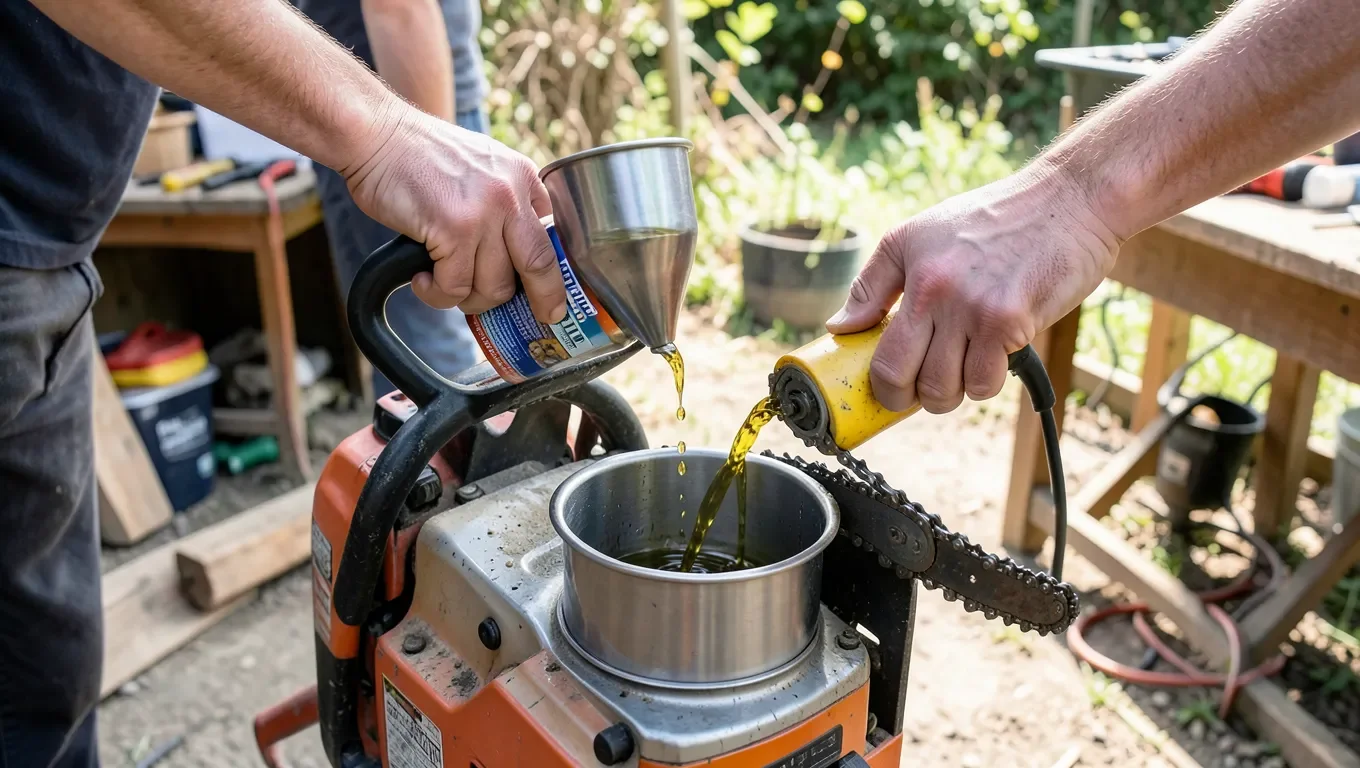
How to Oil a Chainsaw: A Step-by-Step Guide for Beginners
A chainsaw has no dipstick and no replaceable oil filter for the bar and chain system – that’s a car-engine concept that doesn’t apply here. What it does have is a separate oil reservoir with a fill cap (usually marked with a chain or oil-can icon) and a small sight window on the side to check the level at a glance. Fill it with real bar and chain oil, check the level before every use, and that covers the vast majority of what “oiling a chainsaw” actually means. The confusion with dipsticks and filters usually comes from car and small-engine maintenance habits carrying over where they don’t apply.
Gathering Necessary Supplies
The Right Oil for the Job
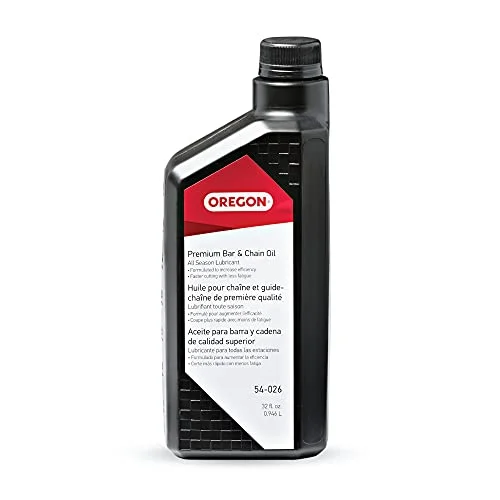 |
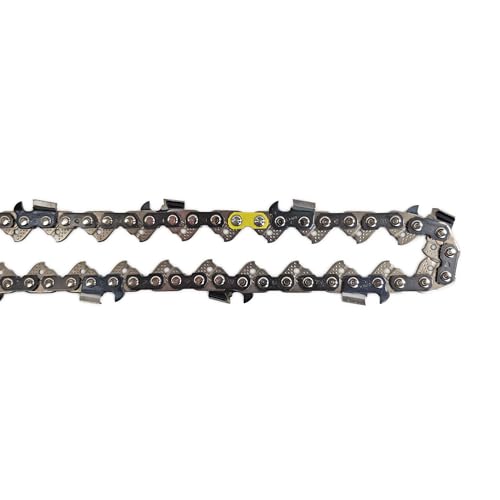
Oregon Premium Bar & Chain Oil, 1 Quart Thick, tacky formula made to cling to a moving chain instead of flinging off – works across all chainsaw brands.
|
There are two completely different oils involved with a gas chainsaw, and mixing them up causes real problems. Bar and chain oil is thick and tacky, made to cling to the moving chain and bar rather than fling off or drip away. Two-cycle engine oil (see are chainsaws 2-stroke for why gas saws need it) is a different product entirely, mixed directly into the gasoline at a specific ratio (commonly 50:1, check your manual) to lubricate the engine’s internals – it never goes in the bar oil reservoir, and bar oil never goes in the fuel. A battery-electric chainsaw skips the engine-oil question entirely but still uses bar and chain oil for the cutting attachment.
Beyond oil, gather a funnel to avoid spills, a clean rag, and gloves. A small brush is useful for clearing sawdust from around the reservoir cap before opening it, since debris that falls in during filling can clog the oiler passage. A rag is also worth keeping nearby for wiping the bar and chain down after a cutting session, which helps you spot wear or damage you’d otherwise miss under a film of sawdust and oil. A quick wipe-down takes under a minute and pays for itself the first time it catches a problem early.
Preparing the Chainsaw
Make sure the saw is off (and unplugged, if it’s corded electric) before doing anything. Set it on a flat, stable surface, wipe visible dirt and sawdust off the housing, and clear the area around the reservoir cap specifically – this is the step that actually prevents contamination, more than general cleaning elsewhere on the saw.
Locating the Oil Reservoir
The bar oil cap is typically on the same side as the bar, often near the base, and usually marked with a small oil-can or chain icon molded into the plastic. Next to or near the cap, look for a small tinted or clear window – this is the sight glass that shows oil level without opening anything. If you can’t find one, check your specific model’s manual; placement varies enough between brands that a universal “always here” answer would be misleading. On some compact or battery models, the reservoir is small enough that the entire side panel doubles as a translucent window, making a separate sight glass unnecessary.
Filling the Oil Reservoir
- Wipe away debris around the cap before opening it.
- Unscrew or flip open the cap – designs vary, but none require tools.
- Using a funnel, pour bar and chain oil slowly until it reaches the fill line or the sight window shows full.
- Wipe any drips immediately, since spilled bar oil attracts dirt and sawdust.
- Close the cap securely before starting the saw.
Checking the Oil Level
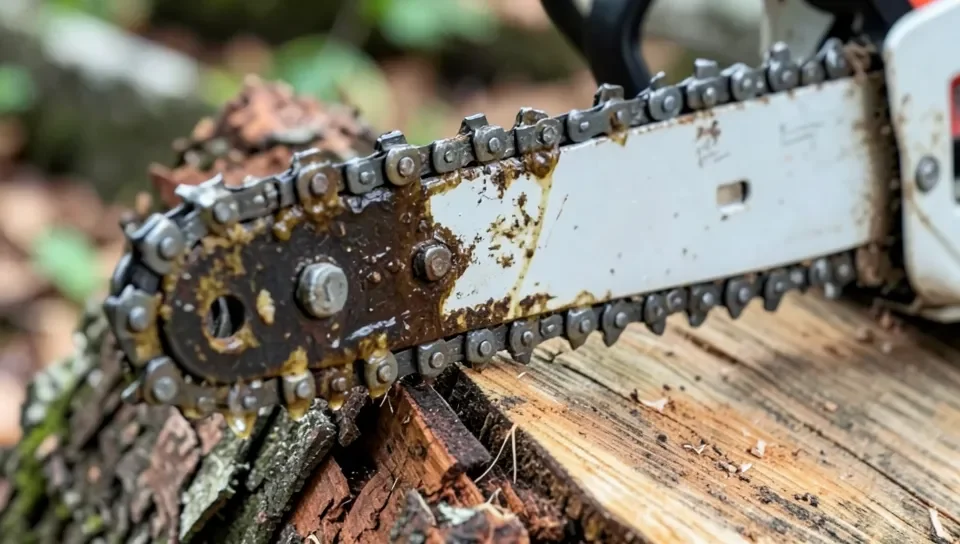
Check the sight window with the saw upright and on level ground – tilting it gives a false reading. There’s no dipstick to pull for this system, unlike a car’s engine oil, so the sight window (or a translucent reservoir wall on some models) is the only level check most chainsaws have. If oil is visible in the window at all, you’re generally fine to cut; top off once it drops to a sliver rather than waiting until it’s completely empty. Running the saw completely dry of bar oil, even briefly, causes real wear on the bar groove and chain that a quick refill afterward doesn’t undo.
A quick secondary check: after starting the saw, hold the tip a few inches above a light-colored surface like cardboard or concrete and briefly rev it. A healthy auto-oiler will fling a visible light spray of oil. No spray at all, even with a full reservoir, points to an oiler problem rather than an empty tank. Running this check outdoors or over a surface that’s fine to lightly stain saves a cleanup step.
Maintaining the Oil System
Check the level before every use – this single habit prevents the vast majority of dry-bar problems. Use only real bar and chain oil, never straight motor oil, vegetable oil, or WD-40 as a substitute; none of these have the tackiness needed to stay on a fast-moving chain, and WD-40 in particular is a light penetrating fluid, not a lubricant meant for sustained friction. Keep the area around the cap clean when refilling so debris doesn’t enter the reservoir and work its way into the oiler pump.
Most bar oil systems don’t have a separate replaceable filter the way an engine does, but many saws do have a small oil pickup or strainer inside the tank. If oil flow drops off despite a full reservoir, that pickup is a more likely suspect than a “filter” in the sense most people mean – check your model’s manual for how to access and clear it. This distinction matters because searching for a “chainsaw oil filter” the way you would for a car sends people looking for a part that, on most consumer chainsaws, simply doesn’t exist as a separate replaceable component.
Troubleshooting Common Issues
An oil leak when the saw is stored is usually the cap not seated properly, or the saw stored on its side rather than upright – both let gravity do the leaking for you. Storing a chainsaw flat on its side for an extended period is a common, easily fixed cause of a “mystery” oil leak that has nothing wrong with the saw itself. Inspect the cap gasket and the oil line for cracks if a leak continues even with the saw stored correctly and the cap tight.
If the chain isn’t getting oil despite a full reservoir, check the internal pickup/strainer for a clog first, then inspect the small output port on the bar itself (it can gum up with sawdust and old oil residue over time). A cotton swab or thin wire works well for clearing this small port without damaging it. A chain that runs dry despite a working oiler and clean ports may simply need the oiler’s flow rate adjusted – some saws have a small adjustment screw for this, per the manual. Don’t assume a low or erratic oil flow is normal wear and tear to just live with – a dry-running chain wears out far faster than a well-lubricated one, making this worth fixing rather than ignoring.
Frequently Asked Questions
Where do you put oil in a chainsaw?
In the bar and chain oil reservoir, found near the base of the bar and marked with an oil-can or chain icon on the cap. There’s no dipstick – check the level through the sight window instead.
How do you oil a chainsaw chain by hand?
Apply bar and chain oil directly along the chain and bar groove, then manually rotate the chain by hand (saw off) to work the oil in evenly. This is a stopgap, not a substitute for a working auto-oiler.
Is it okay to put WD-40 on a chainsaw chain?
No. WD-40 is a light penetrating and cleaning fluid, not a lubricant built for sustained friction, and it flings off a moving chain almost immediately. Some people reach for it because it’s already in the garage and feels like it should work as a quick fix, but that convenience comes at the cost of accelerated chain and bar wear within a single cutting session. Use real bar and chain oil instead.
How often do you oil a chainsaw chain?
Check the reservoir before every use and top off as needed – a full tank typically lasts through one to two tanks of gas fuel, depending on the saw and how hard it’s working.
Conclusion
Oiling a chainsaw comes down to two things: the right oil (real bar and chain oil, never a substitute) and a level check before every use through the sight window – no dipstick, no engine-style filter involved. Once that clicks, the rest of chainsaw maintenance starts making a lot more sense too. Get the reservoir topped off and the oiler flowing, and the chain does the rest on its own.
Sponsored / affiliate links. As an Amazon Associate I earn from qualifying purchases. I may earn additional commission from eligible campaigns.