How to Measure Chainsaw Bar Length (Tip-to-Mount Method)
Chainsaw bar length is measured from where the bar exits the powerhead to its outermost tip, then rounded up to the nearest even inch — that rounded number, not your raw measurement, is what’s stamped on replacement bars. Buying the wrong length strains the engine or stalls mid-cut. This guide covers the tip-to-mount method, a rounding chart built from real Oregon bar specs, and why pitch and gauge matter just as much as length.
Why Chainsaw Bar Length Matters
Best Replacement Bar Pick
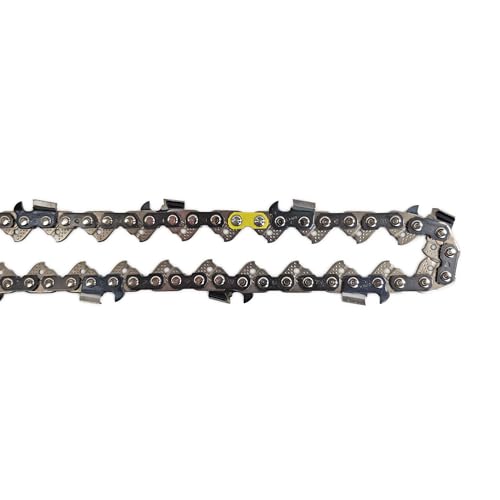
Oregon 18″ Bar & Chainsaw Chain Combo (.325″, .063″ Gauge, 74 Drive Links)
The most common homeowner replacement size, sold as a matched bar-and-chain set so pitch and gauge are guaranteed to fit together.
- Best for: Homeowner saws needing an 18″ replacement after a tip-to-mount measurement
- Why we picked it: Matched bar+chain removes the pitch/gauge guesswork this guide covers above
- Main drawback: .325″/.063″ spec only — confirm your saw uses this pitch and gauge before ordering
Compare more chainsaw bar options
 16″ Option Oregon 16″ Bar & Chain Combo (67 Drive Links)
|
 20″ Option Oregon 20″ Bar & Chain Combo (81 Drive Links)
|
 Measuring Tool Neiko Electronic Digital Caliper (0-6″)
|
As an Amazon Associate we earn from qualifying purchases.
Bar length is the distance from the tip of the guide bar to the point where it enters the powerhead — it sets the maximum diameter of wood you can cut in a single pass and directly affects balance, kickback risk, and how hard the engine has to work.
A bar that’s too long for the saw’s engine bogs down mid-cut and increases kickback risk; a bar that’s too short forces multiple cuts on anything wider than the bar itself. Getting the length right the first time is what makes the rest of this guide worth five minutes of your time.
How to Measure Your Chainsaw Bar (Step-by-Step)
The bar length manufacturers print on the box is the cutting length — tip to mount, rounded up. Here’s the exact sequence:
- Park the saw on a flat surface: Shut off the engine, engage the chain brake, and rest the saw on a bench or the ground so the bar lies flat and still.
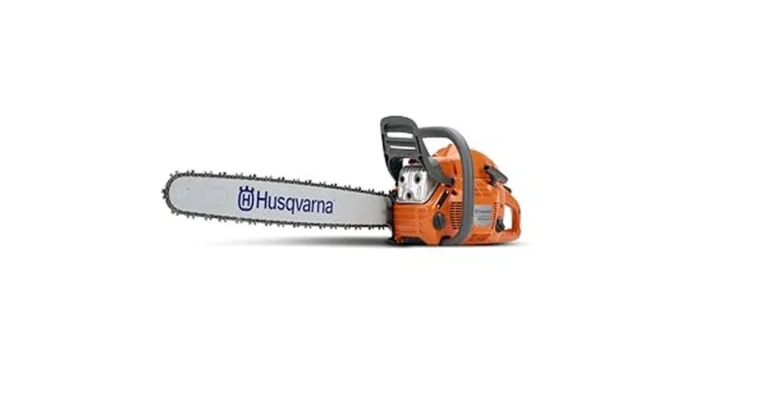
- Find the mounting point: Locate where the bar exits the powerhead housing — this is your zero point, not the tip.
- Measure to the outermost tip: Extend a tape measure or ruler in a straight line from the mounting point to the farthest point of the bar’s nose.
- Round up to the nearest even inch: Bars and chains are sold in even-inch sizes, so round your raw measurement up — 17½” becomes an 18″ bar, never a 17″ or 16″ one.
- Cross-check against the bar’s stamp: Look for the length stamped near the mounting tang; it should match your rounded measurement. If it doesn’t, remeasure before ordering a replacement.
Reading the manufacturer’s stamp instead: most bars have the cutting length stamped near the mounting slot. If it’s legible, that number already reflects the rounding — no math needed. If the stamp is worn off, the tip-to-mount measurement above is the reliable fallback.
📊 Bars are sold in even-inch sizes only — there’s no such thing as a retail 17″ or 19″ chainsaw bar. Round your raw measurement up, never down.
Rounding Chart: Raw Measurement to Retail Bar Size
This chart uses real drive-link counts pulled from Oregon’s own .325″/.063″ bar-and-chain combo listings — the most common spec pairing on homeowner saws — so you know what to expect when you shop for a replacement chain.
| Raw Tip-to-Mount Measurement | Rounds Up To | Oregon .325″/.063″ Drive Links |
|---|---|---|
| 15½” – 16″ | 16 inch | 67 drive links |
| 17½” – 18″ | 18 inch | 74 drive links |
| 19½” – 20″ | 20 inch | 81 drive links |
Drive link counts vary if your saw uses a different pitch or gauge — use this chart as a starting point, then confirm against your old chain or the bar’s stamp before ordering.
Choosing the Right Bar Length for the Job
For pruning and light trimming (branches and small firewood rounds), a 10–14 inch bar is lighter, easier to control, and lowers kickback risk in tight spaces.
For general homeowner use — firewood processing, small tree removal — 16–18 inches balances cutting capacity against weight and is the size most homeowner saws ship with.
For felling larger trees or milling, 20 inches or more cuts wider logs in a single pass, but only run a longer bar if the saw’s engine displacement supports it; check chain tension more often on longer bars since they flex more under load.
Using a bar that’s too long for the powerhead is the most common sizing mistake: it strains the engine, slows chain speed, and makes the saw harder to control — always stay inside the certified bar-length range in your owner’s manual, not just what physically bolts on.
Bar Length Isn’t the Whole Story: Pitch, Gauge & Drive Links
Two bars of the same length can still need different chains. Before you order a replacement, three more specs matter as much as length:
- Pitch is the distance between three consecutive rivets, divided by two — it must match your chainsaw’s drive sprocket. The two most common pitches on homeowner saws are 3/8 inch and .325 inch, and they are not interchangeable on the same sprocket.
- Gauge is the thickness of the drive link that rides inside the bar’s groove. Common gauges are .050″, .058″, and .063″ — too thin and the chain slips loose; too thick and it won’t seat in the groove at all.
- Drive link count is the number of teeth on the chain’s underside that engage the bar and sprocket. As the rounding chart above shows, a jump from a 16″ to an 18″ Oregon .325″/.063″ chain adds 7 drive links — even a two-link difference means the chain won’t tension correctly.
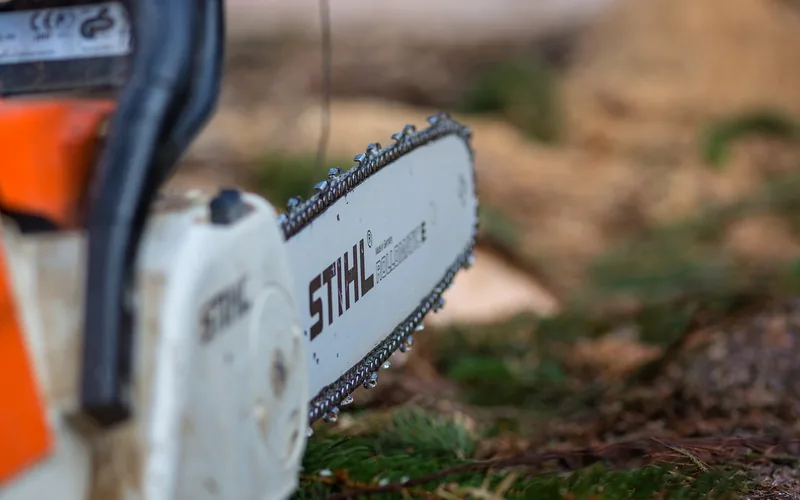
Bar length, pitch, gauge, and drive link count all have to match at once. If any one is off, the chain either won’t seat in the bar groove or won’t tension against the sprocket — which is why manufacturers sell matched bar-and-chain combos instead of bars alone.
Common Bar-Length Measuring Mistakes
Misreading the Bar’s Stamped Markings
Bars are often stamped with the nominal length (16″, 18″, 20″), but that number already reflects rounding — it isn’t the raw tip-to-mount distance. Don’t remeasure the stamped number and round it again; that’s how a real 18″ bar gets mistakenly ordered as a 20″.
Measuring the Total Bar Instead of the Cutting Length
Some of the bar sits inside the powerhead housing and isn’t part of the cutting length. Measuring the bar’s full physical length — tip to the very back edge, including the mounted portion — overstates the size and leads to ordering a bar or chain that’s too long.
For a general quick-reference version of this same measuring method, see our companion guide, How to Measure a Chainsaw Bar.
“The fastest way to catch a bad measurement in the shop is checking whether the number lands on an odd inch. Bars are never sold in odd lengths, so an odd result almost always means a worn stamp, a slightly bent bar, or a measuring mistake — not a real 15″ or 17″ bar.”
Frequently Asked Questions
How Do I Know How Long My Chainsaw Bar Is?
Measure from the point where the bar exits the powerhead to its outermost tip, then round that figure up to the nearest even inch — 17½ inches becomes an 18-inch bar. That rounded number is what’s stamped on replacement bars and chain packaging, not your raw tape measurement.
Do You Round Chainsaw Bar Measurements Up or Down?
Up. Bars and chains are sold in even-inch increments (14, 16, 18, 20 inches and so on), so a raw measurement of 15½ inches rounds up to a 16-inch bar. Rounding down leaves you a size short and unable to seat the replacement chain correctly.
Can I Put an 18-Inch Bar on a 16-Inch Chainsaw?
Not safely. The powerhead’s engine, clutch, and oil pump are matched to a certified range of bar lengths listed in the owner’s manual. Mounting an oversized bar overloads the engine, slows chain speed, and increases kickback risk.
How Do I Know What Size Chain My Chainsaw Has?
Check three numbers, not just one: pitch (distance between drive links), gauge (drive-link thickness), and total drive link count. All three are usually stamped on the bar itself or listed in the owner’s manual — length alone isn’t enough to order the right chain.
How Do You Match a Chainsaw Chain to a Bar?
Match pitch and gauge first — most homeowner saws run 3/8-inch or .325-inch pitch with a .050-inch, .058-inch, or .063-inch gauge — then count drive links, since bars of the same length can need a different link count depending on pitch. When unsure, take the old chain to a dealer for an exact match.
What Size Are Chainsaw Bars?
Consumer chainsaw bars typically run 10 to 20 inches, with 16, 18, and 20 inches the most common on homeowner and semi-professional saws. Professional felling saws can run bars past 36 inches, though anything over 20 inches needs a proportionally larger engine.
Conclusion
Measuring a chainsaw bar comes down to one line: tip to mount, rounded up to the nearest even inch. Once you have that number, check pitch, gauge, and drive link count before you order a replacement — length alone won’t guarantee the chain fits. Stay inside your saw’s certified bar-length range and the measurement you take today will match the bar you install.
Sponsored / affiliate links. As an Amazon Associate I earn from qualifying purchases. I may earn additional commission from eligible campaigns.