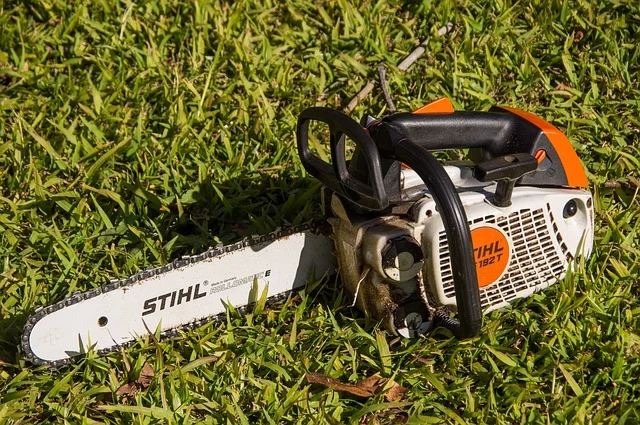
What Is a Ported Chainsaw? Porting vs. Boring, Explained
A ported chainsaw is a saw whose intake, transfer, and exhaust ports — the passages already cast into the cylinder — have been reshaped and enlarged to move more air-fuel mixture in and burnt gas out. Nothing is swapped for a bigger part; the same cylinder just breathes better, which typically translates to a 10-40% power gain depending on how aggressively the ports are opened up and how well the carburetor is retuned afterward.
What a Ported Chainsaw Actually Is
Best Way to Confirm a Real Power Gain
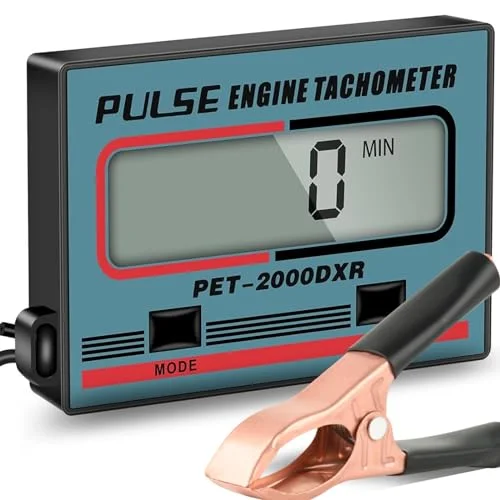 |
HTPREC Digital Small Engine Tachometer – $22.99 Porting claims (10-40% more power) are meaningless without a before/after number — this clips to the plug wire and reads idle and max RPM directly off the saw.
|
As an Amazon Associate we earn from qualifying purchases.
Every gas chainsaw cylinder already has three ports cast into it: the intake port, which lets the fuel-air mixture into the crankcase; the transfer ports, which move that mixture up into the combustion chamber; and the exhaust port, which lets burnt gas escape so the next charge can fill the cylinder. Porting means grinding those existing openings wider, taller, or smoother with a die grinder and carbide burrs — not drilling new holes or adding parts.
Porting vs. Boring: The Distinction Most Guides Skip
Most articles use “porting,” “boring,” and “modding” as if they’re the same job, and that’s where a lot of buyers get confused when shopping for a used saw listed as “modified.” They aren’t the same:
- Porting reshapes the existing ports for better airflow. The cylinder’s bore diameter and displacement don’t change.
- Boring (a “big-bore kit”) replaces the cylinder with a larger-diameter one, physically increasing displacement — more cubic centimeters, not just better breathing.
- A “stroker” build goes further and changes the crankshaft throw to lengthen piston travel, increasing displacement again by a different method.
A saw can be ported, bored, and stroked all at once — competition saws often are — but a stock-displacement saw that’s only had its ports reshaped is what most people mean when they say “ported chainsaw.” That distinction matters for cost: porting alone runs roughly $100-$400 in shop labor, while a big-bore kit adds parts cost on top of the same labor.
How Much Power Does Porting Really Add?
Porting shops and forum dyno logs consistently report a 10-40% power increase over a stock saw, with most well-executed jobs landing in the 15-25% range — the wide spread comes down to how much material is removed and how well the carburetor and ignition timing are matched to the new airflow afterward. A saw that’s simply had its ports “cleaned up” without a matching carb retune often shows little real gain despite the labor cost, which is why checking RPM before and after (rather than trusting how the saw sounds) is the only way to confirm the job actually worked.
RPM climbs alongside the power gain — a ported saw typically revs several thousand RPM higher at max throttle than the same saw stock, which is also why a ported engine runs hotter and wears faster than a stock one under sustained use.
DIY Porting vs. Buying a Factory-Ported Saw
Grinding your own ports isn’t the only route to a ported saw. A handful of specialty shops sell already-ported saws built on a new Stihl or Husqvarna base, with the porting, carburetor tuning, and break-in already done and warrantied by the shop rather than the manufacturer. That’s a meaningfully different decision than buying a die grinder: you’re paying a premium (often $600-$1,200+ over the stock saw’s price) for a saw that’s dyno-verified out of the box, versus spending $100-$400 in shop labor — or a weekend of your own time — to modify a saw you already own.
For someone who already owns a working saw and mainly wants more power for occasional branch and tree work, porting the saw they have is usually the cheaper path. For a professional replacing a saw anyway, a factory-ported model removes the warranty and reliability guesswork that comes with DIY porting.
Warranty, Risk, and Maintenance
Porting voids the manufacturer’s warranty on nearly every saw — the modification is easy for a dealer to spot during any warranty claim, since the cylinder’s port shape no longer matches factory spec. Beyond warranty, over-porting (removing too much material or opening a port into an unsupported area of the cylinder wall) can crack the cylinder outright or wreck low-end torque, leaving a saw that revs high but bogs down the instant it bites into wood. A ported engine also runs hotter and under more stress, so the maintenance basics — fresh 2-stroke mix at the correct ratio, a clean air filter, and a properly gapped spark plug — matter more than they do on a stock saw, not less.
Is a Ported Chainsaw Right for You?
A ported saw makes the most sense for arborists, loggers, and anyone running a saw daily, where the extra power and faster cutting speed add up over hundreds of cuts a week. For someone who fells a tree or bucks firewood a few times a season, the $100-$400+ cost and added engine stress rarely pay for themselves — see our full breakdown of whether porting is worth it for the cost math by usage level. If you’ve decided porting makes sense for your saw, the actual grinding steps, tools, and warranty tradeoffs are covered in our guide on how to port a chainsaw.
Frequently Asked Questions
How much power does porting a chainsaw add?
Most well-done porting jobs add 15-25% more power, with reports ranging from 10% up to 40% depending on how much material is removed and whether the carburetor is retuned to match the new airflow. A tachometer reading before and after is the only reliable way to confirm the actual gain on a specific saw.
Is a ported chainsaw the same as a bored chainsaw?
No. Porting reshapes the existing intake, transfer, and exhaust ports without changing displacement. Boring installs a larger-diameter cylinder, which does increase displacement. A saw can be both ported and bored, but the terms describe two different modifications.
Does porting a chainsaw void the warranty?
Yes, on nearly every saw. Porting is a physical, visible modification to the cylinder that dealers can identify during a warranty inspection, and manufacturers treat it as user modification rather than a defect.
Do chainsaws come with a scrench?
Most new chainsaws ship with a scrench, a combination screwdriver and wrench used for bar and chain adjustments. If yours is missing, the manufacturer or a third-party supplier sells replacements sized for your specific saw.
Conclusion
A ported chainsaw is a stock-displacement saw with reshaped intake, transfer, and exhaust ports for better airflow — not a bigger engine, and not the same thing as a bored or stroked saw. Done well, it adds a real 15-25% power gain at the cost of the manufacturer’s warranty and a hotter-running engine; done poorly, it can crack a cylinder or kill low-end torque. Whether that trade is worth it comes down to how often the saw actually gets used.
Sponsored / affiliate links. As an Amazon Associate I earn from qualifying purchases. I may earn additional commission from eligible campaigns.
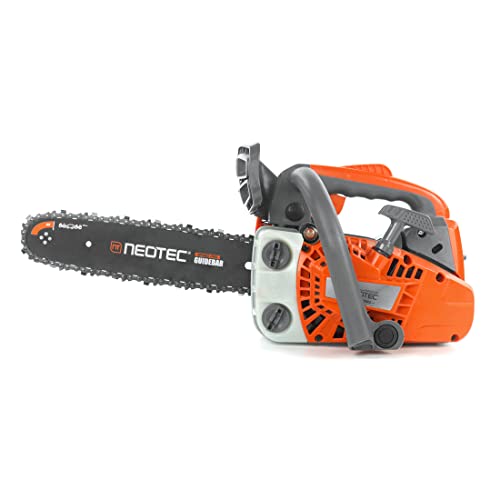 NEO-TEC 12 Inch Top Handle Gas Chainsaw 25.4cc 2-Stroke Portable Small Gas Powered Chain Saws Motosierra De Gasolina for Tree-climbing Tree Pruning Wood Cutting Firewood Preparation Yard Maintenance
 20 Inch Gas Chainsaw, 58CC 2-Stroke Professional Gasoline Powered Chainsaw 2.4KW 10000RPM Handheld Cordless Petrol Chain Saws Power Head for Cutting Wood Outdoor Garden Farm & Home (Orange)