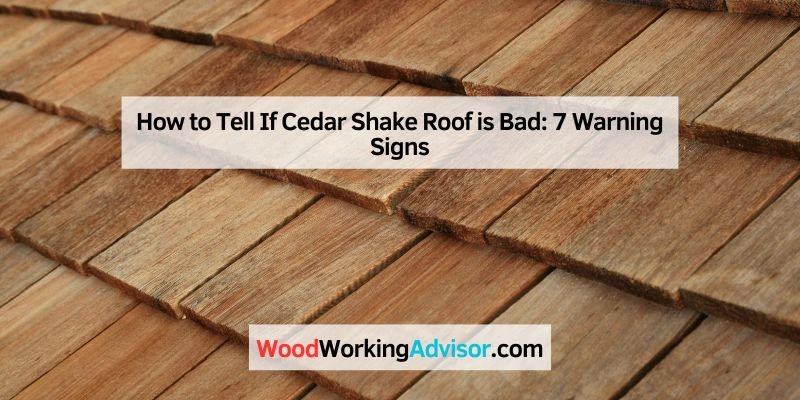
How to Tell If Cedar Shake Roof is Bad: 7 Warning Signs
Is your cedar shake roof showing signs of wear and tear? Knowing when it’s time to replace or repair a cedar shake roof can save you money and prevent further damage.
Cedar shake roofs are known for their beauty and durability. But they don’t last forever. Over time, weather and age take their toll. It’s crucial to recognize the warning signs of a bad cedar shake roof. Whether it’s curling edges, missing shakes, or visible rot, these issues can lead to leaks and structural damage.
Understanding the signs of a failing cedar shake roof helps you take timely action, ensuring your home stays protected and maintaining its curb appeal. In this guide, we’ll explore key indicators that your cedar shake roof needs attention. Let’s dive in and keep your home safe.
Cracked Or Split Shingles
Cedar shake roofs add a natural charm to homes. But, over time, these shingles can crack or split. Knowing how to spot these issues early can save you from bigger problems later.
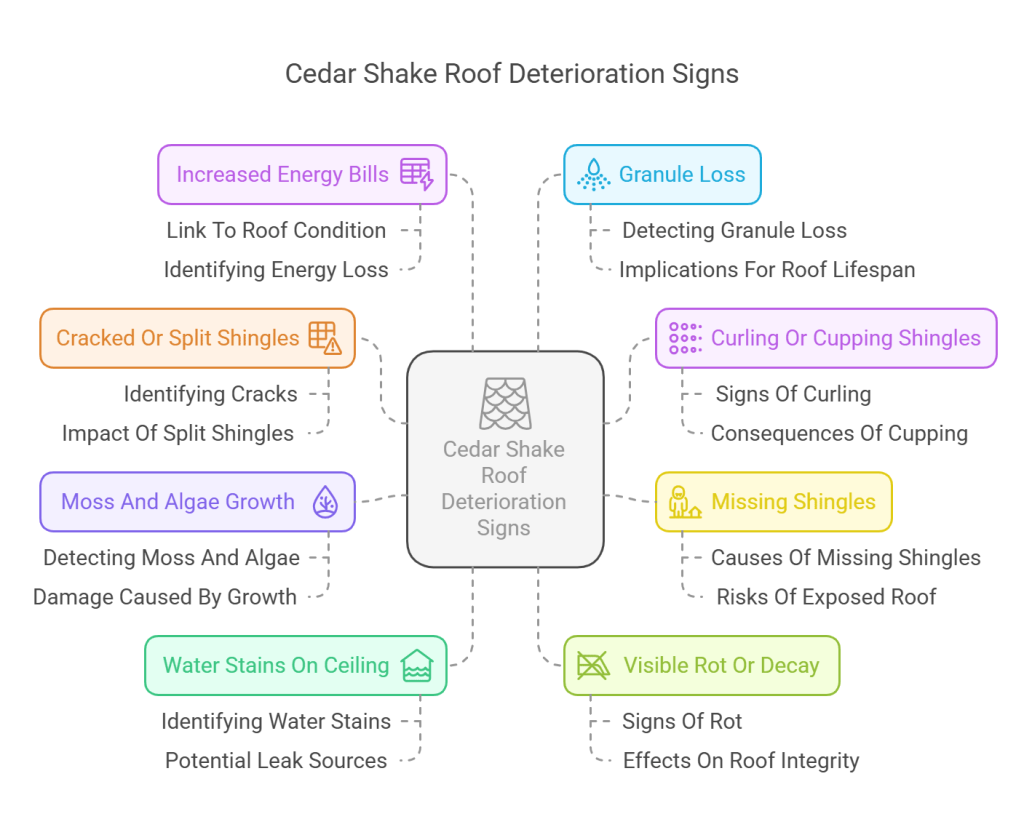
Identifying Cracks
Cracks in cedar shingles are often easy to see. Look for lines or breaks in the wood. If the shingle has a crack, water can seep in. This weakens the structure. Check your roof regularly to catch these cracks early.
Impact Of Split Shingles
Split shingles are a serious concern. Splits can let in water. This can lead to leaks inside your home. Also, splits can make shingles fall off. This leaves parts of your roof exposed. Regular inspection helps you find and fix these splits.
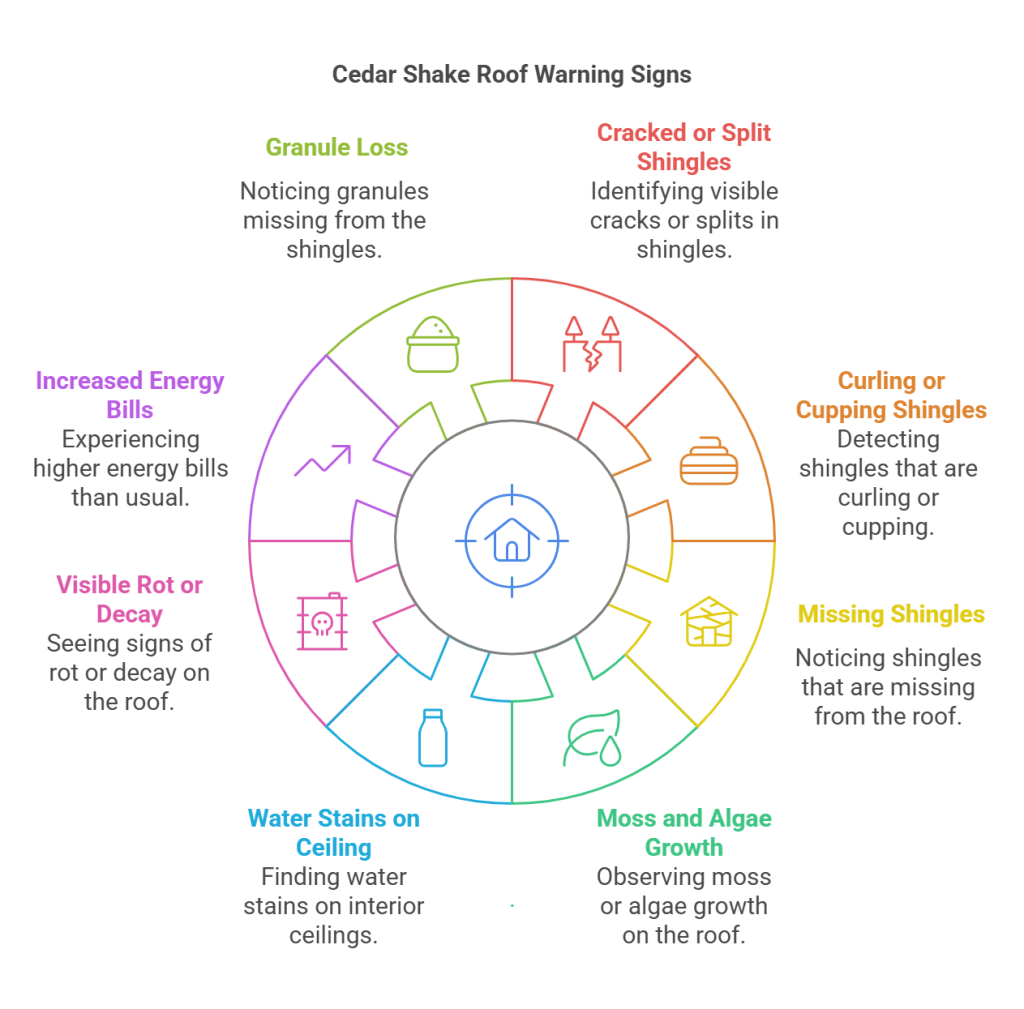
Curling Or Cupping Shingles
As proud homeowners, we often overlook the roof over our heads, especially if it’s a beautiful cedar shake roof. However, just like any other part of your home, it needs regular care and attention. One of the most telltale signs that your cedar shake roof is in trouble is curling or cupping shingles. But how can you recognize these issues, and why do they matter? Let’s dive into the details.
Signs Of Curling
Curling shingles can be quite easy to spot if you know what to look for. Typically, shingles will start to lift around the edges. This might look like the corners are turning upwards or the edges are pulling away from the roof. Here are some key signs:
- Visible Curves: The edges of the shingles bend upwards or downwards.
- Cracks and Breaks: Curling can lead to cracks in the shingles.
- Loose Nails: Nails might pop out as the shingles curl.
Imagine looking at a row of curled-up potato chips. That’s how your shingles might appear. Yikes!
Consequences Of Cupping
Now, let’s talk about cupping. Cupping occurs when the center of the shingle sinks down, making the edges appear raised. This can happen due to moisture or age. Here’s why it’s a problem:
- Water Damage: Cupping allows water to pool, leading to leaks and rot.
- Weakened Structure: The roof loses its protective layer, making it vulnerable.
- Energy Efficiency: Poor insulation due to damaged shingles can increase heating costs.
Think of a cupped shingle like a small bowl. When it rains, these bowls collect water, and that’s not something you want on your roof!
So, there you have it. Curling or cupping shingles are not just cosmetic issues; they signal deeper problems that need attention. Regular inspection and maintenance can save you from bigger headaches down the road. Remember, your roof is your first line of defense against the elements. Keep it in top shape!
Missing Shingles
Ever wondered if your cedar shake roof is holding up well? One of the tell-tale signs that it might be time for a repair or replacement is missing shingles. It’s easy to overlook a couple of absent shakes, but these small details can lead to bigger problems if ignored. So, how can you spot missing shingles, and more importantly, what should you do about it?
Causes Of Missing Shingles
There are several reasons why shingles might go MIA on your cedar shake roof. Here’s a look at the common culprits:
- Weather: Strong winds, heavy rains, and hail storms can dislodge shingles. Mother Nature doesn’t always play nice!
- Age: Over time, cedar shakes can deteriorate and loosen. Just like us, they get old and tired.
- Poor Installation: If your roof wasn’t installed properly in the first place, shingles can come loose more easily.
- Pests: Birds, squirrels, and other critters may pry at shingles, causing them to fall off.
Risks Of Exposed Roof
Missing shingles are more than just an eyesore. They can lead to serious issues if left unchecked:
- Water Damage: Without shingles, your roof is vulnerable to water seeping in, leading to leaks and possibly mold. Nobody wants a leaky ceiling!
- Structural Damage: Water can weaken the underlying structure of your roof, potentially causing more extensive and expensive repairs.
- Energy Loss: Shingles help insulate your home. Missing ones can result in higher energy bills as your heating or cooling system works harder.
- Decreased Property Value: If you’re thinking of selling your home, a roof with missing shingles can significantly reduce its market value.
In conclusion, keeping an eye out for missing shingles is crucial for maintaining the health of your cedar shake roof. Regular inspections and prompt repairs can save you from a lot of hassle and expense down the line. And remember, your roof is your home’s first line of defense against the elements. So, give it the attention it deserves!
Moss And Algae Growth
When it comes to roofing, cedar shake is a popular choice because of its natural beauty and durability. However, like any other roofing material, it can suffer from problems. One of the most common issues homeowners face is moss and algae growth. These tiny green invaders can cause significant damage if not addressed promptly. But how can you tell if your cedar shake roof is being overrun by moss and algae? Let’s dive in and find out.
Detecting Moss And Algae
Detecting moss and algae on your cedar shake roof is not rocket science, but it does require some attention to detail. Here are a few telltale signs:
- Visual Inspection: The easiest way to spot moss and algae is by looking for green or black streaks on your roof. Moss often appears as a fuzzy green patch, while algae manifests as dark streaks.
- Moisture Levels: Moss and algae thrive in moist environments. If your roof is shaded by trees or has poor drainage, it could be a breeding ground for these nuisances.
- Texture Changes: Run your hand over the shingles. If they feel spongy or soft, that’s a sign that moss or algae might be taking hold.
Remember, early detection is key. The sooner you spot these growths, the easier it will be to manage them.
Damage Caused By Growth
Now that we’ve identified how to detect moss and algae, let’s talk about the damage they can cause. These growths are not just unsightly; they can compromise the integrity of your roof.
- Water Retention: Moss can hold moisture against the shingles, leading to rot and decay. This can weaken the wood and cause leaks.
- Structural Damage: Over time, the constant moisture can damage the underlying structure of your roof, causing it to sag or even collapse in severe cases.
- Reduced Lifespan: Algae and moss can significantly shorten the lifespan of your cedar shake roof. A roof that should last 30 years might only last 20 if it’s covered in these growths.
It’s like having a tiny army of invaders chipping away at your fortress. Scary, right? But don’t worry; with proper maintenance and early detection, you can keep your cedar shake roof in great shape for years to come.
In conclusion, while moss and algae might seem like minor inconveniences, they can cause major problems for your cedar shake roof. By keeping an eye out for these signs and addressing them promptly, you can protect your investment and keep your home looking beautiful.
Water Stains On Ceiling
Water stains on the ceiling can be a major indicator of a bad cedar shake roof. These stains often appear as dark spots or discoloration, signaling potential roof issues. Understanding how to identify and address these stains can save you from expensive repairs.
Identifying Water Stains
Look for yellow or brown marks on your ceiling. These marks may be circular or irregular in shape. Water stains often spread, growing larger over time. They may also appear in clusters, forming a patchy pattern.
Check for dampness or peeling paint around the stains. This could indicate ongoing water leakage. Use a flashlight to inspect dimly lit areas for better visibility.
Potential Leak Sources
Inspect the attic for any signs of leaks. Look for damp insulation or water trails on the beams. Pay close attention to areas around skylights, chimneys, and vents.
Examine the roof itself for damaged or missing cedar shakes. These issues can allow water to seep through. Check for gaps or cracks where water might enter.
Assess the roof’s valleys and edges. These areas are prone to leaks and can be easily overlooked. Ensure the flashing is intact and not corroded.
Visible Rot Or Decay
Visible rot or decay on a cedar shake roof can signal serious problems. This damage not only affects the appearance but also the functionality of the roof. Understanding the signs of rot and its impact on roof integrity is crucial.
Signs Of Rot
Rotting shakes are easy to spot. Look for dark, soft, and crumbly wood. These shakes may also show mold or fungal growth. Rotten shakes may have holes or gaps. This can allow water to seep in and cause further damage.
Effects On Roof Integrity
Rot weakens the cedar shakes. This compromises the roof’s structural integrity. A weak roof cannot protect against the elements. Water leaks can lead to interior damage. Rot also attracts pests, which can cause more harm. Addressing visible rot early can prevent bigger issues.
Increased Energy Bills
Have you noticed a sudden spike in your energy bills? While it’s easy to blame the weather or that new appliance, your cedar shake roof might be the real culprit. An old or damaged cedar shake roof can significantly impact your home’s energy efficiency. Let’s dive into how the condition of your roof might be affecting your energy consumption.
Link To Roof Condition
The condition of your cedar shake roof is directly linked to your home’s energy performance. A well-maintained roof acts as a barrier, keeping your home warm in the winter and cool in the summer. However, if your roof is in bad shape, it can lead to substantial energy loss. For example, missing or broken shakes can create gaps where air can escape or enter, making it harder for your heating and cooling systems to maintain a consistent temperature.
Identifying Energy Loss
So, how can you identify if your cedar shake roof is causing energy loss? Here are a few signs to watch out for:
- Drafts: If you feel drafts around your home, especially near the ceiling or attic, it could be a sign that your roof is not as airtight as it should be.
- Uneven Temperatures: Notice cold spots or hot areas in your home? This uneven temperature distribution could indicate poor insulation due to a deteriorating roof.
- Frequent HVAC Use: If your heating or cooling system seems to be running all the time, it might be compensating for a leaky roof.
Addressing these issues promptly can save you money and make your home more comfortable. Regularly inspecting your roof and addressing any damage can go a long way in maintaining energy efficiency.
Still not sure if your cedar shake roof is the problem? Consider hiring a professional to conduct an energy audit of your home. They can identify the exact source of energy loss and recommend appropriate solutions.
Granule Loss
Have you ever wondered why your cedar shake roof looks like it’s shedding? Granule loss could be the culprit. These tiny particles are crucial for the health of your roof. They offer protection and durability. But how do you know if your roof is losing granules? And why does it matter? Let’s dive into the details.
Detecting Granule Loss
Spotting granule loss isn’t rocket science. You just need to know where to look. Check your gutters and downspouts first. If you see a collection of granules there, that’s a sign. You might also notice bare spots on the shingles. These areas look different from the rest of the roof. They might be smoother or have a different color.
| Signs | Description |
|---|---|
| Granules in Gutters | Look for granules piling up in the gutters or downspouts. |
| Bare Spots | Check for areas on the shingles that appear smoother or discolored. |
Another way to detect granule loss is to inspect the roof after a storm. Heavy rains or winds can wash off the granules. Keep an eye out for patches on the roof that seem different. If you’re unsure, you can always call a professional for a thorough inspection.
Implications For Roof Lifespan
Granule loss can shorten the lifespan of your cedar shake roof. Granules protect the shingles from UV rays and weather damage. Without them, the shingles can crack, curl, or rot. This means more repairs and a shorter life for your roof.
- Protection: Granules act as a shield against harsh weather and sunlight.
- Durability: They help maintain the integrity of the shingles.
- Longevity: A well-protected roof lasts longer.
Imagine your roof as a knight, and the granules as its armor. Without armor, the knight is vulnerable. The same goes for your roof. Granule loss leaves it exposed to the elements, leading to more problems down the line. So, it’s vital to address granule loss promptly.
In conclusion, keep an eye on granule loss to ensure your cedar shake roof remains in top shape. Regular inspections can save you from costly repairs and extend the life of your roof. After all, a stitch in time saves nine, right?
Frequently Asked Questions
How Do I Know If My Wood Shake Roof Is Bad?
Check for cracked, curled, or missing shakes. Look for moss, mold, or leaks. Inspect for wood rot and excessive wear.
What Is The Life Expectancy Of A Cedar Shake Roof?
A cedar shake roof typically lasts 30 to 50 years. Proper maintenance can help extend its lifespan. Regular inspections are essential.
How To Tell When Cedar Shakes Need To Be Replaced?
Cedar shakes need replacement when they show signs of curling, cracking, warping, or missing pieces. Check for moss growth, leaks, and visible damage. Regular inspections can help you identify these issues early.
How Much Does It Cost To Replace A Cedar Shake Roof?
Replacing a cedar shake roof costs between $15,000 and $27,000. Prices vary based on roof size and material quality.
Conclusion
Recognizing a bad cedar shake roof is crucial. Check for missing or cracked shakes. Look for signs of rot or mold. Inspect for leaks and water damage. Regular maintenance helps extend your roof’s life. If you notice issues, seek professional advice.
Early action prevents costly repairs. Keep your roof in good condition for home safety.