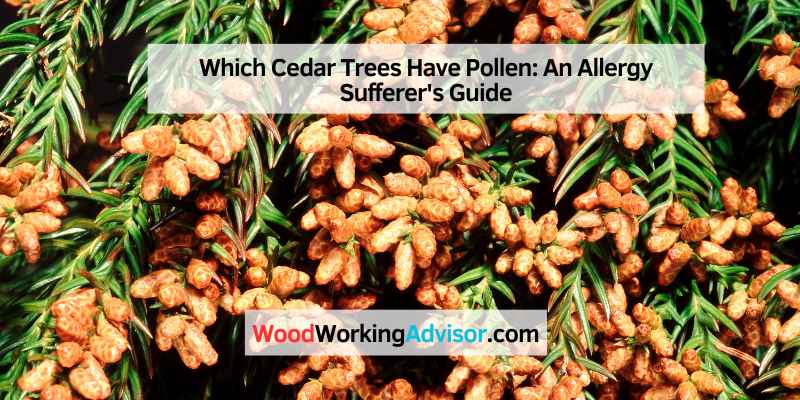
Which Cedar Trees Have Pollen? (Most Aren’t True Cedars)
Mountain cedar and eastern red cedar cause almost all “cedar” pollen allergies in the U.S. — and both are technically junipers, not true cedars. These two release pollen from December through February — winter, not spring — which is why the reaction is nicknamed “cedar fever” in Texas. Confusing a juniper with a true cedar means treating the wrong tree entirely. This guide identifies which species cause allergies, clears up naming mix-ups, and covers season timing and symptom management.
Wait — Are These Even True Cedars?
Best Pollen Relief Pick
LEVOIT Core 300 HEPA Air Purifier
True H13 HEPA filtration rated to capture pollen-sized particles from bedroom or living room air.
- Best for: filtering cedar/juniper pollen out of bedroom or living room air during peak season
- Why we picked it: true H13 HEPA filtration rated to capture pollen-sized particles, quiet enough to run overnight
- Main drawback: filters need replacing every 6-8 months during heavy pollen seasons
 Option 1 Honeywell N95 Disposable Respirator (20-Pack)
|
 Option 2 Arm & Hammer Simply Saline Nasal Mist
|
 Option 3 BNX MERV 13 HVAC Air Filter (6-Pack)
|
As an Amazon Associate we earn from qualifying purchases.
Here’s the confusion at the root of most searches on this topic: the trees people call “cedar” and blame for allergies are usually not botanical cedars (genus Cedrus) at all.
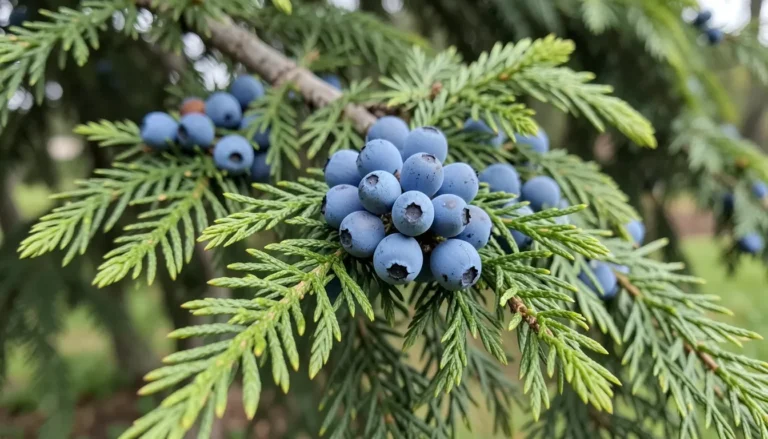
- Mountain Cedar (Ashe Juniper, Juniperus ashei) — a juniper, not a cedar. The main cause of “cedar fever” in Texas and Oklahoma.
- Eastern Red Cedar (Juniperus virginiana) — also a juniper, common across the eastern and central U.S.
- Japanese Cedar / Sugi (Cryptomeria japonica) — not a true cedar either, but a major allergen source in Japan.
- True cedars — Atlas, Deodar, and Cedar of Lebanon (genus Cedrus) — the only ones that are actually cedars. They’re wind-pollinated and do release pollen, but they’re far less documented as allergy triggers than the junipers above.
This also explains two common mix-ups. Cedar elm (Ulmus crassifolia) is an elm, not related to mountain cedar at all — it just shares part of a common name. And “pyramid cedar” usually refers to pyramidal-shaped arborvitae or juniper cultivars sold for hedging, which can carry the same juniper-family pollen as eastern red cedar.
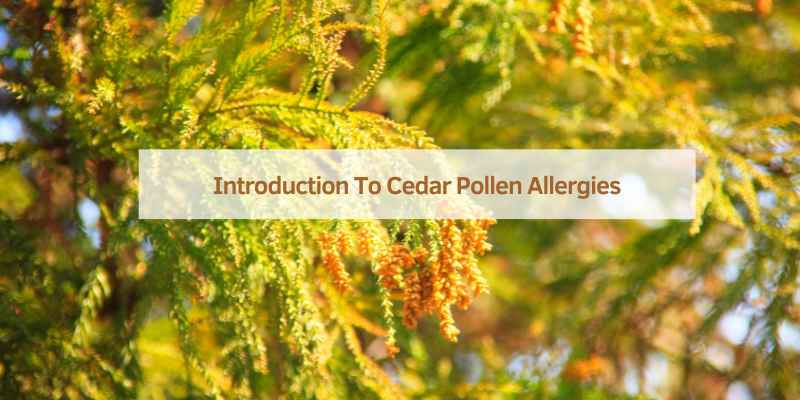
Introduction To Cedar Pollen Allergies
Cedar pollen causes many allergy problems. People often suffer from sneezing, runny nose, and itchy eyes. These symptoms can be very annoying. Allergies make it hard to enjoy outdoor activities. Mountain and eastern red cedar release the bulk of their pollen in winter, not spring — this is why symptoms often catch people off guard during what feels like the wrong season. Taking allergy medicine can help reduce symptoms. Staying indoors can also help on high pollen days.
Pollen affects people with allergies greatly. They may feel tired and irritable. Pollen counts can be very high in some areas. This makes it tough for allergy sufferers. Doctors often suggest avoiding outdoor activities. This helps reduce exposure to pollen. Wearing masks can also help.
Cedar trees are a major source of pollen. These trees are found in many places. They release pollen that can travel far. This pollen gets into homes and cars. Cedar pollen is very fine. It can easily be breathed in. This causes many people to have allergy symptoms. According to the Texas A&M Forest Service, a single mountain cedar tree can release a “puff” of up to a billion pollen grains in one gust, visible as a golden haze drifting off the tree.
Types Of Cedar Trees
Cedar and juniper trees vary widely in how much allergenic pollen they produce. The Mountain Cedar is the best-known culprit. It releases pollen in winter. The Eastern Red Cedar also produces significant pollen. It can be found in many areas. Atlas Cedar, a true cedar, is common in parks and produces pollen too, though it’s far less studied as an allergen. If you’re comparing cedar to other softwoods for a project rather than an allergy, see our cedar vs. pine comparison or the full types of wood guide.
Texas has extensive mountain cedar stands. Pollen counts are high in winter. Oklahoma also has high pollen levels. The Rocky Mountain region is another area with juniper species. People often suffer from allergies there. Japan has Japanese cedar (Sugi) plantations too, and it’s one of the country’s most common seasonal allergens, peaking in spring.
Cedar Pollen: Species Comparison
| Tree | True Cedar? | Pollen Season | Allergy Risk |
|---|---|---|---|
| Mountain Cedar (Ashe Juniper) | No — juniper | Dec–Feb | Very high (main “cedar fever” cause) |
| Eastern Red Cedar | No — juniper | Dec–Feb | High |
| Japanese Cedar (Sugi) | No — Cryptomeria | Feb–Apr | Very high (mainly Japan) |
| Atlas Cedar | Yes | Fall | Low / not well documented |
| Deodar Cedar | Yes | Fall | Low / not well documented |
| Cedar of Lebanon | Yes | Fall | Low / not well documented |
Cedar Pollen Season
Cedar pollen peaks in different months based on the species and region. Mountain and eastern red cedar peak from December to February — the “cedar fever” window in Texas and Oklahoma. Japanese cedar peaks in February through April. True cedars (Atlas, Deodar, Cedar of Lebanon) typically release pollen in fall. The peak season can cause severe allergies for many people. Some experience symptoms like sneezing and itchy eyes. It’s important to be aware of the peak season for the specific species near you.
The pollen dispersal can last several months. In some areas, it may last up to three months. The duration depends on weather conditions. Windy days can spread pollen more widely. Rain can help reduce pollen levels. Knowing the duration helps in planning allergy management. People can take preventive measures during this time.
Recognizing Cedar Pollen Allergy Symptoms
Cedar pollen can cause many allergic reactions. Many people experience sneezing and runny nose. Itchy eyes are also a common symptom. Some feel nasal congestion. Others may have coughing and wheezing. Fatigue can occur due to allergies. Headaches can also be a symptom. These reactions can be very uncomfortable.
Cedar allergies and colds can seem similar. Cedar allergies often cause itchy eyes. Colds usually do not. Allergies can last for weeks. Colds usually last a few days. Fevers are common with colds. Allergies do not cause fevers. Cedar pollen is high specifically in winter for mountain/eastern red cedar. Colds are also more common in winter, which is part of why “cedar fever” gets confused with the flu.
Managing Cedar Pollen Exposure
Check local pollen forecasts daily to stay informed. Plan outdoor activities when pollen counts are low. Wear a mask if you must go outside during high pollen times. Limit time outside in the early morning when pollen is highest. Shower and change clothes after being outside to remove pollen.
Keep windows and doors closed to prevent pollen from entering. Use air purifiers with HEPA filters to clean the air inside. Change HVAC filters regularly to reduce pollen indoors. Avoid drying clothes outside during pollen season. Vacuum frequently with a HEPA filter to remove pollen from carpets and furniture.
Medical Solutions For Cedar Allergies
Antihistamines can help relieve symptoms like sneezing and itchy eyes. Nasal sprays can reduce nasal congestion. Eye drops are useful for red and itchy eyes. Decongestants may relieve stuffy noses but should not be used for long periods. Always read labels and follow instructions. Some remedies may cause drowsiness. Discuss with a pharmacist for the best option.
Visit an allergist if symptoms persist despite over-the-counter remedies. Chronic symptoms can affect daily life and work. An allergist can perform tests to identify specific allergens, including distinguishing a true cedar pollen reaction from juniper (mountain/eastern red cedar) pollen. Personalized treatment plans can be created. Immunotherapy, such as allergy shots, may be recommended. Early intervention can prevent symptoms from worsening. This article is for general information only and isn’t a substitute for professional medical advice — always seek guidance from a doctor or allergist for diagnosis and treatment.
Long-term Allergy Management
Mountain cedar and eastern red cedar — both junipers, not true cedars — are the significant sources of pollen causing “cedar” allergies in the U.S. Identifying the actual species near you helps in long-term allergy management.
Immunotherapy Options
Immunotherapy helps in reducing allergy symptoms. It involves exposing the body to small amounts of allergens. This trains the body to tolerate the allergens better. Allergy shots are common. Sublingual tablets are another option. This therapy takes time. It may take months to years. The goal is to reduce the body’s reaction to cedar/juniper pollen. Consult a doctor to see if this is right for you.
Lifestyle Adjustments For Allergy Sufferers
Stay indoors during high pollen seasons. Use air purifiers to clean indoor air. Keep windows closed to prevent pollen from entering. Shower and change clothes after being outside. Wash bedding frequently to remove pollen. Use a mask when doing outdoor activities. Avoid areas with high pollen counts. Landscapers in cedar-fever regions commonly recommend replacing mountain cedar near a house with lower-pollen trees like live oak or cedar elm — despite the shared “cedar” name, cedar elm is a different species and isn’t a major contributor to cedar fever. Consult an allergist for personalized advice.
Cedar Trees And Environmental Factors
Climate change affects pollen production in cedar and juniper trees. Warmer temperatures can lead to increased pollen. This can cause more allergies in people. Longer growing seasons also mean more pollen. These trees are sensitive to these changes. Shifts in rainfall patterns can impact pollen levels too. Increased CO2 levels may also play a role. This makes the situation worse for allergy sufferers.
Reducing exposure to cedar pollen can help. Staying indoors during peak pollen times is one way. Using air purifiers can also be effective. Planting low-pollen trees instead of mountain or eastern red cedar is another solution. Medications can help manage symptoms. Regularly cleaning home air filters is important too. Wearing masks during high pollen seasons can provide relief.

Frequently Asked Questions
Which Cedar Tree Produces Pollen?
Mountain cedar (Ashe juniper) and eastern red cedar cause the vast majority of “cedar” pollen allergies in the U.S. — both are technically junipers, not true cedars. True cedars like Atlas, Deodar, and Cedar of Lebanon also release pollen but are far less documented as allergy triggers.
Do Red Cedar Trees Have Pollen?
Yes, eastern red cedar trees produce significant pollen. Their pollen peaks from December to February, causing allergy symptoms in winter rather than spring.
Which Trees Give Off The Most Pollen?
Oak, birch, and pine trees give off large amounts of pollen in spring, while mountain cedar and eastern red cedar (junipers) are the heaviest winter pollen producers, particularly in Texas and Oklahoma.
Do Cedar Trees Have Yellow Pollen?
Yes, mountain and eastern red cedar release a fine yellow-gold pollen, often visible as a haze or dust coating cars and surfaces during peak season (December–February).
Is Cedar Elm Pollen the Same as Mountain Cedar?
No. Cedar elm (Ulmus crassifolia) is an elm species, unrelated to mountain cedar (a juniper). It shares part of a common name but is a different plant family with its own separate pollen and bloom timing, and isn’t a significant contributor to “cedar fever.”
How Much Pollen Does a Cedar Tree Produce?
There’s no widely cited gram-per-day figure, but a single mountain cedar tree can release up to an estimated 500 billion pollen grains over a season, sometimes in visible “puffs” of up to a billion grains at once when wind shakes the branches, according to Texas forestry researchers.
Can a Cedar Pollen Allergy Cause Digestive Symptoms Like Diarrhea?
Cedar pollen allergy typically causes respiratory and eye symptoms — sneezing, congestion, itchy or watery eyes — not digestive symptoms. Digestive issues aren’t a recognized direct symptom of pollen allergy. If you’re experiencing diarrhea alongside allergy symptoms, that’s worth discussing with a doctor rather than assuming it’s connected to pollen exposure.
Conclusion
Most “cedar” allergies are actually caused by junipers — mountain cedar and eastern red cedar — not true cedars. Knowing the difference helps you target the right season (winter, not spring) and the right tree when managing symptoms. If landscaping is part of your plan, non-allergenic or low-pollen alternatives are worth considering near the house. Stay informed and enjoy the outdoors with fewer surprises.
Sponsored / affiliate links. As an Amazon Associate I earn from qualifying purchases. I may earn additional commission from eligible campaigns.