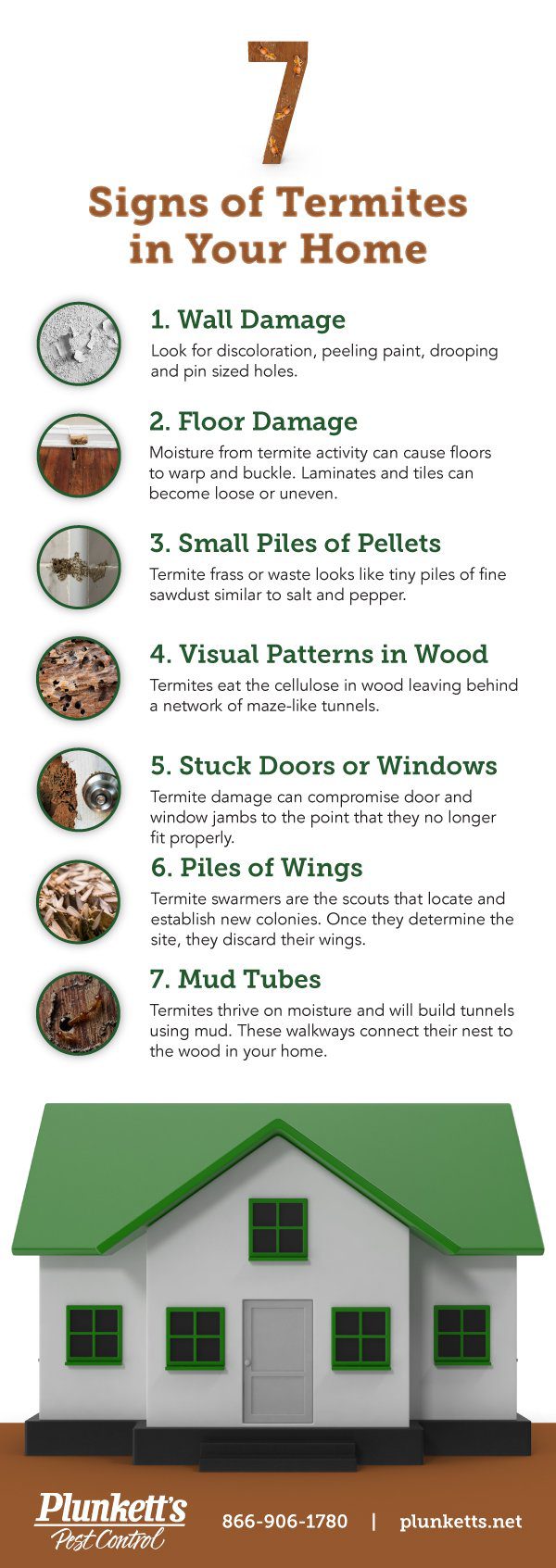
How to Tell Termites: Identifying Infestation Signs
Termites can cause severe damage to your home. But how can you tell if you have them?
These tiny insects often go unnoticed until significant harm is done. Knowing how to identify termites early can save you from expensive repairs. Termites are small, but their impact is huge. They chew through wood, paper, and plants, often silently and secretly.
Recognizing their presence early can help you take timely action. In this guide, we’ll explore the signs of termites and how to spot them. You’ll learn what to look for, where to check, and how to confirm their presence. By understanding these signs, you can protect your home and avoid costly damage. Stay informed and keep your home safe.
Credit: www.gunterpest.com
Termite Basics
Hey friends, today we’ll dig into the nitty-gritty of termites. These tiny creatures can cause big problems if left unchecked. Knowing the basics about termites is important to keep your home safe. So, let’s get started with understanding the types of termites and their life cycle.
Termite Types
Did you know there are different types of termites? They aren’t all the same, and each type behaves differently. Here are the main types:
- Subterranean Termites: These termites live underground. They build mud tunnels to reach their food sources. If you see mud tubes in your home, you might have subterranean termites.
- Drywood Termites: As their name suggests, these termites live in dry wood. They don’t need contact with soil. You can find them in wooden furniture or beams.
- Dampwood Termites: These termites prefer wet wood. You’ll find them in areas with high moisture, like leaky roofs or plumbing.
Knowing which type of termite you’re dealing with is key to getting rid of them effectively.
Termite Life Cycle
Understanding the life cycle of termites helps in identifying them at different stages. Here’s a simple breakdown:
- Egg: Termites start as tiny, white eggs. You won’t see these often since they’re usually hidden in nests.
- Nymph: After hatching, termites become nymphs. These look like smaller versions of adult termites.
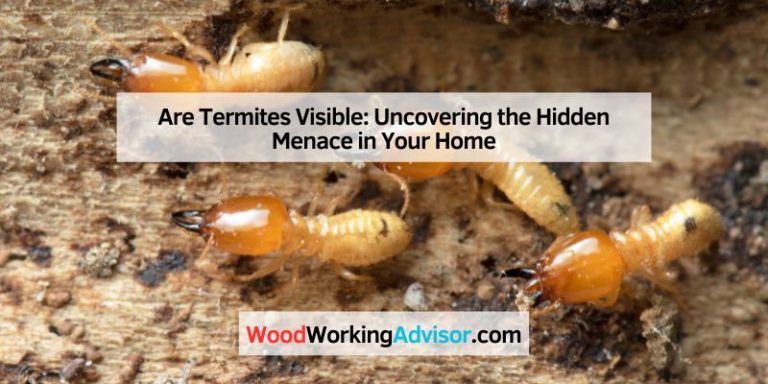
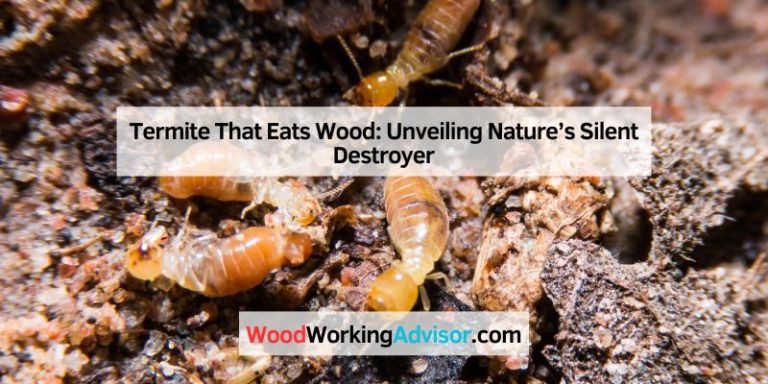
- Worker: Most nymphs grow into workers. They search for food and build tunnels. Workers are the termites you’re most likely to see.
- Soldier: Some nymphs become soldiers. Their job is to protect the colony from threats. They have larger heads and strong jaws.
- Reproductive: Finally, some termites develop into reproductives. These include kings, queens, and swarmers. Swarmers are winged termites that leave the colony to start new ones.
Each stage of their life cycle has a different role in the colony. By spotting these stages, you can better identify and control termite infestations.
So there you have it, the basics of termites. Next time you see signs of these pests, you’ll know what you’re dealing with and can take action quickly.
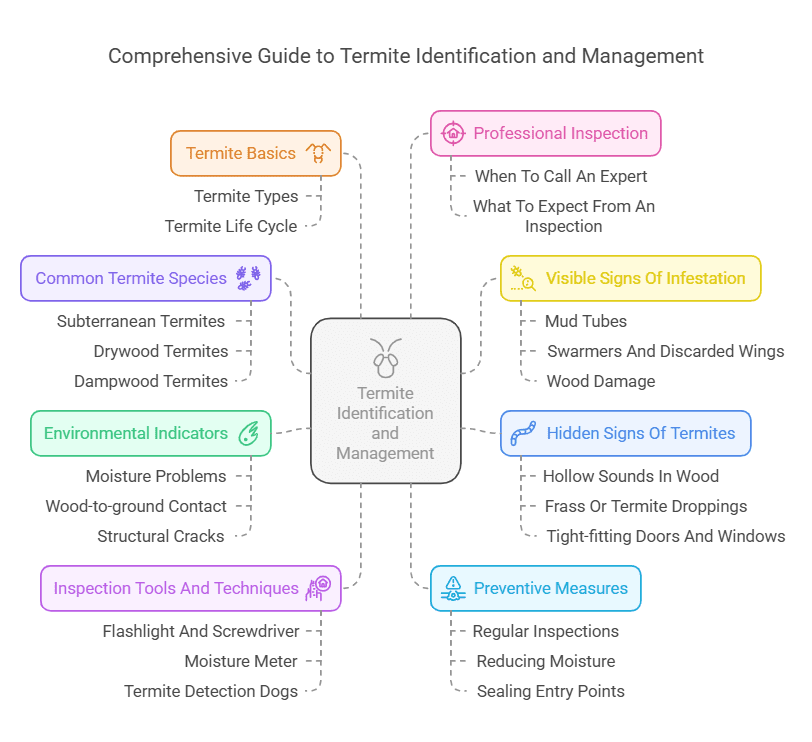
Common Termite Species
Termites can cause significant damage to homes and structures. Knowing the common termite species helps in identifying and treating these pests effectively. There are three main types of termites that homeowners should be aware of.
Subterranean Termites
Subterranean termites are the most common type. They live in the soil and build mud tubes to access above-ground food sources. These termites need moisture to survive. They often cause the most damage to structures.
Drywood Termites
Drywood termites do not need contact with soil. They live in dry wood and can be found in walls, furniture, and framing. These termites create small, smooth galleries inside wood. Their presence often goes unnoticed until significant damage occurs.
Dampwood Termites
Dampwood termites prefer moist wood. They are usually found in decaying wood and areas with high humidity. These termites are less likely to infest homes compared to subterranean and drywood termites. They still pose a risk, especially in damp environments.
Visible Signs Of Infestation
Termites can cause significant damage to your home. Spotting them early is crucial. Knowing the visible signs of infestation can help. Be vigilant and protect your property.
Mud Tubes
Termites build mud tubes to travel safely. These tubes are thin and long. They connect the ground to their food source. Check your foundation and walls for them. Break a section to see if termites are active.
Swarmers And Discarded Wings
Swarmers are reproductive termites. They leave the colony to start new ones. You may find them near windows or lights. Discarded wings are a sign of swarmers. Look for tiny, wing-shaped debris inside your home.
Wood Damage
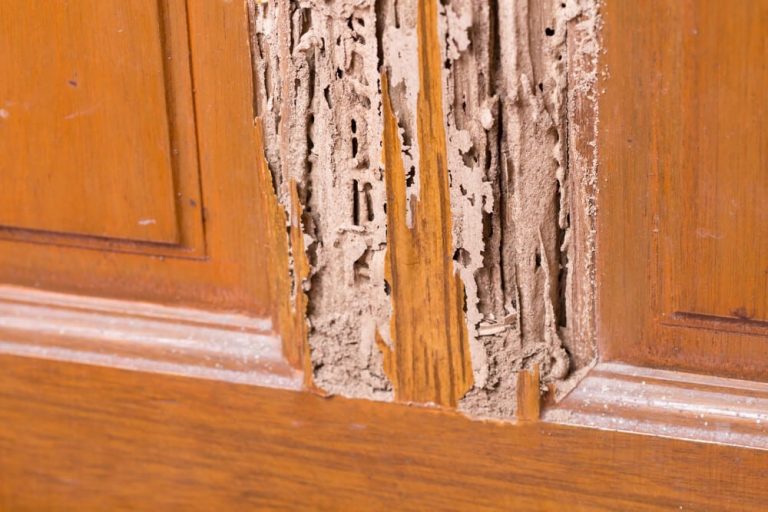
Termites eat wood from the inside out. Damaged wood sounds hollow when tapped. Paint may bubble or peel. You might see tiny holes. Check wooden structures and furniture carefully.
Hidden Signs Of Termites
Hey there! Worried about termites munching on your home? It’s crucial to spot the signs early. Most of the time, termites are sneaky. They hide in places you wouldn’t think to look. Lucky for you, I’ve got some tips to help you out. Let’s dive in!
Hollow Sounds In Wood
Ever noticed a strange hollow sound when you tap on your wooden furniture or walls? That could be a sign of termites. They love to munch on wood from the inside out. So, while the outside looks fine, the inside could be full of tunnels.
Here’s a quick test you can do:
- Gently tap on wooden surfaces.
- Listen for hollow or empty sounds.
- If it sounds hollow, you might have a termite problem.
I remember when I first heard that hollow sound in my kitchen cabinet. I thought it was just old wood. Turns out, it was termites! Better to check than to assume.
Frass Or Termite Droppings
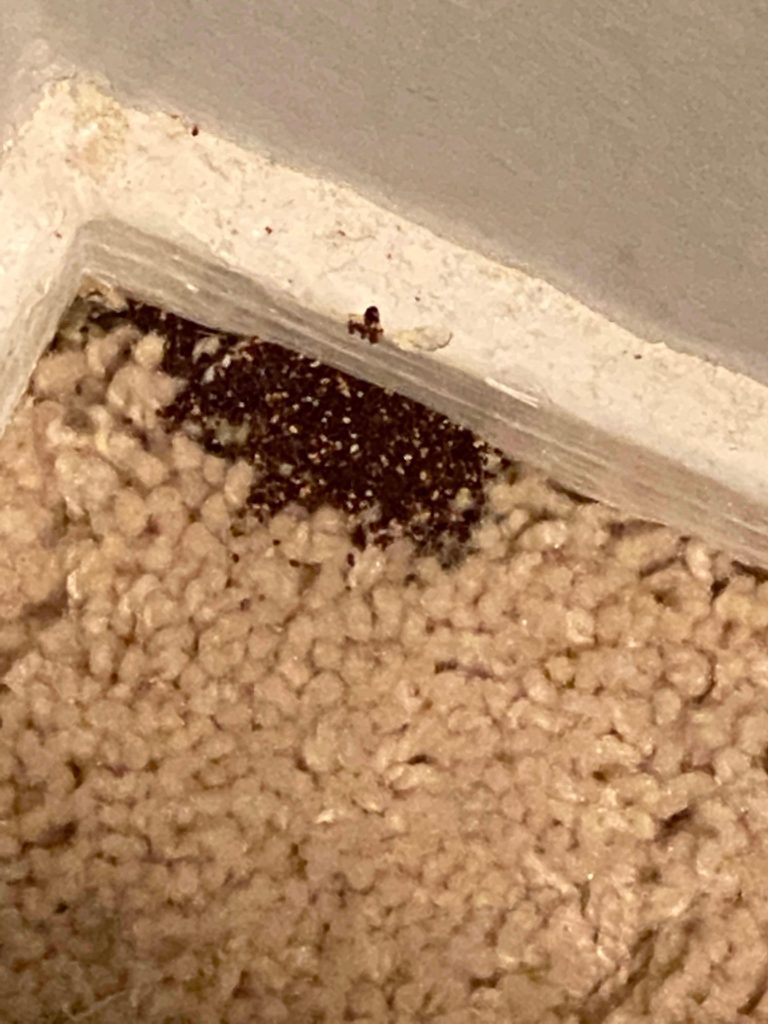
Termites leave behind droppings called frass. They look like tiny wood-colored pellets. You might find them near where termites are active. They often push these droppings out of their tunnels.
Look out for:
- Small piles of what looks like sawdust.
- Pellets near wooden structures.
Finding frass is like finding bread crumbs. It leads you straight to where termites are hiding.
Tight-fitting Doors And Windows
Have you noticed your doors or windows becoming hard to open or close? This can be another sign of termites. As they eat away at the wood, it can cause your doors and windows to warp.
Signs to watch out for:
- Doors that stick.
- Windows that don’t slide smoothly.
- Cracks around doors and windows.
I once had a window that was always sticky. I thought it was just age. Turns out, termites had been busy. Fixing it early saved me a lot of trouble later.
So there you have it! These hidden signs can help you catch termites before they cause too much damage. Keep an eye out, and you’ll keep your home safe from these tiny terrors.
Environmental Indicators
Hey friends, today let’s talk about how to tell if you have termites. There are some clear environmental indicators that can help you figure this out. These signs are easy to spot if you know what to look for. Pay attention to these clues, and you’ll be able to catch termite issues early on.
Moisture Problems
Termites love moisture. If you notice damp or wet areas around your house, this could be a sign of trouble. Check for:
- Leaky pipes
- Clogged gutters
- Poor drainage
These moisture problems create an ideal environment for termites to thrive. Fixing these issues can help keep termites away.
Wood-to-ground Contact
Termites need easy access to wood. If you have wood that touches the ground, it’s like a welcome mat for termites. Look around your home for:
- Wooden fences
- Deck posts
- Tree stumps
Keep wood off the ground to reduce the risk. Use concrete or metal barriers if possible.
Structural Cracks
Termites are small, but they can cause big problems. They often enter homes through tiny cracks in the structure. Inspect your house for:
- Cracks in the foundation
- Gaps around windows and doors
- Splits in wooden beams
Sealing these cracks can help protect your home. It’s like putting up a wall against termites.
Remember, these are just a few environmental indicators to watch for. By keeping an eye on these signs, you can take action before termites cause serious damage. Stay vigilant and keep your home safe from these pesky invaders.

Credit: mandmpestcontrol.com
Inspection Tools And Techniques
Inspecting for termites is crucial to protect your home. Using the right tools and techniques makes the process effective. Let’s discuss some of the most reliable inspection tools and techniques.
Flashlight And Screwdriver
A flashlight helps you see in dark corners. Termites love these spots. A screwdriver tests wood strength. Tap the wood with it. If the wood sounds hollow, termites might be inside. Look for small holes or tunnels.
Moisture Meter
Termites thrive in moist areas. A moisture meter helps find damp spots. These spots are at risk for termites. Use the meter on walls and floors. High readings mean you should inspect further.
Termite Detection Dogs
Some dogs are trained to sniff out termites. Their sense of smell is powerful. They can find termites faster than humans. If a dog alerts you, inspect the area closely. These dogs can be very accurate.
Professional Inspection
Hey there! Today, let’s dive into an important topic: Professional Inspection for termites. Termites can cause a lot of damage before you even notice them. So, knowing when to call in the pros can save you a lot of trouble. Below, we’ll talk about when to call an expert and what to expect during an inspection. Ready? Let’s get started.
When To Call An Expert
Not sure when to get help? Here are some signs it’s time:
- Seeing small, winged insects around windows or doors.
- Finding mud tubes on walls or foundations.
- Noticing wood that sounds hollow when tapped.
- Discovering piles of tiny wings.
If you spot any of these signs, it’s best to call a termite expert. They know exactly what to look for and can tell if you really have a termite problem.
What To Expect From An Inspection
So, you’ve called in the pros. What happens next?
- Initial Discussion: The inspector will ask you about what you’ve noticed. This helps them understand where to start.
- Thorough Examination: They will check your home, inside and out. They look for signs of termites in walls, floors, and even the attic.
- Tools and Technology: Sometimes, they use special tools like moisture meters or infrared cameras. These tools help them find termites that are hidden.
- Detailed Report: After the inspection, you’ll get a report. It will tell you if you have termites, where they are, and what to do next.
The good news? These experts know their stuff. They can give you the best advice on how to handle termites and keep your home safe.
Remember, catching termites early can save you a lot of money and stress. So if you see any warning signs, don’t wait. Call a professional and get peace of mind.
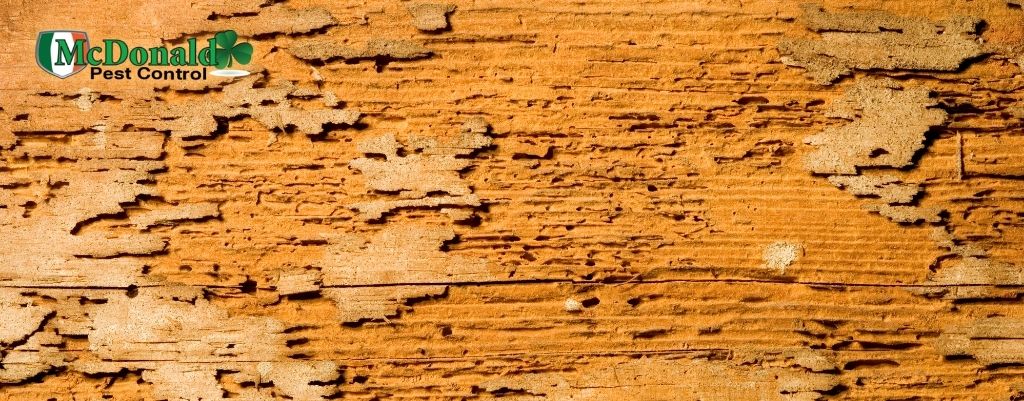
Credit: www.mcdonaldpestcontrol.com
Preventive Measures
Hey friends, today we’re diving into a really important topic: How to Tell Termites. But more importantly, we’ll discuss how to keep these pesky critters away from your home. Because let’s face it, prevention is better than cure. Right? So, let’s explore some easy preventive measures that can save you a lot of trouble down the line.
Regular Inspections
First things first. Regular inspections. This is like going to the doctor for a check-up. You don’t want to wait until something is seriously wrong. Check your home for termites at least once a year. Look for signs like:
- Hollow-sounding wood
- Mud tubes on walls
- Discarded wings from swarmers
Trust me, a little effort here can save you from big problems later. I once ignored this step, and boy, did I regret it! My wooden floor almost collapsed.
Reducing Moisture
Termites love moisture. It’s like their favorite snack. So, reducing moisture around your home is key. Here are some simple tips:
- Fix leaky pipes and faucets
- Ensure proper drainage around your home
- Use a dehumidifier in damp areas
Think of it like this: if your home is dry, termites will look for a more inviting place. A little dryness can go a long way in keeping termites at bay.
Sealing Entry Points
Last but not least, sealing entry points. Imagine your home is a fortress. You want to block every possible entry for these invaders. Here’s how:
- Seal cracks in the foundation and walls
- Install screens on vents
- Keep wood piles away from your home
It’s like putting up a “No Entry” sign for termites. Simple, but very effective.
So there you have it! Regular inspections, reducing moisture, and sealing entry points. These three steps can make a world of difference. Remember, it’s easier to prevent termites than to get rid of them once they’ve invaded. Happy termite-free living!
Frequently Asked Questions
How Do You Determine If You Have Termites?
Check for mud tubes, damaged wood, discarded wings, and droppings. Listen for clicking sounds inside walls.
Can You Visibly See Termites?
Yes, you can see termites. They often appear as small, pale insects. Signs include mud tubes, wood damage, and discarded wings.
What Bug Can Be Mistaken For Termites?
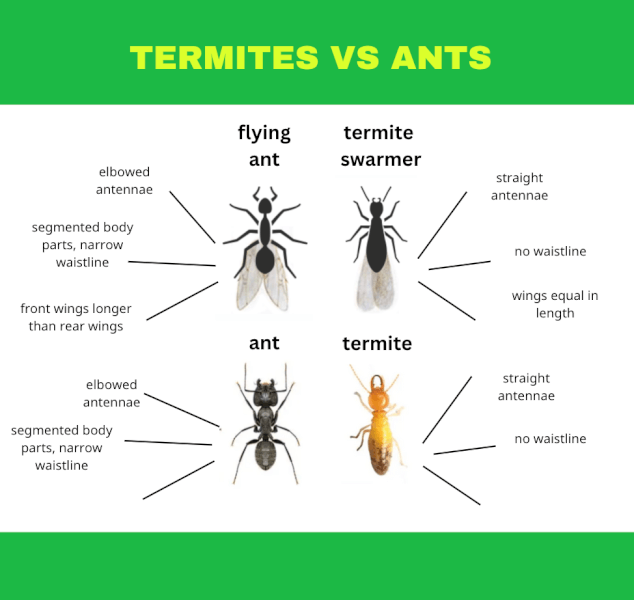
Carpenter ants can be mistaken for termites. They both damage wood but have different behaviors and appearances.
Can I Spray For Termites Myself?
Yes, you can spray for termites yourself using over-the-counter products. However, professional treatment is often more effective.
Conclusion
Detecting termites early can save you stress and money. Look for signs like mud tubes, hollow wood, and discarded wings. Regular inspections help catch infestations. If you see anything suspicious, contact a professional for advice. Prevention is key. Keep your home protected by maintaining wood and reducing moisture.
Stay vigilant, and your home will remain termite-free.