Hardwood Flooring Installation Cost in the USA: Your 2026 Guide to Budgeting Smart
Hey there, friend! If you’re dreaming of beautiful hardwood floors in your home, you’re not alone. There’s something timeless about the warm glow of wood underfoot, and I’ve been through the process of installing them myself. But let’s talk about the big question: how much does hardwood flooring installation cost in the USA in 2025? As someone who’s researched this topic extensively and worked with contractors, I’m excited to break it all down for you.
This guide will cover costs, factors that affect pricing, and tips to save money, all while keeping things simple and engaging. Whether you’re renovating a cozy bedroom or your entire house, let’s figure out what to expect and how to plan your budget. Grab a coffee, and let’s dive in!
Why Hardwood Floors Are Worth the Investment
Before we get to the numbers, let me share why I love hardwood floors. They’re durable, easy to clean, and add serious value to your home. According to the National Realtor Association’s 2022 report, new hardwood floors can recoup 118% of their cost when you sell your home, and refinishing old ones can recover 147%. That’s practically paying for itself! But hardwood isn’t cheap, so understanding the costs upfront is key. I learned this the hard way when I underestimated my first flooring project and had to scramble to cover extra expenses. Let’s make sure you’re prepared.
Average Hardwood Flooring Installation Costs in 2025
Based on my research and experience, the average cost to install hardwood flooring in the USA in 2025 ranges from $6 to $25 per square foot, including materials and labor. For a typical 500-square-foot room, that’s about $3,000 to $12,500. For a 2,000-square-foot home, you’re looking at $12,000 to $50,000, depending on the wood type and project complexity. These figures come from trusted sources like Angi, HomeGuide, and Bankrate, which I’ve cross-checked for accuracy.
Here’s a quick breakdown of what you might pay based on room size:
| Room Size (sq ft) | Low-End Cost ($6/sq ft) | High-End Cost ($25/sq ft) | Average Cost |
|---|---|---|---|
| 200 (small bedroom) | $1,200 | $5,000 | $2,400 |
| 500 (living room) | $3,000 | $12,500 | $6,250 |
| 1,200 (multiple rooms) | $7,200 | $30,000 | $15,600 |
| 2,000 (whole house) | $12,000 | $50,000 | $25,000 |
These are ballpark numbers. Your actual cost depends on several factors, which I’ll explain next.
Factors That Affect Hardwood Flooring Installation Costs
When I planned my hardwood installation, I was surprised by how many variables impacted the price. Here’s what you need to consider, based on my experience and industry insights:
Type of Hardwood Flooring
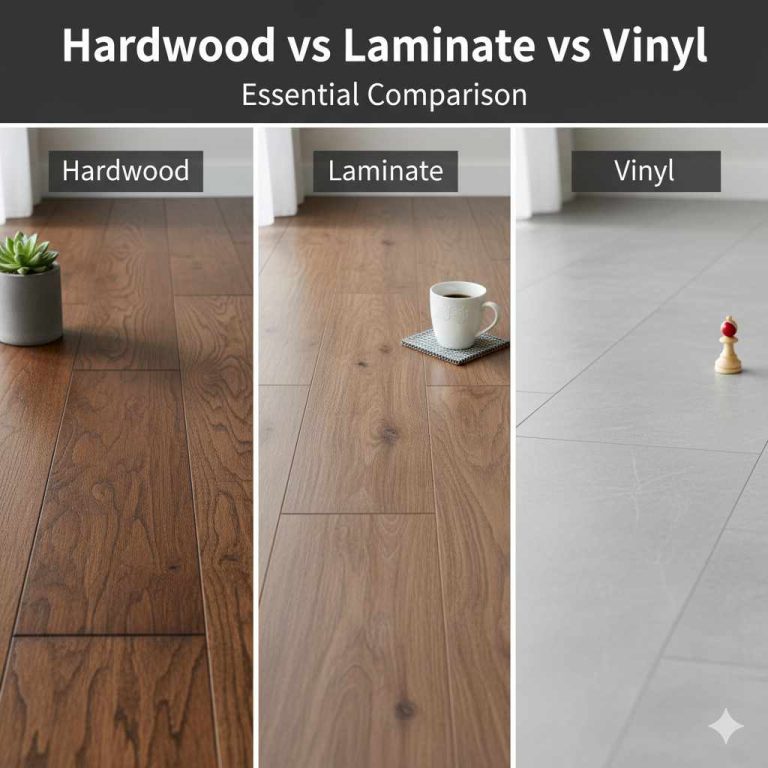
The type of wood you choose makes a huge difference. I went with engineered hardwood for my basement because it’s more moisture-resistant, but I splurged on solid hardwood for my living room. Here’s how they stack up:
- Solid Hardwood: Made from a single piece of wood, it’s durable and can be refinished multiple times. Costs range from $5 to $28 per square foot installed, with materials alone at $4 to $15. Popular species like red oak are cheaper ($3–$6/sq ft), while exotic woods like Brazilian walnut or mahogany can hit $12–$20/sq ft.
- Engineered Hardwood: A thin hardwood layer over a plywood core, it’s more affordable and stable in humid areas. Costs are $7 to $20 per square foot installed, with materials at $3 to $14.
- Parquet Flooring: Small wood pieces arranged in geometric patterns like herringbone. It’s pricier at $13 to $40 per square foot due to complex installation.
- Parquet-Style Tiles: A budget-friendly alternative, these mimic parquet but cost $10 to $16 per square foot.
I learned that domestic woods like oak, maple, or hickory are more affordable ($4–$8/sq ft) than exotic species like teak or Brazilian cherry ($8–$12/sq ft). Thicker planks (3/4 inch) cost more but last longer than thinner ones (5/16 inch).
Labor Costs
Labor is a big chunk of the budget—often 50% to 70% of the total cost. I paid about $4 per square foot for labor in my area, but it can range from $3 to $10 per square foot. Why the variation? It depends on:
- Location: Urban areas like New York or San Francisco have higher rates than rural regions. In my Midwest town, labor was on the lower end.
- Installer Experience: Skilled contractors charge more, but it’s worth it for a flawless finish. My friend hired a cheap installer and ended up with gaps in the floor—don’t make that mistake!
- Installation Method: Nail-down is cheapest, glue-down costs more, and prefinished floors save on labor since they don’t need onsite finishing ($1–$3/sq ft extra for sanding and staining).
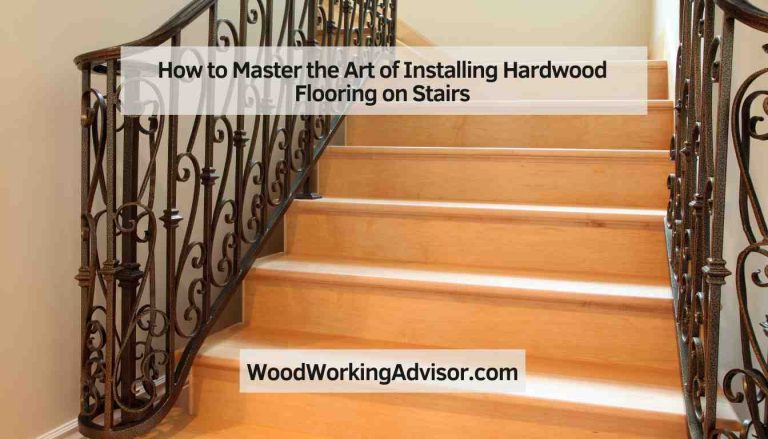
- Project Complexity: Diagonal patterns, custom borders, or stairs increase labor time. My staircase added $1,000 to my project because it was so labor-intensive.
Room Size and Layout
Bigger spaces cost more overall but may have a lower per-square-foot rate due to economies of scale. My 500-square-foot living room was cheaper per square foot than my 200-square-foot bedroom. Odd-shaped rooms or obstacles like islands or built-ins require precise cuts, bumping up labor costs.
Subfloor Preparation
A stable subfloor is crucial, and prep work can add up. My contractor had to level my uneven subfloor, which cost $1.50 per square foot. Common prep tasks include:
- Leveling: $1–$2/sq ft to smooth uneven surfaces.
- Moisture Barriers: $1–$2/sq ft, essential in humid areas or basements.
- Subfloor Repairs: $1.20–$1.40/sq ft for plywood, fasteners, or glue.
If your subfloor is in good shape, you’ll save here. I recommend getting it inspected before starting.
Removal of Existing Flooring
Got carpet or tile? Removing it costs extra. I paid $1.50 per square foot to rip out old carpet. Here’s what to expect:
- Carpet Removal: $1–$2/sq ft.
- Tile or Laminate Removal: $2–$3/sq ft, due to extra labor and equipment.
If you’re replacing existing hardwood, removal might be pricier, especially if it’s glued down.
Additional Costs
Don’t forget these extras, which caught me off guard:
- Moving Furniture: Some contractors include this; others charge $100–$500. I moved my own to save cash.
- Trim and Transitions: Baseboards or transitions between rooms add $1–$3/sq ft.
- Finishing Touches: Sanding, staining, and sealing unfinished floors cost $1–$3/sq ft.
- Permits: Some areas require permits, costing $50–$200.
- General Contractor Fees: If you hire a GC to oversee the project, add 13%–22% to the total.
Cost Breakdown by Wood Species
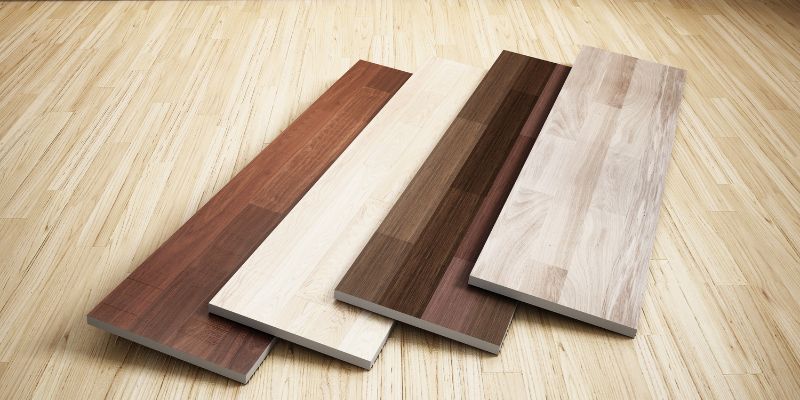
To give you a clearer picture, here’s a table of popular wood species and their material costs (excluding labor):
| Wood Species | Material Cost per Sq Ft | Notes |
|---|---|---|
| Red Oak | $3–$6 | Affordable, common, durable |
| White Oak | $5.50–$15 | Trendy, less common, pricier |
| Maple | $4–$8 | Hard, great for high-traffic areas |
| Hickory | $4–$8 | Rustic look, very durable |
| Brazilian Cherry | $8–$12 | Exotic, rich color, costly |
| Teak | $8–$12 | Moisture-resistant, premium |
| Mahogany | $10–$20 | Luxurious, high-end |
| Walnut | $8–$15 | Dark, elegant, moderately expensive |
Add $3–$10 per square foot for labor, depending on your area and installation method.
DIY vs. Professional Installation
When I first considered hardwood floors, I thought about DIY to save money. After researching, I realized it’s not always the best choice. Here’s what I learned:
- DIY Installation: You’ll save on labor ($3–$10/sq ft), but you need tools (nail gun, saws, sanders) and skills. Materials still cost $4–$15/sq ft. I tried DIY for a small room and wasted wood due to mistakes. Unless you’re experienced, DIY can lead to costly errors.
- Professional Installation: Pros ensure a seamless finish and handle subfloor prep, which is tricky. My contractor’s work was flawless, and the time savings were worth it. For 500 square feet, expect to pay $1,500–$5,000 in labor alone.
If you’re set on DIY, start with a small, low-traffic area like a closet to practice. Otherwise, get quotes from at least three pros—I did, and it helped me find a fair price.
How to Save Money on Hardwood Flooring Installation
Hardwood floors are a big investment, but I found ways to keep costs down without sacrificing quality. Here are my tips:
- Choose Affordable Woods: Red oak or maple are durable and cheaper than exotics. I went with red oak for my dining room and love the classic look.
- Opt for Engineered Hardwood: It’s less expensive and works in moisture-prone areas like kitchens. I used it in my basement and saved about $2,000 compared to solid wood.
- Buy Prefinished Floors: These skip onsite finishing, saving $1–$3/sq ft. My prefinished planks were a breeze to install.
- Shop Sales: Retailers like Home Depot or Lowe’s often have discounts in off-season months like January. I scored a deal on oak planks during a winter sale.
- Do Prep Work Yourself: Remove old flooring or move furniture to cut labor costs. I saved $300 by clearing my room beforehand.
- Get Multiple Quotes: I got three quotes, and prices varied by $1,500 for the same job. Compare rates and check reviews on sites like Angi.
- Consider Refinishing: If you have existing hardwood, refinishing costs $3–$8/sq ft—way less than new installation. My neighbor refinished their floors and they look brand-new.
Regional Cost Variations
Where you live affects costs big time. When I compared quotes, I noticed differences even within my state. Here’s a rough guide based on 2025 data:
- Northeast (e.g., New York, Boston): $10–$30/sq ft due to high labor rates and demand.
- South (e.g., Atlanta, Dallas): $6–$18/sq ft, more affordable labor and materials.
- Midwest (e.g., Chicago, St. Louis): $7–$20/sq ft, moderate rates.
- West (e.g., Los Angeles, Seattle): $10–$25/sq ft, higher costs in urban areas.
Enter your zip code on sites like Homewyse or Inch Calculator for localized estimates. My Midwest project was on the lower end, but friends in California paid nearly double.
Hidden Costs to Watch Out For
I got hit with a few unexpected expenses, so let me save you the headache:
- Delivery Fees: Some suppliers charge $50–$200 to deliver materials. Check if it’s included.
- Waste Factor: Order 5%–10% extra wood for cuts and mistakes. I underestimated and had to rush-order more, which was pricey.
- Moisture Testing: In humid areas, pros may test for moisture ($100–$300) to prevent warping.
- Disposal Fees: Removing old flooring may include disposal costs ($50–$200).
Ask your contractor for a detailed quote covering all these extras. I wish I’d done this upfront!
Why Hardwood Floors Are a Smart Choice
After installing hardwood in my home, I can’t imagine going back to carpet or vinyl. The cost stung at first, but the beauty, durability, and value make it worthwhile. My floors handle heavy foot traffic from kids and pets, and they still look stunning after two years. Plus, they’re easy to clean—just a quick sweep and occasional mop.
If you’re on the fence, start small with a single room to test the waters. Get quotes, explore wood options, and plan your budget carefully. Sites like Home Depot, Angi, or HomeGuide are great for researching materials and finding pros. With a little planning, you’ll have floors you love without breaking the bank.
So, what’s your next step? Measure your space, decide on a wood type, and start gathering quotes. Your dream floors are closer than you think, and I’m rooting for you to make it happen!
Frequently Asked Questions About Hardwood Flooring Installation Costs
What’s the average cost to install hardwood floors in 2025?
The average cost is $6 to $25 per square foot, including materials and labor. For a 500-square-foot room, expect $3,000 to $12,500. Costs vary by wood type, location, and project complexity.
Is solid hardwood more expensive than engineered hardwood?
Yes, solid hardwood costs $5 to $28 per square foot installed, while engineered hardwood is $7 to $20. Engineered is cheaper and better for humid areas, but solid lasts longer and can be refinished more often.
How much does labor cost for hardwood floor installation?
Labor runs $3 to $10 per square foot, depending on location, installer experience, and installation method. Complex patterns or stairs increase costs. My 500-square-foot room cost $2,000 in labor.
Can I save money by installing hardwood floors myself?
You can save $3–$10 per square foot on labor, but DIY requires skills and tools. Mistakes can waste expensive materials. I recommend pros for most homeowners, but try DIY for small areas if you’re experienced.
What’s the cheapest hardwood flooring option?
Red oak is the most affordable at $3–$6 per square foot for materials. Engineered hardwood and prefinished planks also cut costs. I used red oak and saved thousands compared to exotic woods.
Do I need to remove old flooring before installing hardwood?
Yes, removing carpet, tile, or laminate costs $1–$3 per square foot. It ensures a smooth subfloor. I removed my carpet myself to save $300, but leave tile to pros for safety.