Door Sticks at Top: How to Fix It (Hinges, Sanding & Trimming)
A door that sticks at the top is usually a sagging door: loose top-hinge screws let the latch side drop until its upper corner rubs the head jamb. Tighten or lengthen those screws first, then shim the bottom hinge, and plane the door only as a last resort. Swelling and paint buildup are the other common causes. This guide shows how to read the rub marks, fix each cause, and spot doors you should not trim.
Reasons Why Doors Stick At The Top
Best Hinge Screw Pick
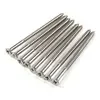 |
Long Wood Screws for Door Hinges, Satin Nickel #9 x 3 Inch (24-Pack), $9.99 Flat-head Phillips screws long enough to pass through the jamb into the framing. That is the longer-screw fix this guide puts first for a door that rubs at the top latch corner.
|
As an Amazon Associate we earn from qualifying purchases.
Before you pick up a tool, find out where the door rubs, because the location points to the cause. Close the door and look at the gap around it. A well-hung door has an even reveal of roughly 3/32 inch along the top and sides, according to Fine Homebuilding’s door repair guide. When the gap on the hinge side grows wider while the latch side closes up, the door is binding at the top.
| What you see with the door closed | Most likely cause | Start with this fix |
|---|---|---|
| Wide gap on the hinge side, tight or zero gap at the latch-side top corner | Loose top-hinge screws, door has sagged | Tighten, then replace with longer screws |
| Hinges are tight but the latch-side top corner still rubs | Door hangs slightly out of square in the frame | Shim behind the bottom hinge’s jamb leaf |
| Rub marks along the whole top edge, worse in humid weather | Door has swollen with moisture | Mark, dry, then sand or plane a little; seal the edge |
| Rub or bind near a hinge, hinge leaf sits proud of the surface | Paint buildup or a hinge not seated in its mortise | Remove the hinge, clean the mortise, reseat |
| Several doors stick, plus cracks above door openings | Frame or house movement | Inspect the frame before trimming any door |
Sagging of the Door
The top hinge carries most of the door’s weight. Over the years its screws work loose in the thin jamb, the door drops on the latch side, and the top corner presses into the head jamb. You can confirm it by the gap check above: wide on the hinge side, tight at the top latch corner. This is the cause behind most searches for a door sticking at the top, and it is fixed at the hinge, not by cutting the door.
Expansion of the Door
Wood takes on moisture and swells across its width, which is why doors stick in humid months and loosen in dry ones. Exterior doors and doors near bathrooms are the usual victims, and an unsealed top edge soaks up the most. If the door rubs along the full top edge and only in damp weather, swelling is the likely cause. A heavily warped panel is a different job; see our guide on how to straighten a bowed door.
Faulty Hinges and Paint Buildup
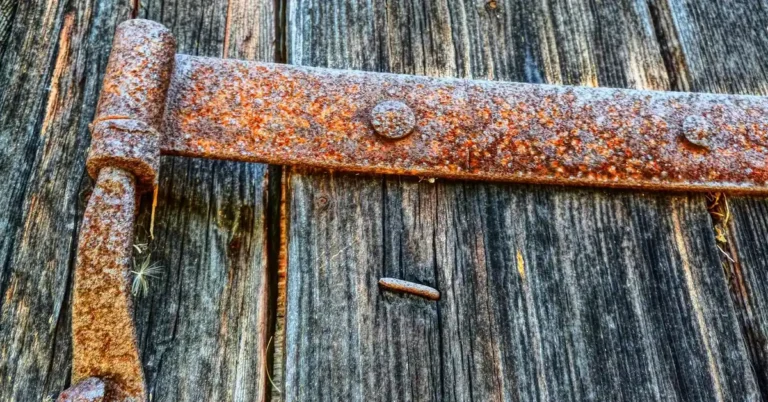
Layers of paint on a hinge leaf or in its mortise push the hinge out and tilt the door, and a bent leaf does the same. Open the door to 90 degrees and look along the hinge edge: each leaf should sit flush with the door edge and the jamb. A hinge sitting proud pushes the door away from the jamb at that point.
Quick Fixes For A Sticking Door
Work through these in order and stop as soon as the door swings freely. The first three are reversible and need only a screwdriver and some cardboard.
Tighten The Hinges
Open the door and tighten every screw in the top and middle hinges. Pay most attention to the top hinge, since it controls where the top latch corner sits. Close the door and test. If it clears, you are done. If a screw turns without gripping, move to the next step; our guide to loose door hinge screws covers the toothpick and dowel repairs in detail.
Add Or Replace Hinge Screws
Stripped holes are the real reason most hinges keep loosening. Replace the short factory screws in the top hinge’s jamb leaf with longer ones. Fine Homebuilding suggests screws about 1-1/2 inches longer than the originals, so a #9 x 3 inch screw is a common choice. It passes through the jamb and bites the framing behind it, which pulls the top of the door back toward the hinge side. If the hole itself is blown out, see how to fix door hinge holes that are too big first.
Shim The Bottom Hinge
If the hinges are tight but the top latch corner still rubs, shim the bottom hinge. Loosen the screws on its jamb leaf a few turns, cut a cardboard strip about 1/2 inch wide and nearly as long as the hinge, slide it behind the leaf, and retighten. That is the same bottom-hinge shim Fine Homebuilding gives as the step after new screws. Add one strip at a time and test, because a little tilt goes a long way.
How To Fix A Door That Rubs Against The Top
Plane or sand only after the hinges are ruled out, because removed wood cannot be put back. Use this order:
- Mark the rub spot: close the door on a strip of paper or rub chalk on the head jamb, and note where the scuff marks land on the door’s top edge.
- Remove the door: lift it off its hinge pins, or unscrew the hinges, and lay it on sawhorses.
- Sand or plane a little: use 80-grit paper or a sharp hand plane, taking off only a small amount per pass. Fine Homebuilding recommends planing the latch-side edge with a bevel of about 3 degrees.
- Rehang and test: close the door and check the reveal again before removing any more.
- Seal bare wood: prime and paint every cut or sanded edge, top edge included, so moisture cannot swell it again.
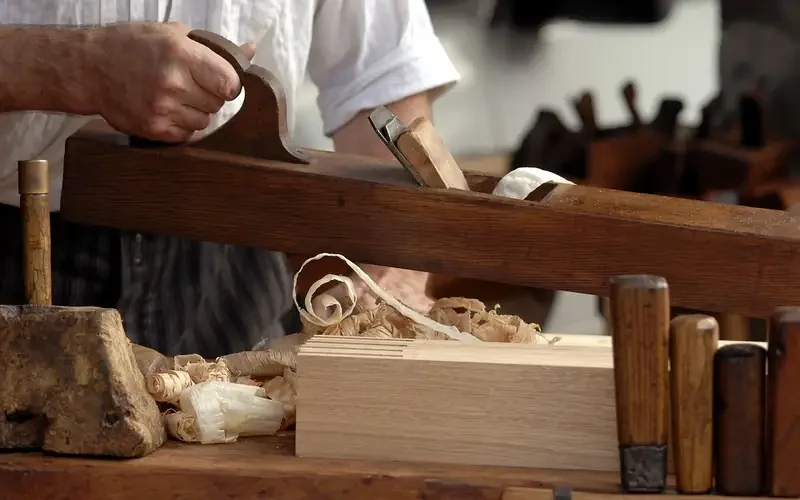
Treat trimming as the last step. If you planed a swollen door in the humid season, it may fit loosely when the air dries out, so wait for the door to stop moving or take less off than looks necessary.
How To Fix A Door That Catches On The Top Corner
A catch at the top corner on the latch side is the classic sag, and the screw fix above handles it. A catch at the top on the hinge side points elsewhere: check for paint buildup under the hinge leaf or a leaf that is not flush in its mortise.
Bending the Hinges
For fine adjustment, Fine Homebuilding notes the knuckle of the hinge leaf on the door can be bent slightly with an adjustable wrench to shift the door in the frame. Make small changes and retest, since over-bending is hard to undo. If a door only catches in one place and the hinges are sound, a bent leaf is worth checking before you plane.
How To Fix A Sticking Exterior Door
Exterior doors face rain, sun and big temperature swings, so swelling is more likely than on an interior door. The hinge fixes above still apply first, then add these checks.
Lubricating the Hinges
A dry PTFE lubricant on the hinge pins reduces friction on a door that is only slightly out of line. Use a dry spray rather than oil outdoors, since oil collects dust and turns gummy. Lubricant will not cure a real sag.
Replacing the Weatherstripping
Compressed or flattened weatherstripping along the top can feel like a sticking door even when the slab is aligned. If it has flattened badly, replace it before cutting any wood.
Checking for Moisture Damage
A door that sticks only in summer or after rain is probably swelling through an unfinished or damaged top edge. Press the edge with a fingernail: soft, spongy wood means rot. If it is sound, remove the door, let the edge dry fully, seal it with exterior primer and paint, and rehang. If rot is present, see our guide to fixing wood rot around doors or replace the door.
Data point: clearance limits show how little room a door really has. For fire-rated doors, head and jamb clearance is limited to about 1/8 inch under NFPA 80, per this fire door clearance summary. Ordinary doors are looser, but the principle holds: a few sixteenths of an inch is the margin.
When To Call For Professional Help
Complicated Door Issues
If the door sticks across its whole top edge and the gap is out of parallel with the frame, the frame itself may have shifted, which is common in older houses that have settled. Shimming or re-setting a frame is a bigger repair; start with our guide to fixing a door frame.
Fire-Rated Doors
Do not plane or trim a fire-rated door on a hunch. The fire door clearance summary above advises against planing a labeled door and points to listed door shoes or adjustable thresholds for gaps, because unlisted changes can void the label. A fire door that sticks still needs repair so it latches, so have a qualified door technician handle it.
When Nothing Works
If you have lengthened the screws, shimmed the hinges and sanded the spot, and the door still sticks, the cause is probably the frame rather than the door. A carpenter can check whether the frame is out of square. For more fixes like these, browse our woodworking tips and repair guide.
Frequently Asked Questions On Door Sticks At Top
How Do You Fix A Door That Is Sticking To The Top?
Tighten every screw in the top hinge first. If the screws spin without gripping, replace them with longer ones that reach the framing. If the door still rubs, slip cardboard shims behind the jamb leaf of the bottom hinge. Plane or sand the rubbing spot only after the hinges are ruled out, and seal any bare wood afterward.
How Do You Fix A Door That Sags At The Top?
A sagging door is fixed at the hinges, not the door. Replace the loose top-hinge screws with longer screws so the hinge pulls the door back toward the jamb. If it still sags, shim behind the bottom hinge’s jamb leaf. The aim is an even gap of roughly 3/32 inch along the top and sides.
How Do You Fix A Door That Binds At The Top?
First work out whether it is the hinges or the door. If the gap on the hinge side is wide and the latch-side top corner rubs, fix the hinges. If the door binds along the whole top edge only in humid weather, it has swollen; mark the rubbing spot, then sand or plane a little at a time and seal the bare edge.
Why Is My Door Scraping The Top?
The latch-side top corner is dragging on the head jamb. In order of likelihood, the causes are loose top-hinge screws, a swollen door, paint buildup on the edge or under the hinge leaves, and a frame that has shifted. Check the gaps with the door closed: wide on the hinge side and tight on the latch side points to a sag.
Does a door sticking at the top mean foundation problems?
Not usually. One door rubbing at one corner is almost always a hinge or moisture problem. Suspect the structure when several doors stick, cracks run from the corners of door openings, and floors slope. In that case, have the frame or foundation inspected before you plane any door.
What is the metal piece on top of a door that is not a hinge?
On most doors that arm or cylinder at the top is a door closer, a spring or hydraulic device that pulls the door shut. A closer can make a door feel stiff or slam, but it does not cause rubbing at the head jamb. A rub there still comes back to the hinges or swelling.
Conclusion
Fix a door that sticks at the top in this order: read the gap, tighten the top-hinge screws, swap in longer screws, shim the bottom hinge, then sand or plane the marked spot and seal it. Only call a pro if the frame has moved or the door is fire rated.
Sponsored / affiliate links. As an Amazon Associate I earn from qualifying purchases. I may earn additional commission from eligible campaigns.