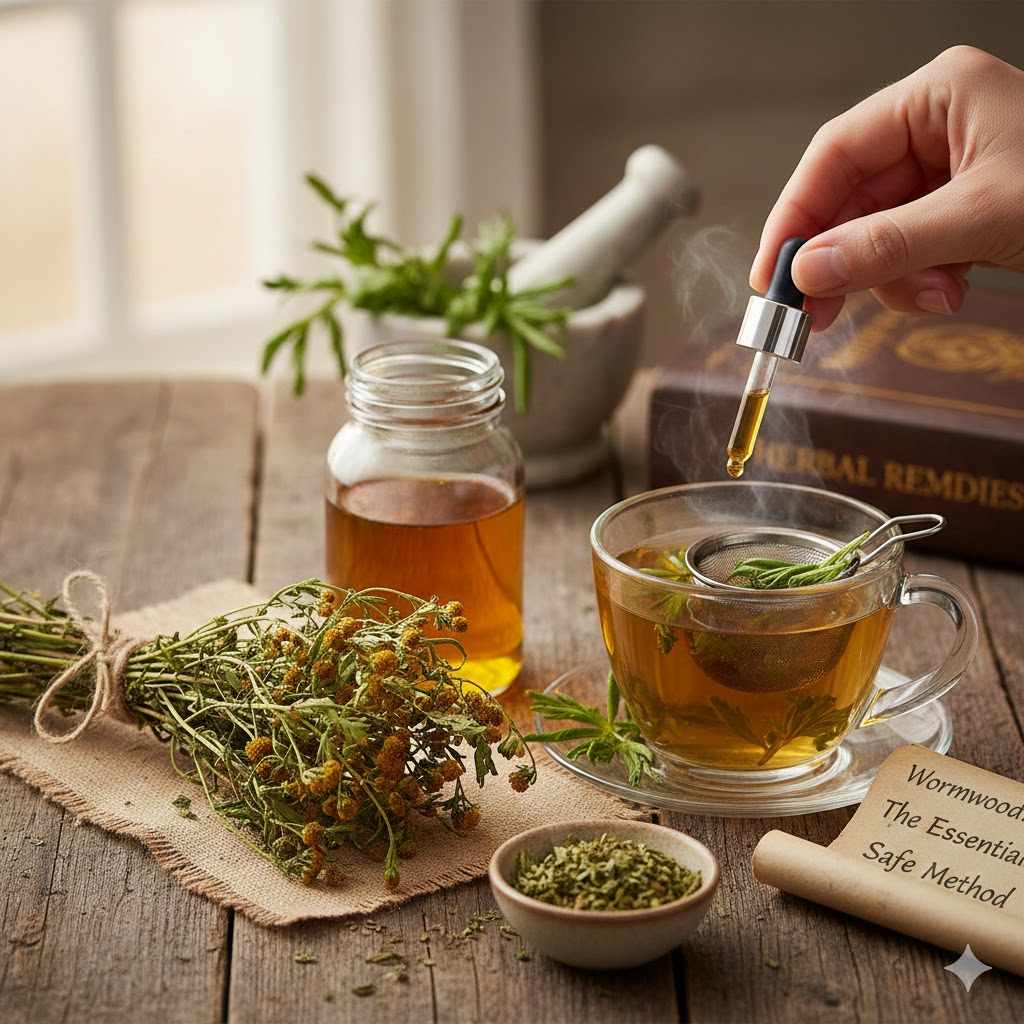
How To Use Wormwood: The Essential Safe Method
To use wormwood safely, prepare a weak tea by steeping one-half to one teaspoon of dried leaves in hot water for 5-10 minutes. This method helps control the dosage of its potent compounds. Always use wormwood for short periods, typically no more than four weeks, and consult a healthcare professional before starting.
Have you heard about wormwood? It’s a powerful herb with a long, and sometimes confusing, history. Many people are curious about its benefits but feel a little nervous about using it. The stories about absinthe and its strong compounds can make anyone feel cautious. And that’s a good thing!
Feeling unsure is totally normal. But you don’t have to stay in the dark. Using wormwood safely is possible when you have the right knowledge. It’s all about understanding the correct method, the right amount, and the most important safety rules.
In this guide, I’ll walk you through everything, step-by-step. We will cover the single best way for a beginner to use wormwood. You will learn how to prepare it correctly and use it with confidence. Let’s get started.
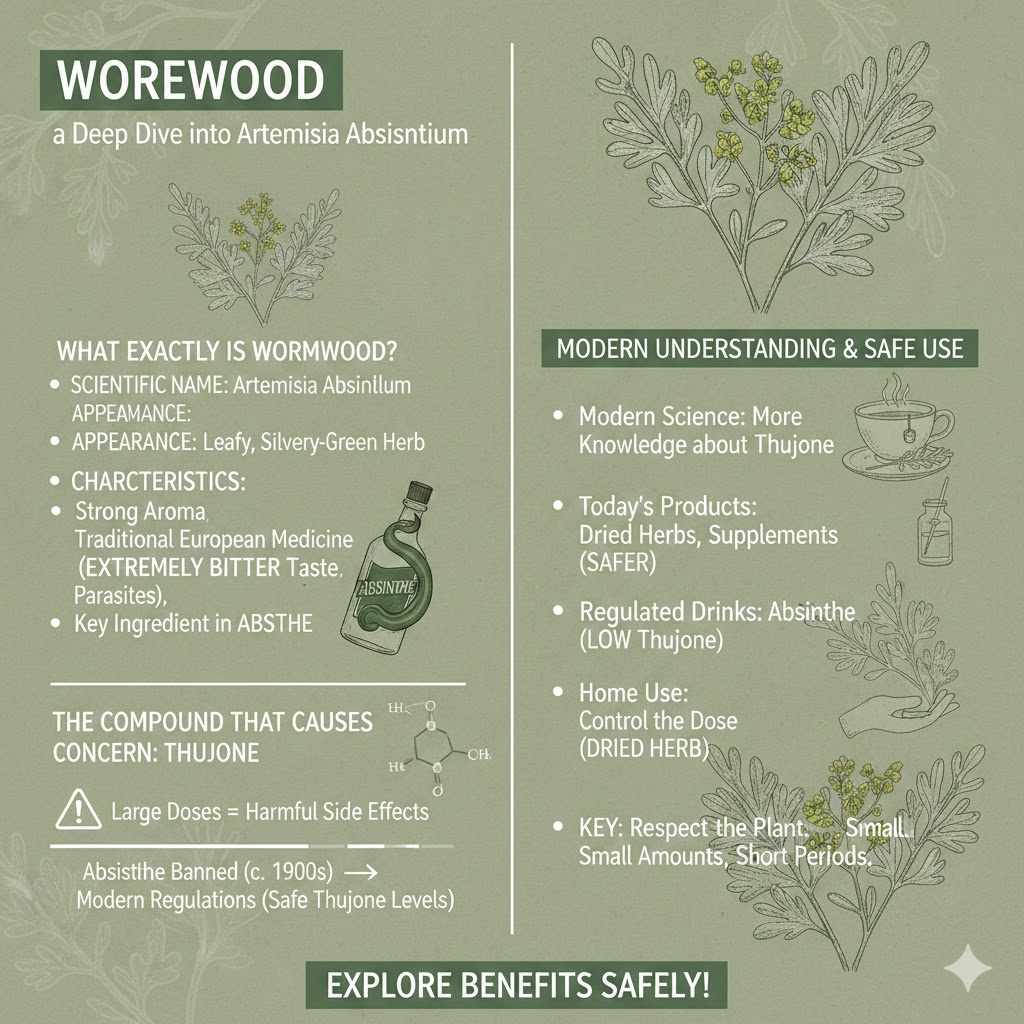
What Exactly Is Wormwood?
Before we learn how to use it, let’s get to know this famous plant. Wormwood, known scientifically as Artemisia absinthium, is a leafy, silvery-green herb. It has a very distinct, strong smell and an extremely bitter taste. This bitterness is a clue to its powerful properties.
For centuries, people all over the world have used wormwood. It was a key ingredient in traditional European medicine, often used to help with digestion and get rid of parasites. Its most famous use, of course, was in the green alcoholic drink called absinthe.
The Compound That Causes Concern: Thujone
The main reason for caution with wormwood is a chemical compound it contains called thujone. In very large doses, thujone can be harmful and cause serious side effects. This is why absinthe was banned in many countries for nearly a century.
However, modern science has shown us a lot more about thujone. The wormwood products available today, including dried herbs for tea and supplements, are much safer. Drinks like absinthe are now regulated to contain only very small, safe amounts of thujone. When you use the dried herb at home in the right way, you control the dose and keep it safe.
The key is respect for the plant. By using small amounts for short periods, you can safely explore its potential benefits without worry.
The Safest Way to Use Wormwood: A Simple Tea Infusion
For beginners, the absolute best and safest method is making a simple wormwood tea. This is also called an infusion. This gentle method allows you to get the benefits of the plant’s compounds without extracting too much thujone. It is easy to control, simple to make, and has been the traditional way to take wormwood for generations.
Forget about complicated recipes or alcohol extracts. A warm cup of tea is all you need. Below, we’ll go through the exact steps to make it perfectly and safely every time.
What You Will Need
You only need a few simple things to get started. Simplicity is key to safety here.
- High-quality, dried wormwood leaf (about 1/2 to 1 teaspoon)
- 1 cup (8 ounces) of hot water, not boiling
- A teapot or mug
- A fine-mesh strainer or tea infuser
- Optional: a small amount of honey or lemon to help with the bitter taste
Step-by-Step Guide: How to Make Wormwood Tea
Follow these steps carefully. The measurements and times are important for ensuring a safe and effective tea. Don’t be tempted to add more herb or steep it for longer, especially when you are just starting.
- Measure Your Herb: Start with a small amount. For your first time, use just half a teaspoon of dried wormwood. Once you know how your body feels, you can use up to one full teaspoon. Do not exceed this amount per cup.
- Heat Your Water: Bring your water to a simmer, then take it off the heat. You want it hot, but not boiling. Boiling water can extract more of the bitter and harsh compounds than you want. A good temperature is around 175°F (80°C).
- Combine and Steep: Place the dried wormwood into your mug or tea infuser. Pour the hot water over the leaves. Now, let it steep. This is a critical step. Steep for only 5 to 10 minutes. A shorter steeping time is safer and produces a less intensely bitter tea.
- Strain and Serve: After steeping, pour the tea through a fine-mesh strainer to remove all the plant material. If you used an infuser, simply remove it. All the good stuff is now in the water.
- Add Flavor (Optional): Wormwood tea is famous for being one of the most bitter things you will ever taste! This is normal. You can add a little bit of honey, a slice of lemon, or even a peppermint tea bag to make it more palatable. Drink it slowly while it’s warm.
Important Dosage and Duration Rules
How you schedule your wormwood tea is just as important as how you make it. This is not a tea to drink every day for months on end. Follow these guidelines strictly for safety.
- Frequency: Drink only one cup per day.
- Duration: Do not take wormwood for more than four weeks at a time. Many experts recommend even shorter cycles, such as one or two weeks on, followed by at least two weeks off.
- Listen to Your Body: Pay attention to how you feel. If you notice any discomfort, stop taking it.
Potential Benefits of Wormwood
When used correctly, wormwood has been traditionally celebrated for several health benefits. Modern research is beginning to explore some of these historic claims. Here are a few of the most well-known potential benefits.
1. Supporting Digestive Health
The intense bitterness of wormwood is key to one of its primary uses: stimulating digestion. Bitter flavors on the tongue trigger the body to produce more saliva, stomach acid, and digestive enzymes. This can help your body break down food more efficiently, potentially easing issues like bloating, gas, and indigestion.
2. Anti-Parasitic Properties
Historically, wormwood was a go-to remedy for intestinal parasites like pinworms and roundworms. Its name even comes from this use! A compound in wormwood called artemisinin is well-studied for its effects against certain parasites, including the one that causes malaria. You can find more information about this at the National Center for Complementary and Integrative Health (NCCIH). While tea is a milder form, this traditional use is a major reason for its fame.
3. Anti-Inflammatory Effects
Some studies suggest that compounds in wormwood may help reduce inflammation in the body. This is linked to its artemisinin content. Chronic inflammation is tied to many health problems, so herbs with anti-inflammatory properties are of great interest to researchers.
The table below summarizes these key potential benefits for easy reference.
| Potential Benefit | How It Works (Simplified) | Traditional Use |
|---|---|---|
| Improved Digestion | Bitter compounds stimulate digestive juices and bile production. | Used as a tonic before meals to prevent gas and bloating. |
| Parasite Cleansing | Active compounds like thujone and artemisinin are toxic to parasites. | A primary historical remedy for intestinal worms. |
| Reduced Inflammation | Artemisinin and other compounds may help calm the body’s inflammatory response. | Used for conditions like joint pain and swelling. |
Crucial Safety Precautions: Who Should Avoid Wormwood
Safety is the most important part of using any powerful herb. Wormwood is not for everyone. Please read this section very carefully. It is best to speak with a healthcare professional or a certified herbalist before adding wormwood to your routine.
Do NOT Use Wormwood If You:
- Are Pregnant or Breastfeeding: Wormwood can cause uterine contractions and is considered unsafe during pregnancy. Its safety during breastfeeding has not been established.
- Have Epilepsy or Seizure Disorders: Thujone can stimulate the central nervous system and may trigger seizures in susceptible individuals.
- Have Kidney Problems: There is some evidence that wormwood oil can cause kidney failure. Avoid it if you have any history of kidney disease.
- Have Heart Disease: Some reports link wormwood to heart rhythm problems. Check with your doctor if you have any heart conditions.
- Are Allergic to Ragweed or Similar Plants: Wormwood is in the Asteraceae family of plants, which also includes ragweed, daisies, and marigolds. If you have allergies to these, you may react to wormwood. A resource on this plant family can be found at the U.S. Department of Agriculture website.
- Are Taking Certain Medications: It may interact with anticonvulsant drugs and other medications. Always discuss herbal supplements with your doctor or pharmacist.
Potential Side Effects
Even when used correctly, some people may experience side effects. Most are mild and often happen if the dose is too high or it’s taken for too long.
| Side Effect | What to Do |
|---|---|
| Nausea or Stomach Upset | This is often due to the intense bitterness. Try a smaller dose or stop using it. |
| Dizziness or Headache | Stop taking wormwood immediately. This could be a sign of sensitivity. |
| Allergic Reaction (rash, itching) | Stop use. If you experience difficulty breathing, seek medical help right away. |
Remember the golden rule: start low and go slow. Your body will tell you what works for it.
How to Source High-Quality Wormwood
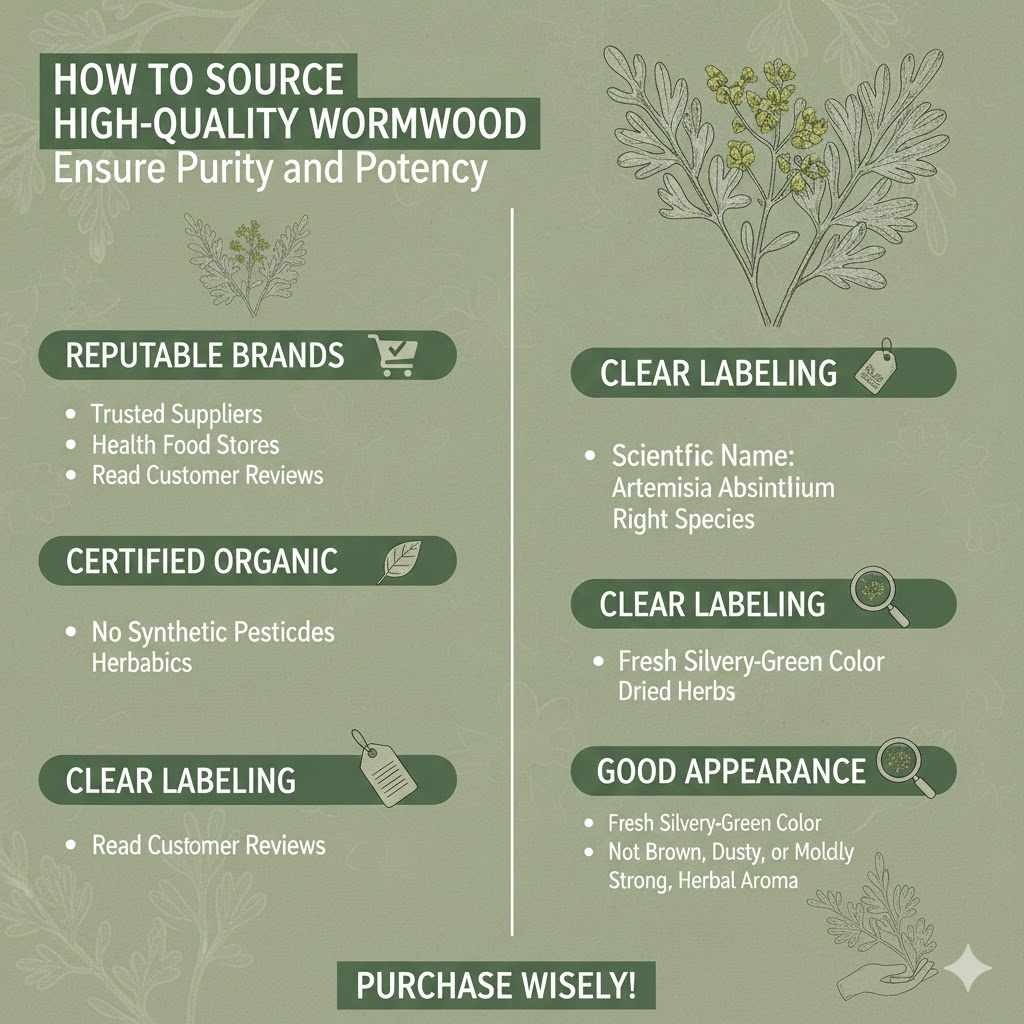
The quality of your dried herb matters. A poor-quality product might not be effective or could contain contaminants. Here’s what to look for when you buy dried wormwood for tea:
- Reputable Brands: Purchase from well-known herb suppliers or health food stores that you trust. Read reviews from other customers.
- Certified Organic: Choosing organic wormwood ensures it was grown without synthetic pesticides and herbicides.
- Clear Labeling: The package should clearly state the plant’s scientific name, Artemisia absinthium, to ensure you have the right species.
- Good Appearance: The dried herb should look fresh and have a silvery-green color. It should not look brown, dusty, or moldy. It should also have a strong, herbal aroma.
Frequently Asked Questions (FAQ)
1. How long can I safely take wormwood?
The general rule is to not use wormwood continuously for more than four weeks. Many people prefer shorter cycles of one to two weeks, followed by a break of at least two weeks. This prevents the compounds from building up in your system.
2. What does wormwood tea taste like?
It is exceptionally bitter. This is its most defining characteristic. The taste can be sharp and lingering. Mixing it with other strong flavors like peppermint, ginger, or adding honey can make it much easier to drink.
3. Can I give wormwood to my pets?
No. Do not give wormwood to pets unless specifically directed by a veterinarian who is experienced in herbal medicine. It can be toxic to dogs and cats, and the correct dosage is very difficult to determine.
4. Is wormwood the same as mugwort?
They are related but are not the same plant. Both belong to the Artemisia genus, but they have different properties and uses. Mugwort (Artemisia vulgaris) is much milder and does not contain significant amounts of thujone.
5. Can I just grow my own wormwood?
Yes, wormwood is relatively easy to grow in a home garden. It’s a beautiful, silvery plant that repels many garden pests. If you grow your own, you can harvest the leaves and stems just before it flowers and dry them in a cool, dark place for making tea.
6. What is “thujone-free” wormwood?
Some supplements are made from a wormwood extract where the thujone has been removed. These are often used for specific health protocols, such as treatments for Crohn’s disease that have been explored in clinical studies. For simple tea, using the whole, natural dried leaf is standard practice.
Conclusion: A Powerful Herb to Use with Respect
Wormwood is a plant with a fascinating history and powerful properties. Its reputation might seem intimidating, but as you’ve seen, using it safely is straightforward when you follow the right steps. By sticking to the simple tea infusion method, keeping your doses small and your usage period short, you can confidently and responsibly explore what this herb has to offer.
Always remember to listen to your body, start with a very small amount, and stop if you feel any discomfort. When in doubt, consulting a healthcare provider is the wisest choice you can make. With care and respect, wormwood can be a helpful and fascinating addition to your herbal knowledge.