What Do You Call Someone Who Makes Wooden Furniture?
The short answer: someone who makes wooden furniture is called a woodworker or furniture maker, and a specialist who builds fine furniture and cabinets with detailed joinery is more precisely called a cabinetmaker. That’s a different trade than a carpenter, even though the two titles get used interchangeably online – and mixing them up is the single biggest misconception about this craft.
Below, we break down what actually separates a woodworker, a cabinetmaker, a joiner, and a carpenter, the real skills and tools the job requires, and why the distinction matters if you’re hiring one or just curious about the craft behind that wood furniture in your home.
Woodworker vs. Cabinetmaker vs. Carpenter: What’s the Real Difference?
Most articles on this topic use “carpenter” and “woodworker” as if they’re the same job. They aren’t, and the difference actually matters:
- Woodworker – the broadest, most accurate general term. Covers anyone who builds or shapes wood items, from furniture to decorative pieces to small crafts.
- Cabinetmaker – a woodworker who specializes in fine furniture and cabinetry: tight-tolerance joinery (dovetails, mortise-and-tenon), veneer work, and finish-quality results. This is the closest formal title to “furniture maker.”
- Joiner – common in the UK and parts of Europe for someone who joins pieces of wood into finished items – doors, windows, staircases, and furniture – using joinery rather than nails or screws.
- Carpenter – builds and repairs structural wood elements: house framing, roof trusses, decks, and trim, usually on a job site rather than in a shop. Carpentry emphasizes speed and structural strength over the tight joinery and finish work furniture requires.
Best Starter Joinery Tool
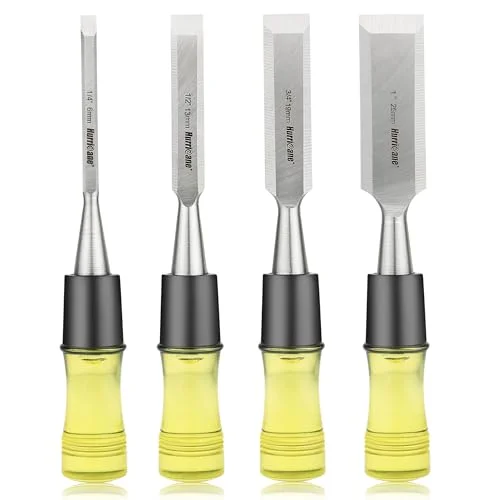 |
HURRICANE 4-Piece Wood Chisel Set – $13.39 Chisels are the one tool that separates cabinetmaking-style joinery from basic carpentry – this set covers the four sizes most furniture joints actually need.
|
Day to day, that difference shows up in the work itself. A carpenter framing a wall measures in whole inches and relies on nails and screws because the lumber will be hidden behind drywall. A cabinetmaker building a dining table measures in fractions of a millimeter, because every joint and surface will be seen, touched, and judged for decades.
The Skills a Furniture Maker Actually Needs
Design sense comes first. A furniture maker has to picture the finished piece – proportions, wood grain direction, how the joints will look – before a single board is cut, because most furniture mistakes are design mistakes, not cutting mistakes. From there, the job comes down to three practical skills:
- Joinery. Mortise-and-tenon, dovetails, and dowel joints hold furniture together without relying on metal fasteners that can loosen over time. A well-cut mortise-and-tenon joint is often stronger than the wood around it.
- Measuring and layout. A gap of even 1/16″ in a drawer joint is visible and will bind. Furniture makers work with combination squares, marking gauges, and calipers, not tape measures alone.
- Finishing. Sanding progression (typically 120 to 220 grit), then a film finish (polyurethane, lacquer) or a penetrating oil (Danish oil, tung oil) depending on the look and durability needed. The wrong finish choice is one of the most common amateur mistakes – oil finishes look natural but offer far less water/heat resistance than a film finish on a dining table.
Most cabinetmakers don’t start with a certificate – they start with an apprenticeship or years working under an established shop, because joinery is a skill that’s genuinely hard to learn from a book alone. Community college cabinetmaking programs exist and can shorten the learning curve, but even graduates of those programs typically spend a few years working under a senior furniture maker before taking on solo commissions. That’s a meaningfully longer training path than most carpentry apprenticeships, which is part of why custom furniture commands a higher price than comparable carpentry work.
Essential Tools and Choosing the Right Wood
The Core Tool Kit
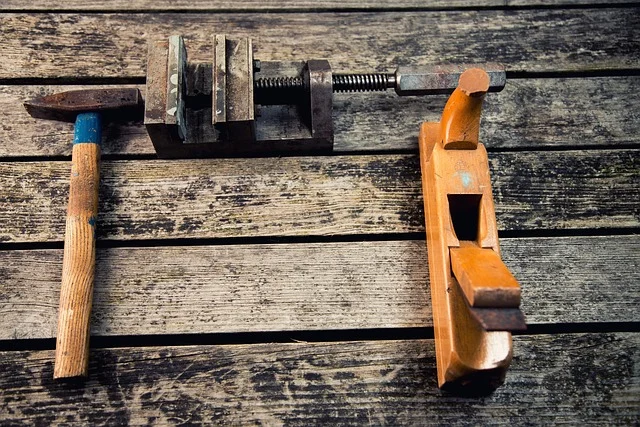
A furniture maker’s toolkit is built around cutting, shaping, and joining, not brute demolition. Hand saws and a table saw handle the rough cuts; chisels (typically ground to a 25° bevel) clean up joints a saw can’t reach; hand planes flatten and smooth surfaces without the swirl marks a power sander leaves; and clamps hold everything still while glue cures – usually 30 minutes to an hour for a solid initial bond with standard wood glue, and 24 hours before the joint takes full load.
Picking the Right Wood
Hardwoods like oak, hard maple, cherry, and black walnut hold up to daily use and take finishes well – on the Janka hardness scale (which measures resistance to denting), red oak rates around 1,290 lbf and hard maple around 1,450 lbf, which is why both are common dining-table choices. Softwoods like pine and cedar (white pine rates around 380 lbf) are easier to cut and cost less, which makes them a common choice for painted furniture or shop projects where dent resistance matters less than budget.
Classic vs. Modern Furniture-Making Styles
Classic furniture-making leans on dense, dark hardwoods like mahogany and walnut, hand-cut joinery, and carved detail – think Chippendale or Queen Anne-style pieces built to last generations and often passed down as heirlooms. Modern furniture-making favors clean lines, lighter woods like ash and white oak, and often mixes in metal hairpin legs or glass, trading some of the ornamentation for pieces that fit smaller, more minimalist spaces. Both require the same underlying joinery skill – the difference is aesthetic, not structural.
Challenges Furniture Makers Face Today
Sustainability is a bigger factor than it used to be. Furniture makers increasingly source FSC-certified lumber or reclaimed wood to avoid contributing to deforestation, and kiln-dried wood (brought down to roughly 6–8% moisture content for indoor furniture) is now standard because it resists the warping and cracking that under-dried lumber causes months after a piece is finished.
Handmade vs. mass-produced is the other ongoing tension. CNC routers can now cut consistent joinery fast, which lowers cost but produces furniture that’s functionally identical piece to piece. Hand-cut joinery takes longer and costs more, but each piece has small variations that buyers of custom furniture are specifically paying for. Neither approach is “wrong” – they’re built for different budgets and different expectations.
Why the Craft Still Matters

Furniture making is one of the few trades still commonly taught through apprenticeship – watching, practicing, and correcting mistakes under someone with decades of experience – rather than purely from a manual. That’s part of why handmade furniture carries a premium: you’re paying for skill that took years to build, not just materials and time. It also supports small, local shops in a market otherwise dominated by mass-produced imports, which is one reason many furniture makers double as small business owners selling directly to customers rather than through big retailers.
Frequently Asked Questions
What Do You Call Someone Who Makes Wood Furniture?
The most accurate general term is woodworker or furniture maker. A specialist who builds fine furniture and cabinets using detailed joinery is more precisely called a cabinetmaker.
What’s Another Name For A Woodworker?
Joiner, cabinetmaker, or furniture maker, depending on the specific type of work – joiner is the more common term in the UK and Europe, while cabinetmaker and furniture maker are more common in the US.
Is A Carpenter The Same As A Furniture Maker?
Not exactly. A carpenter typically builds and repairs structural wood elements like framing, doors, and decks, usually on a job site. A furniture maker or cabinetmaker specializes in fine joinery for tables, chairs, and cabinets, usually in a shop, with much tighter tolerances.
Is Woodworking The Same As Carpentry?
They’re related but not the same. Woodworking is the broader craft of shaping and joining wood into furniture, cabinetry, and decorative pieces. Carpentry is a specific branch of woodworking focused on constructing and repairing building structures. Every carpenter does woodworking in a loose sense, but not every woodworker is a carpenter.
Conclusion
Someone who makes wooden furniture is a woodworker or furniture maker, and the specialist version of that title is cabinetmaker – a distinct trade from carpentry, even though the two get lumped together constantly online. The real differences come down to tolerances, tools, and training: a carpenter frames a house to the nearest inch; a cabinetmaker fits a drawer to the nearest sixteenth.
Next time you look at a well-built chair or table, you’ll know the difference between the trade that framed the room around it and the one that built it.
Sponsored / affiliate links. As an Amazon Associate I earn from qualifying purchases. I may earn additional commission from eligible campaigns.