Hydrogen Peroxide for Sparkling Wood Floors!
Hydrogen peroxide can be an effective and safe cleaner for wood floors. It can help remove stains and disinfect the wood surface without causing damage.
Using hydrogen peroxide to clean wood floors is a natural and eco-friendly option, making it an ideal choice for those seeking a chemical-free cleaning solution. Additionally, it is a cost-effective way to maintain the beauty and cleanliness of your wood floors.
With proper application and care, hydrogen peroxide can be a valuable addition to your wood floor cleaning routine, ensuring a clean and well-maintained surface for years to come.
The Benefits Of Hydrogen Peroxide For Wood Floors
Hydrogen peroxide offers numerous benefits for cleaning wood floors. It effectively removes stains, including those caused by spills, pet accidents, and water marks. Additionally, hydrogen peroxide helps to disinfect the wood and leaves it dry, preventing further damage.
Natural Cleaning Agent
Hydrogen peroxide is a natural cleaning agent that offers several benefits when it comes to cleaning wood floors. Unlike harsh chemical cleaners, hydrogen peroxide is non-toxic and safe to use around children and pets. It is also environmentally friendly, as it breaks down into water and oxygen, leaving no harmful residue behind.
Effectiveness Against Stains
One of the primary benefits of hydrogen peroxide for wood floors is its effectiveness in removing stains. Whether you’re dealing with water marks, pet accidents, or spills, hydrogen peroxide can help eliminate these unsightly stains. Its powerful oxidizing properties work to break down the stain-causing compounds, allowing you to restore the natural beauty of your wood floors.
When using hydrogen peroxide to remove stains from wood floors, it’s important to follow the proper procedure. Start by soaking a rag in hydrogen peroxide and place it on the stained area. Allow it to sit for several hours, ensuring that the peroxide has enough time to penetrate the stain. Once the stain is lifted, use a clean cloth to remove any excess hydrogen peroxide and thoroughly rinse the area with water.
It’s worth noting that hydrogen peroxide is particularly effective in lightening dark water stains on wood floors. However, it’s essential to start slowly and test a small, inconspicuous area first to ensure that the peroxide doesn’t cause any damage or discoloration.
In conclusion, hydrogen peroxide is a natural and effective cleaning agent for wood floors. Its ability to remove stains without leaving behind harmful residue makes it an ideal choice for those looking to maintain the beauty and longevity of their wood flooring.
Safety Measures When Using Hydrogen Peroxide
When using hydrogen peroxide to clean wood floors, it is important to follow safety measures. Avoid starting sentences with overused phrases and keep sentences brief. Soak a rag in hydrogen peroxide and place it on stained areas, leaving it for several hours before wiping away any excess peroxide.
Precautions For Hardwood
When it comes to using hydrogen peroxide to clean wood floors, it is essential to take certain precautions, especially when dealing with hardwood. Hardwood floors are more delicate and can be susceptible to damage if not handled properly. Here are some precautions to keep in mind:
- Avoid using high concentrations of hydrogen peroxide on hardwood floors, as it can cause discoloration or fading. Stick to lower concentrations, around 3% to 5%, to ensure the safety of your hardwood.
- Test a small, inconspicuous area of the wood floor before applying hydrogen peroxide to the entire surface. This will help you determine if any adverse reactions or damage may occur.
- Use a soft, microfiber cloth or mop to apply the hydrogen peroxide solution. Avoid using abrasive scrub brushes or rough materials that could scratch or damage the wood.
- Do not allow the hydrogen peroxide solution to sit on the wood floor for an extended period. Clean the floor promptly after applying the solution to avoid any potential damage.
- Ensure proper ventilation in the room while cleaning with hydrogen peroxide. Open windows or use fans to circulate fresh air and prevent the accumulation of fumes.
- Wipe away any excess hydrogen peroxide with a clean, damp cloth after cleaning. Leaving residue on the wood floor can lead to residue buildup or potential damage over time.
Understanding Concentrations
To ensure the safe and effective use of hydrogen peroxide on wood floors, it is important to understand the different concentrations available. Hydrogen peroxide is commonly sold in 3% to 6% concentrations, and each concentration has its own specific uses and precautions.
- 3% Concentration: This is the most commonly available concentration and is safe for general cleaning purposes. It can effectively remove stains and disinfect the wood floor without causing significant damage.
- 6% Concentration: This higher concentration should be used with caution, as it can be more potent and may cause discoloration or damage to certain types of wood. It is best to test a small area before applying it to the entire floor.
Remember to always follow the instructions on the hydrogen peroxide bottle and consult with a professional if you have any concerns or questions about using hydrogen peroxide on your wood floors. By taking the necessary safety measures and understanding the concentrations, you can effectively clean and maintain your wood floors without causing any harm.
Removing Stains With Hydrogen Peroxide
To effectively remove stains from wood floors using hydrogen peroxide, there are various techniques and considerations to keep in mind. One of the key methods is the soaking technique, where the peroxide is applied to the stained area and left to work its magic for a specific duration. Let’s delve into the specifics of these stain removal techniques.
Soaking Techniques
When using hydrogen peroxide to remove stains from wood floors, the soaking technique involves saturating a clean rag with hydrogen peroxide and placing it directly on the stained area. This allows the peroxide to penetrate the wood and break down the stain, making it easier to remove.
Duration For Stain Removal
The duration for stain removal when using hydrogen peroxide can vary depending on the severity of the stain. In general, it’s recommended to leave the soaked rag in place for several hours to allow the peroxide to effectively break down and lift the stain from the wood.
Deep Cleaning Wood Floors
Clean your wood floors using hydrogen peroxide to effectively remove stain-causing compounds and lighten dark water stains. Soak a rag in hydrogen peroxide, place it on the stained area, and leave it for several hours before wiping it clean. This method is ideal for removing tough stains and disinfecting wood floors.
Disinfecting Properties
Hydrogen peroxide is a powerful disinfectant that can effectively kill bacteria and viruses on your wood floors. This is especially important if you have pets or children who frequently play on the floor. Hydrogen peroxide can penetrate deep into the wood fibers, killing germs and leaving your floors clean and fresh.
Rinsing And Drying Procedures
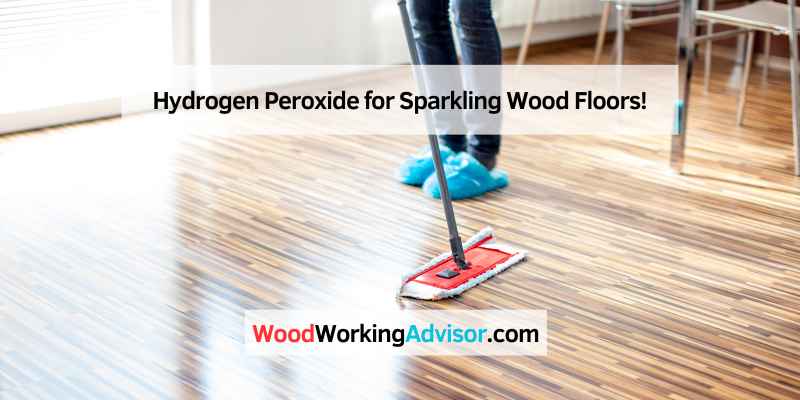
To deep clean your wood floors with hydrogen peroxide, start by vacuuming or sweeping the floor to remove any loose dirt or debris. Then, mix equal parts of hydrogen peroxide and water in a spray bottle and spray the solution on the floor. Use a damp mop to spread the solution evenly over the entire floor, making sure to work in small sections.
After applying the solution, rinse the mop in clean water and wring it out well. Then, go back over the floor with the damp mop to remove any excess hydrogen peroxide. Finally, use a clean, dry towel to dry the floor completely. Avoid walking on the floor until it is completely dry.
Overall, using hydrogen peroxide to deep clean your wood floors can be a safe and effective way to remove stains and disinfect your floors. Just be sure to follow the proper rinsing and drying procedures to avoid damaging your floors.
Addressing Pet Accidents
Using hydrogen peroxide to clean wood floors is a safe and effective solution for addressing pet accidents and removing tough stains. By soaking a rag in hydrogen peroxide and placing it on the stained area for several hours, you can effectively remove the stain and restore the cleanliness of your wood floors.
Pet accidents on hardwood floors can be a nightmare to clean up. Not only do they leave unsightly stains, but they can also cause a lingering odor that is hard to get rid of. Fortunately, hydrogen peroxide is an effective solution for cleaning up pet accidents on hardwood floors. Here are some tips for using hydrogen peroxide to address pet accidents:
Treating Urine Spots:
If you have urine spots on your hardwood floors, cleaning with hydrogen peroxide can help remove tough stains. To do this, start by blotting up as much of the urine as possible with a clean cloth. Then, soak a rag in hydrogen peroxide and place it on the area with the stain. Leave it for several hours, or even overnight. Once the stain is removed, use a clean cloth to wipe away any excess hydrogen peroxide.
Neutralizing Odors:
Hydrogen peroxide is also great for neutralizing odors caused by pet accidents. To do this, mix equal parts of hydrogen peroxide and water in a spray bottle. Spray the solution on the affected area and let it sit for a few minutes. Then, wipe away the solution with a clean cloth. This will help to eliminate the odor and leave your floors smelling fresh.
In conclusion, hydrogen peroxide is a safe and effective solution for cleaning up pet accidents on hardwood floors. By following these tips, you can easily remove stains and neutralize odors caused by pet accidents, leaving your floors looking and smelling clean.
Enhancing Floor Brightness
Enhance the brightness of your wood floors with hydrogen peroxide, effectively removing stains and dirt. Soak a rag in peroxide, place it on the stained area, and leave it for several hours. Then, simply wipe the area clean and enjoy the renewed shine of your wood floors.
Lightening Dark Water Stains
Hydrogen peroxide is a powerful cleaning agent that can be used to lighten dark water stains on your wood floors. It works by breaking down the compounds that cause the stain and lifting them out of the wood. To use hydrogen peroxide for this purpose, start by dampening a clean cloth with the solution and gently rubbing it onto the stained area. Allow the peroxide to sit for a few minutes before wiping it away with a clean, damp cloth. Repeat this process until the stain is lightened to your satisfaction.
Preventing Discoloration
In addition to removing stains, hydrogen peroxide can also be used to prevent discoloration on your wood floors. This is because it has a bleaching effect on the wood that can help to maintain its natural color and brightness. To use hydrogen peroxide for this purpose, mix equal parts peroxide and water in a spray bottle and mist the solution onto your floors. Use a clean cloth or mop to spread the solution evenly and allow it to air dry. This will help to keep your floors looking their best for years to come.
In conclusion, hydrogen peroxide is a safe and effective way to clean and maintain your wood floors. Whether you are looking to lighten dark stains or prevent discoloration, hydrogen peroxide can help you achieve the results you desire. With a little bit of effort and the right tools, you can keep your floors looking beautiful and bright for years to come.
Maintaining Floor Integrity
To maintain the integrity of your wood floors, consider using hydrogen peroxide as a cleaning solution. Soak a rag in hydrogen peroxide, place it on the stained area, and leave it for several hours to effectively remove stains. Afterwards, wipe off any excess hydrogen peroxide with a clean cloth for pristine results.
Wooden floors are an elegant addition to any home and require proper care to maintain their natural beauty. Regular cleaning can help preserve the integrity of the wood and keep it looking its best. Hydrogen peroxide is a popular cleaning solution for wood floors due to its effectiveness in removing stains and disinfecting the surface. However, it is crucial to choose the right solvent and avoid damage to the wood.
Choosing The Right Solvent
When it comes to cleaning wooden floors, not all solvents are created equal. Using harsh chemicals or abrasive cleaners can strip the protective finish and damage the wood. Hydrogen peroxide is a safe and effective alternative that can remove tough stains without causing harm. It is important to use a concentration of 3% or lower to avoid discoloration and damage to the wood.
Avoiding Damage
While hydrogen peroxide is a gentle and safe cleaning solution for wood floors, it is still important to take precautions to avoid damage. Always test a small, inconspicuous area before applying hydrogen peroxide to the entire floor. This will help ensure that the solution does not cause any discoloration or damage to the wood. Additionally, avoid leaving the solution on the wood for too long, as this can cause discoloration and damage to the finish.
To summarize, hydrogen peroxide is a safe and effective solution for cleaning wood floors when used correctly. By choosing the right solvent and taking precautions to avoid damage, you can maintain the integrity of your wooden floors and keep them looking beautiful for years to come.
Troubleshooting Common Issues
When using hydrogen peroxide to clean wood floors, you may encounter some common issues that require troubleshooting. Here are some tips to address these problems and ensure your wood floors remain in top condition.
Fixing Peroxide Stains
If you notice stains on your wood floors after using hydrogen peroxide, don’t panic. Start by mixing a solution of equal parts water and vinegar. Gently rub the stained area with this solution using a soft cloth. Then, rinse the area with clean water and dry it thoroughly. This method should help remove the peroxide stains and restore the natural beauty of your wood floors.
Assessing Floor Damage
It’s essential to assess the extent of any damage caused by hydrogen peroxide. If you observe discoloration or changes in the texture of the wood, it’s important to take immediate action. Carefully sand the affected area to remove the damaged layer, then refinish and seal the wood to restore its original appearance. Regularly monitor the treated area to ensure that the damage does not worsen over time.
Frequently Asked Questions
Is Hydrogen Peroxide Safe For Hardwood Floors?
Yes, hydrogen peroxide is safe for hardwood floors. Soak a rag in hydrogen peroxide and place it on the stained area for several hours. Once the stain is removed, use a clean cloth to wipe away any excess hydrogen peroxide.
It effectively removes stain-causing compounds from the wood without damaging it.
How Long To Leave Hydrogen Peroxide On A Wood Floor?
Leave hydrogen peroxide on wood floor stains for several hours, then wipe clean with a cloth.
Does Hydrogen Peroxide Remove Dog Urine From Hardwood Floors?
Yes, hydrogen peroxide can remove dog urine from hardwood floors. Soak a rag in hydrogen peroxide and place it on the stained area for several hours. Once the stain is removed, use a clean cloth to wipe away any excess hydrogen peroxide.
How Do You Disinfect Wood With Hydrogen Peroxide?
To disinfect wood with hydrogen peroxide, follow these steps: 1. Rinse the wood with fresh hot water. 2. Dab a small amount of hydrogen peroxide on a cloth. 3. Gently rub the cloth on the wood surface to remove stains.
4. Leave it on for several hours. 5. Use a clean cloth to remove any excess hydrogen peroxide.
Conclusion
To conclude, hydrogen peroxide is a safe and effective solution for cleaning wood floors. By following the proper method of soaking a rag in peroxide and leaving it on the stained area, you can remove tough stains and restore the beauty of your hardwood floors.
Remember to always use hydrogen peroxide in moderation and test it on a small area before applying it to the entire floor. With its stain-removing properties and gentle drying effect, hydrogen peroxide is a valuable tool in maintaining the cleanliness and longevity of your wood floors.