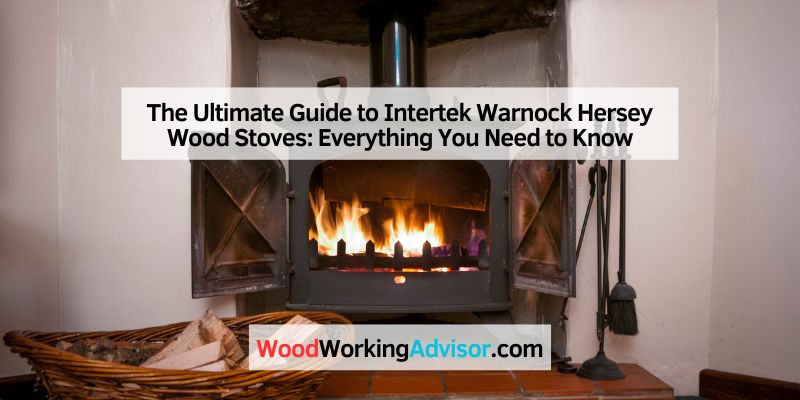
The Ultimate Guide to Intertek Warnock Hersey Wood Stoves: Everything You Need to Know
Hey there, fellow woodworking enthusiast! If you’ve ever shopped for a wood stove or dug into the details of one you already own, you’ve likely come across the term “Intertek Warnock Hersey wood stove.” It’s a phrase that pops up a lot in the world of wood-burning appliances, and it can be a bit confusing at first. Don’t worry—I’ve been down this road myself, and I’m here to break it all down for you in a way that’s clear, engaging, and packed with useful info. Whether you’re a seasoned wood stove user or just starting to explore, this guide will help you understand what the Intertek Warnock Hersey label means, why it matters, and how it impacts your woodworking and home heating journey. Let’s dive in!
What Is the Intertek Warnock Hersey Label?
When I first saw the Warnock Hersey name on a wood stove, I thought it was the brand of the stove itself. I was wrong! The Intertek Warnock Hersey (WH) mark is not a manufacturer or a specific model of wood stove. Instead, it’s a certification mark that tells you the stove has been tested and meets strict safety and performance standards. Think of it like a seal of approval from a trusted authority.
Intertek, a global leader in testing and certification, issues the Warnock Hersey mark to products that pass rigorous evaluations. For wood stoves, this means the appliance has been checked for things like fire safety, emissions, and overall performance. The WH mark is a big deal in North America, especially in the U.S. and Canada, where it’s widely recognized by building inspectors, insurance companies, and homeowners like you and me.
Why does this matter? If your wood stove has the WH mark, you can feel confident it’s safe to use and meets local building codes. It’s like knowing your new woodworking tool has been vetted for quality before you bring it into your shop.
Why the Warnock Hersey Mark Is Important for Wood Stoves
Let me share a quick story. A few years back, I helped a friend install a wood stove in his cabin. We were thrilled with the cozy vibe it added, but when the insurance company came to inspect, they asked about the stove’s certifications. Luckily, it had the Warnock Hersey mark, and that made the process smooth as butter. Without it, we might’ve faced costly delays or even had to replace the stove.
The WH mark is crucial because it shows your wood stove complies with standards set by organizations like the National Fire Protection Association (NFPA), Underwriters Laboratories (UL), and the Environmental Protection Agency (EPA). These standards cover everything from how hot the stove can get to how cleanly it burns. For us woodworkers, who often value efficiency and safety in our tools, this certification is a sign we’re investing in something reliable.
Here’s a quick breakdown of why the WH mark matters:
| Aspect | Why It’s Important |
|---|---|
| Safety | Ensures the stove won’t cause fires or other hazards when installed and used properly. |
| Compliance | Meets local building codes, making it easier to pass inspections. |
| Performance | Guarantees the stove burns efficiently, saving wood and reducing emissions. |
| Insurance Approval | Many insurers require certified stoves to avoid higher premiums or claim denials. |
| Resale Value | A certified stove adds value to your home, as buyers trust the WH mark. |
Having this mark on your stove is like having a trusted woodworking mentor vouch for your latest project—it gives you peace of mind.
How to Identify a Warnock Hersey-Certified Wood Stove
When I bought my first wood stove, I spent way too long trying to figure out if it was a “Warnock Hersey stove.” Spoiler alert: there’s no such thing as a Warnock Hersey brand! Instead, you’ll find the WH mark on stoves from various manufacturers, like Englander, Pacific Energy, or Drolet. The trick is knowing where to look for it.
Most wood stoves have a metal nameplate or label, usually on the back, side, or bottom of the unit. This plate includes key details like the manufacturer’s name, model number, serial number, and manufacture date. If the stove is WH-certified, you’ll see the Warnock Hersey or Intertek WH-ETL logo somewhere on this plate. Ignore any numbers starting with “WH,” as those relate to the certification process, not the stove’s model.
Here’s a tip from my own experience: take a clear photo of the nameplate with your phone. It’s super helpful when you’re searching for manuals, parts, or clearance requirements later. If the label is worn or damaged (like one I saw on a friend’s old stove), check the manufacturer’s website or contact Intertek directly for help identifying the certification.
Common Wood Stove Brands with Warnock Hersey Certification
Over the years, I’ve noticed that many top wood stove brands proudly carry the Warnock Hersey mark. This isn’t surprising, since manufacturers want their products to meet high standards to appeal to savvy buyers like us. Some of the brands you’ll commonly see with the WH mark include:
- Englander: Known for affordable, efficient wood stoves, often certified by WH for both safety and EPA emissions standards.
- Pacific Energy: A favorite for high-quality, durable stoves with excellent heat output, frequently bearing the WH mark.
- Drolet: Popular in Canada and the U.S., these stoves are reliable and often certified for clean burning.
- Jotul: A premium brand with a long history, many of their wood stoves carry the WH certification for fire safety.
- Osburn: Known for sleek designs and high efficiency, Osburn stoves often feature the WH-ETL mark.
Each of these brands has its own strengths, much like choosing between a table saw or a band saw for a woodworking project. The WH mark ensures that no matter the brand, the stove has been vetted for safety and performance.
How Warnock Hersey Certification Impacts Wood Stove Installation
Installing a wood stove is a bit like setting up a new workbench in your shop—it needs to be done right to work safely and effectively. The WH mark plays a big role here. When I helped my cousin install his wood stove, we had to follow specific clearance requirements (the distance from the stove to walls, furniture, etc.) listed on the stove’s nameplate. These requirements are tied to the WH certification and ensure the stove won’t overheat nearby surfaces.
If your stove has the WH mark, the installation guidelines will align with standards like NFPA 211 (Standard for Chimneys, Fireplaces, Vents, and Solid Fuel-Burning Appliances). This means you’ll need to:
- Maintain proper clearances to combustible materials (walls, floors, etc.).
- Use certified chimney components, often also WH-approved.
- Follow local building codes, which the WH mark helps you meet.
Pro tip: always check with your local building inspector before installing. They’ll love seeing that WH mark, as it’s a sign the stove is legit. Also, keep your stove’s manual handy—it’s like the instruction booklet for your favorite power tool, full of must-know details.
Maintaining a Warnock Hersey-Certified Wood Stove
Just like keeping your woodworking tools in top shape, maintaining a wood stove is key to its longevity and safety. I learned this the hard way when I neglected my stove’s chimney for a season and ended up with a smoky mess! A WH-certified stove is built to last, but you still need to care for it properly. Here are some maintenance tips I’ve picked up:
- Clean the Chimney Regularly: Creosote buildup can cause chimney fires. I sweep mine at least once a year, more if I use the stove heavily.
- Inspect Gaskets and Seals: The door gasket on my stove started leaking air after a few years, reducing efficiency. Replacing it was easy and made a big difference.
- Check for Wear and Tear: Look for cracks in the firebox or warped parts. WH-certified stoves are durable, but heavy use can take a toll.
- Use Seasoned Wood: I only burn dry, seasoned hardwood (moisture content below 20%). It burns cleaner and keeps emissions low, which aligns with the WH certification standards.
- Schedule Professional Inspections: Every few years, I have a certified chimney sweep check my stove and venting system. It’s like getting a tune-up for your car.
By sticking to these steps, you’ll keep your WH-certified stove running safely and efficiently, just like a well-maintained miter saw.
Finding Replacement Parts for Warnock Hersey-Certified Stoves
One day, I noticed the glass on my wood stove door was cracked, and I panicked, thinking I’d need a whole new stove. Then I learned that finding replacement parts for WH-certified stoves is usually straightforward, as long as you know the actual manufacturer and model. Since the WH mark isn’t a brand, you’ll need to dig a bit deeper to identify your stove.
Start by checking the nameplate for the make and model. For example, my stove is an Englander, and I found the model number on the back. From there, I visited the manufacturer’s website and found a parts list. Sites like eBay, Woodstove Fireplace Glass, or Pellet Stove Parts 4 Less are great for finding compatible parts, like gaskets, glass, or firebricks.
A word of caution: only use parts that meet WH standards. Non-certified parts can void your stove’s certification and create safety risks. It’s like using a cheap, untested blade in your table saw—not worth the gamble.
Environmental Benefits of WH-Certified Wood Stoves
As someone who loves woodworking and the outdoors, I care about keeping my environmental impact low. WH-certified wood stoves are a win here because many are tested to meet EPA emissions standards. This means they burn wood more efficiently, producing less smoke and particulate matter compared to older, non-certified stoves.
For example, my WH-certified stove burns so cleanly that I’ve noticed less ash and soot buildup compared to an old stove I used years ago. This efficiency also means I use less wood, which saves money and reduces the number of trees I need to cut or buy. It’s a small way to feel good about heating my home while staying eco-conscious.
Common Misconceptions About Warnock Hersey Wood Stoves
When I started researching wood stoves, I fell into a few traps that I want to help you avoid. Here are some common misconceptions about the WH mark:
- Misconception 1: Warnock Hersey is a stove brand. Nope! It’s a certification, not a manufacturer. Always check the nameplate for the actual brand, like Jotul or Osburn.
- Misconception 2: All WH-certified stoves are the same. Not true. Each stove has unique features, efficiency ratings, and designs, even if they all meet WH standards.
- Misconception 3: The WH mark guarantees a perfect stove. While it ensures safety and compliance, you still need to choose a stove that fits your home’s size and heating needs.
- Misconception 4: You don’t need to maintain a certified stove. Even WH-certified stoves need regular cleaning and upkeep to stay safe and efficient.
Clearing up these myths helped me make smarter choices when buying and using my wood stove, and I hope it does the same for you.
How to Choose a Warnock Hersey-Certified Wood Stove
Picking a wood stove is a bit like choosing the right woodworking tool for a project—it depends on your needs. Here are some factors I considered when selecting my WH-certified stove:
- Size and Heat Output: Measure your space and choose a stove with the right BTU rating. My 1,500-square-foot home needed a stove with about 60,000 BTUs.
- Efficiency: Look for EPA-certified models with high efficiency ratings (usually 70% or higher). This saves wood and reduces emissions.
- Design and Features: I wanted a stove with a large glass door for a cozy fire view, but you might prefer a model with a cooktop or blower.
- Budget: WH-certified stoves range from $500 to $3,000 or more. I found a solid Englander model for around $800 that fit my budget.
- Installation Requirements: Check the stove’s clearance needs and ensure your home can accommodate them.
Visit a local dealer or check trusted online retailers like Woodstove Outlet or Hearth.com for reviews and options. And always double-check that WH mark!
Troubleshooting Issues with WH-Certified Wood Stoves
Even the best wood stoves can have hiccups, just like a router that occasionally jams. Here are some issues I’ve faced and how I fixed them:
- Poor Draft or Smoke: This usually means a dirty chimney or improper venting. I clean my chimney annually and ensure the flue is open before lighting.
- Low Heat Output: If the stove isn’t heating well, check for wet wood or a worn gasket. I now test my wood’s moisture content with a meter.
- Excessive Soot on Glass: This can happen with improper burning. I adjusted my air intake and started using hotter fires to keep the glass clean.
- Creosote Buildup: Regular chimney sweeping and burning seasoned wood keep this in check.
If you’re stuck, consult your stove’s manual or contact the manufacturer. For tricky issues, a professional chimney sweep or technician is worth the investment.
The Future of Warnock Hersey Certification
As I’ve watched the wood stove industry evolve, I’ve noticed that Intertek continues to update the WH mark to keep up with new standards. For example, in 2013, they combined the WH mark with the ETL mark (known for electrical safety) to create the WH-ETL logo. This makes it even easier for inspectors to recognize certified products.
Looking ahead, I expect WH certification to focus more on environmental standards as regulations tighten. Newer stoves are already being tested for ultra-low emissions, which is great news for eco-conscious woodworkers like us. Keeping an eye on Intertek’s website or industry forums like Hearth.com can help you stay updated.
Conclusion
After years of using and researching wood stoves, I can say the Intertek Warnock Hersey mark is like the gold standard for safety and reliability. It’s not just a logo—it’s a promise that your stove has been tested to keep your home warm, safe, and compliant with regulations. Whether you’re installing a new stove, maintaining an old one, or just curious about certifications, the WH mark is a sign you’re on the right track.
For us woodworkers, who spend hours crafting with care, a WH-certified stove feels like an extension of our craft—built to last, safe to use, and designed to perform. So next time you’re shopping for a wood stove or checking your current one, look for that WH mark. It’s your assurance of quality, just like choosing a trusted tool brand for your next project. Happy heating, and keep those fires burning bright!
FAQs About Intertek Warnock Hersey Wood Stoves
What Does the Warnock Hersey Mark Mean on a Wood Stove?
The Warnock Hersey mark is a certification from Intertek, showing that your wood stove meets safety and performance standards. It’s not a brand but a sign the stove has been tested for fire safety, emissions, and compliance with building codes.
How Can I Find Out If My Wood Stove Is Warnock Hersey-Certified?
Check the metal nameplate on your stove, usually on the back or side. Look for the Warnock Hersey or WH-ETL logo. If it’s there, your stove is certified. You can also contact the manufacturer or Intertek for confirmation.
Can I Use Non-Certified Parts in a Warnock Hersey Wood Stove?
It’s not recommended. Non-certified parts can void the WH certification and create safety risks. Always use parts approved by the stove’s manufacturer to maintain compliance and safety.
Why Do Insurance Companies Care About the Warnock Hersey Mark?
Insurance companies want to ensure your wood stove is safe to reduce the risk of fires or accidents. The WH mark shows the stove meets strict standards, making it easier to get coverage or avoid claim issues.
Are All Warnock Hersey-Certified Stoves EPA-Compliant?
Many WH-certified stoves are EPA-compliant, but not all. The WH mark covers safety and performance, while EPA certification focuses on emissions. Check your stove’s manual or nameplate for EPA details.
Where Can I Find Manuals for Warnock Hersey-Certified Stoves?
Since Warnock Hersey isn’t a brand, you’ll need the stove’s manufacturer and model number. Check sites like ManualsLib, the manufacturer’s website, or retailers like Woodheatstoves.com for manuals and guides.
How Often Should I Maintain My Warnock Hersey-Certified Wood Stove?
Clean your chimney at least once a year, inspect gaskets and parts regularly, and use seasoned wood. I also recommend a professional inspection every few years to keep your stove in top shape.