Is Birch Good for Cabinets Pros Cons Truth
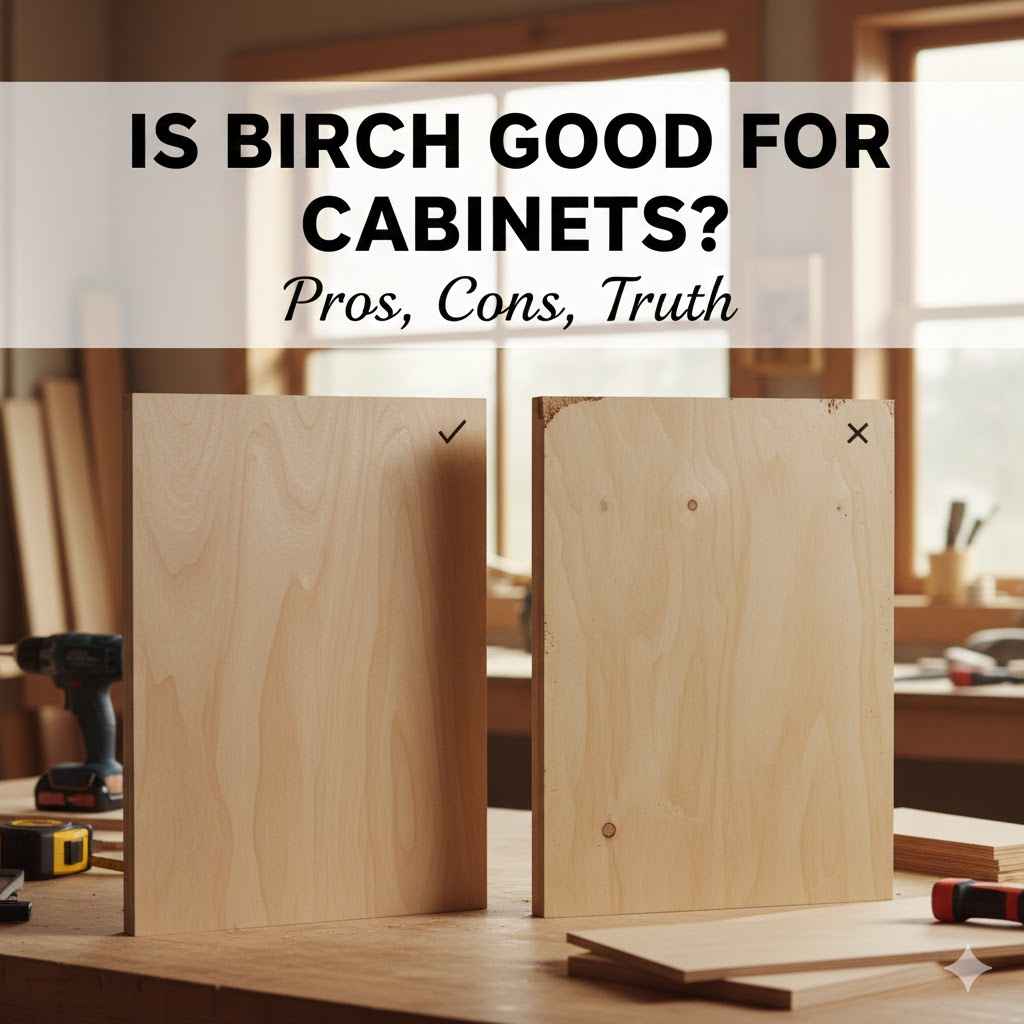
When you’re thinking about new kitchen cabinets, lots of wood types might cross your mind. Sometimes, figuring out the best option can feel a bit tricky, especially if you’re new to home projects. You might wonder, is birch good for cabinets?
It’s a really common question because birch is a popular choice. We’ll make it super simple to understand. We’ll break down everything you need to know, step by step, so you can feel confident in your decision.
Let’s explore the facts.
What Is Birch Wood For Cabinets
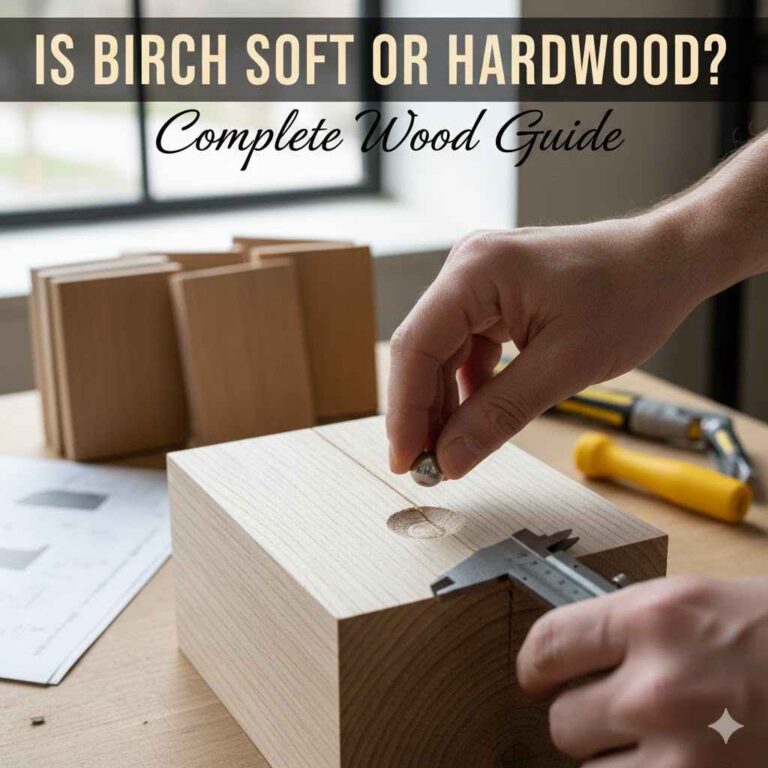
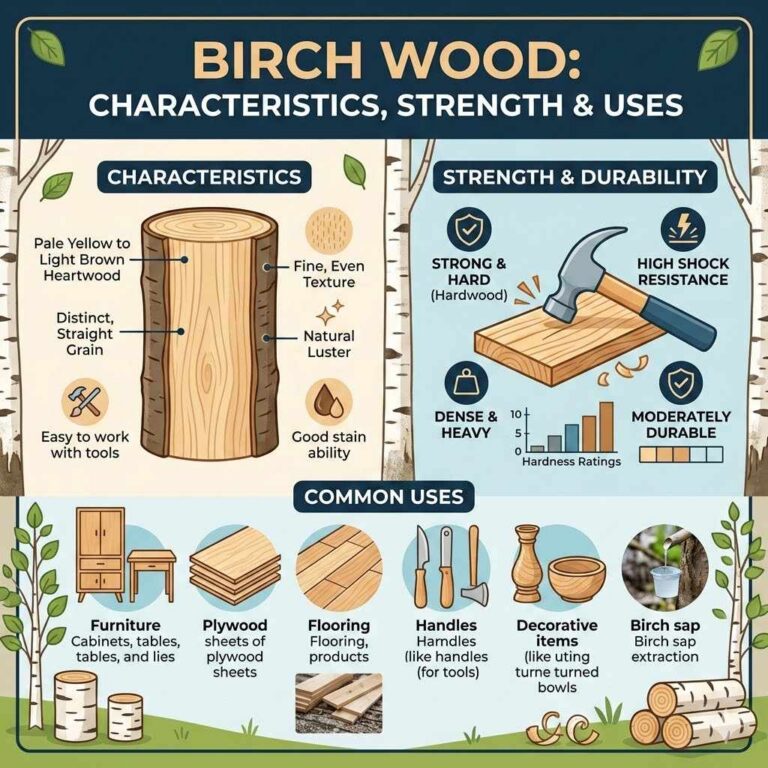
Birch wood is a hardwood that comes from birch trees. These trees grow in many parts of the world, especially in cooler climates. For cabinets, birch is often chosen because it’s strong and looks nice.
It has a smooth grain pattern that can be stained to look like more expensive woods, or it can be painted beautifully. This makes it a versatile option for many kitchen styles. People like birch because it’s a good balance between looking great and being durable for everyday use.
Birch Wood Characteristics
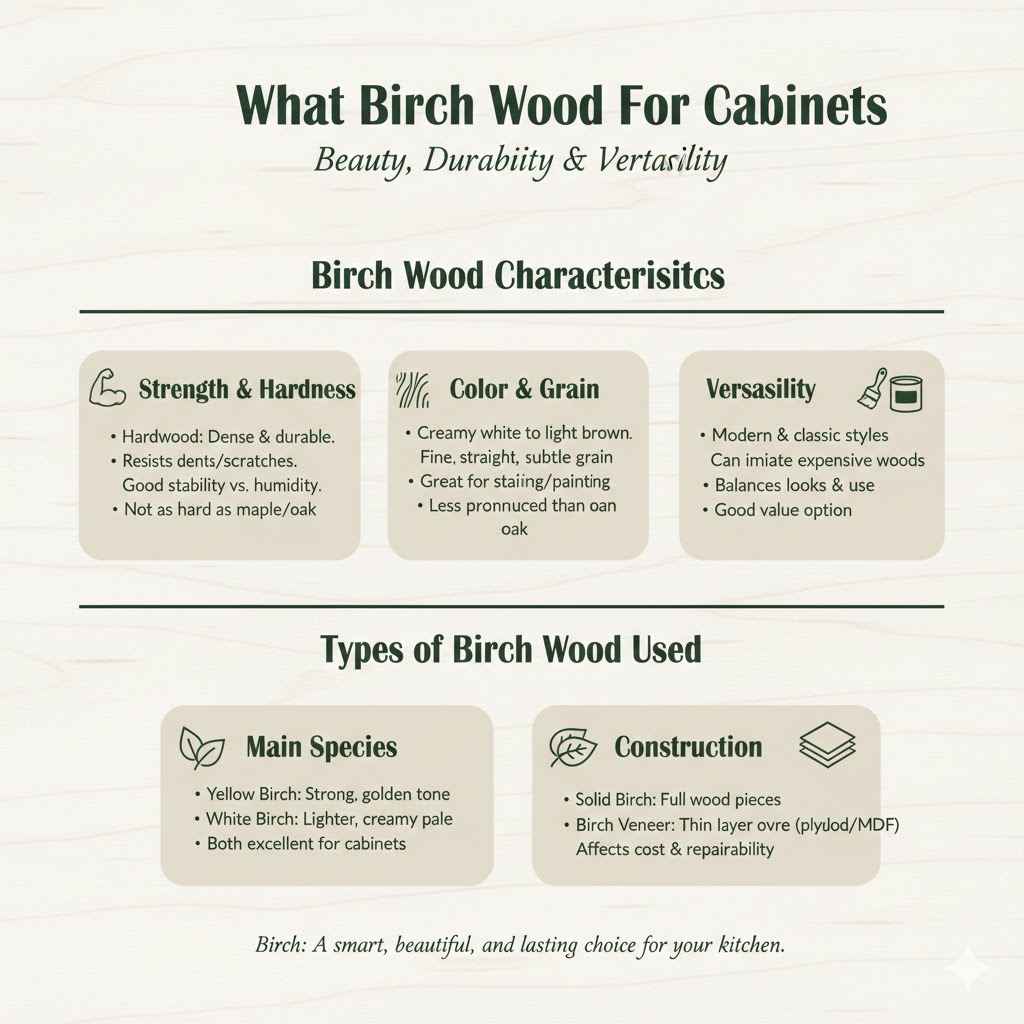
Birch wood is known for its strength and fine grain. It’s a hardwood, which means it’s denser and more durable than softwoods like pine. This makes it a good choice for furniture and cabinets that need to withstand daily wear and tear.
The color of birch can range from creamy white to a light brown, sometimes with a reddish hue. This light color makes it easy to stain or paint, allowing for a wide range of design possibilities for your kitchen.
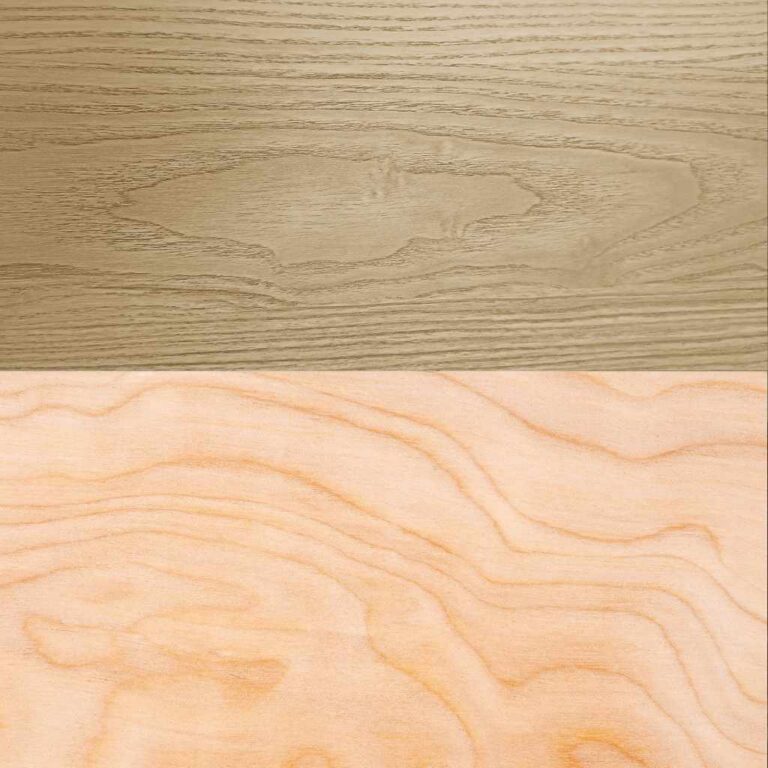
The grain of birch is typically straight and fine, giving it a smooth appearance. This smooth texture is a big reason why it takes paint so well, creating a sleek finish. It also means that when stained, the color is applied evenly.
However, the grain is not as pronounced as woods like oak, which some people prefer for a more subtle look. It’s less likely to have dramatic patterns or knots, which can be a plus for modern or minimalist kitchens.
Birch is also considered moderately hard. This means it can resist dents and scratches better than softer woods. However, it’s not as hard as woods like maple or oak.
Still, for most home kitchen environments, its hardness is more than sufficient to keep cabinets looking good for years. Its stability is also good, meaning it doesn’t warp or crack easily with changes in humidity, which is important for cabinets exposed to kitchen moisture.
Types of Birch Wood Used
There are different kinds of birch trees, and their wood can vary slightly. The most common types used for cabinets are yellow birch and white birch. Yellow birch is known for its strength and a slightly warmer, more golden tone.
White birch tends to be lighter in color, often with a very pale, creamy appearance. Both are excellent for cabinetry due to their similar properties.
Manufacturers often select specific cuts of birch to ensure the best appearance and performance for cabinets. For example, quarter-sawn birch can show a more uniform, straight grain pattern. Flat-sawn birch might have more variation.
The choice of cut can affect the final look and cost of the cabinets. Understanding these distinctions helps in appreciating why birch is chosen for its aesthetic flexibility and structural integrity.
Sometimes, birch is also engineered or veneered for cabinet doors and panels. This means a thin layer of birch wood is applied over a less expensive core material, like particleboard or plywood. This can make the cabinets more affordable while still giving them the look of solid birch.
It’s important to know if you are getting solid birch or birch veneer when making your purchase. Both can be durable, but solid wood offers a different kind of longevity and repairability.
Pros Of Birch Kitchen Cabinets
Birch cabinets offer a great combination of features that make them a popular choice for homeowners. Their visual appeal is a big draw, as birch can be finished in many ways to match different kitchen styles. From bright and modern to warm and traditional, birch wood adapts well.
It’s also quite strong and durable, which is essential for cabinets that see daily use. Let’s explore the many benefits that make birch a solid contender for your kitchen renovation.
Aesthetic Versatility
One of the biggest advantages of birch cabinets is their amazing versatility when it comes to appearance. Because birch wood is light in color and has a fine, consistent grain, it takes finishes beautifully. This means you can paint it any color you can imagine, from crisp white to deep navy blue, or even a soft gray.
The smooth surface allows for a flawless paint job without the grain showing through too much.
If you prefer a stained finish, birch can mimic the look of more expensive woods like cherry or walnut. The natural light tone of birch accepts stains evenly, creating a rich, uniform color. You can achieve anything from a light, natural look to a dark, dramatic stain.
This flexibility means birch cabinets can fit into almost any kitchen design, whether you’re going for a modern, contemporary, farmhouse, or traditional style. You’re not locked into one look.
The fine grain of birch is also appealing on its own. It’s subtle and even, which many people find calming and elegant. It doesn’t have the strong, busy patterns that some other woods do.
This understated beauty can make your kitchen feel more sophisticated and uncluttered. It acts as a wonderful canvas for your kitchen’s decor.
Durability And Strength
Birch is a hardwood, which means it is naturally strong and dense. This makes birch cabinets quite durable and able to withstand the rigards of a busy kitchen. They can resist dents, scratches, and wear from everyday use much better than softer woods.
For a kitchen, where cabinets are frequently opened, closed, and sometimes bumped, this toughness is a significant benefit.
The hardness of birch wood provides a good level of protection against surface damage. While not as hard as some premium hardwoods like maple or oak, it offers a great balance for its price point. It’s hard enough to maintain its appearance over many years of use.
This means your cabinets will likely look great for a long time without needing constant touch-ups or repairs.
Beyond just surface hardness, birch wood is also structurally sound. It holds screws and hardware well, which is important for the long-term integrity of cabinet construction. It’s also relatively stable, meaning it’s less prone to expanding or contracting with changes in humidity compared to some other woods.
This stability helps prevent doors from warping or drawers from sticking over time, ensuring smooth operation.
Affordability
Compared to many other hardwoods like cherry, maple, or oak, birch wood is generally more affordable. This makes it a fantastic option for homeowners who want the look and durability of hardwood cabinets without breaking the bank. You can get a high-quality hardwood look for a more budget-friendly price, allowing you to allocate funds to other aspects of your kitchen renovation.
The combination of its attractive appearance, good durability, and lower cost makes birch an excellent value. It provides many of the benefits of more expensive woods at a fraction of the price. This economic advantage is a major reason why birch is so frequently recommended for kitchen cabinetry projects, especially for those working with a set budget.
This affordability doesn’t mean you’re sacrificing quality. Birch is a strong, attractive hardwood that performs well in a kitchen environment. The savings you get from choosing birch can be put towards upgrades in hardware, countertops, or appliances.
It’s a smart way to achieve a premium kitchen look while being mindful of your spending.
Smooth Finish
Birch wood has a very fine and uniform grain pattern, which results in an exceptionally smooth surface. This smoothness is a key characteristic that makes birch ideal for certain finishes. When you paint birch cabinets, the fine grain allows for a surface that is almost as smooth as glass.
This is perfect for achieving a sleek, modern, or classic painted look that many homeowners desire.
This fine grain also means that when birch is stained, the color is absorbed very evenly. You won’t see large, irregular patches of darker or lighter color caused by variations in the wood’s texture. The stain sits on the surface uniformly, providing a consistent and rich hue.
This makes the staining process more predictable and the final result more aesthetically pleasing for cabinets.
The smoothness of birch also makes it easy to clean and maintain. There are fewer natural grooves or rough areas where dust or food particles can get trapped. A quick wipe-down is usually all that’s needed to keep the cabinets looking pristine.
This practical benefit adds to the overall appeal of birch for busy kitchens.
Cons Of Birch Kitchen Cabinets
While birch cabinets offer many advantages, it’s also important to consider their potential drawbacks. No material is perfect, and understanding the limitations of birch will help you make the most informed decision for your kitchen. By looking at these points, you can weigh them against the pros and see if birch is truly the right fit for your needs and preferences.
Susceptibility To Denting
Although birch is considered a hardwood, it is not the hardest wood available. Compared to options like maple or oak, birch can be more susceptible to dents and scratches. In a busy kitchen, where accidents can happen, this is something to keep in mind.
Heavy items dropped on cabinets or sharp objects can potentially leave marks.
This doesn’t mean birch cabinets will fall apart easily, but they might show signs of wear and tear more readily than harder woods. For households with young children or pets, or for kitchens that experience a lot of activity, this is a factor to consider. You might need to be a bit more careful to keep them looking pristine.
The degree of susceptibility to denting can also vary slightly depending on the specific species of birch and how it was finished. A good quality, durable topcoat can offer a decent layer of protection. However, it’s still a relative weakness compared to some other hardwoods on the market.
Planning for this can involve choosing a slightly darker stain which can help camouflage minor imperfections.
Uneven Staining With Some Stains
While birch is generally good at accepting stains evenly due to its fine grain, some darker or more intense stains can still create challenges. Occasionally, if the stain isn’t applied perfectly or if the wood has natural variations, you might end up with blotchy patches. This is especially true when using certain oil-based stains or very dark colors.
The smoothness of birch, while usually a pro, can sometimes lead to the stain sitting more on the surface. This can make it more prone to uneven absorption if not properly prepared. Wood conditioners are often used before staining birch to help ensure a more uniform color.
Even with these precautions, some DIYers find achieving a perfectly consistent dark stain more difficult than with other woods.
This is less of an issue with lighter stains or when painting. If you are set on a very dark, rich stain, you might want to consider doing a test sample on a piece of birch wood first. Or, you could opt for a professional finishing service that has experience with birch to ensure the best results.
For most lighter stains or painted finishes, this is not a major concern.
Potential for Yellowing Over Time
Some lighter-colored birch wood, especially if finished with a clear coat or a light stain, can develop a yellowish hue over time. This is a natural aging process for many light-colored woods when exposed to UV light and air. While this can sometimes add a warm patina, it might not be the desired effect for everyone.
This yellowing is typically subtle and gradual. It’s more noticeable on very light finishes. If you want to maintain a consistently bright white or very pale look, you may need to be mindful of the type of finish used and the amount of direct sunlight the cabinets receive.
Some finishes are designed to resist UV yellowing better than others.
This is not a universal issue with all birch cabinets, and many maintain their original color well. However, it’s a point to consider if you are choosing a very light, natural finish and want to ensure your cabinets look the same years down the line. Opting for a painted finish, especially a darker one, can often mask this potential change.
Not As Hard As Premium Woods
When compared to premium hardwoods like hard maple or hickory, birch is not as hard. This means it has a lower Janka hardness rating. The Janka hardness test measures the resistance of wood to denting and wear.
While birch is certainly durable enough for most kitchens, it may not stand up to extreme abuse as well as these top-tier hardwoods.
For homeowners who are very hard on their cabinetry or have specific concerns about durability, this difference in hardness might be a deciding factor. If you are looking for the absolute toughest wood available for your cabinets, birch might not be the top choice. However, for the vast majority of residential kitchens, the durability of birch is more than adequate.
It’s a trade-off. Birch offers excellent value, aesthetic appeal, and good durability at a more accessible price point. If you require the ultimate in hardness and are willing to pay a premium for it, then other woods might be a better fit.
But for most people, the strength of birch is perfectly sufficient for a beautiful and long-lasting kitchen.
Is Birch Good For Cabinets Pros Cons And Truth
When asking, is birch good for cabinets? Pros, cons, and truth reveal a balanced picture. Birch is a highly capable material for kitchen cabinets, offering a blend of beauty, durability, and affordability.
Its smooth, fine grain makes it incredibly versatile for finishes, whether you prefer a crisp painted look or a beautifully stained appearance that can mimic more expensive woods. The strength of birch, as a hardwood, ensures it can withstand the daily rigors of a busy kitchen environment, providing long-lasting performance.
However, it’s important to acknowledge its limitations. Birch is not as hard as some premium hardwoods, meaning it can be more susceptible to dents and scratches. Also, achieving very dark or complex stains can sometimes present challenges with evenness due to its fine grain, and lighter finishes may show a slight yellowing over time.
Despite these points, the overall truth about birch is that it offers exceptional value. It allows homeowners to achieve a high-quality, attractive kitchen without the highest price tag.
Considering these factors, birch is an excellent choice for many homeowners. It’s ideal for those seeking a versatile finish, good everyday durability, and a budget-friendly option. If you prioritize the absolute hardest wood or need to achieve an extremely specific, complex stain without any room for error, you might explore other options.
But for a beautiful, functional, and cost-effective kitchen, birch cabinets are indeed a very good choice.
How Birch Cabinets Are Made
Birch cabinets are typically constructed using both solid birch wood and birch veneer. Solid birch is often used for the frame of the cabinet doors, known as the stiles and rails. These are the structural components that hold the door together.
The center panel of the door might be made of solid birch or a high-quality birch veneer.
Veneer is a thin slice of wood. When used in cabinets, birch veneer is applied over a stable core material, such as medium-density fiberboard (MDF) or particleboard. This technique is common in cabinet making because it can offer a more uniform appearance, reduce the risk of warping, and can be more cost-effective than using solid wood for the entire panel.
The visual effect is very similar to solid birch.
The cabinet boxes themselves are often made from plywood or particleboard. High-quality plywood offers excellent stability and strength. Particleboard is a more economical option.
Whatever the core material, the visible exterior parts of the cabinet doors and drawer fronts are typically finished to match the birch aesthetic, whether painted or stained.
The manufacturing process involves cutting the wood to size, assembling the components, and then applying the chosen finish. For painted cabinets, multiple layers of primer and paint are applied, often with sanding in between, to achieve a smooth, durable surface. For stained cabinets, a pre-stain conditioner might be used to ensure even absorption, followed by the stain and protective topcoats like lacquer or polyurethane.
Comparing Birch To Other Popular Cabinet Woods
To truly understand if birch is good for cabinets, it helps to compare it to other common choices. This comparison highlights birch’s unique position in the market. Let’s look at a few popular alternatives.
| Wood Type | Pros | Cons | Typical Cost |
|---|---|---|---|
| Birch | Versatile finishes, good durability, affordable | Can dent, some stains can be tricky, not the hardest wood | Mid-range |
| Maple | Very hard, smooth grain, excellent for painting and staining | More expensive than birch, can be prone to yellowing | Higher mid-range |
| Oak | Very durable, prominent grain pattern, classic look | Grain can be too busy for some, can be prone to staining blotches | Mid-range |
| Cherry | Rich color, beautiful grain, darkens with age | Expensive, can be softer than maple, scratches easily | High |
| Pine | Inexpensive, rustic look | Very soft, dents and scratches easily, not ideal for heavy use | Low |
As the table shows, birch sits comfortably in the middle for many aspects. It’s more durable and versatile than pine but generally less expensive than cherry or high-end maple. Its grain is smoother than oak, which is a preference for many seeking a cleaner aesthetic.
For instance, if you love the look of painted cabinets but have a tighter budget, birch is often a better choice than maple. Maple is also excellent for painting, but it comes at a higher price. Birch can give you that smooth, painted finish for less.
If you prefer a wood with a lot of visible grain character, oak might be more appealing, but if you want a more uniform look, birch is superior.
The decision often comes down to prioritizing what’s most important for your kitchen. If maximum hardness and a very distinct grain are your top needs, oak or maple might be the way to go. If you want a great-looking, durable cabinet that you can customize with paint or stain without spending top dollar, birch is a strong contender.
It offers a sweet spot between cost, appearance, and performance.
Maintenance And Care For Birch Cabinets
Keeping your birch cabinets looking great for years is fairly straightforward. Regular cleaning is the most important part of maintenance. For everyday cleaning, a soft, damp cloth is usually sufficient to wipe away dust and light smudges.
Avoid using harsh chemicals, abrasive cleaners, or scouring pads, as these can damage the finish. For tougher spots, a mild dish soap mixed with water can be used. Always wipe the cabinets dry afterward to prevent water spots or damage to the finish.
Spills, especially acidic ones like lemon juice or vinegar, should be wiped up immediately.
Periodically, you might want to use a wood polish or conditioner. This can help maintain the luster of the finish and provide an extra layer of protection. Choose a product specifically designed for finished wood cabinets.
Test it on an inconspicuous area first to ensure it doesn’t alter the color or finish of your cabinets.
If your cabinets are painted, be extra careful to avoid chipping or scratching the paint. For stained cabinets, a good quality topcoat (like polyurethane or lacquer) is essential for durability. If you do notice minor scratches or dents, they can sometimes be touched up, but significant damage may require professional repair or refinishing.
Here’s a quick guide for keeping your birch cabinets in top shape:
- Daily Dusting: Gently dust all cabinet surfaces with a soft, dry microfiber cloth. This removes surface dust and prevents it from building up.
- Spot Cleaning: For minor smudges or spills, use a cloth lightly dampened with water and a tiny amount of mild dish soap. Wipe the area gently, then immediately dry with a clean, soft cloth.
- Deep Cleaning: Every few months, or as needed, a more thorough cleaning might be necessary. Use a cleaner specifically formulated for wood cabinets or a solution of mild soap and water. Always work with the wood grain and dry thoroughly.
- Protect from Moisture: Avoid prolonged exposure to excessive moisture. Wipe up any water spills promptly. Ensure your kitchen has good ventilation, especially during cooking.
- Avoid Harsh Chemicals: Never use abrasive cleaners, ammonia-based cleaners, or solvent-based products, as they can strip the finish or discolor the wood.
By following these simple steps, you can ensure that your birch cabinets remain beautiful and functional for many years to come.
Where To Buy Birch Cabinets
Finding birch cabinets involves looking at various retailers, from large home improvement stores to specialized kitchen design centers. The availability and pricing can vary depending on where you shop. Understanding your options will help you find the best deals and quality.
Home Improvement Stores
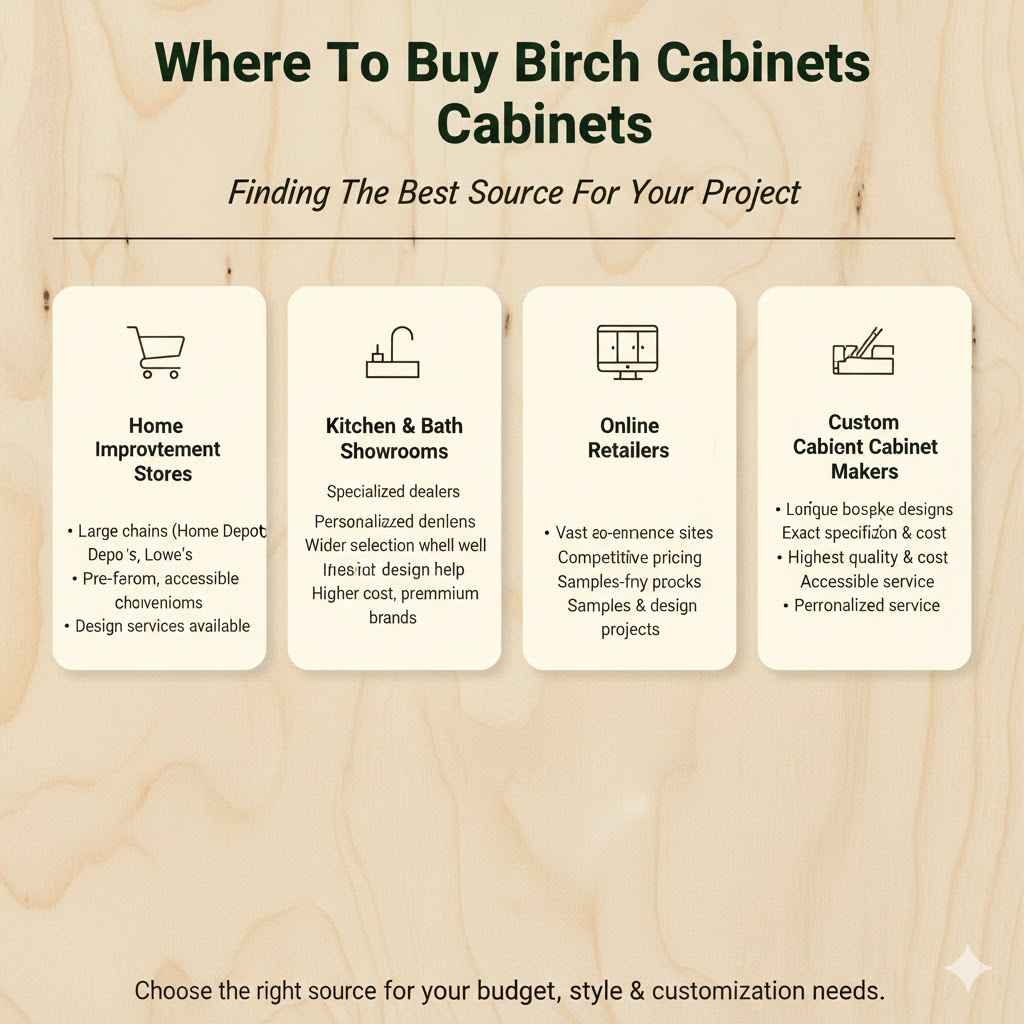
Major home improvement retailers are a common place to find birch cabinets. Stores like Home Depot or Lowe’s often carry a range of cabinet options, including those made from birch. They typically offer cabinets in various styles and finishes, which you can often see displayed in showrooms.
These stores usually have a selection of pre-fabricated or semi-customizable cabinets. You can often order them in standard sizes, and they may offer some customization for door styles or finishes. The advantage here is convenience and accessibility, as well as the ability to compare different brands and styles easily.
Sometimes, these stores also offer design services. They can help you measure your kitchen and plan your cabinet layout. While this can be convenient, it’s always a good idea to get quotes from multiple sources before making a final decision.
The selection might be more limited compared to specialized dealers.
Kitchen And Bath Showrooms
Specialized kitchen and bath showrooms are another excellent place to find birch cabinets. These businesses often work with higher-end manufacturers and offer a wider selection of custom and semi-custom options. You’ll find a broader range of styles, finishes, and construction quality here.
The advantage of visiting a showroom is the personalized service. Design consultants can help you create a custom kitchen layout tailored to your needs and preferences. They can also offer expert advice on materials, finishes, and hardware that complement your chosen cabinets.
While showrooms may be more expensive than big-box stores, the quality and customization options can be superior. They often work with premium brands that offer greater durability and unique design features. If you’re looking for a truly bespoke kitchen and have a larger budget, this is often the best route.
Online Retailers And Direct-To-Consumer Brands
The rise of e-commerce has also made it easier to buy cabinets online. Many online retailers and direct-to-consumer brands specialize in kitchen cabinets. These companies often offer competitive pricing because they have lower overhead costs than traditional brick-and-mortar stores.
Shopping online can give you access to a vast selection of styles and finishes from various manufacturers. You can often find detailed product descriptions, specifications, and customer reviews to help you make an informed decision. Many online sellers also offer free samples of wood finishes, allowing you to see the color and quality before committing.
It’s important to be thorough when buying online. Ensure the company has a good return policy and offers support for measuring and installation. Some online brands also provide design tools or consultations to assist you.
Always check the warranty and customer service reputation before making a purchase.
Custom Cabinet Makers
For the ultimate in customization, consider working with a local custom cabinet maker. This is the option for those who want truly unique cabinets designed and built to their exact specifications.
A custom cabinet maker can help you design cabinets that perfectly fit your kitchen’s layout, style, and your specific needs. They can also work with a variety of wood types, including birch, and can achieve virtually any finish you desire. This is often the most expensive option but provides unparalleled quality and personalization.
The process involves consultations, design drafts, and a more involved build timeline. However, the result is a one-of-a-kind kitchen that reflects your personal style and is built to last. This is an excellent choice if you have a specific vision that off-the-shelf cabinets cannot fulfill.
Frequently Asked Questions
Question: Is birch wood a good choice for kitchen cabinets?
Answer: Yes, birch wood is a very good choice for kitchen cabinets. It offers a great balance of durability, aesthetic versatility, and affordability, making it a popular option for many homeowners.
Question: Can birch cabinets be painted?
Answer: Absolutely. Birch wood’s smooth, fine grain makes it ideal for painting, allowing for a flawless finish that can be achieved in almost any color.
Question: How durable are birch cabinets?
Answer: Birch is a hardwood and is quite durable for everyday kitchen use. It’s resistant to dents and scratches, though not as hard as some premium hardwoods like maple or oak.
Question: Is birch wood expensive?
Answer: Birch is generally considered mid-range in price for hardwoods. It is typically more affordable than woods like cherry or maple, offering excellent value for its quality.
Question: Do birch cabinets yellow over time?
Answer: Lighter finishes on birch wood may show a slight yellowing over time due to natural aging and UV exposure. This is usually subtle, and darker or painted finishes can help mask this effect.
Final Thoughts
Birch cabinets offer a smart blend of style, strength, and value. They take finishes beautifully, whether painted or stained, and their hardwood nature provides good durability for busy kitchens. While they can dent more easily than premium woods, their overall performance and appearance make them a top choice for many.
Consider birch if you want a versatile and affordable way to achieve a beautiful kitchen.