How Hard Is Birch Wood? Janka Rating and What It Means
Birch is a medium-hardness wood: Yellow Birch scores 1,260 lbf on the Janka scale, Sweet (Black) Birch scores 1,470 lbf, and Paper (White) Birch is softer at 910 lbf – all landing between soft Pine and hard Maple. That means birch resists everyday dents and scratches well enough for furniture and cabinetry, but cuts, drills, and sands easier than Oak or Hard Maple.
What the Janka Rating Actually Measures
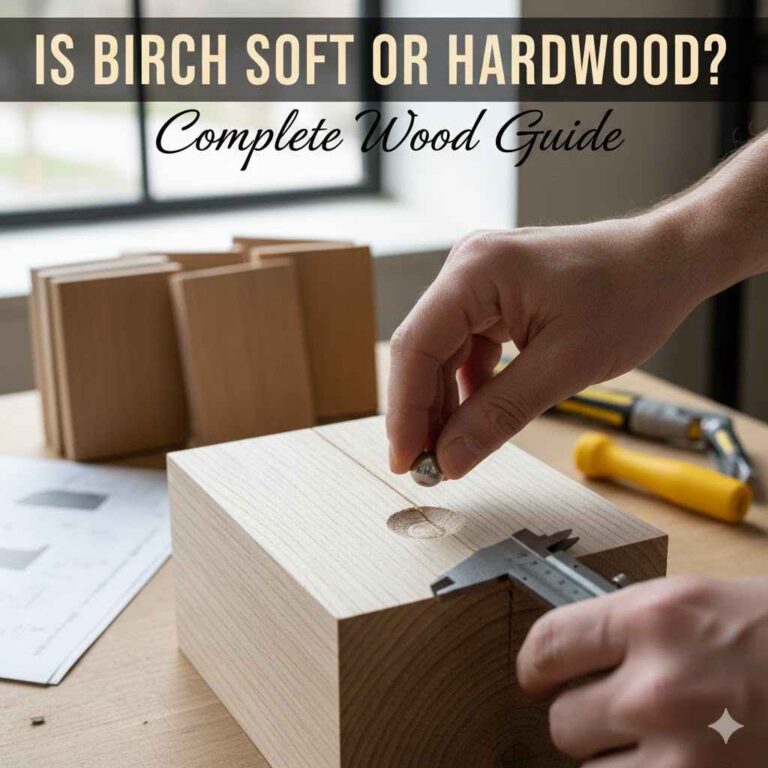
The Janka Hardness Test measures the force, in pounds-force (lbf), needed to embed a small steel ball halfway into a wood sample. A higher number means the wood resists dents and wear better – Hickory tops the common domestic hardwoods around 1,820 lbf, while Eastern White Pine sits near the bottom at 380 lbf. Birch’s 910-1,470 lbf range puts it solidly in the middle: durable enough for daily use furniture, but not so hard that it dulls blades or fights hand tools.
Yellow Birch vs. Paper (White) Birch
“Birch” at the lumberyard usually means one of two species, and the hardness difference between them is real enough to matter for tool setup and project choice.
| Type | Janka Hardness | Best Uses |
|---|---|---|
| Yellow Birch | 1,260 lbf | Furniture, stair treads, cabinet doors |
| Sweet (Black) Birch | 1,470 lbf | Flooring, high-wear furniture parts |
| Paper (White) Birch | 910 lbf | Plywood core, molding, painted projects |
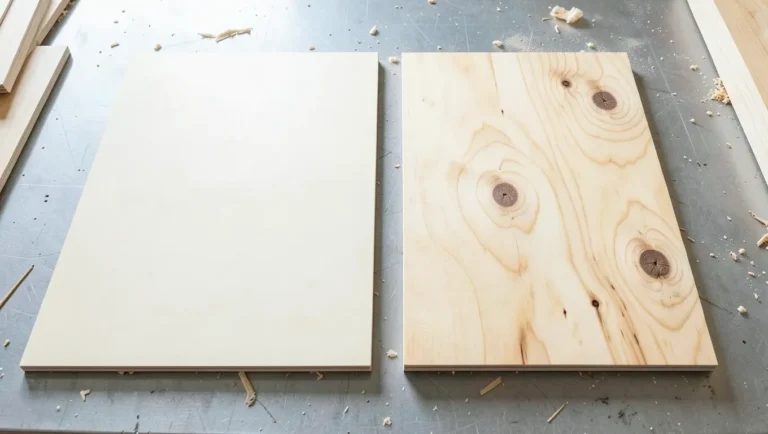
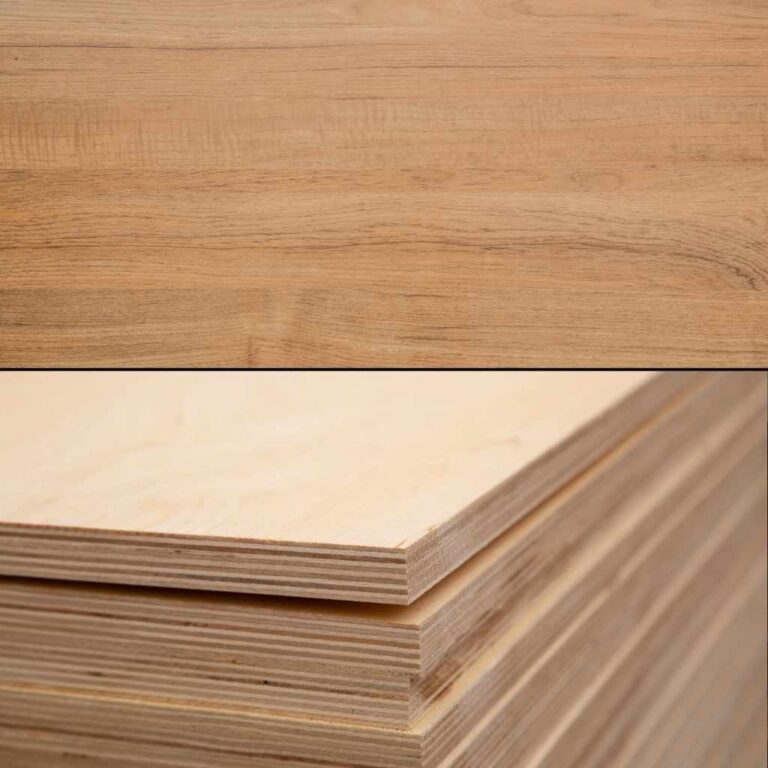
Yellow Birch’s heartwood runs reddish-brown to dark brown with creamy sapwood, while Paper Birch is pale, almost white, with a tighter, less dramatic grain – which is why Paper Birch is the default face veneer on birch plywood. If a project calls for stain-grade furniture, Yellow Birch’s harder, more figured wood is the better pick; for painted pieces or plywood cores, Paper Birch’s lower cost and softer working properties usually win.
Birch Compared to Other Common Woods
Next to woods most DIYers already have on hand: Birch is noticeably firmer than Eastern White Pine (380 lbf) and Soft Maple or Black Cherry (both around 950 lbf), but softer than Red Oak (1,290 lbf), White Oak (1,360 lbf), and Hard Maple (1,450 lbf). Practically, that means birch takes screws and glue with less splitting risk than pine, while planing and drilling noticeably easier than oak – a good middle ground for a beginner moving up from softwood projects.
Blade and Bit Setup for Birch
Birch’s mid-range density punishes dull tools with burn marks and tear-out faster than softwoods do. For rip and crosscuts, a carbide-tipped blade in the 40-50 tooth range handles dimensioning; step up to 60-80 teeth for clean miter and joinery cuts. On the router table, use sharp spiral up-cut bits and feed at a steady, moderate pace – forcing the wood or running a dull bit is what causes the burnishing and fuzzy edges birch is known for. When drilling, back the workpiece with scrap wood to prevent tear-out where the bit exits the far side.
Pilot Holes for Screws and Glue-Ups
Birch’s density means pilot holes matter more than they would in pine. For a standard #8 wood screw, drill a pilot hole matching the screw’s root diameter (the solid shaft beneath the threads) – typically 1/8″ for a #8 screw driven into birch. Skipping or undersizing the pilot hole is the most common cause of split ends near board edges. Birch’s tighter, more closed grain also means it takes standard wood glue well and holds clamp pressure without crushing, so clamping firmly for a tight joint is safe.
Why Birch Blotches When Stained
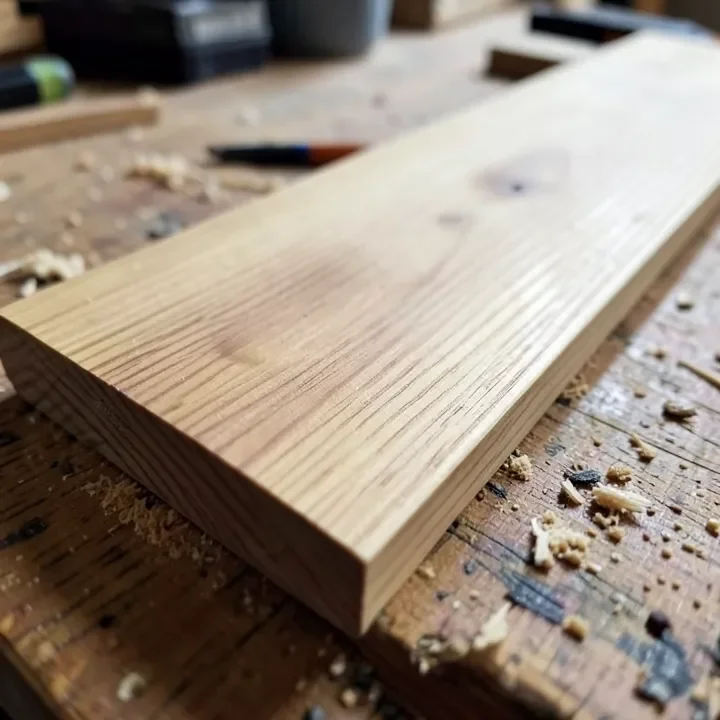
Birch’s biggest finishing challenge isn’t its hardness – it’s blotchy stain absorption. Birch’s grain contains uneven pockets of natural sugars and minerals that soak up liquid stain faster than the surrounding wood, leaving patchy, darker spots especially near knots and grain transitions. A pre-stain wood conditioner, applied and wiped off before staining, evens out absorption and is the standard fix professional finishers use on birch and other blotch-prone woods like pine and maple.
Sanding Sequence That Prevents Blotching
Skipping sandpaper grits is the second most common cause of blotchy birch finishes. Progress in order – 100, then 150, then 180 or 220 grit – without jumping stages, since each grit needs to remove the scratch pattern left by the one before it. Uneven sanding leaves some areas rougher and more porous than others, and those spots absorb stain differently even with a pre-stain conditioner applied. If blotching still worries you, an opaque paint over a good primer sidesteps the issue completely since it doesn’t rely on even grain absorption.
Is Birch a Good Choice for Beginners
Yes, for most indoor furniture, cabinetry, and craft projects. Birch is widely available and less expensive than Oak or Hard Maple, machines cleanly with sharp standard tools, and its moderate hardness forgives minor technique mistakes better than harder woods do. The one place birch falls short is outdoor use – it has poor natural rot resistance compared to Cedar or White Oak, so exterior projects need a species built for weather exposure, or heavy sealed protection if birch is used anyway.
Frequently Asked Questions
Is birch a hardwood or softwood?
Birch is a hardwood botanically (a broadleaf, deciduous tree), and its Janka hardness of 910-1,470 lbf depending on species confirms it behaves like one – firmer than softwoods like pine.
Is birch harder than oak?
No – Red Oak (1,290 lbf) and White Oak (1,360 lbf) are both harder than Yellow Birch (1,260 lbf), though Sweet Birch at 1,470 lbf is slightly harder than both oak varieties.
Can birch be used outdoors?
Not recommended without heavy sealing – birch has poor natural rot resistance compared to Cedar or White Oak. It performs best in protected, indoor furniture and cabinetry applications.
Sponsored / affiliate links. As an Amazon Associate I earn from qualifying purchases. I may earn additional commission from eligible campaigns.