Is Birch Plywood Good for Cabinets? (Which Grade to Buy)
Birch plywood is good for cabinets — strong, stable, and finishes well — but not every sheet sold as “birch plywood” is equal. Cheap B/C-grade domestic ply often has a patched, void-filled core that strips out edge screws, while true Baltic birch is void-free but costs more and blotches when stained. This guide covers grading, Baltic birch vs. domestic ply, joinery, and finishing so you buy the right sheet the first time.
What Makes Birch Plywood Good for Cabinets
Best Edge Banding Pick
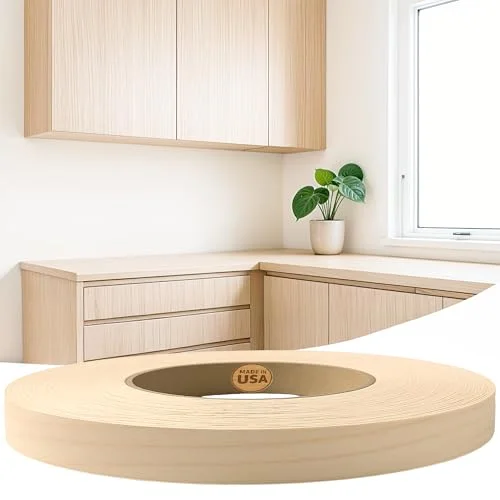 |
Edge Supply Birch Veneer Edge Banding, 3/4in x 50ft – $15.99 Whichever birch plywood you buy, the raw ply edge on cabinet doors and sides needs covering — this pre-glued birch tape matches 3/4in plywood and irons on in seconds, so the exposed edge looks like solid wood instead of striped layers.
|
As an Amazon Associate we earn from qualifying purchases.
Birch plywood is a popular choice for cabinet making, and for good reason. It offers a great balance of strength, beauty, and affordability. This section will explore why birch plywood is so well-suited for cabinet projects.
We’ll look at its core properties and what makes it stand out from other plywood options. Understanding these aspects will help you decide if it’s the right material for your next cabinet build or renovation. We’ll cover its durability, appearance, and how it handles common cabinet needs.
What is Birch Plywood
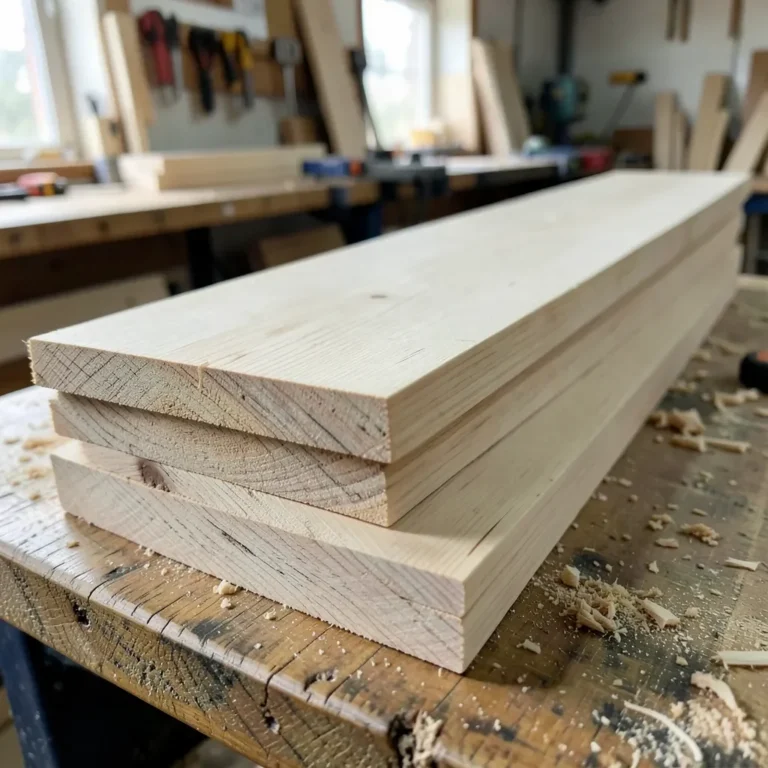
Birch plywood is made by bonding together thin layers, or veneers, of birch wood. These veneers are glued together with their grain patterns running in different directions. This cross-graining technique gives the plywood exceptional strength and stability.
It prevents the wood from warping or splitting, which is crucial for cabinet construction. The face veneers are typically made from high-quality birch, providing a smooth and attractive surface. The core layers can be birch or other compatible wood species, ensuring a strong internal structure.
The quality of birch plywood can vary, often indicated by grading systems. Grades like A, B, C, and D describe the appearance of the face veneers. An ‘A’ grade means a smooth, clean surface with minimal imperfections.
‘B’ grade might have a few more knots or minor flaws. The core construction also matters, with void-free cores being more desirable for cabinet applications. This ensures no hidden weaknesses within the panel.
Benefits of Using Birch Plywood for Cabinets
One of the biggest benefits of birch plywood is its strength. The cross-banded layers make it highly resistant to bending and impact. This is important because cabinets often hold heavy items and can get bumped.
Birch plywood holds screws and fasteners very well, which is essential for secure cabinet assembly. You won’t have to worry about panels coming loose over time.
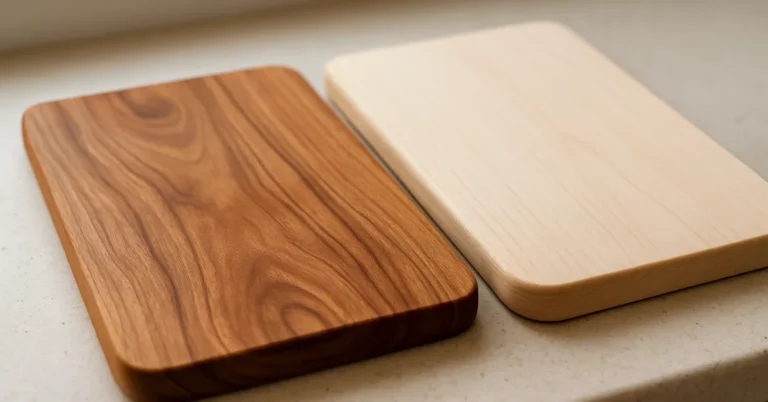
Another major advantage is its appearance. Birch wood has a fine, uniform grain that looks beautiful. It takes stains and finishes exceptionally well, allowing for a wide range of looks.
You can achieve a light, natural finish or a dark, rich stain. The smooth surface also makes it ideal for painted cabinets, providing a sleek, professional finish. This versatility in aesthetics means birch plywood can fit into almost any kitchen or bathroom design style.
- Exceptional Strength and Stability: Birch plywood is incredibly durable. Its construction resists warping, twisting, and cracking. This means your cabinets will maintain their shape and integrity over many years.
The strong structure can support heavy loads without sagging, a common problem with lesser materials. This makes it ideal for both base and wall cabinets.
- Beautiful Natural Appearance: The natural grain of birch wood is fine and consistent, offering an appealing look. It can be stained to achieve various colors, from light natural tones to deep, rich browns. This aesthetic quality means cabinets can look both modern and classic.
The smooth surface also provides a perfect base for paints.
- Excellent Workability: Birch plywood is easy to cut, drill, and shape. This makes the building process smoother for DIYers and professionals alike. It holds fasteners like screws and nails securely, ensuring strong joints.
This ease of use can save time and reduce frustration during cabinet construction.
- Cost-Effective Option: Compared to solid birch wood, birch plywood is more budget-friendly. You get many of the aesthetic and structural benefits of solid wood at a lower price point. This makes it accessible for a wider range of projects and budgets.
It offers great value for its performance and appearance.
Baltic Birch vs. Cabinet-Grade Birch Plywood: Which Should You Buy?
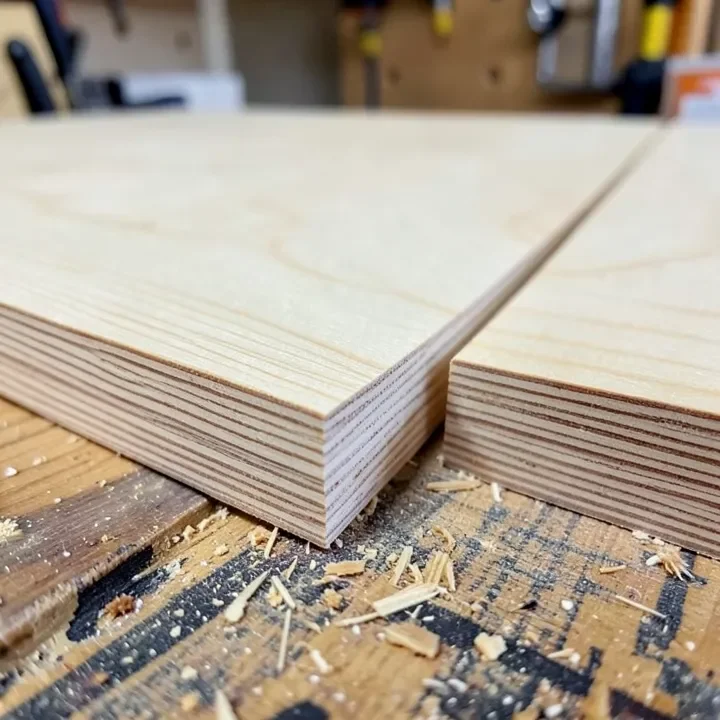
“Birch plywood” at a home center almost always means domestic cabinet-grade ply: a birch face veneer over a core that can include softwood layers and small internal patches. Baltic birch is a different product — it’s made from all-birch veneer, usually 9 to 21 plies thick, with no internal voids or football-shaped patches, so every screw and hinge bites into solid wood no matter where you drive it.
Baltic birch costs more and its face veneer can take stain unevenly (it’s bred for stability, not for a flawless stained look), so it’s the better buy for exposed edges, drawer boxes, and CNC-cut parts where void-free strength matters. For flat cabinet sides and doors that will be painted, veneered, or edge-banded anyway, standard A-grade domestic cabinet ply is the more economical choice. See our full Baltic birch vs. birch plywood comparison for grading charts and pricing.
“For structural joinery or CNC-cut cabinet parts with exposed edges, the extra plies in Baltic birch are worth the higher price — for flat panels that get painted or veneered anyway, standard cabinet-grade ply is the smarter buy.”
— Editorial guidance based on Baltic birch vs. cabinet-grade comparisons from Woodworkers Source
Birch Plywood Cabinet Construction Insights
When building cabinets with birch plywood, several factors contribute to a successful outcome. The quality of the plywood itself plays a significant role, as does the technique used during construction. This section will guide you through the practical aspects of using birch plywood for your cabinet projects.
We will discuss how to select the best sheets and what methods ensure strong, long-lasting cabinets. Proper assembly techniques are key to realizing the full potential of this material.
Choosing the Right Birch Plywood Grade
For cabinet boxes, the interior parts of the cabinet, it’s common to use cabinet-grade birch plywood. This plywood is designed specifically for this purpose. Look for panels with good core construction, meaning there are few gaps or voids between the inner layers.
A void-free core provides better structural integrity and prevents issues like screw pull-out.
The face veneer grade is also important, especially for cabinet doors and visible sides. A-A grade means both sides are smooth and free of major defects, ideal for finished surfaces. For parts that won’t be seen, like drawer bottoms, a lower grade such as B-C might be acceptable.
Always check the product specifications to ensure it meets your needs for durability and appearance.
Assembly Techniques for Birch Plywood Cabinets
Using the correct joinery methods is vital for strong cabinets. Pocket screws are a popular choice for joining cabinet panels made from birch plywood. They create strong, hidden joints and are relatively easy to create with a pocket hole jig.
Using wood glue along with screws adds extra strength to these connections. For drawers, dado or rabbet joints are excellent options for attaching the drawer front, back, and sides.
Ensure your cuts are square and precise. This will result in cabinets that are perfectly aligned and fit together seamlessly. Pilot holes are recommended when screwing near the edges of the plywood to prevent splitting, though birch is less prone to this than some other woods.
Using the right type of screws—cabinet screws are often best—will also contribute to the overall durability of your project.
Hiding Exposed Plywood Edges
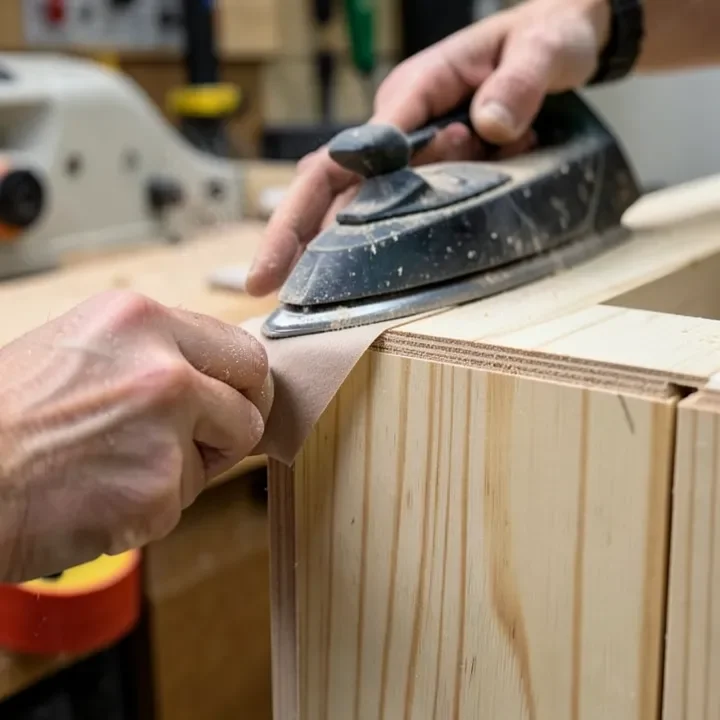
Unlike solid wood, plywood shows its layered edge on every cut end — a visible giveaway on cabinet doors, shelves, and drawer fronts if left bare. Iron-on wood veneer edge banding solves this: it’s a thin strip of real birch veneer with a hot-melt adhesive backing that a household iron activates in a few seconds per foot, then trims flush with a utility knife or edge trimmer.
Match the banding width to your plywood thickness (3/4in banding for 3/4in plywood) so it doesn’t overhang more than needed on either face. For a more durable, chip-resistant edge on high-use areas, some builders rout a small roundover into the edge before banding, which also hides the seam better than a sharp 90-degree corner.
Finishing Birch Plywood Cabinets
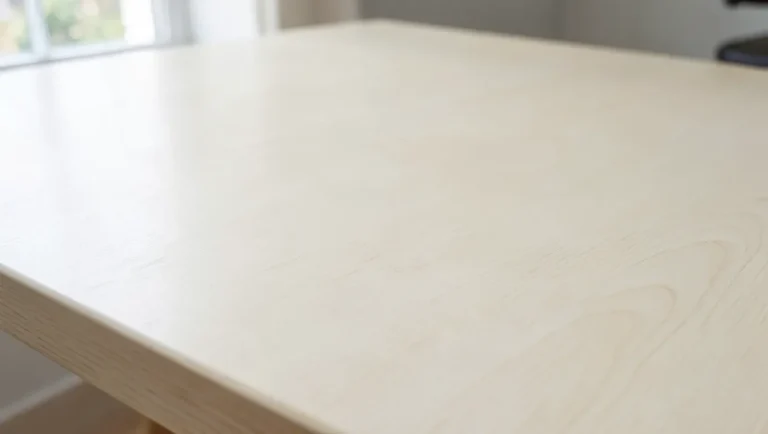
Birch plywood is a fantastic surface for finishing. For a natural look, a clear coat or light stain can highlight the wood’s inherent beauty. If you prefer painted cabinets, birch plywood provides a smooth, even surface that takes paint very well.
Sanding the plywood thoroughly before applying any finish is crucial for a professional result. Start with a medium-grit sandpaper and finish with a fine-grit sandpaper.
When staining, test the stain on a scrap piece of plywood first. Birch can sometimes absorb stain unevenly, so a pre-stain conditioner can help achieve a more uniform color. For painted finishes, a good quality primer is essential.
Apply thin, even coats of paint, allowing each coat to dry completely before applying the next. A top coat of polyurethane or varnish will protect the finish and add durability.
Here’s a quick comparison of common plywood types for cabinets:
| Plywood Type | Pros | Cons |
|---|---|---|
| Birch Plywood | Strong, stable, attractive grain, takes finishes well, good value | Can be slightly more expensive than pine or poplar plywood |
| Maple Plywood | Very hard, smooth surface, elegant grain, durable | Can be more expensive than birch, harder to work with |
| Oak Plywood | Strong, distinctive grain pattern, classic look | Grain can be very prominent, may be more prone to dents |
| Pine Plywood | Lightweight, inexpensive, easy to work with | Softer, more prone to dents and scratches, less stable |
How Durable Is Birch Plywood for Cabinets?
Durability is a key concern for any cabinet project. Cabinets are used daily and need to withstand wear and tear. Birch plywood offers excellent longevity, making it a smart investment for your home.
This section will focus on how birch plywood holds up over time, its resistance to common issues, and why it’s a sound choice for high-traffic areas.
Resistance to Moisture and Heat
While plywood is generally more susceptible to moisture than solid wood, high-quality birch plywood performs well. The layers are bonded with strong adhesives that offer good resistance to humidity. For areas prone to splashing, like under sinks, it’s still advisable to use extra protection.
Applying a good waterproof sealant or finish is essential. This creates a barrier against moisture damage, preventing swelling or delamination.
Birch plywood also handles moderate heat well, which is a plus in kitchens. However, direct, prolonged exposure to high heat should be avoided. For instance, avoid placing hot pots directly on cabinet surfaces.
Proper ventilation around appliances that generate heat, like ovens, is also beneficial. This helps maintain the integrity of the wood over the long term.
Scratch and Dent Resistance
Birch wood itself is a moderately hard wood. This means birch plywood has a good level of resistance to scratches and dents compared to softer woods like pine. The dense grain structure helps it withstand minor impacts.
However, it is not entirely immune. Care should still be taken to avoid dragging heavy objects across cabinet surfaces.
The finish applied to the plywood also plays a significant role in scratch resistance. A durable topcoat, such as polyurethane or a high-quality lacquer, will add a protective layer. This makes the surface harder and more resistant to everyday wear and tear.
Keeping cabinets clean and avoiding abrasive cleaning agents will also help maintain their pristine appearance.
Long-Term Performance and Value
The combination of strength, stability, and resistance to common issues makes birch plywood a durable material for cabinets. When constructed properly and finished well, birch plywood cabinets can last for decades. This longevity translates into excellent long-term value.
You avoid the need for frequent repairs or premature replacement.
Many homeowners opt for birch plywood because it offers a premium look and feel without the premium price tag of some hardwoods. The initial investment in good quality birch plywood yields a return in terms of durability and aesthetic appeal. This makes it a practical and wise choice for creating cabinetry that stands the test of time and use.
Consider these statistics on wood durability for furniture and cabinetry:
| Wood Type | Janka Hardness (pounds-force) | Typical Lifespan (Cabinetry) |
|---|---|---|
| Birch | 1260 | 20+ years |
| Maple | 1450 | 25+ years |
| Oak | 1290 | 25+ years |
| Pine | 380 | 10-15 years |
The Janka hardness test measures the resistance of wood to denting and wear. A higher number means the wood is harder and more durable. Birch plywood benefits from the inherent hardness of birch wood.
📊 Yellow birch tests at 1260 lbf on the Janka hardness scale — harder than red oak (1290 is close, but many red oak boards run softer) and well above eastern white pine’s 380 lbf. Source: Janka hardness test, reference species table
Birch Plywood vs. Other Cabinet Materials
While birch plywood is an excellent choice, it’s helpful to know how it compares to other materials used for cabinets. Understanding these differences can help you make the most informed decision for your specific project needs and budget. This section will briefly touch upon other common cabinet materials and why birch plywood often stands out.
Solid Wood vs. Plywood for Cabinets
Solid wood, like solid birch or oak, offers a premium look and can be repaired easily. However, solid wood is more prone to warping and expansion/contraction with changes in humidity. It is also generally more expensive than plywood. For the solid-birch side of the question, see our guide to whether birch is good for cabinets.
Plywood, especially high-quality birch plywood, offers superior stability and is less susceptible to environmental changes. It also provides a more consistent look across large panels, which can be beneficial for cabinet doors and sides.
Other Plywood Options
Other types of plywood, such as oak or maple plywood, are also used for cabinets. Oak plywood has a prominent grain pattern, offering a more traditional look. Maple plywood is very hard and smooth, similar to birch, but can sometimes be more costly.
Pine plywood is a budget-friendly option, but it is much softer and more prone to dents and scratches, making it less ideal for cabinet construction where durability is key.
Medium-Density Fiberboard MDF
MDF is a manufactured wood product made from wood fibers mixed with resin. It offers a very smooth surface, making it excellent for painted cabinets. It is also dimensionally stable.
However, MDF is significantly heavier than plywood and can sag over time if not properly supported, especially in larger panels. It also does not hold screws as well as plywood, and it is highly susceptible to moisture damage if not perfectly sealed.
Particle Board
Particle board is made from wood chips and sawdust compressed together. It is the least expensive option but also the least durable. Particle board is prone to sagging, swelling from moisture, and has poor screw-holding ability.
It is generally not recommended for cabinet construction, especially for doors or shelves that need to bear weight.
Here’s a simple scenario to consider:
- You are building kitchen base cabinets that will hold heavy dishes and cookware.
- You need a material that is strong, stable, and won’t sag under weight.
- You also want a smooth surface that can be painted or stained to match your kitchen decor.
In this scenario, birch plywood stands out as an excellent choice. Its strength and stability prevent sagging. Its smooth surface allows for versatile finishing options.
This makes it a practical and aesthetically pleasing material for long-lasting kitchen cabinets.
Frequently Asked Questions
Question: Is birch plywood a good choice for kitchen cabinets?
Answer: Yes, birch plywood is an excellent choice for kitchen cabinets. It is strong, stable, and has an attractive grain that takes finishes well. Its durability makes it suitable for the heavy use cabinets endure.
Question: Does birch plywood warp easily?
Answer: Birch plywood is very resistant to warping. The cross-graining of the wood veneers makes it highly stable. Proper finishing also helps prevent any potential warping.
Question: Can I paint birch plywood cabinets?
Answer: Absolutely. Birch plywood provides a smooth, uniform surface that is ideal for painting. With proper priming and sanding, you can achieve a beautiful painted finish.
Question: Is birch plywood more expensive than other plywoods?
Answer: Birch plywood is typically mid-range in price. It is more affordable than some premium hardwoods but may be slightly more expensive than pine or poplar plywood. It offers great value for its quality.
Question: How long do birch plywood cabinets typically last?
Answer: When built and finished properly, birch plywood cabinets can last for 20 years or more. Their durability and resistance to common issues contribute to a long lifespan.
Question: What’s the difference between Baltic birch and regular birch plywood for cabinets?
Answer: Baltic birch is made entirely of birch veneer with no internal voids or patches, so it holds screws and hinges reliably anywhere on the panel. Regular cabinet-grade birch plywood has a birch face over a mixed or patched core, is cheaper, and stains more evenly — a better fit for painted or veneered flat panels rather than exposed structural edges.
Summary
Birch plywood is a fantastic material for cabinets. It offers great strength, stability, and a beautiful appearance. It holds up well to daily use and is resistant to warping.
Birch plywood takes finishes like paint and stain exceptionally well. This makes it a versatile choice for any home style. It provides excellent value and long-lasting cabinets.
Sponsored / affiliate links. As an Amazon Associate I earn from qualifying purchases. I may earn additional commission from eligible campaigns.
 Baltic Birch Plywood 1/8'' x 12'' x 18'', 6 Pack, B/BB Grade, Void-Free Core, Laser Cutting Ready, Flat Sheets for CNC, Engraving, DIY Crafts, Art Painting, Wood Burning, Staining
 Baltic Birch Plywood Sheets Box of 45 - Laser Engraving Cutting, Scroll Saw Nature Veneer Color, Stronger Than Basswood, A/A Grade,12 x 12 x 1/8”, 3mm Thickness Perfect for Wood Burning