How Much Does It Cost to Restain Kitchen Cabinets? (2026 Prices)
Restaining kitchen cabinets costs $4 to $15 per square foot professionally, or $1,500 to $4,500 for an average kitchen — versus $100 to $300 in materials if you do it yourself. Going darker skips the strip step entirely; going lighter requires bleaching that can push costs and time up sharply. This guide breaks down the real per-square-foot numbers, a full DIY supply list with prices, and what changes your total.
Quick Answer
Professional cabinet restaining runs $4-$15 per square foot ($1,500-$4,500 for a typical kitchen), with labor making up 60-80% of that cost. DIY materials — gel stain, conditioner, sandpaper, and topcoat — run $100-$300 but take 20-40 hours of prep and finishing work for a medium kitchen.
How Much Does It Cost to Restain Kitchen Cabinets?
Best Cabinet Restaining Stain Pick
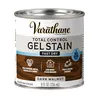
Varathane Total Control Dark Walnut Gel Stain
A thick, no-drip gel stain that stays put on vertical cabinet doors instead of running.
- Best for: Vertical cabinet doors and drawer fronts where drips are the biggest risk
- Why we picked it: Covers up to 250 sq ft per quart and dries in about an hour, so a full kitchen fits in a weekend
- Main drawback: Gel stains sit on top of wood rather than penetrating deep, so grain shows through less than traditional oil stain
Compare more cabinet restaining supplies
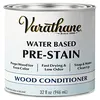 Option 1 Varathane Pre-Stain Wood Conditioner
|
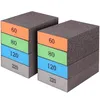 Option 2 Romeda 8-Pack Sanding Sponge Set (60-220 grit)
|
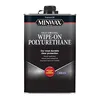 Option 3 Minwax Oil-Based Wipe-On Polyurethane, Satin
|
As an Amazon Associate we earn from qualifying purchases.
Cabinet restaining costs $4 to $15 per square foot when hired out, or roughly $1,500 to $4,500 total for a standard 10×10 kitchen with 20-30 cabinet doors. Labor is the biggest driver — it makes up 60% to 80% of the total bill, with contractors charging $32 to $100 per hour depending on your region. Doing it yourself cuts the cost down to $100 to $300 in materials, but you’re trading roughly $1,500-$4,000 in labor savings for 20 to 40 hours of your own weekend time.
Pre-staining repairs — fixing water damage, filling old hardware holes, or patching dents — typically add $200 to $800 on top of the base price, whether you hire it out or do it yourself.
| Kitchen Size | Professional Cost | DIY Material Cost | DIY Time Estimate |
|---|---|---|---|
| Small (10-15 doors) | $1,000-$2,000 | $80-$150 | 12-20 hours |
| Medium (20-30 doors) | $1,500-$4,500 | $100-$300 | 20-40 hours |
| Large (35+ doors) | $4,000-$7,000+ | $250-$450 | 40-60 hours |
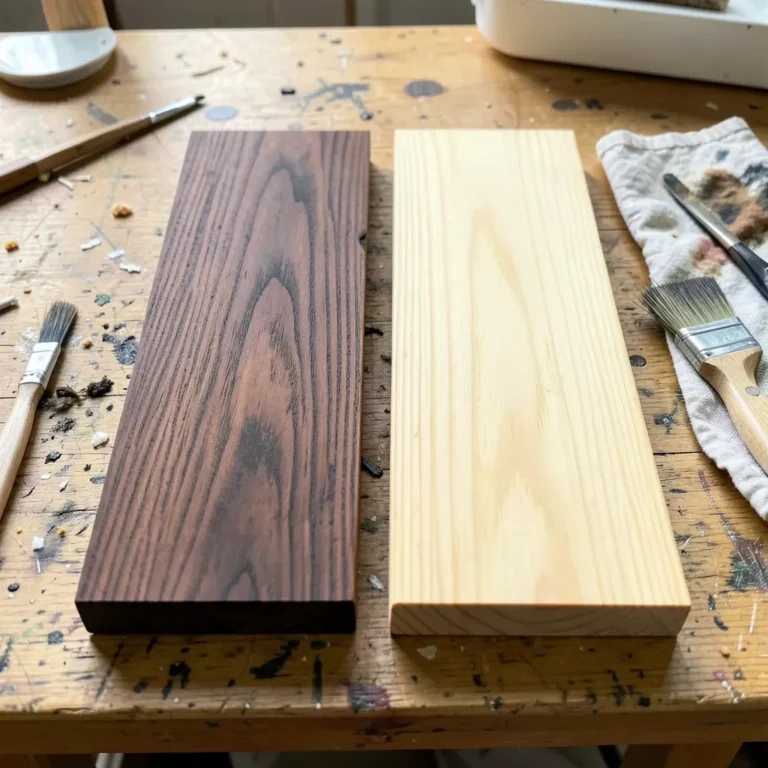
Note that changing the cabinet color also matters here — staying the same shade or going darker keeps you at the low end of these ranges. Going noticeably lighter adds bleaching steps that push both time and material cost toward the high end.
DIY Supply Cost Breakdown
Nobody publishes a real line-item list for what restaining actually takes to buy, so here’s one built from current retail prices. A medium kitchen (20-30 doors) needs roughly one quart of gel stain, a half-pint of pre-stain conditioner, a multi-grit sanding sponge set, and a pint of wipe-on polyurethane topcoat. If you’re deciding between finish types first, see our full breakdown of interior wood stain types and safe application.
| Supply | Typical Price | Covers |
|---|---|---|
| Pre-stain wood conditioner | $6-$18 / half-pint | Prevents blotchy absorption on softer woods |
| Gel or oil stain | $10-$40 / quart | 150-300 sq ft per gallon |
| Multi-grit sanding sponges | $5-$13 / pack | A full set of doors and drawer fronts |
| Wipe-on polyurethane topcoat | $19-$24 / pint-quart | 600-700 sq ft per gallon, 2-3 coats needed |
| Tack cloths, drop cloths, painter’s tape | $10-$20 total | Cleanup and overspray protection |
That totals roughly $100 to $300 for a medium kitchen, matching the DIY estimate in the table above. Here’s a starter kit covering the stain, conditioner, sanding, and topcoat steps.
What Changes Your Price
Four things move your total up or down: cabinet material, cabinet count, who does the work, and where you live.
- Material: Solid wood species like oak and cherry take stain evenly and cost more upfront but hold up better long-term. Laminate and MDF are cheaper but don’t absorb stain the same way — they usually need a bonding primer instead of a true stain, which is a different job than restaining solid wood.
- Cabinet count: Contractors typically price by linear foot of cabinetry (around $38 per linear foot for some pros) or by door count, so more doors and drawers means a proportionally higher bill.
- DIY vs professional: Hiring it out gets you faster, more even results but costs several times more than materials alone. DIY saves the labor markup but demands real time, a tolerance for an unusable kitchen for a few days, and picking the right gel stain vs. oil stain for your cabinet wood.
- Region and access: Urban labor rates run higher than rural ones, and hard-to-reach cabinets — tall uppers, tight galley kitchens — add setup time that shows up in the quote.
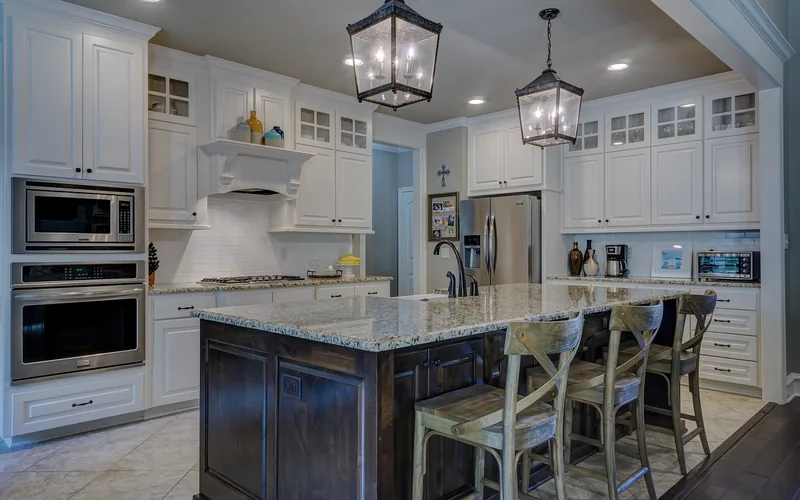
Restaining vs. Painting vs. Replacing: Which Costs Less?
Restaining is usually the cheapest full-kitchen option, but not always the cheapest per hour of labor. Because staining requires stripping and sanding down to bare wood while painting only needs a scuff-sand and primer, professional restaining runs about 30% more labor-intensive than painting — even though the stain itself costs less than paint and primer.
| Option | Typical Cost Range | Best For |
|---|---|---|
| Restain (same or darker color) | $1,500-$4,500 pro / $100-$300 DIY | Solid wood cabinets in good structural shape |
| Paint | $1,500-$5,000 pro / $200-$300 DIY supplies | Any material, including laminate and MDF; changing color dramatically |
| Reface (new doors, same boxes) | $5,000-$12,000 | Solid boxes with dated or damaged doors |
| Replace entirely | $6,000-$20,000+ | Damaged boxes or a full layout change |
If your cabinet boxes are structurally sound and you like the current layout, restaining and painting both beat replacing by a wide margin. Between the two, restaining wins on material cost and keeps the natural wood look; painting wins on labor time and works on cabinet materials that won’t take a true stain.
Can You Restain Cabinets Without Stripping Them?
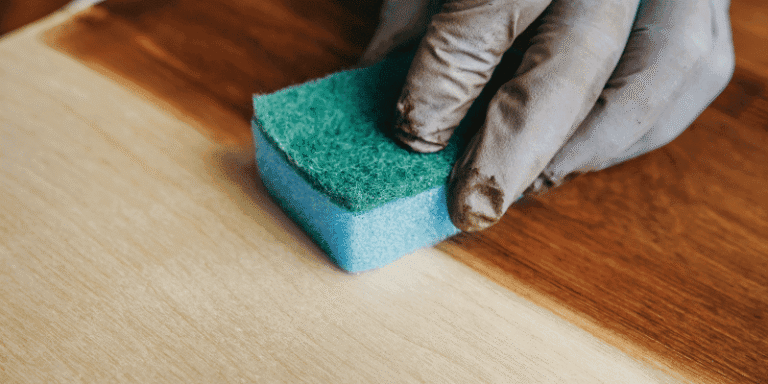
Yes, but only if you’re staying the same color or going darker. Going darker just needs the existing finish scuff-sanded so the new stain has something to grip — a full strip isn’t required. Going lighter is a different job entirely: the old stain has already penetrated the wood grain, and sanding alone usually can’t remove all of it, so you’re looking at aggressive sanding or bleaching, sometimes repeated more than once, with less predictable results.
This is the detail that trips up the most DIY budgets: a homeowner plans for a same-day sand-and-stain weekend, then discovers halfway through that their “lighter oak” goal needs a full strip after all — adding a chemical stripper, extra sanding time, and often another full day.
How Long Does a Cabinet Restain Last?
📊 A professionally applied stain finish typically lasts 10 to 20 years, depending on cabinet quality, finish type, and kitchen conditions — Source: industry cabinet-refinishing cost data, 2026
Stain penetrates the wood itself rather than sitting on top like paint, so it’s less likely to chip or peel with daily use. What shortens its life is moisture, heat, and abrasive cleaners near the stove and sink — the same spots that tend to need touch-up first. A topcoat of polyurethane over the stain is what actually takes the daily wear; reapplying just the topcoat every several years, rather than the full stain, is usually enough to keep cabinets looking fresh.
“The biggest mistake we see in our own shop projects is skipping the pre-stain conditioner on softer woods — it’s a 20-minute step that’s the difference between an even, professional-looking finish and a blotchy one you notice every time you walk into the kitchen.”
Frequently Asked Questions
Is it cheaper to restain or paint kitchen cabinets?
Materials are cheaper for staining — about $100-$150 in DIY supplies versus $200-$300 for paint. But professional labor flips that: restaining is roughly 30% more labor-intensive because it requires stripping and sanding to bare wood, while painting only needs a scuff-sand and primer coat. If you’re hiring out the work, painting is usually the lower total cost; if you’re doing it yourself, staining materials cost less.
How long does it take to restain kitchen cabinets?
A professional crew typically finishes in 3 to 5 days. DIY takes considerably longer — plan on 20 to 40 hours spread across a weekend or two for a medium kitchen, once you account for sanding, conditioning, staining, dry time between coats, and topcoating.
Can you restain cabinets that are already stained?
Yes, as long as you’re matching the existing color or going darker. Scuff-sand the current finish to remove the sheen, apply pre-stain conditioner if the wood is soft or blotch-prone, then stain as normal. Going to a noticeably lighter shade requires stripping or bleaching first, since sanding alone rarely removes stain that has already soaked into the grain.
How much does it cost to professionally stain kitchen cabinets?
Professional cabinet staining runs $4 to $15 per square foot, or about $1,500 to $4,500 for an average kitchen with 20-30 doors. Labor makes up 60-80% of that total, with rates ranging from $32 to $100 per hour depending on your region. Add $200-$800 if your cabinets need repairs before staining begins.
Is restaining kitchen cabinets worth it compared to replacing them?
If your cabinet boxes are structurally sound, restaining is almost always worth it — it costs a fraction of the $6,000-$20,000+ that full replacement runs, and a professional stain finish holds up 10 to 20 years. Replacement only makes financial sense when the boxes themselves are damaged, warped, or you’re changing the kitchen layout.
Conclusion
Restaining a kitchen full of solid wood cabinets in good shape is one of the better cost-to-impact upgrades available — $100-$300 in materials if you do it yourself, $1,500-$4,500 if you hire it out, against $6,000+ for a full replacement. The one decision that changes everything else is direction: staying the same shade or going darker keeps the job to a weekend and a short supply list; going lighter turns it into a stripping-and-bleaching project. Decide that first, then build your budget around it.
Sponsored / affiliate links. As an Amazon Associate I earn from qualifying purchases. I may earn additional commission from eligible campaigns.