Is Paperbark Good Firewood? Ignite Your Knowledge!
Paperbark is not the best choice for firewood. It burns quickly and produces a lot of smoke, making it less efficient.
Firewood selection significantly impacts your burning experience. Paperbark, known for its unique texture and appearance, has pros and cons. Many people appreciate its aesthetic appeal and its availability in certain regions. However, its burning characteristics can be disappointing. It ignites easily but burns rapidly, leading to a short-lived fire.
The high smoke output can also create issues, especially in enclosed spaces. Understanding these factors helps you make an informed choice about firewood. For efficient heating and a better overall experience, consider other hardwood options that provide longer burn times and less smoke.
Introduction To Paperbark
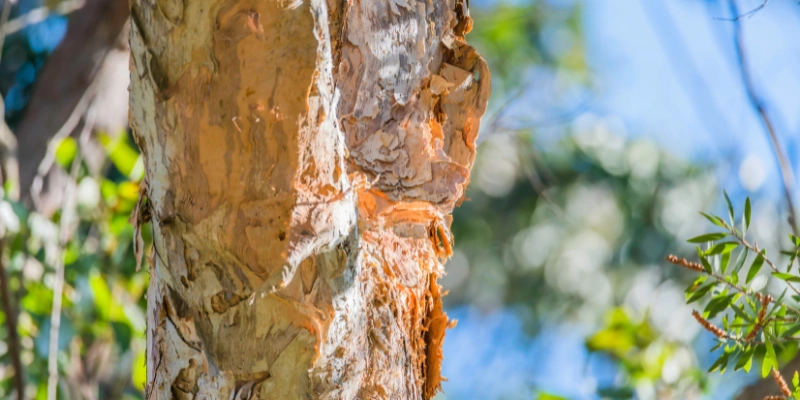
Paperbark trees are known for their unique characteristics. They have a thick, peeling bark that protects them from fire. This bark can also hold moisture, making the tree resilient in dry conditions.
The leaves of Paperbark trees are narrow and elongated. They provide shade and shelter for various wildlife. These trees can grow quite tall, reaching up to 30 meters in height.
| Historical Uses | Description |
|---|---|
| Indigenous Crafts | Used for making baskets and mats. |
| Medicinal Purposes | Leaves were used for treating wounds and infections. |
| Fire Starting | Dry bark is excellent for starting fires. |
The Quest For Quality Firewood
Choosing good firewood is essential for an efficient fire. The best firewood burns hot and long. It should also produce minimal smoke and ash. Seasoned wood is the best choice. This wood has dried out and is easier to ignite.
Paperbark is known for its unique properties. It ignites quickly and burns brightly. This wood can also produce a pleasant aroma. However, it may not last as long as other types.
| Firewood Type | Burning Quality | Smoke Production | Burn Time |
|---|---|---|---|
| Paperbark | Quick to ignite | Moderate | Short |
| Oak | Burns hot | Low | Long |
| Pine | Easy to light | High | Medium |
Paperbark In The Spotlight
Paperbark is a unique type of firewood. Its physical and chemical properties make it interesting. The bark is thick and fibrous. This helps it burn slowly and evenly.
Burn rate is an important factor for firewood. Paperbark has a moderate burn rate. It produces a good amount of heat. This makes it suitable for heating homes. It also creates a nice flame.
| Property | Details |
|---|---|
| Burn Rate | Moderate |
| Heat Production | Good |
| Flame Quality | Bright and steady |
Choosing paperbark can lead to a warm and cozy fire. Its unique properties make it a popular choice.
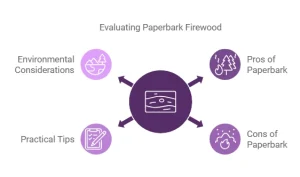
Pros Of Using Paperbark As Firewood
Paperbark is widely available and easy to find. This makes it a great choice for firewood. Its abundance ensures you can stock up without much effort.
Using paperbark is also a sustainable option. Trees regenerate quickly, allowing for continuous supply. This helps protect the environment while enjoying a cozy fire.
One of the unique features of paperbark is its aromatic qualities. It produces a lovely scent when burned. This makes your fire experience even more enjoyable.
Many people appreciate the warm glow and crackling sounds of paperbark. It creates a relaxing atmosphere for gatherings.
Cons Of Using Paperbark As Firewood
Using paperbark as firewood has some downsides. One major issue is its potential for high smoke production. This smoke can be thick and irritating.
High smoke can cause problems for people with respiratory issues. It can also create a less enjoyable fire experience.
Another concern is the risk of creosote accumulation in chimneys. Creosote is a flammable substance that builds up over time. It can lead to dangerous chimney fires.
Regular cleaning of the chimney becomes necessary when using paperbark. This adds extra work and cost for the user.
Practical Tips For Using Paperbark Firewood
Paperbark firewood can be great for your fireplace. Proper seasoning is key. Drying it for at least six months makes it burn better. Store it in a dry, airy place. This helps remove moisture effectively.
Combining paperbark with other woods can improve your fire. Hardwoods like oak or maple burn longer. Mixing different types creates a balanced fire. This can enhance heat output and reduce smoke. Always ensure wood is seasoned well before use.
Use a firewood rack to keep your paperbark off the ground. This protects it from moisture. Remember to check the bark for signs of rot before using.
Environmental Considerations
Paperbark trees play a key role in local ecosystems. They provide habitats for many animals. Removing too many can harm these habitats.
Sustainable harvesting is crucial for maintaining balance. This means taking only what is needed. It helps ensure that trees can grow back.
Using firewood from Paperbark should be done responsibly. Always check local guidelines for harvesting. Protecting the environment should be a priority.
Concluding Thoughts
Paperbark offers both benefits and drawbacks as firewood. It burns quickly and produces a good amount of heat. This wood is also easy to light, making it a popular choice. On the downside, it tends to burn faster, requiring more frequent refueling.
Another drawback is the potential for excessive smoke. This can be bothersome in enclosed spaces. Careful management is necessary to minimize smoke.
| Benefits | Drawbacks |
|---|---|
| Burns quickly | Burns fast |
| High heat output | Produces smoke |
| Easy to ignite | Requires frequent refueling |
Future use of paperbark may focus on improving efficiency. Sustainable practices will also play a big role. Research into reducing smoke emissions is essential for wider acceptance.
Frequently Asked Questions
Is Paperbark Considered Good Firewood?
Yes, Paperbark is considered good firewood. It burns efficiently, providing a steady heat output. Its natural oils make it easy to ignite and produce minimal smoke. Additionally, it leaves behind little ash, making cleanup easier. Overall, it’s a great choice for heating and cooking.
How Does Paperbark Compare To Other Firewood?
Paperbark burns hotter and longer than many common woods. Its high oil content contributes to its efficiency. Compared to softer woods, it’s denser and provides better heat retention. This makes it a preferred option for those seeking reliable and consistent warmth.
Can Paperbark Be Used In Fireplaces?
Yes, Paperbark can be used in fireplaces. It’s safe and burns cleanly when seasoned properly. Ensure the wood is dry to reduce smoke and creosote buildup. This makes it a practical choice for both indoor and outdoor fires, enhancing your overall experience.
What Is The Best Way To Store Paperbark?
Store Paperbark in a dry, well-ventilated area. Keeping it covered protects it from moisture and rain. Ideally, stack the wood off the ground to prevent rot. Proper storage ensures it stays dry and ready for use, maximizing its burning efficiency.
Conclusion
Paperbark can be a great option for firewood. It burns steadily and produces a pleasant aroma. Its natural oils may also repel pests, adding extra benefits. Consider your specific needs and local availability. Overall, paperbark is worth trying for your next firewood choice.
Enjoy the warmth it brings!