Can Cedar Trees Grow in Pots? (Yes, With the Right Care)
Cedar trees can grow in pots for years, but only in a container at least 20–24 inches wide and deep — cedars form dense, fibrous roots that quickly outgrow anything smaller. Skip that minimum and the tree stalls, yellows, or tips over in wind. This guide covers ideal pot size and species, a root-pruning schedule, and how to keep roots from freezing in winter.
Why Grow Cedar Trees in Pots?
Best Potted Cedar Care Tool Pick
Fiskars 28″ Garden Bypass Loppers – $19.97
This guide recommends root-pruning potted cedars every 2–3 years and thinning crowded growth each spring — bypass loppers make the clean 1.5-inch cuts both jobs call for without crushing stems.
- Best for: root pruning at repotting and spring branch thinning
- Why we picked it: low-friction coated blades make clean cuts on cedar’s dense root mass and branches
- Main drawback: 28″ length is bulky for very small container trees — fine for anything past the seedling stage
Compare more potted cedar care options
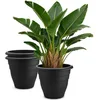 Option 1 RooTrimmer 20″ Heavy Duty Planter (3-Pack) – $69.99
|
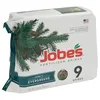 Option 2 Jobe’s Evergreen Fertilizer Spikes – $15.33
|
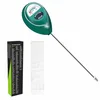 Option 3 XLUX Soil Moisture Meter – $9.99
|
As an Amazon Associate we earn from qualifying purchases.
Cedar trees are evergreen conifers with aromatic wood and needle-like foliage — the same wood covered across our full library of cedar guides. In the ground, many species reach 40 feet or more — but a container naturally restricts root growth, which keeps most cultivars manageable at 3 to 8 feet for years. That trade-off is why potted cedars work well as living privacy screens, entryway accents, or a way to enjoy cedar’s scent on a patio with no yard at all.
- Space-saving: A single pot does the job of a planting bed on a balcony, patio, or small lot.
- Mobility: Move the pot to chase full sun in summer or shelter from wind in winter.
- Root control: You decide exactly what soil, drainage, and moisture level the tree gets — useful if your native soil is heavy clay cedars dislike.
- Reversible: Rent, small yard, or undecided on placement — a potted cedar can move with you before you commit to planting it in the ground.
Choosing the Right Pot Size and Material
Pot size is the single biggest factor in whether a potted cedar thrives or struggles. Cedars build a dense, fibrous root mass that fills a container faster than most other evergreens.
Size and Material
Start young cedars in an 18–20 inch pot; move mature trees into a 24-inch-diameter container or larger. As a rule of thumb from container-nursery guidance, a 1-gallon evergreen needs at least a 14-inch pot and a 3-gallon evergreen needs at least 18 inches — go a size up for cedars specifically because of their root density. Repot every 2–3 years, sizing up 2–3 inches in diameter each time.
| Pot Material | Pros | Cons |
|---|---|---|
| Clay/terracotta | Stable in wind, breathable for roots | Heavy, dries out fast, can crack in freeze-thaw |
| Plastic/resin | Lightweight, retains moisture longer | Less wind-stable, degrades in UV over years |
| Wood (cedar or cypress) | Insulates roots better in winter, natural look | Needs a liner or rot-resistant species to last |
Drainage
Stagnant water is the #1 killer of potted cedars — standing moisture suffocates roots and invites rot within weeks. Use a pot with drainage holes at the bottom, never a solid-bottom planter, and raise the pot slightly on feet or bricks so water can actually escape instead of pooling underneath.
Wondering if wood scraps make a good drainage layer? See the dedicated section below — the short answer is: cedar bark chunks can work, but not the way most gardening advice assumes.
📊 A 1-gallon evergreen needs at least a 14-inch container and a 3-gallon evergreen at least 18 inches, per horticultural extension guidance — cedars’ dense root systems mean sizing up from those minimums pays off in fewer repottings. Source: NC State Extension Gardener Handbook, 2026
Selecting the Best Soil Mix for Potted Cedars
Cedars need soil that drains fast but doesn’t dry out completely. A mix of standard potting soil, coarse sand or perlite, and a small amount of compost works well — avoid straight garden soil or heavy clay, both of which stay too wet in a container and lead to root rot.
Target a soil pH of 6.0 to 7.0 (slightly acidic to neutral) — test with an inexpensive soil pH meter before planting. Feed with a balanced, slow-release fertilizer formulated for evergreens once in spring; potted trees can’t stretch their roots out to find extra nutrients the way an in-ground cedar can, so they depend on you for it.
Best Cedar Species and Cultivars for Containers
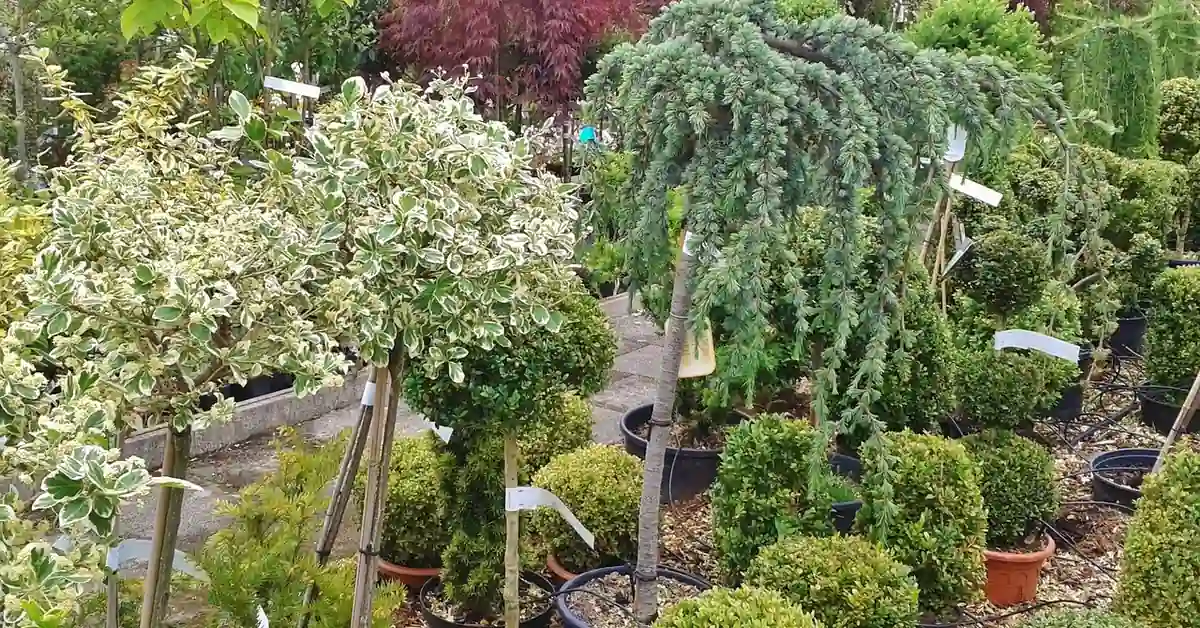
Not every “cedar” sold at a nursery grows the same way in a pot. Dwarf and slow-growing cultivars stay manageable for years; full-size species need repotting sooner and eventually outgrow container life.
| Cedar/Cultivar | Hardiness Zone | Notes for Pots |
|---|---|---|
| Dwarf Alberta Spruce-style dwarf cedars (e.g., Dwarf Japanese Cedar) | Zones 5–7 | Stays under 4 ft for years; easiest for beginners |
| Emerald Cedar (Thuja occidentalis ‘Smaragd’) | Zones 3–7 | Classic potted screening cedar; needs a 20-inch+ pot as it matures |
| ‘Jantar’ Arborvitae (Thuja occidentalis ‘Jantar’) | Zones 3–8 | Cold-hardy gold-foliage cultivar — good choice for potted cedars in cold-winter climates, but bump up one insulation level since roots in a pot are more exposed than in-ground |
| Eastern Red Cedar (Juniperus virginiana) | Zones 2–9 | Better suited to in-ground planting long-term; young trees can live in a 24-inch+ pot for a few years but will need transplanting sooner than dwarf cultivars |
If you’d rather build your own container than buy one, a cedar or cypress planter box (rot-resistant woods that won’t need yearly replacing) gives roots more insulation than plastic or thin resin pots — worth considering if you’re already comfortable with basic woodworking.
How to Plant a Cedar Tree in a Pot
Planting takes about 20 minutes once you have the right pot and soil mix ready.
- Pick the pot: Choose an 18–24 inch container with drainage holes at the bottom — never a solid-bottom planter.
- Fill with soil mix: Add a well-draining mix of potting soil, sand or perlite, and compost, filling the pot about one-third full.
- Set the tree: Center the root ball so its top sits level with the rim of the soil, not buried deeper than it was growing before.
- Backfill and firm: Fill in around the root ball with more soil mix, pressing gently to remove air pockets — don’t compact it hard.
- Water thoroughly: Soak until water runs from the drainage holes, then keep the soil moist but never waterlogged for the first two weeks while roots establish.
Root pruning keeps a potted cedar from becoming rootbound. Every 2–3 years, slide the tree out of its pot and trim the outer roots back by about one-third before repotting in fresh soil. Healthy roots are white and firm; brown, black, or mushy roots signal rot and need trimming back to healthy tissue.
Can Cedar Bark or Wood Be Used as Pot Drainage?
Yes, chunks of cedar bark can sit in the bottom of a pot to improve drainage — but it’s not a substitute for actual drainage holes, and it comes with one real trade-off worth knowing before you use it.
As cedar bark breaks down in contact with moist soil, the decomposition process temporarily pulls nitrogen out of the surrounding potting mix to fuel the bacteria doing the breaking-down — the same nitrogen-drawdown effect that happens with any wood mulch worked into soil. For a cedar tree itself this is a minor issue since it’s not a heavy nitrogen feeder, but if you’re using cedar scraps in a pot with flowering annuals or vegetables, expect slower growth until the bark has broken down. Using bark chips as a coarse top layer (not mixed into the root zone) avoids the problem entirely while still improving surface drainage and slowing evaporation.
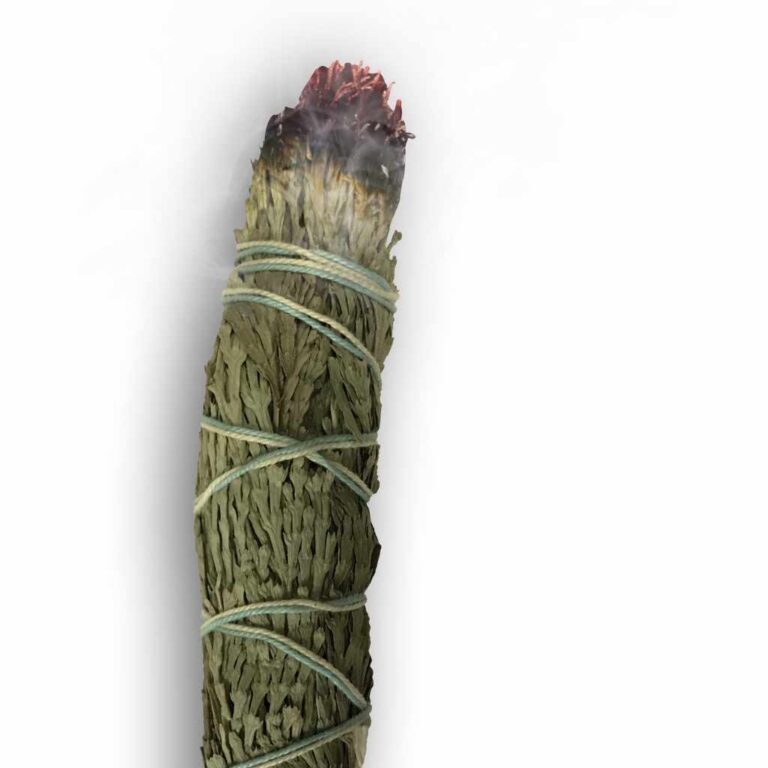
If you do woodworking and end up with cedar offcuts, they’re a genuinely better drainage-layer material than gravel for one reason: cedar naturally resists rot and insects longer than most scrap wood, so a bark layer at the bottom of a pot lasts several seasons before it needs replacing. See more ways to reuse cedar bark and offcuts if you have material left over from a shop project.
Caring for Cedar Trees in Containers
Watering Schedule
Potted cedars dry out faster than in-ground trees because roots are confined to a small volume of soil exposed to air on all sides. Check the top inch of soil before watering rather than watering on a fixed schedule — a moisture meter takes the guesswork out of this.
| Season | Watering Frequency | Notes |
|---|---|---|
| Summer | Daily to every other day | Check soil daily in heat above 85°F |
| Spring/Fall | 2–3 times per week | Water when top inch is dry |
| Winter | Once every 1–2 weeks | Only when soil is dry a few inches down; never let it fully freeze dry |
Pruning and Fertilizing
Prune in late winter or early spring before new growth starts, using sharp bypass tools to remove dead, diseased, or crossing branches and to thin crowded interior growth so light and air can reach it. Fertilize once a year in spring with a slow-release formula made for evergreens — follow the package rate, since over-fertilizing potted trees is easier to do than with in-ground plantings. If you’d rather skip synthetic spikes, wood ash can work as a supplemental fertilizer in small, occasional doses — it raises soil pH, though, so use it sparingly and re-check your soil pH afterward.
Protecting Potted Cedars From Pests and Diseases
Potted cedars face the same pests as in-ground trees, but a stressed container tree is more vulnerable to all of them.
| Problem | Symptoms | Fix |
|---|---|---|
| Aphids | Sticky residue, curled new growth | Spray with neem oil or insecticidal soap |
| Spider mites | Fine webbing, yellow speckled needles | Increase humidity, rinse foliage, use insecticidal soap |
| Root rot | Wilting despite moist soil, mushy brown roots | Improve drainage; trim affected roots at repotting |
| Scale insects | Small bumps on branches, sticky residue | Prune affected branches, treat with horticultural oil |
Overwintering Cedar Trees in Pots
A potted cedar’s roots are far more exposed to cold than roots growing in the ground — a pot has no surrounding earth to buffer temperature swings, so roots can freeze at air temperatures that wouldn’t touch an in-ground root system. Treat a potted cedar as roughly one USDA zone less hardy than the same species planted in soil.
- Insulate the pot: Wrap it in burlap, bubble wrap, or several inches of straw held in place with chicken wire.
- Mulch the surface: 2–3 inches of mulch on top of the soil slows frost penetration and helps retain moisture.
- Elevate off the ground: Set the pot on pot feet or bricks so it isn’t sitting directly on frozen concrete or soil.
- Group pots together: Cluster containers on the sheltered north or east side of the house, away from wind and winter sun that can thaw-and-refreeze roots.
In climates below roughly zone 5, or for any cultivar rated for a zone warmer than yours, move the pot into an unheated garage or shed for winter rather than relying on insulation alone.
Troubleshooting Growth Issues in Potted Cedars

| Issue | Likely Cause | Fix |
|---|---|---|
| Yellowing needles | Overwatering or poor drainage | Check drainage holes, reduce watering frequency |
| Browning tips | Underfeeding or root-bound pot | Fertilize per schedule; check if roots have filled the pot |
| Wilting despite moist soil | Root rot from standing water | Repot into fresh, well-draining soil; trim rotted roots |
| Slow or stalled growth | Pot too small or insufficient light | Size up the container; move to a spot with more direct sun |
Container Ideas for Cedar Trees
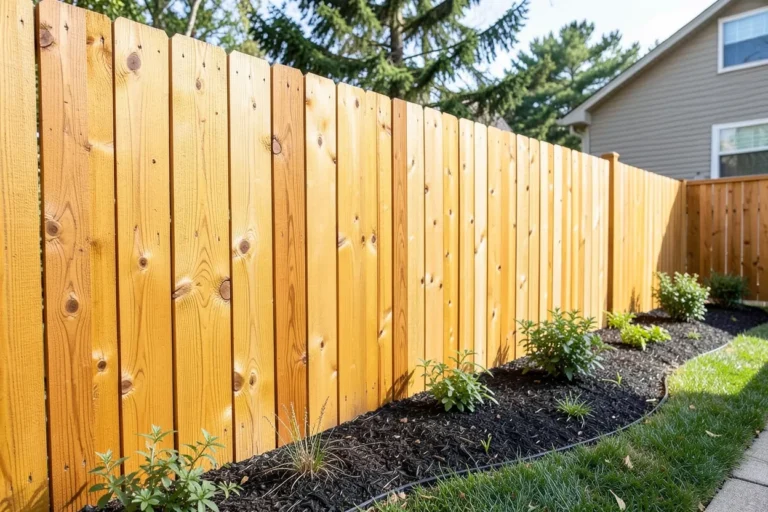
Beyond a single specimen in a decorative pot, potted cedars work well in a few practical arrangements: grouped pots of varying heights along a fence line for an instant living screen, matched pairs flanking an entryway, or mixed with flowering annuals, herbs, or low succulents planted around the cedar’s base once it’s established. Keep any companion plants shallow-rooted so they don’t compete with the cedar for the container’s limited root space — the same space constraint that applies if you’re growing a cherry tree in a pot nearby.

Thriving Cedars in Constrained Spaces
A potted cedar takes more attention than one planted in the ground — more frequent watering, a repotting schedule, and extra winter protection — but none of it is complicated once you have the right pot size and soil mix from the start.
- Pot: At least 18–20 inches for young trees, 24 inches or larger once mature, with real drainage holes.
- Species: Dwarf or slow-growing cultivars (Emerald, Jantar, Dwarf Japanese Cedar) stay manageable longest.
- Soil: Fast-draining mix, pH 6.0–7.0, with a slow-release evergreen fertilizer once a year.
- Water: Check the top inch before watering — more often in summer, far less in winter.
- Winter: Insulate the pot and treat the tree as one hardiness zone less cold-tolerant than its rating.
- Root health: Root-prune and repot every 2–3 years to prevent the tree from becoming rootbound.
Urban gardeners and anyone short on yard space can get a real cedar — scent, screening, and all — without ever putting a shovel in the ground.
Frequently Asked Questions
Can Cedar Trees Survive Winter in Pots?
Yes, but potted roots are more exposed to cold than in-ground roots. Wrap the pot in insulation, mulch the soil surface, and treat the tree as roughly one USDA hardiness zone less cold-tolerant than its rating.
What Size Pot Does a Cedar Tree Need?
Start young cedars in an 18–20 inch diameter pot and move mature trees into 24 inches or larger. Cedars build dense, fibrous roots that fill a container faster than most other evergreens, so undersizing the pot is the most common reason potted cedars stall out.
What Are the Best Cedars for Pots?
Dwarf and slow-growing cultivars do best in containers long-term: Emerald Cedar (Thuja ‘Smaragd’), Dwarf Japanese Cedar, and cold-hardy cultivars like ‘Jantar’ arborvitae. Eastern Red Cedar can live in a large pot when young but is better suited to in-ground planting eventually.
Can Cedar Bark Be Used as Drainage in Pots?
Yes, chunks of cedar bark improve drainage at the bottom of a pot. As it breaks down it temporarily pulls nitrogen from the soil, so it’s better used as a coarse top layer than mixed directly into the root zone, especially around plants other than the cedar itself.
Do Cedar Trees Need a Lot of Sun?
Yes. Cedars need at least six hours of direct sunlight daily for full, healthy growth. Less than that leads to sparse, leggy foliage over time, especially in a container where the roots can’t stretch toward better light on their own.
Can You Grow a Cedar Tree Indoors?
Yes, if you choose a dwarf cultivar and can give it bright, direct light and cooler winter temperatures — most cedars are cold-hardy evergreens that don’t thrive in constant indoor warmth year-round. A bright unheated sunroom works better than a warm living room.
Enjoy your potted cedar — with the right pot, soil, and a little winter care, it can stay healthy on a patio or balcony for years.
Sponsored / affiliate links. As an Amazon Associate I earn from qualifying purchases. I may earn additional commission from eligible campaigns.