Jigsaw Versus Circular Saw: Which Tool is Best for Your Project?
A circular saw excels in making straight cuts, while a jigsaw is ideal for curved or intricate cuts. Both tools have unique advantages depending on the type of project.
Choosing between a jigsaw and a circular saw depends on the specific cutting tasks at hand. A circular saw is perfect for straight, long cuts in thicker materials, making it a favorite for framing and sheet goods. In contrast, a jigsaw is more versatile for detailed work, allowing for curves and complex shapes.
Its slower cutting speed gives users better control, which is essential for precision tasks. Understanding their strengths will help you select the right tool for your woodworking or DIY projects, ensuring optimal results and efficiency. Each tool serves a unique purpose, enhancing your craftsmanship.
Introduction To Power Saws
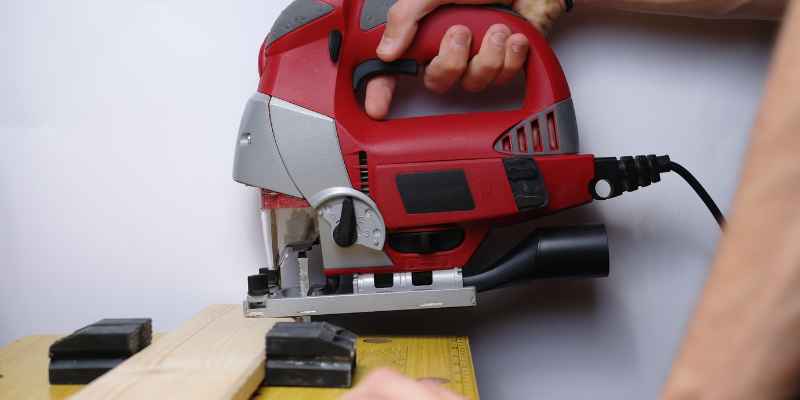
The jigsaw is a versatile tool designed for making curved and intricate cuts. It uses a straight blade that moves up and down. This allows for great control over the cut. Jigsaws are ideal for projects like crafting and fine woodworking. They are also lightweight and easy to handle.
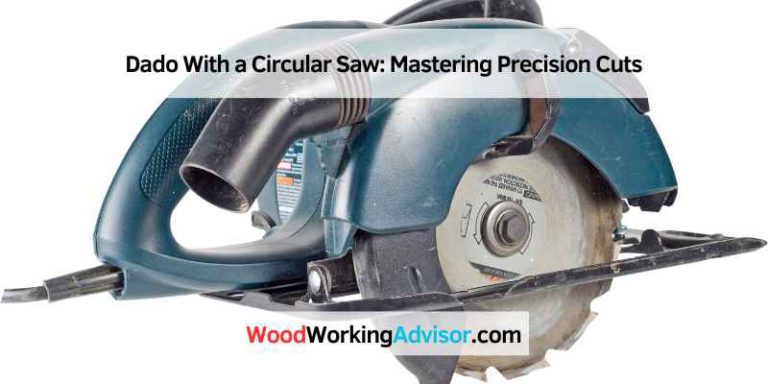
On the other hand, the circular saw is perfect for making straight cuts quickly. It uses a rotating blade to slice through materials. This tool excels at tasks such as cutting plywood and dimensional lumber. Circular saws are often used in larger projects where speed is essential.
Key Differences Between Jigsaw And Circular Saw
The cutting technique is a major difference between a jigsaw and a circular saw. A circular saw excels at making straight cuts, perfect for lumber and plywood. In contrast, a jigsaw is ideal for curved cuts or intricate shapes. This tool provides more control during cuts, making it suitable for detailed work.
In terms of types of cuts, the circular saw performs crosscuts and rip cuts efficiently. On the other hand, the jigsaw can handle plunge cuts and bevel cuts easily. This versatility makes both tools unique for different tasks.
Speed and precision also vary between these saws. The circular saw cuts faster, which is great for larger projects. A jigsaw, while slower, offers more accuracy for detailed designs. Choosing the right tool depends on the project’s needs.
Pros And Cons Of Jigsaw
A jigsaw is great for making curved cuts and intricate shapes. It allows for better control over the cutting process. Lightweight and easy to handle, it’s perfect for small projects. The blades are easily interchangeable, offering versatility for different materials. Jigsaws are also relatively affordable compared to other saws.
Disadvantages:
Jigsaws may struggle with thicker materials. They can produce rough edges if not used carefully. Cutting speed is slower than a circular saw, which may slow down larger tasks. Accuracy can be a challenge without a steady hand. Lastly, the blade can bend, making cuts less precise.
Pros And Cons Of Circular Saw
Circular saws are powerful tools ideal for making straight cuts. They can handle thick materials with ease. Speed is one of their biggest advantages, allowing for quick cuts. They are also versatile, suitable for various materials like wood, metal, and plastic.
On the downside, achieving precision can be challenging without guides. They may splinter delicate materials during cutting. Safety is a concern due to their fast-moving blades. For beginners, mastering this tool may take time and practice.
Choosing The Right Saw For Specific Projects
For straight cuts and long boards, a circular saw is the best option. It excels at making quick and accurate cuts. This tool is ideal for tasks like crosscuts and rip cuts. A jigsaw is not as effective for long, straight lines. It works best on shorter cuts.
For curved cuts and intricate patterns, a jigsaw shines. Its slower speed gives you more control. This makes it easy to create complex designs and curves. A jigsaw can cut shapes that a circular saw cannot manage. Choose wisely based on your project needs.
Safety Tips For Using Jigsaw And Circular Saw
Jigsaws and circular saws serve distinct purposes in woodworking. For intricate curves and detailed cuts, a jigsaw provides better control. Conversely, a circular saw excels in making quick, straight cuts. Prioritize safety by using protective gear and ensuring stable material support while working with either tool.
Jigsaw Safety Measures
Always wear safety glasses to protect your eyes. Use clamps to secure your material. Make sure the blade is sharp and suitable for the material. Keep hands away from the cutting area. Always unplug the jigsaw when changing blades. Use a dust mask to avoid inhaling dust particles. Check the power cord for damage before use.
Circular Saw Safety Measures
Wear ear protection to guard against loud noises. Ensure the blade is sharp and free of rust. Keep your hands at a safe distance from the blade. Always use a guide for straight cuts. Unplug the saw when changing blades or making adjustments. Inspect the work area for any obstacles before cutting.
Maintenance And Care For Your Saws
Keeping your jigsaw in top shape requires regular maintenance. Always check the blades for wear and tear. Replace dull blades to ensure clean cuts. Cleaning the tool after each use prevents dust buildup. Lubricate moving parts for smooth operation. Store it in a dry place to avoid rust.
Maintaining your circular saw is equally important. Inspect the blade regularly for damage. Ensure it is sharp for efficient cutting. Keep the base clean to maintain accuracy. Use a blow gun or compressed air to remove debris. Regularly check the cord and plug for safety.
Expert Recommendations And User Experiences
Professional advice often highlights the strengths of both saw types. A circular saw excels at making straight cuts quickly. It is ideal for larger projects and thick materials. On the other hand, a jigsaw is perfect for intricate designs. Its slower speed allows for more precise cuts. Professionals recommend having both tools for versatility.
DIYers appreciate the flexibility of a jigsaw. It can handle curves and corners effectively. Many users value the ease of changing blades. This feature makes it adaptable for different materials. A circular saw, while faster, requires careful handling for accuracy. User experiences often emphasize safety and practice.
Frequently Asked Questions
Which Is Better, A Jigsaw Or A Circular Saw?
A circular saw excels at straight cuts and is faster, ideal for larger projects. A jigsaw provides more control, perfect for intricate shapes and curves. Choose based on your specific cutting needs and project requirements.
What Are The Disadvantages Of A Circular Saw?
Circular saws can be challenging for precise cuts without guides. They may splinter delicate materials and can pose safety risks due to exposed blades. Additionally, they are heavier and less portable than some alternatives, making them less convenient for some users.
Is A Jigsaw Or Circular Better For Cutting Plywood?
A circular saw is better for cutting plywood straight and quickly. It excels at crosscuts and rip cuts. A jigsaw is ideal for intricate shapes and curves, offering more control. Choose based on your project needs. For speed and efficiency, go with a circular saw.
Can A Jigsaw Cut A 2×4?
Yes, a jigsaw can cut through a 2×4. Use a wood-cutting blade for best results. It’s suitable for shorter, curved cuts but may struggle with longer straight cuts. For efficiency, consider using a circular saw for thicker materials. Always follow safety guidelines when operating power tools.
Conclusion
Choosing between a jigsaw and a circular saw ultimately depends on your specific cutting needs. Each tool excels in different applications. A jigsaw offers versatility and control for intricate cuts, while a circular saw delivers speed and precision for straight cuts.
Consider your projects carefully to make the best choice.