DeWalt Circular Saw: Corded, 20V MAX, or FLEXVOLT — Picking the Right Platform
DeWalt’s circular saw lineup splits primarily by power source — corded, 20V MAX cordless, and FLEXVOLT (60V cordless) — and that split matters more for picking the right saw than comparing individual model numbers does, since battery platform compatibility with your other tools is usually the deciding factor in practice.
Corded vs. 20V MAX vs. FLEXVOLT
The Standard 20V MAX Choice
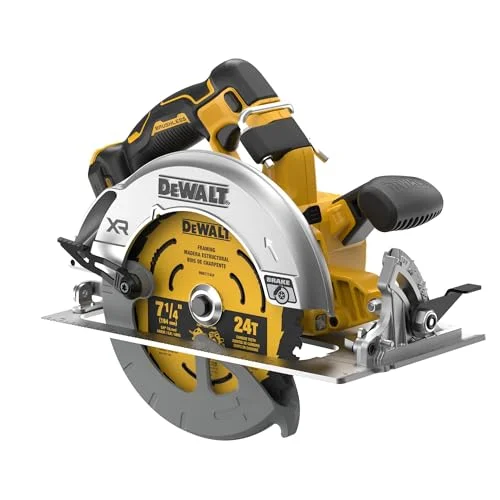 |
DEWALT 20V MAX XR Brushless 7-1/4″ Circular Saw (DCS590B) – $180.99 Sold bare (tool only) — shares batteries with the rest of the 20V MAX lineup if you already own DeWalt tools.
|
A corded DeWalt circular saw delivers consistent full power with no runtime limit or battery weight, and remains the choice for a stationary job (a cut station, repetitive shop cuts) where trailing a cord isn’t a real hindrance. 20V MAX cordless saws (like the DCS590B above) trade some raw power and add battery weight for real portability, and share batteries with the much larger 20V MAX tool lineup, which is the real reason most DeWalt-invested buyers pick this platform regardless of which specific saw model they choose. FLEXVOLT (60V) saws deliver closer to corded-level power in a cordless package, aimed at buyers doing sustained heavy cutting (framing, deck building) where 20V MAX’s power ceiling becomes a real limitation.
Why Battery Platform Matters More Than Model Number
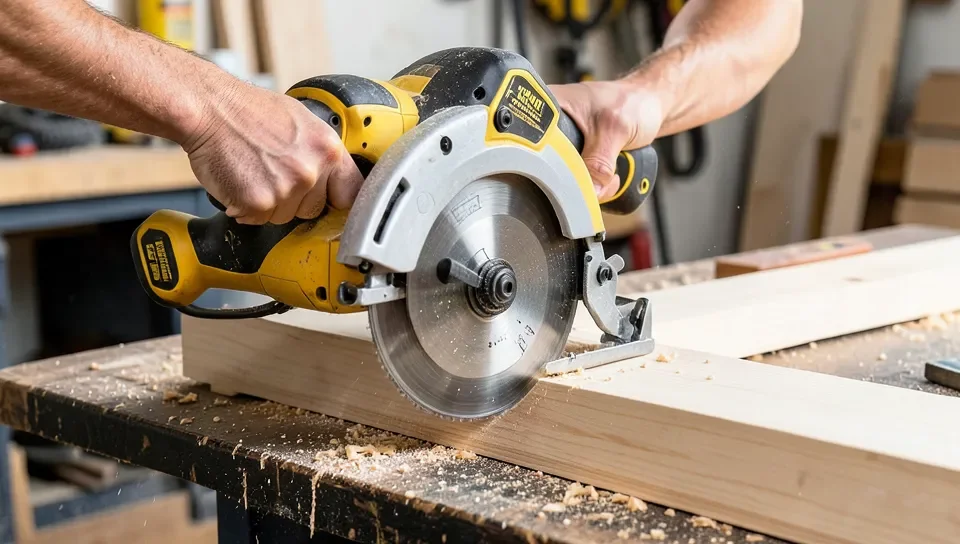
If you already own other DeWalt 20V MAX tools, a 20V MAX circular saw sold bare (tool only) is almost always the cheaper and more practical purchase than a corded saw or a kit bundling a battery and charger you don’t need. Conversely, a first DeWalt tool purchase might make more sense as a kit with a battery and charger included, or as a corded saw if cordless convenience isn’t a priority yet. This platform decision, made once, then applies to every future DeWalt cordless tool purchase — which is worth more consideration upfront than comparing two similarly-specced saws within the same platform.
Blade Size and Bevel Range: The Actual Spec Differences
Within any given power platform, the specs that actually vary between DeWalt circular saw models are blade diameter (6-1/2″ saws are lighter and more common on cordless models; 7-1/4″ is the traditional full-size blade, common on corded and FLEXVOLT saws), bevel angle range (most modern models bevel 0-56° or similar, wider than older designs), and whether the motor is brushed or brushless (brushless runs cooler and lasts longer under sustained use, at a higher price point). For a specific model’s exact cut depth and RPM figures, check that model’s own spec sheet directly rather than assuming all DeWalt circular saws share identical numbers within a platform.
Blade Left or Blade Right: A Real Ergonomic Difference
DeWalt’s mainstream sidewinder-style circular saws position the blade on the right side of the motor, which gives a right-handed user a clearer sightline down the cut line since the motor housing isn’t blocking the view of the blade. Left-blade orientation (more common on worm-drive-style saws from other brands) suits a left-handed user the same way, or a right-handed user who specifically prefers cutting with the offcut side visible. This is a genuine ergonomic preference, not a power or quality difference, and it’s worth handling a saw in person if possible before assuming the standard orientation is automatically the right fit.
Electric Brake and Blade Guard: Standard Safety Features
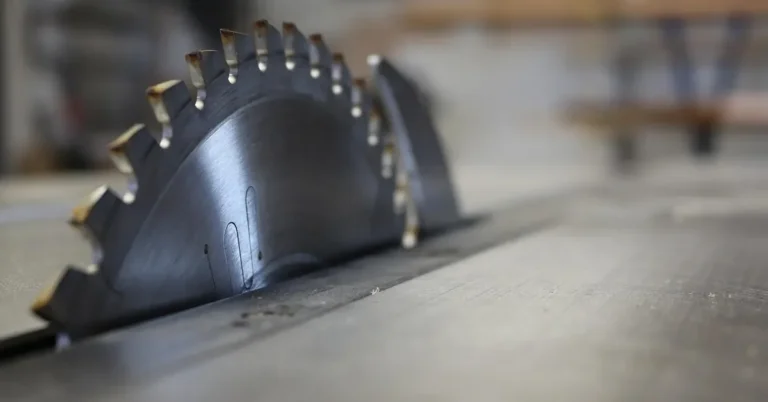
An electric brake, standard on most current DeWalt circular saws, stops the blade within a couple seconds of releasing the trigger rather than letting it spin down freely, which meaningfully reduces the window where an exposed spinning blade is a real hazard right after a cut. The retractable lower blade guard should snap back to fully cover the blade the instant it’s not engaged in the material — a guard that hangs up or needs manual retraction is a genuine defect worth addressing (cleaning debris out of the guard pivot, or replacing the saw if it’s a persistent mechanical problem) rather than working around by propping the guard open, which defeats its entire purpose.
Frequently Asked Questions
Should I buy a corded or cordless DeWalt circular saw?
Corded suits stationary, repetitive cutting with no runtime limit. Cordless (20V MAX or FLEXVOLT) suits portability and job-site flexibility, at some cost in raw sustained power compared to corded.
What’s the difference between 20V MAX and FLEXVOLT DeWalt saws?
FLEXVOLT (60V) delivers closer to corded-level power for sustained heavy cutting like framing. 20V MAX is lighter and shares batteries with DeWalt’s much larger everyday tool lineup.
Should I buy a circular saw as a bare tool or a kit?
Bare tool (tool only) is cheaper if you already own compatible batteries and a charger from other DeWalt tools. A kit makes more sense as a first purchase on that battery platform.
Conclusion
The real first decision for a DeWalt circular saw is power platform (corded, 20V MAX, or FLEXVOLT), not a specific model number — that choice determines battery compatibility with every future cordless tool purchase, which matters more long-term than the difference between two similarly-specced saws on the same platform. Pick the platform that matches your existing tools and typical cutting demands first, then compare specific models within it.
Sponsored / affiliate links. As an Amazon Associate I earn from qualifying purchases. I may earn additional commission from eligible campaigns.