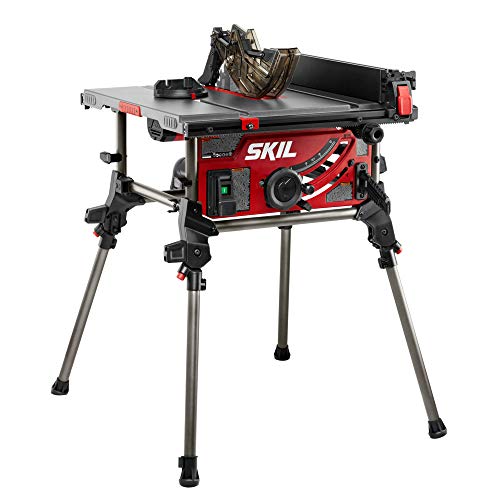
Left Tilt Table Saw Guide: Maximize Your Woodworking
A left tilt table saw features a blade that tilts to the left. This design allows for safer cuts and easier alignment with the fence.
A left tilt table saw is a popular choice among woodworkers for its user-friendly design. This type of saw is engineered to tilt towards the operator, providing improved visibility and control during cuts. Woodworkers appreciate the enhanced safety features, as they minimize the risk of kickback.
With a left tilt design, the blade’s angle allows for more accurate cuts when using a miter gauge, especially on bevel cuts. Many professionals and hobbyists favor this saw for its versatility and precision. Investing in a left tilt table saw can elevate your woodworking projects, making them more efficient and enjoyable. Understanding its benefits can help you make an informed decision for your workshop.
Introduction To Left Tilt Table Saws
Left tilt table saws are popular among woodworkers. They are known for their unique design. This design helps users make cleaner cuts and improves safety. Many professionals prefer left tilt saws for precision work.
Benefits Of A Left Tilt Design
The left tilt design offers several advantages:
- Cleaner Cuts: The blade tilts away from the fence. This reduces tear-out on the wood.
- Improved Safety: The user can see the blade better. This makes it easier to keep hands safe.
- Better Dust Control: Left tilt saws often come with better dust collection features.
- Easy Blade Adjustment: Adjusting the blade angle is simpler with a left tilt.
Common Uses In Woodworking
Left tilt table saws are versatile tools. They are used in various woodworking tasks:
- Rip Cuts: Ideal for cutting long boards.
- Cross Cuts: Suitable for cutting across the grain.
- Bevel Cuts: Great for angled cuts on projects.
- Dado Cuts: Perfect for making grooves in wood.
Woodworkers appreciate their precision and ease of use. Left tilt table saws are essential for both beginners and experts.
Key Features To Consider
Choosing a left tilt table saw involves several important features. Understanding these features ensures you select the best tool for your needs.
Blade Size And Type
The blade size impacts cutting capacity. Common sizes include:
- 10 inches
- 12 inches
Blade type affects the cut quality. Options include:
- Carbide-tipped blades for durability
- High-speed steel blades for fine cuts
Consider the material you will cut. Choose a blade designed for that purpose.
Tilt Range And Stability
The tilt range determines the angle for bevel cuts. A typical range is:
| Angle | Application |
|---|---|
| 0° | Standard cuts |
| 45° | Bevel cuts |
Stability is crucial for safety and accuracy. Look for sturdy bases and solid construction.
Fence Accuracy And Ease Of Adjustment
A fence must be accurate for precise cuts. Check for:
- Easy measurement markings
- Quick adjustment features
Consider a fence with a locking mechanism. This feature keeps it in place during cuts.
Simple adjustments save time. Look for user-friendly designs.
Safety First: Operating A Left Tilt Table Saw
Always use guards and splitters to prevent accidents.
Ensure wood is flat against the fence to avoid kickback.
Wear goggles, gloves, and ear protection for safety.
Setting Up Your Saw For Precision Cuts
Setting up your left tilt table saw correctly is essential for precision cuts. A well-calibrated saw makes all the difference in your woodworking projects. Follow these steps to ensure your saw is ready for accurate cutting.
Calibrating The Blade
Calibrating the blade ensures it cuts straight and true. Follow these steps:
- Use a tape measure to check the distance from the blade to the miter slot.
- Adjust the blade angle to 90 degrees using a digital level.
- Make test cuts on scrap wood.
- Check the cut edges with a square for accuracy.
Repeat these steps until the blade is perfectly calibrated.
Adjusting The Fence
The fence guides your wood for straight cuts. Accurate adjustments are crucial:
- Loosen the fence locks.
- Align the fence parallel to the blade.
- Use a caliper to measure the distance from the fence to the blade.
- Lock the fence in place.
Check the alignment with a straight edge. Adjust if necessary.
Ensuring Table Flatness
A flat table is vital for uniform cuts. To check table flatness:
| Step | Description |
|---|---|
| 1 | Use a straight edge across the table. |
| 2 | Look for gaps between the straight edge and table. |
| 3 | Adjust the leveling screws if needed. |
Ensure the table is flat for precise cuts.
Advanced Techniques With A Left Tilt Table Saw
Mastering advanced techniques enhances your woodworking skills. A left tilt table saw offers precision. It simplifies complex cuts, providing better control. Let’s explore some key techniques.
Angles And Bevels
Creating angles and bevels is easy with a left tilt table saw. Here’s how to do it:
- Set your blade to the desired angle.
- Use a protractor for accuracy.
- Secure the wood with clamps.
- Make the cut slowly for a clean edge.
Common angles include:
| Angle | Cut Type |
|---|---|
| 45° | Bevel Cut |
| 22.5° | Mitre Cut |
Dado Cuts
Dado cuts create grooves in wood. They are perfect for joining pieces. Follow these steps:
- Set the blade height to the desired depth.
- Adjust the fence for the cut width.
- Run the wood through the saw.
- Repeat for wider dados.
Tip: Always use a dado blade set for best results.
Rabbets And Grooves
Rabbets and grooves are essential for strong joints. Use your left tilt saw to make them easily. Here’s how:
- Adjust the blade height for the rabbet depth.
- Position the wood against the fence.
- Run the wood through the saw.
Groove cuts can also be made by:
- Setting the blade width.
- Adjusting the fence for alignment.
- Making a pass for a clean groove.
Maintenance And Troubleshooting
Proper maintenance keeps your left tilt table saw running smoothly. Regular care prevents issues and extends its lifespan. Follow these tips for routine maintenance and troubleshooting.
Routine Cleaning
Cleaning your table saw is crucial for performance. Dust and debris can affect cuts and accuracy. Follow these steps for effective cleaning:
- Unplug the saw before cleaning.
- Use a soft brush to remove sawdust.
- Wipe the table surface with a damp cloth.
- Inspect the blade for any buildup.
- Check the motor vents and clear any blockages.
Perform cleaning after each use. This habit helps maintain efficiency.
Blade Sharpening And Replacement
A sharp blade ensures clean cuts. Dull blades can cause splintering and require more force. Follow these guidelines:
- Check the blade regularly for wear.
- Use a sharpening stone to hone the edges.
- Replace the blade if it shows severe damage.
Choose the right blade for your material. A proper blade enhances performance. Always use a wrench to safely remove and replace blades.
Aligning The Tilt Mechanism
Proper alignment of the tilt mechanism is vital. Misalignment can lead to inaccurate cuts. Here’s how to check and align it:
| Step | Action |
|---|---|
| 1 | Loosen the tilt lock knob. |
| 2 | Set the blade to 0 degrees. |
| 3 | Use a square to check alignment. |
| 4 | Adjust the tilt mechanism as needed. |
| 5 | Tighten the tilt lock knob securely. |
Regular checks help maintain accuracy. A well-aligned saw enhances safety and efficiency.
Selecting The Right Blade For Your Project
Choosing the right blade for your left tilt table saw is crucial. The blade affects cut quality and efficiency. Knowing your project materials helps in selecting the best blade.
Material Specific Blades
Different materials require different blades. Here are some common materials and their recommended blades:
| Material | Recommended Blade Type |
|---|---|
| Wood | General-purpose or crosscut blades |
| Plywood | Fine-tooth blades |
| MDF | Specialized MDF blades |
| Metal | Carbide-tipped blades |
| Plastic | Plastic-cutting blades |
Kerf Widths
Kerf width refers to the thickness of the cut made by the blade. Choosing the right kerf width can affect your project:
- Thin Kerf: Less waste, ideal for thin materials.
- Standard Kerf: More stability, suitable for general cuts.
- Heavy Kerf: Best for thick materials, offers durability.
Consider the material thickness and desired cut quality. Select a kerf width that matches your needs.
Tooth Configuration
The tooth configuration of a blade impacts its cutting ability. Different configurations serve different purposes:
- Flat Top (FTG): Best for rip cuts.
- Alternate Top Bevel (ATB): Ideal for crosscuts.
- Triple Chip Grind (TCG): Great for cutting metal.
Select a configuration that fits your project type. This ensures clean and precise cuts.
Enhancing Your Saw With Accessories
Upgrading your left tilt table saw with the right accessories boosts performance and accuracy. Accessories make your projects easier and more precise. Here are some must-have accessories for your saw.
Miter Gauges And Crosscut Sleds
Miter gauges and crosscut sleds provide better control for cuts. They help create straight and accurate angles. Here’s a quick comparison:
| Feature | Miter Gauge | Crosscut Sled |
|---|---|---|
| Angle Adjustability | Yes | Fixed (or adjustable) |
| Stability | Less stable | Highly stable |
| Best for | Angled cuts | Crosscuts |
Miter gauges are great for angled cuts. Crosscut sleds excel at making straight crosscuts. Both enhance the versatility of your table saw.
Extension Tables
Extension tables expand your workspace. They provide extra support for large sheets of wood. Here are some benefits:
- Increased stability: Less risk of tipping or bending.
- Better accuracy: Supports long cuts without shifting.
- Space-saving: Foldable options available for storage.
Investing in an extension table helps manage larger projects easily.
Dust Collection Systems
Dust collection systems keep your workspace clean. They improve visibility and air quality. Here are some key points:
- Health benefits: Reduces airborne dust particles.
- Cleaner workspace: Less mess to clean up after cutting.
- Improved tool performance: Keeps saw parts free of debris.
Using a dust collection system enhances both safety and efficiency. Keep your left tilt table saw in top condition with these accessories.
Real-world Applications And Project Ideas
The left tilt table saw is a versatile tool. It excels in various woodworking projects. Here are some practical applications and project ideas.
Furniture Making
Creating furniture offers endless possibilities. A left tilt table saw makes the process easier. Here are some furniture projects to consider:
- Dining Tables: Craft elegant pieces for family meals.
- Coffee Tables: Design stylish tables for living rooms.
- Benches: Build sturdy outdoor or indoor benches.
Each project allows for creativity. Experiment with different wood types and finishes.
Cabinetry
Cabinetry is a vital part of home design. A left tilt table saw helps in precise cuts. Consider these cabinetry projects:
- Kitchens: Create custom cabinets for storage.
- Bathrooms: Build stylish vanities.
- Storage Units: Make cabinets for garages or workshops.
Quality cabinets enhance functionality and aesthetics. Use the saw for accurate dimensions.
Custom Shelving
Custom shelving adds personality to spaces. A left tilt table saw assists in making perfect cuts. Explore these shelving ideas:
- Book Shelves: Showcase your favorite books.
- Display Shelves: Highlight collectibles and decor.
- Floating Shelves: Create modern, space-saving solutions.
Custom shelves fit any room. Personalize them with unique designs and colors.
Comparing Left Tilt To Right Tilt Table Saws
Choosing between a left tilt and a right tilt table saw is essential for woodworkers. Each type has unique features. Understanding the differences helps you make an informed choice.
Pros And Cons
| Type | Pros | Cons |
|---|---|---|
| Left Tilt |
|
|
| Right Tilt |
|
|
Ergonomics And Ease Of Use
Left tilt table saws often offer better ergonomics. The blade tilts away from the fence. This design allows for easier adjustments during cuts. Users can see the blade clearly. This visibility enhances safety.
Right tilt table saws are familiar to many woodworkers. They might find it easier to use. The fence remains in a familiar position. However, they may struggle with visibility on certain cuts.
Choice Based On Woodworking Style
Your woodworking style influences the choice of saw. If you prefer bevel cuts, a left tilt saw may suit you better. It allows smooth, accurate bevel adjustments.
For general woodworking, a right tilt saw works well. It’s easier to use for straight cuts. Consider your most common projects. This will guide your decision.
Evaluate your comfort level with each type. Familiarity can enhance your efficiency in the workshop.
Frequently Asked Questions
What Is A Left Tilt Table Saw?
A left tilt table saw is a cutting tool designed for precision woodworking. The blade tilts to the left when adjusting the angle for bevel cuts. This design helps maintain better visibility and control over the cut, reducing the risk of binding and kickback during operation.
Why Choose A Left Tilt Over A Right Tilt Saw?
Choosing a left tilt table saw offers several advantages. It provides better visibility of the blade and cut line. Additionally, it allows for safer operation when making crosscuts. Many woodworkers prefer left tilt saws for their versatility and ease of use, especially for complex projects.
What Are The Benefits Of Using A Left Tilt Saw?
Left tilt saws offer improved safety and precision. They help prevent the workpiece from binding against the blade during cuts. This design also facilitates easier adjustments and better visibility. Overall, they enhance the woodworking experience, making them a favorite among professionals and hobbyists alike.
Are Left Tilt Table Saws Suitable For Beginners?
Yes, left tilt table saws are suitable for beginners. Their design provides better control and visibility, making cuts easier to manage. With practice, beginners can learn to use them effectively. Many models also come with safety features, which is essential for novice woodworkers.
Conclusion
Choosing a left tilt table saw can enhance your woodworking experience. It offers precision and safety for various projects. Understanding its features ensures you make the best choice for your needs. Invest in quality tools to elevate your craftsmanship. With the right saw, your woodworking journey will be more enjoyable and productive.