Genesis Table Saw (GTS10SC): Specs, and Why It’s Not on Amazon
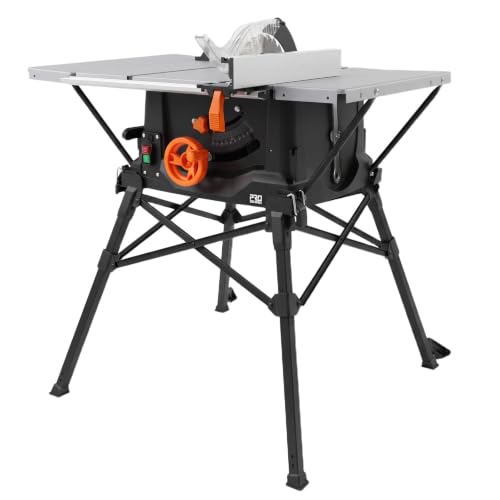
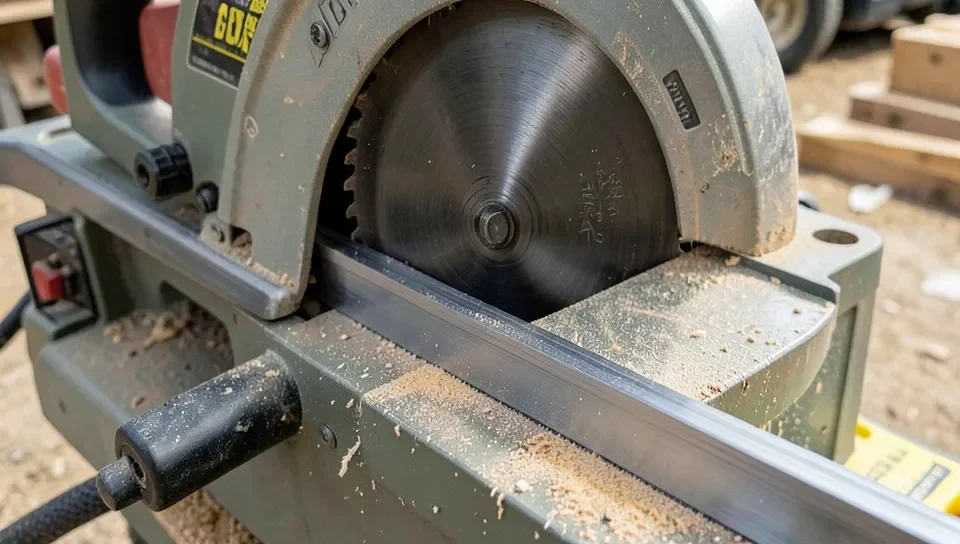
The Genesis table saw most people are searching for is the GTS10SC (also sold as the GTS10SCPT bundle), a 15-amp 10-inch benchtop saw with a metal folding stand, priced around $290-$320. One thing worth knowing upfront: it’s sold through Walmart and Genesis’s own retail channels, not Amazon, so if you were expecting to buy it here, that’s why you can’t find it — not because it’s discontinued or unavailable everywhere.
What the Genesis GTS10SC Actually Offers
Comparable Option Actually Sold on Amazon
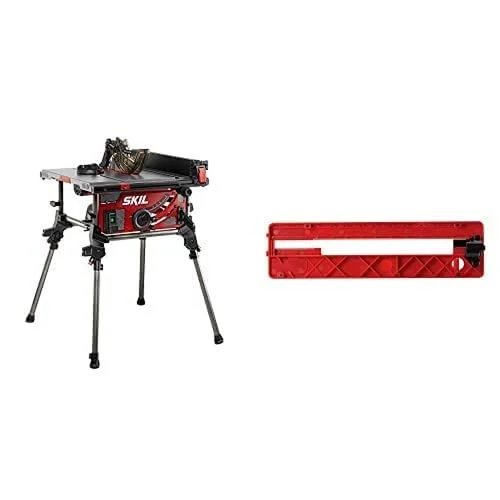 |
SKIL 15-Amp 10″ Jobsite Table Saw w/ Folding Stand – $329.67 Same category and motor size as the Genesis, but actually available through Amazon with a dado insert plate included.
|
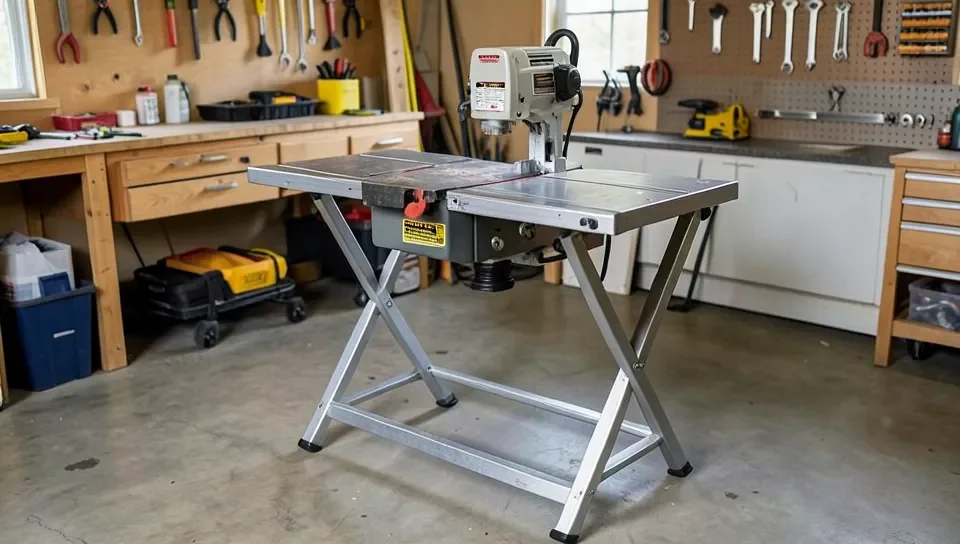
The GTS10SC runs a 15-amp motor spinning a 10-inch blade, paired with a folding metal stand that’s a genuine practical upgrade over the folding-leg plastic stands common on budget jobsite saws in this price range — a metal stand holds up better to repeated setup and breakdown at different job sites. This puts it in the same general category as other 15-amp benchtop/jobsite saws like the SKIL TS6307 or the Delta ShopMaster: an entry-to-mid-level saw built for portability and basic rip/crosscut work, not a cabinet saw meant to stay in one spot doing fine joinery.
Where to Actually Buy It
Walmart.com and Walmart stores are the primary retail channel for Genesis brand table saws, along with the Genesis Power Tools website directly. If Amazon is specifically where you’d rather buy, the honest answer is to pick a comparable saw that’s actually sold there rather than waiting for a Genesis listing to appear — the box above is a real, similarly-specced alternative for that case, not a Genesis substitute pretending to be the same thing.
What to Actually Check Before Buying Any Saw in This Class
Rip capacity (how far the fence can move from the blade) and whether the stand folds flat for transport matter more day-to-day than the brand name on a 15-amp benchtop saw — most saws in this exact motor/blade-size class perform similarly on straightforward rips and crosscuts, since they’re all working within the same basic physical limits of a 10-inch blade and a standard 120V 15-amp circuit. Where they actually differ is fence rigidity (a loose or flexing fence causes inconsistent rip width more than motor power ever will) and how easily the stand sets up and folds down if you’re moving the saw between job sites regularly. If you’re weighing a portable saw against a stationary option instead, see our compact table saw comparison for how the two categories actually differ in practice.
Safety Features to Confirm on Any Benchtop Saw
A blade guard, riving knife (or splitter), and anti-kickback pawls are the three safety components that matter most on a benchtop table saw, and all three should be standard on any saw in this 15-amp jobsite class, Genesis included. The riving knife specifically is worth checking for rather than assuming — it’s a thin metal piece behind the blade that keeps the kerf (the cut slot) from pinching closed on the blade during a rip cut, which is one of the more common causes of dangerous kickback on a table saw. A saw missing a riving knife or shipping with a fixed, non-removable one that’s hard to work around for certain cuts is a legitimate reason to look elsewhere regardless of price or brand.
Amp Rating Isn’t the Whole Story on Cutting Power
15 amps is the practical ceiling for a tool on a standard 120V household circuit (15-amp and 20-amp circuits are the residential norm), which is why nearly every saw in this benchtop/jobsite class, Genesis and its competitors alike, is rated at or near that same 15-amp figure — it’s a electrical-circuit limit as much as a design choice. What actually varies more between models at the same amp rating is blade quality (a stock blade is often a placeholder worth upgrading), arbor bearing quality, and how well the motor sustains RPM under load when ripping thicker hardwood rather than the on-paper amp number itself.
Jobsite Saw vs. Cabinet Saw: Setting Realistic Expectations
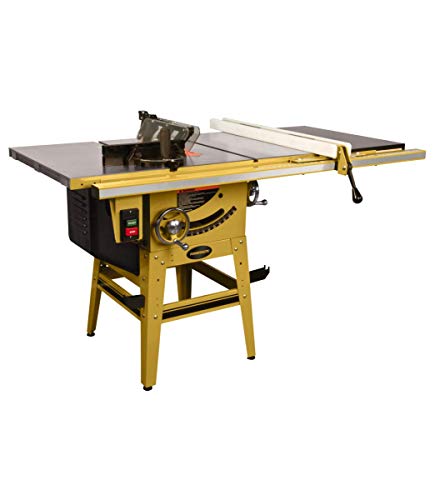
A benchtop/jobsite saw like the Genesis GTS10SC is built around portability — a folding stand, a smaller direct-drive motor, and a lighter overall build — which is a fundamentally different design goal than a stationary cabinet saw with a heavier trunnion system, a belt-driven motor, and far more mass to dampen vibration. That tradeoff means a jobsite saw will always show more blade deflection and vibration on thick or dense hardwood than a cabinet saw costing several times more, which isn’t a flaw specific to Genesis — it’s the category’s inherent limitation, and expecting cabinet-saw precision from a $300 portable saw sets up disappointment regardless of which brand gets chosen.
Dust Collection and Outfeed Support
Most saws in this class, benchtop-with-folding-stand, have a basic dust port at the back that connects to a shop vac but doesn’t capture nearly as much dust as an enclosed cabinet saw’s under-blade dust shroud, since the open stand design has more gaps for fine dust to escape through. This is a real, category-wide limitation worth planning around (a dust mask or respirator for extended cutting sessions, not a product defect to expect a specific brand to solve. Outfeed support is the other practical gap — the saw’s own table is short enough that ripping anything longer than a couple feet needs a separate roller stand or outfeed table behind the saw, since an unsupported long board tipping off the back of the table is both a quality-of-cut problem and a real kickback risk.
Warranty: A Real Practical Difference Between Brands
Warranty length and support responsiveness vary more between brands in this budget saw category than raw performance does, and it’s worth checking directly on the retailer or manufacturer listing rather than assuming, since terms change between models and years. A saw purchased through a big-box retailer’s own return policy also effectively extends your practical coverage window in the short term (30-90 days typical), which matters more for a benchtop saw than a stationary cabinet saw, since portability means more handling and a higher chance of a defect surfacing early from transport rather than years of use.
Frequently Asked Questions
Why can’t I find the Genesis table saw on Amazon?
Genesis table saws are sold through Walmart and the Genesis Power Tools website, not Amazon. This is a retail distribution choice, not a sign the product is discontinued.
Is the Genesis GTS10SC a good table saw for beginners?
It’s a reasonable entry-to-mid-level jobsite saw with a 15-amp motor and metal folding stand, comparable to other saws in its price class. It’s built for portability and basic cuts, not fine cabinetry joinery.
What matters more than brand when choosing a benchtop table saw?
Fence rigidity and stand portability matter more day-to-day than brand, since most 15-amp, 10-inch saws in this class perform similarly on basic rips and crosscuts.
Conclusion
The Genesis GTS10SC is a real, reasonably specced 15-amp benchtop table saw — it’s just not sold on Amazon, which is the actual answer to why searches for it here come up empty. If Walmart works for you, it’s a solid choice in its price class; if you specifically need an Amazon purchase, a comparably specced saw like the SKIL TS6307 covers the same job.
Sponsored / affiliate links. As an Amazon Associate I earn from qualifying purchases. I may earn additional commission from eligible campaigns.