Maple Plywood 1/8: Elevate Your DIY Projects Today!
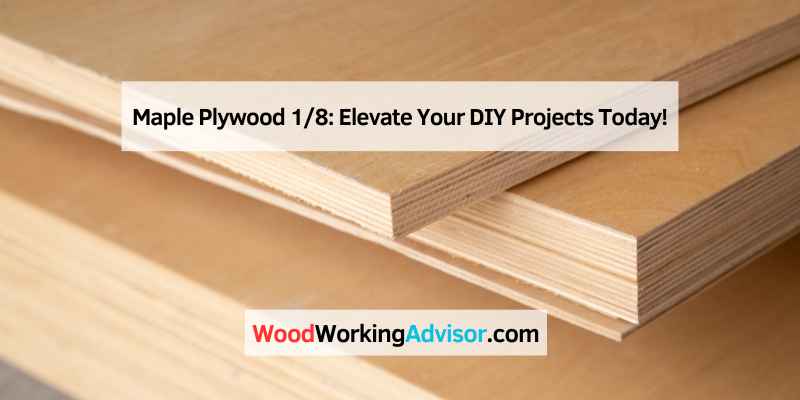
Maple plywood 1/8 inch thick is a versatile material known for its durability and aesthetic appeal. It is commonly used in woodworking, cabinetry, and crafting projects.
Maple plywood offers a smooth, attractive surface that enhances any project. Its lightweight yet strong nature makes it ideal for various applications, including furniture making and interior design. The natural grain of maple adds warmth and elegance, elevating the overall aesthetic.
This thickness is particularly useful for intricate designs and detailed work, allowing for precision cuts and easy handling. Whether you are a professional woodworker or a DIY enthusiast, understanding the benefits of 1/8 inch maple plywood can significantly enhance your creations. Explore the possibilities with this remarkable material and bring your artistic visions to life.
Introduction To Maple Plywood 1/8
Maple plywood 1/8 is a popular choice for many projects. Its strength and beauty make it ideal for various applications. This thin plywood offers a unique blend of durability and versatility. Many artisans and DIY enthusiasts prefer it for its smooth surface and fine grain.
Characteristics Of Maple Wood
Maple wood is known for its unique features. Below are some of the key characteristics:
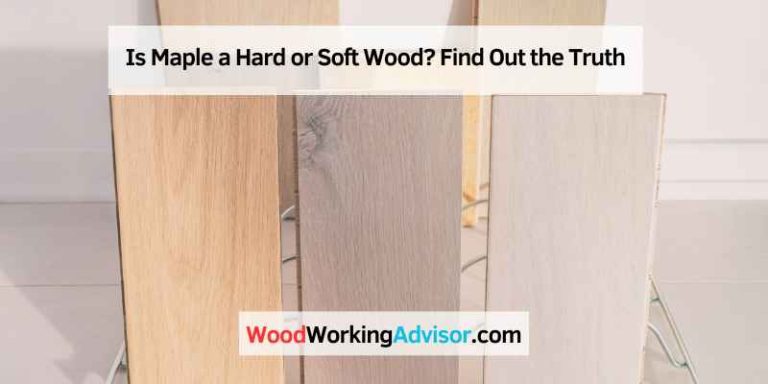
- Hardness: Maple is a hard wood. It resists dents and scratches.
- Grain Pattern: It has a fine and uniform grain. This adds visual appeal.
- Color: Maple wood is light in color, usually creamy white or light tan.
- Stability: It holds its shape well. It resists warping and shrinking.
- Workability: Maple is easy to cut and shape. It is perfect for intricate designs.
Benefits Of Thin Plywood
Using thin plywood like maple 1/8 offers many benefits. Here are some advantages:
| Benefit | Description |
|---|---|
| Lightweight: | Easy to handle and transport. |
| Cost-Effective: | Lower material costs for projects. |
| Versatility: | Suitable for various applications like crafts and furniture. |
| Easy to Finish: | Accepts stains and paints well for a polished look. |
| Space-Saving: | Ideal for projects with limited space. |
Maple plywood 1/8 delivers quality without bulk. Its features make it a favorite in woodworking.
Ideal Uses For 1/8 Inch Maple Plywood
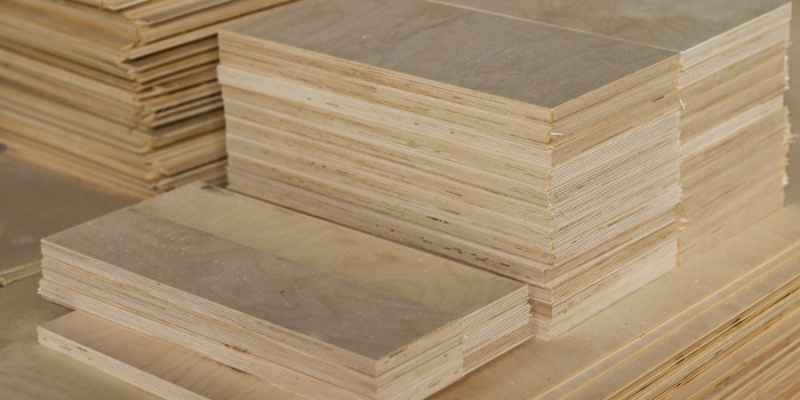
1/8 inch maple plywood is a versatile material. It is lightweight and easy to work with. Many DIY enthusiasts and craftsmen love this plywood. It suits various projects, both practical and decorative.
Small Scale DIY Projects
1/8 inch maple plywood is perfect for small scale projects. Here are some popular uses:
- Miniature models
- Crafts and hobbies
- Wooden toys
- Furniture accents
- Home decor items
This plywood is easy to cut and shape. Use a sharp utility knife or a jigsaw for clean edges. The smooth surface allows for excellent paint and stain adhesion. Craftsmen can easily sand it to achieve a polished finish.
Decorative Applications
Maple plywood adds elegance to many decorative projects. Consider these applications:
- Wall art and panels
- Custom signage
- Picture frames
- Shelving units
- Doors and cabinetry
Its natural grain pattern enhances visual appeal. Use it for a rustic or modern look. Maple plywood can fit into any design theme. The lightweight nature makes installation easy.
For more sophisticated designs, laser cutting can achieve intricate patterns. This technique highlights the beauty of the wood. It also allows for personalization in decor.
Comparing Types Of Plywood
Choosing the right plywood can be tricky. Different types offer unique benefits. Understanding these differences helps in making informed decisions. Here, we compare Maple and Birch plywood. We also explore when to use 1/8 inch thickness.
Maple Vs. Birch Plywood
Maple and Birch plywood are popular choices. Each has distinct features that may suit different projects. Below is a comparison table:
| Feature | Maple Plywood | Birch Plywood |
|---|---|---|
| Color | Light, creamy tone | Warm, golden hue |
| Grain Pattern | Fine and smooth | Distinct and bold |
| Durability | High strength | Strong but less than Maple |
| Cost | More expensive | Generally cheaper |
Maple plywood is ideal for projects needing durability. It works well for furniture and cabinetry. Birch plywood offers a unique look and is great for crafts.
When To Choose 1/8 Inch Thickness
The 1/8 inch thickness is versatile. It suits many projects, especially where weight matters. Here are some situations to consider:
- Model Making: Lightweight and easy to cut.
- Craft Projects: Perfect for intricate designs.
- Interior Panels: Ideal for non-structural uses.
Choose 1/8 inch thickness for:
- Lightweight furniture.
- Art and display pieces.
- Temporary structures.
This thickness allows for flexibility. It is easy to bend and shape. Use it wisely for the best results.
Working With Thin Plywood
Thin plywood, like Maple Plywood 1/8, is versatile and easy to use. It is perfect for projects requiring lightweight materials. Artists and builders appreciate its smooth surface and strength. Proper techniques make working with thin plywood enjoyable and effective.
Cutting Techniques
Cutting thin plywood requires precision and care. Follow these techniques for the best results:
- Use a fine-tooth saw blade. This reduces tear-out.
- Consider a laser cutter for clean edges.
- Measure and mark clearly before cutting.
- Support the plywood on both sides while cutting.
For straight cuts, a table saw works well. A circular saw is great for larger sheets. Always wear safety gear while cutting.
Avoiding Splintering
Splintering can ruin the edges of thin plywood. Here are tips to avoid it:
- Score the cut line with a utility knife.
- Use painter’s tape along the cut line.
- Cut from the back side of the plywood.
- Slowly guide the saw for better control.
Taking these steps ensures a clean finish. Your projects will look professional and polished.
Finishing Maple Plywood For Aesthetics
Finishing Maple Plywood 1/8 enhances its natural beauty. Proper finishing techniques elevate the overall look. The right stains and sealers can highlight the wood’s grain. This creates a stunning visual appeal.
Staining And Sealing
Staining adds color and depth to maple plywood. Choose a stain that suits your project. Here are popular options:
- Natural: Preserves the wood’s light color.
- Dark Walnut: Adds a rich, deep hue.
- Cherry: Imparts a warm, reddish tone.
- Gray: Offers a modern, trendy look.
After staining, sealing is crucial. Sealing protects the wood from moisture and damage. Use a polyurethane sealer for durability. Apply it with a brush or spray for an even finish.
Achieving A Smooth Finish
A smooth finish makes any project stand out. Follow these steps to achieve it:
- Sanding: Start with 120-grit sandpaper. Gradually move to 220-grit for a finer finish.
- Cleaning: Remove dust with a damp cloth. Ensure the surface is clean before staining.
- Applying Stain: Use a clean cloth or brush. Apply evenly and wipe off excess.
- Sealing: After the stain dries, apply a thin coat of sealer. Allow it to dry completely before sanding again.
Repeat sealing for a more robust finish. This will enhance durability and shine.
Joinery Techniques For Maple Plywood
Joinery techniques are crucial for working with Maple Plywood. Proper joinery ensures strength and durability. This section explores the best practices and methods for joining Maple Plywood.
Best Practices For Joining
Using the right techniques for joining Maple Plywood is essential. Follow these best practices:
- Measure accurately before cutting.
- Use clamps to hold pieces tightly.
- Sand edges for a smooth fit.
- Test joints before final assembly.
These practices help achieve clean and strong joints. Always ensure a secure fit before committing to the final assembly.
Glue Vs. Nails Vs. Screws
Choosing the right fastener impacts the strength of your project. Each option has unique benefits.
| Fastener Type | Advantages | Disadvantages |
|---|---|---|
| Glue |
|
|
| Nails |
|
|
| Screws |
|
|
Choose the right fastener based on your project needs. For strong, permanent joints, glue or screws are preferred. Nails serve well for temporary fixes.
Cost-effective Crafting With Maple Plywood
Maple plywood offers a perfect blend of quality and affordability. Crafters love its light color and smooth surface. It provides a great option for various projects without breaking the bank.
Budgeting For Your Project
Creating a budget for your maple plywood project is essential. Here are some tips to keep costs down:
- Determine the project size.
- Calculate the amount of plywood needed.
- Factor in other materials like glue and screws.
- Set aside funds for tools if needed.
Consider the following estimated costs:
| Item | Estimated Cost |
|---|---|
| 1/8 Inch Maple Plywood (4×8 ft) | $30 – $50 |
| Glue | $5 – $15 |
| Screws | $3 – $10 |
| Tools (if needed) | $20 – $100+ |
Where To Buy 1/8 Inch Plywood
Finding the right place to buy your maple plywood is important. Here are some popular options:
- Local hardware stores
- Home improvement centers
- Specialty lumber suppliers
- Online retailers
Check for sales or discounts. Local suppliers often have the best deals. Online stores can offer competitive pricing. Always compare prices before purchasing.
Inspiration For Your Next Project
Maple plywood 1/8 offers endless possibilities for creativity. Its smooth surface and durability make it perfect for various projects. From crafts to furniture, it can transform your ideas into reality.
Creative Project Ideas
- Wall Art: Create stunning wall decor with layered designs.
- Furniture: Build small tables or shelves for your space.
- Toys: Craft unique wooden toys for kids.
- Photo Frames: Design personalized frames for your favorite pictures.
- Gift Boxes: Make custom boxes for special occasions.
Showcasing Finished Works
| Project Type | Description | Materials Used |
|---|---|---|
| Wall Art | Colorful pieces that brighten up any room. | Maple plywood, paint, and glue. |
| Furniture | Sturdy shelves that hold books and decor. | Maple plywood, screws, and finish. |
| Toys | Safe and fun toys for children. | Maple plywood, sandpaper, and non-toxic paint. |
| Photo Frames | Beautiful frames that showcase memories. | Maple plywood, varnish, and glass. |
| Gift Boxes | Stylish boxes for wrapping gifts. | Maple plywood, ribbon, and embellishments. |
Maintaining Your Maple Plywood Creations
Maple plywood is a beautiful and durable material. Keeping it in great shape requires some care. Proper maintenance helps your creations last longer and look amazing.
Cleaning And Care Tips
Regular cleaning keeps your maple plywood looking fresh. Follow these simple steps:
- Dust Regularly: Use a soft, dry cloth to wipe dust.
- Use Mild Cleaners: For tough stains, mix water and a gentle soap.
- Wipe Spills Immediately: Use a damp cloth to prevent damage.
- Avoid Harsh Chemicals: Stay away from bleach or ammonia.
Always test cleaners on a small area first. This prevents any unwanted reactions.
Long-term Preservation
Preserving your maple plywood is vital for longevity. Here are some effective methods:
| Method | Description |
|---|---|
| Temperature Control | Keep away from extreme heat or cold. |
| Humidity Levels | Maintain a balanced humidity level of 40-60%. |
| Proper Storage | Store in a cool, dry place away from sunlight. |
| Regular Inspections | Check for signs of wear or damage often. |
Taking these steps helps avoid future problems. Your maple plywood will remain beautiful for years.
Troubleshooting Common Issues
Maple plywood 1/8 can face various problems. Understanding these issues helps in effective solutions. Here are two common problems and their fixes.
Dealing With Warping
Warping occurs due to moisture and temperature changes. It can ruin your project. Here are steps to fix or prevent warping:
- Store Properly: Keep plywood flat in a dry area.
- Use Weights: Place weights on the plywood during storage.
- Control Humidity: Use a dehumidifier in damp spaces.
- Seal Edges: Apply sealant to protect edges from moisture.
For existing warping, try these solutions:
- Moisten the concave side lightly.
- Place the plywood under weight for a few days.
- Use clamps to hold the plywood flat.
Addressing Joint Failures
Joint failures can weaken your project. They often happen due to improper glue application or insufficient clamping. Follow these tips to fix joint failures:
- Check Alignment: Ensure pieces fit snugly before gluing.
- Apply Enough Glue: Use a generous amount of glue.
- Clamp Firmly: Use clamps to hold pieces tightly together.
If a joint fails after assembly:
- Remove the failed joint carefully.
- Clean old glue off surfaces.
- Reapply glue and clamp securely.
Regular checks can prevent future failures. Inspect joints often during the project.
Frequently Asked Questions
What Is Maple Plywood 1/8 Used For?
Maple Plywood 1/8 is commonly used in furniture making, cabinetry, and decorative projects. Its lightweight nature makes it ideal for applications requiring easy handling. Additionally, the fine grain and smooth surface provide an elegant finish, making it perfect for both functional and aesthetic purposes.
How Strong Is Maple Plywood 1/8?
Maple Plywood 1/8 offers impressive strength despite its thin profile. Its construction features multiple layers of wood, enhancing durability and resistance to warping. This strength makes it suitable for various projects, from lightweight structures to intricate designs, ensuring reliability over time.
Can Maple Plywood 1/8 Be Painted Or Stained?
Yes, Maple Plywood 1/8 can be easily painted or stained. Its smooth surface allows for an even application of finishes. This adaptability makes it a favorite for custom projects, enabling you to achieve the desired look and feel for your furniture or décor.
Is Maple Plywood 1/8 Eco-friendly?
Maple Plywood 1/8 can be eco-friendly, depending on sourcing practices. Many manufacturers use sustainable forestry methods, ensuring a minimal environmental impact. Choosing certified products helps support responsible practices, making it a great option for environmentally conscious projects.
Conclusion
Maple plywood 1/8 offers versatility and strength for various projects. Its smooth surface is perfect for crafting and woodworking. Choosing this material enhances both aesthetics and durability. Whether you’re building furniture or creating art, maple plywood is an excellent choice.
Embrace its unique qualities for your next creative endeavor.