Is Maple Wood Good for Outdoor Use? No — It Has No Rot Resistance
Maple has no natural resistance to decay — the U.S. Forest Products Laboratory classifies it as “slightly or non-resistant,” the same low-durability class as pine, birch, and aspen. Left uncovered outdoors, untreated maple can develop soft, punky rot within one to two seasons in humid climates. This guide covers why maple fails outdoors, how it stacks up against naturally durable woods like cedar and black locust, and the sealants that can extend its life if you use it anyway.
What Actually Makes a Wood “Weather-Resistant”?
Best Sealer for Outdoor Maple Pick
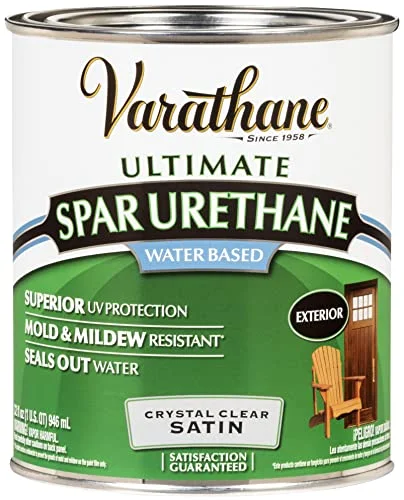 |
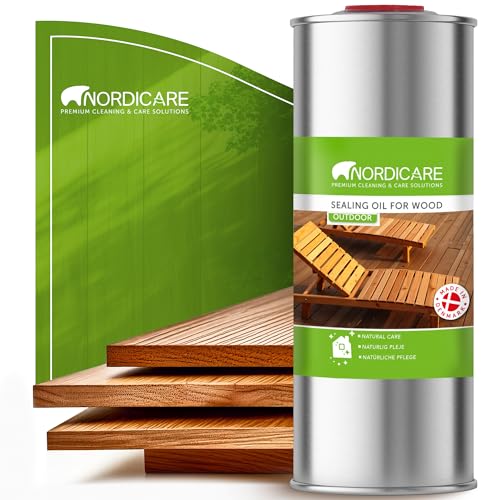
Varathane Water-Based Ultimate Spar Urethane, Quart, Satin – $28.58 A UV-rated, flexible exterior topcoat that matches the borate-then-seal approach this guide recommends for maple used outdoors — built specifically for outdoor wood surfaces that move with the seasons.
|
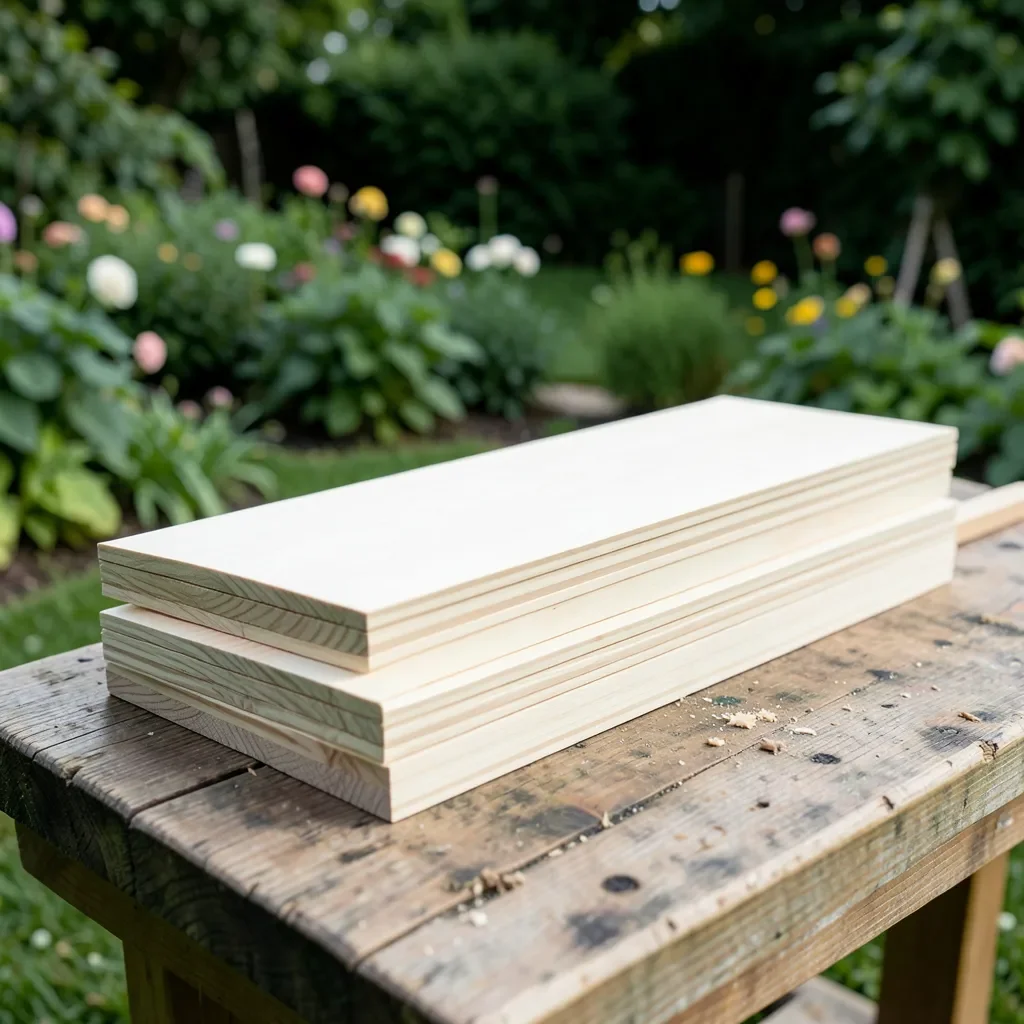
Weather resistance in wood comes from natural chemical extractives — tannins, oils, and resins — concentrated in a tree’s heartwood, not from how hard or dense the wood is. The USDA Forest Products Laboratory groups domestic species into three heartwood decay-resistance classes: Resistant/Very Resistant (cedar, redwood, black locust), Moderately Resistant (Douglas fir, western larch), and Slightly or Non-Resistant (maple, pine, birch, aspen, alder). A wood’s Janka hardness score has no bearing on which class it falls into — hard maple and soft pine sit in the same low-resistance bucket despite very different hardness numbers.
📊 Maple falls in the lowest of the Forest Products Laboratory’s three heartwood decay-resistance classes, alongside pine, birch, and aspen. — Source: USDA Forest Products Laboratory, Comparative Durability of Untreated Wood (1995)
Is Maple Wood Naturally Resistant to Rot?
No. Maple heartwood is classed “slightly or non-resistant” to decay, the same category as birch, aspen, beech, alder, hemlock, and poplar. Unlike white oak or cedar, maple heartwood contains almost none of the natural fungicidal extractives that slow rot, so exposed maple decays at close to the same rate as its own sapwood.
This is true for every common maple species sold as lumber — hard (sugar) maple at 1,450 lbf on the Janka scale and soft maples like silver or red maple at roughly 700–950 lbf are equally non-resistant to decay. Hardness and rot resistance are unrelated properties, so choosing the harder maple grade buys you dent resistance, not weather resistance. Left outdoors, maple’s usual failure sequence is warping and cupping first (moisture swelling the surface faster than the core), followed by surface fungal staining, then soft rot at joints, fasteners, and any point touching the ground or holding standing water.
Maple vs. Naturally Durable Outdoor Woods
Here is how maple compares to the species actually rated for ground contact and full weather exposure:
| Wood | Natural Decay Resistance | Janka Hardness | Typical Cost | Best For |
|---|---|---|---|---|
| Maple (hard/soft) | Slightly/Non-Resistant | 700–1,450 lbf | $ | Indoor furniture only |
| Western Red Cedar | Resistant | 350 lbf | $$ | Fences, siding, planters |
| Redwood | Resistant | 450 lbf | $$$ | Decking, outdoor furniture |
| Black Locust | Very Resistant | 1,700 lbf | $$ (regional) | Fence posts, ground contact |
| Teak | Very Resistant | 1,000 lbf | $$$$ | Outdoor furniture, marine use |
Can You Make Maple Work Outdoors Anyway?
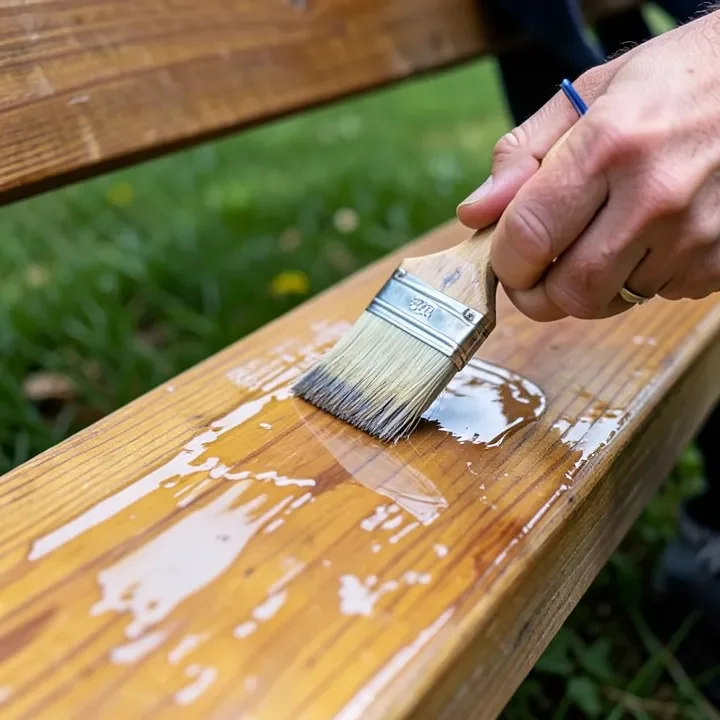
Sealing maple slows decay, it does not stop it — a well-sealed maple board in full weather exposure will still fail sooner than an unsealed cedar board. If you already have maple and want to stretch its outdoor life for a covered project (a porch bench, a plant stand under an eave), treat it in this order: apply a borate-based wood preservative first to poison any fungal spores already in the wood, let it dry fully, then top-coat with a UV-rated exterior sealant. A marine-grade spar urethane is the standard choice here because it flexes with the wood’s seasonal movement and includes UV blockers that plain interior polyurethane lacks — interior poly will crack and let water in within a year outdoors.
Paint offers better long-term UV protection than any clear finish because its pigment blocks sunlight from breaking down the wood surface, so if appearance allows it, a primer plus exterior enamel will outlast a clear spar urethane on the same maple board.
Best Practices If You Use Maple Outside
- Keep it covered: use maple only under a roofline, porch, or lean-to — never in direct, unprotected rain and sun.
- Break ground contact: keep any maple part at least a few inches off soil or concrete, on a stone or metal base, since ground contact is where rot starts fastest.
- Re-seal yearly: inspect the finish every spring and recoat as soon as water stops beading on the surface.
- Pre-treat with borate: a borate wood preservative before sealing adds real fungal protection that a topcoat alone does not provide.
- Avoid the worst combo: full sun plus frequent rain (a fully exposed deck or railing) breaks maple down fastest; shaded, drier spots are far more forgiving.
Frequently Asked Questions
Is maple wood waterproof?
No, maple wood is not waterproof in any form, sealed or not. A sealant creates a water-resistant barrier on the surface, but the wood underneath still absorbs moisture through any gap, crack, or unsealed edge, so standing water or prolonged soaking will eventually reach the wood regardless of finish.
What is the most weather-resistant wood for outdoor furniture?
Teak and black locust are the most weather-resistant common options, both rated “very resistant” to decay with no chemical treatment needed. Western red cedar and redwood are the more affordable “resistant” alternatives most home centers stock for fences, planters, and outdoor furniture.
Does sealing maple wood make it last outdoors?
Sealing extends maple’s outdoor life but does not make it durable — it slows moisture absorption and UV breakdown, not the wood’s underlying lack of rot resistance. A sealed maple piece kept covered and re-coated yearly can last several years outdoors; the same piece left fully exposed with no maintenance can fail within a single wet season.
Can hard maple be used for a deck?
No, hard maple is not recommended for decking even though it is dense and dent-resistant. Deck boards face constant moisture cycling and ground-level splash, exactly the conditions maple’s non-resistant heartwood handles worst; pressure-treated pine, cedar, or composite decking are the standard choices for that application instead.
Conclusion
Maple’s beauty is an indoor asset, not an outdoor one — its lack of natural decay resistance puts it in the same low-durability class as pine and birch, regardless of how hard or dense the specific board is. For anything left outside year-round, choose a naturally resistant species like cedar, redwood, or black locust instead. If you already have maple and want to use it outdoors anyway, keep it covered, off the ground, and resealed annually to get the most life out of it.
Sponsored / affiliate links. As an Amazon Associate I earn from qualifying purchases. I may earn additional commission from eligible campaigns.