Threadlocker Glue: Blue vs Red & How to Apply It (Guide)
Threadlocker is an anaerobic adhesive that cures against metal ions in the threads of nuts, bolts, and screws — it is not the same product as a wood glue, and it will not cure properly in a wood screw hole with no metal-on-metal contact. Loctite 242 (blue, removable) and 271 (red, permanent) cover most repair jobs; the wrong strength can mean a joint that vibrates loose or a bolt you can never remove again. This guide covers what threadlocker actually is, which color to use where, how to apply it correctly, and what to use instead if your project is wood screws, not machine bolts.
Affiliate disclosure: Insert your Affiliate Disclosure reusable block here.
Quick Answer
Use Loctite 242 (blue) for most nuts and bolts you’ll need to remove later, and Loctite 271 (red) for a permanent, high-strength bond. Threadlockers are anaerobic adhesives made for metal-to-metal threads — for wood screws going into a wood or MDF hole, use a wood glue or epoxy in the hole instead, not a metal threadlocker.
What Is Threadlocker (Lock Screw Glue)?
Best Threadlocker Pick
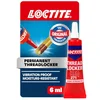
Loctite Threadlocker Red 271 – $7.54
The high-strength, permanent option covered in the color-code table above — matches the “red” row when you need a joint that won’t come apart without heat.
- Best for: permanent bolt joints that never need routine disassembly
- Why we picked it: the standard reference red threadlocker this guide’s strength table is built around
- Main drawback: needs localized heat above 500°F to remove — not for anything you’ll service again
Compare more threadlocker options
 Option 1 Loctite 243 Threadlocker – $18.00
|
 Option 2 3M Scotch-Weld TL42 Blue – $54.67
|
 Option 3 Loctite 222MS Purple – $88.17
|
As an Amazon Associate we earn from qualifying purchases.
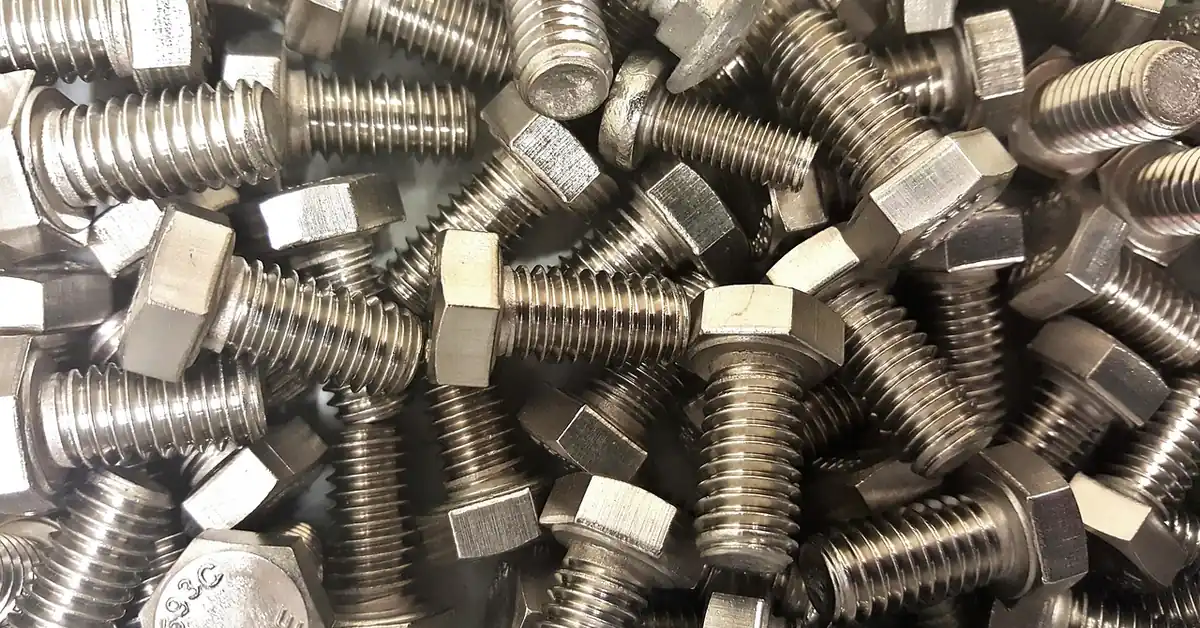
Threadlocker, sometimes searched as “lock screw glue,” is an anaerobic liquid adhesive that coats the threads of a nut, bolt, or screw. It stays liquid in open air but hardens once it’s squeezed between two mating metal surfaces and starved of oxygen. The cured resin fills the microscopic gaps between the threads, which stops the fastener from backing out under vibration, thermal cycling, or repeated stress — without a second locking nut, star washer, or safety wire.
Because the cure reaction depends on contact with metal ions (typically iron, copper, or brass), threadlocker is formulated for metal fasteners. It is not a general-purpose glue, and it is a different product from super glue, wood glue, or construction adhesive, even though all four get shortened to “screw glue” in casual searches.
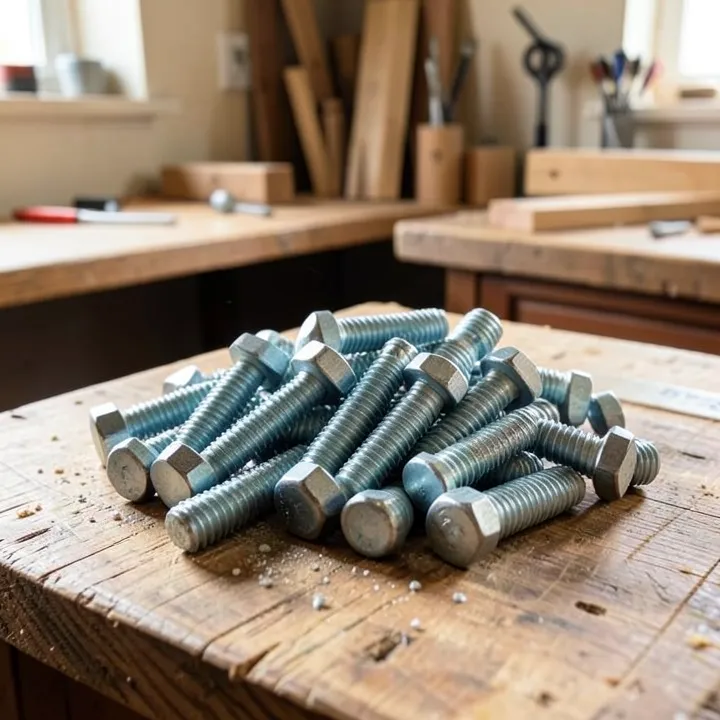
Threadlocker vs. Wood Screw Glue: Which Do You Actually Need?
This is the mix-up behind most “lock screw glue” searches. If you’re locking a machine bolt, hinge screw, or hardware fastener into a metal nut or threaded metal insert, you want a threadlocker (below). If you’re dealing with a wood screw that spins loose in a stripped or oversized hole in wood, threadlocker will not help — there’s no metal thread for the anaerobic resin to cure against.
- Machine bolt into a metal nut or tapped metal hole: use an anaerobic threadlocker (Loctite 242/243/271, Permatex, 3M Scotch-Weld).
- Wood screw that won’t grip in a wood or MDF hole: pack the hole with wood glue and toothpicks or a matchstick, let it cure, then redrive the screw — or use a two-part epoxy for a larger repair.
- Threaded metal insert set into wood (T-nut, barrel nut, hanger bolt): threadlocker works fine on the metal-to-metal thread, but check the insert isn’t also relying on glue to stay seated in the wood.
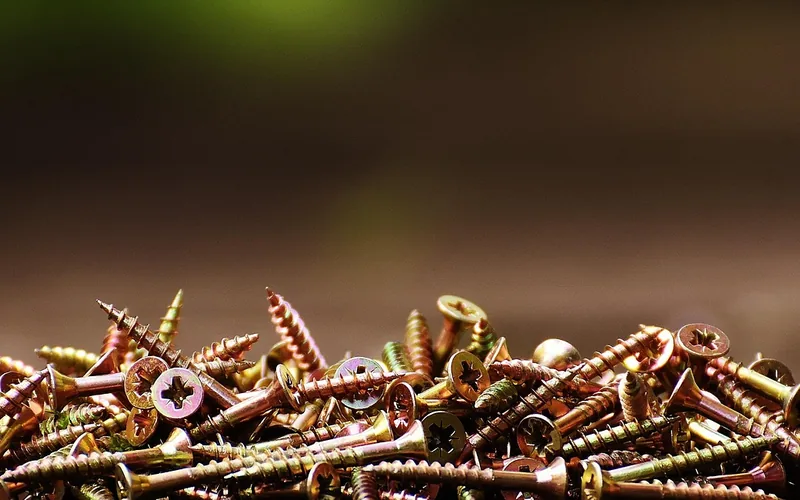
Threadlocker Strength Colors Compared
Threadlockers are color-coded by strength, not by brand. The color tells you how hard the bond will be to break later — pick based on whether you’ll ever need to remove the fastener with ordinary hand tools.
| Color | Strength | Fastener Size | Removal |
|---|---|---|---|
| Purple | Low | Under 1/4 in (6 mm) | Hand tools, easy |
| Blue | Medium | 1/4–3/4 in (6–22 mm) | Standard hand tools |
| Green | High (wicking grade) | Any, applied post-assembly | Heat or special tools |
| Red | High (permanent) | 1/4–3/4 in (6–22 mm) | Localized heat above 500°F required |
Green threadlocker is a wicking-grade formula with low viscosity, so it can be applied to an already-assembled fastener and it wicks into the thread gap on its own — useful for pre-assembled equipment you don’t want to take apart just to lock a joint.
How to Apply Threadlocker to a Bolt
- Clean the threads: wipe both the bolt threads and the nut or tapped hole with a rag and, if the old fastener was oily, a quick-evaporating cleaner — oil and old threadlocker residue keep the new adhesive from bonding.
- Choose the strength: blue for anything you’ll service again, red for a permanent joint, purple for small fasteners under 1/4 in, green if you can’t disassemble the joint first.
- Apply a thin bead: run one drop or a thin line of threadlocker along the first three to four threads of the bolt — more product doesn’t add strength, it just squeezes out.
- Assemble and torque: thread the fastener in and tighten to the manufacturer’s torque spec while the adhesive is still liquid, which spreads it evenly through the joint.
- Let it cure fully before loading: most anaerobic threadlockers reach handling strength in about 10–15 minutes but need 24 hours for full cure — don’t put the assembly under vibration or load before then.
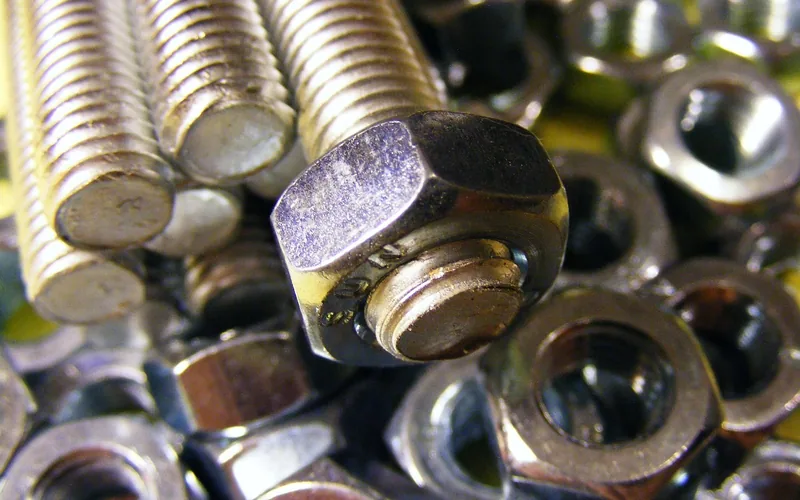
Loctite’s own application guidance confirms the thin-bead approach: excess threadlocker squeezed out past the nut face doesn’t add holding strength since the anaerobic reaction only happens in the confined, air-starved gap between the threads — adhesive outside that gap simply stays uncured and gets wiped away.
Best Threadlocker Options
Frequently Asked Questions
What kind of glue do you use on set screws?
Use a medium-strength blue threadlocker like Loctite 242 or 243 on most set screws — it holds against vibration but still lets you back the screw out with an Allen key later. Reserve red (271) for a set screw you never intend to remove.
Does threadlocker work on wood screws?
No, not in the way it works on metal bolts. Threadlocker is an anaerobic adhesive that cures against metal ions in a tapped thread; a wood screw driven into a wood or MDF hole has no metal thread on the other side, so the resin won’t cure properly. For a wood screw that spins loose, fill the hole with wood glue and toothpicks, or a two-part epoxy, then redrive the screw.
Is Loctite threadlocker permanent?
Only the red and high-strength green formulas are meant to be permanent. Blue and purple threadlockers are designed to be removable with ordinary hand tools, which is why they’re the default choice for any fastener you expect to service again.
Can you remove threadlocker once it’s cured?
Yes. Blue and purple threadlocker break loose with a wrench and normal effort. Red and high-strength green typically need localized heat above 500°F (260°C) applied to the fastener before it will turn, since the cured resin softens with heat.
Matching the threadlocker color to the job — and knowing when the job actually calls for wood glue instead — is what keeps a “locked” fastener from becoming either a rattling bolt or one you can never get out again.
Sponsored / affiliate links. As an Amazon Associate I earn from qualifying purchases. I may earn additional commission from eligible campaigns.