Maple vs Poplar: Choosing the Right Wood for Your Project
Figuring out the best wood for your projects can be tricky, especially when you’re starting out. Thinking about Maple vs Poplar: Best Wood for Projects? is something lots of woodworkers face. Don’t worry, it’s not as hard as it seems! This post will break down the differences and help you choose the right wood for the job. We’ll explore the main things you need to know and give you a simple, step-by-step guide to help you decide. Let’s get started and make your woodworking easier!
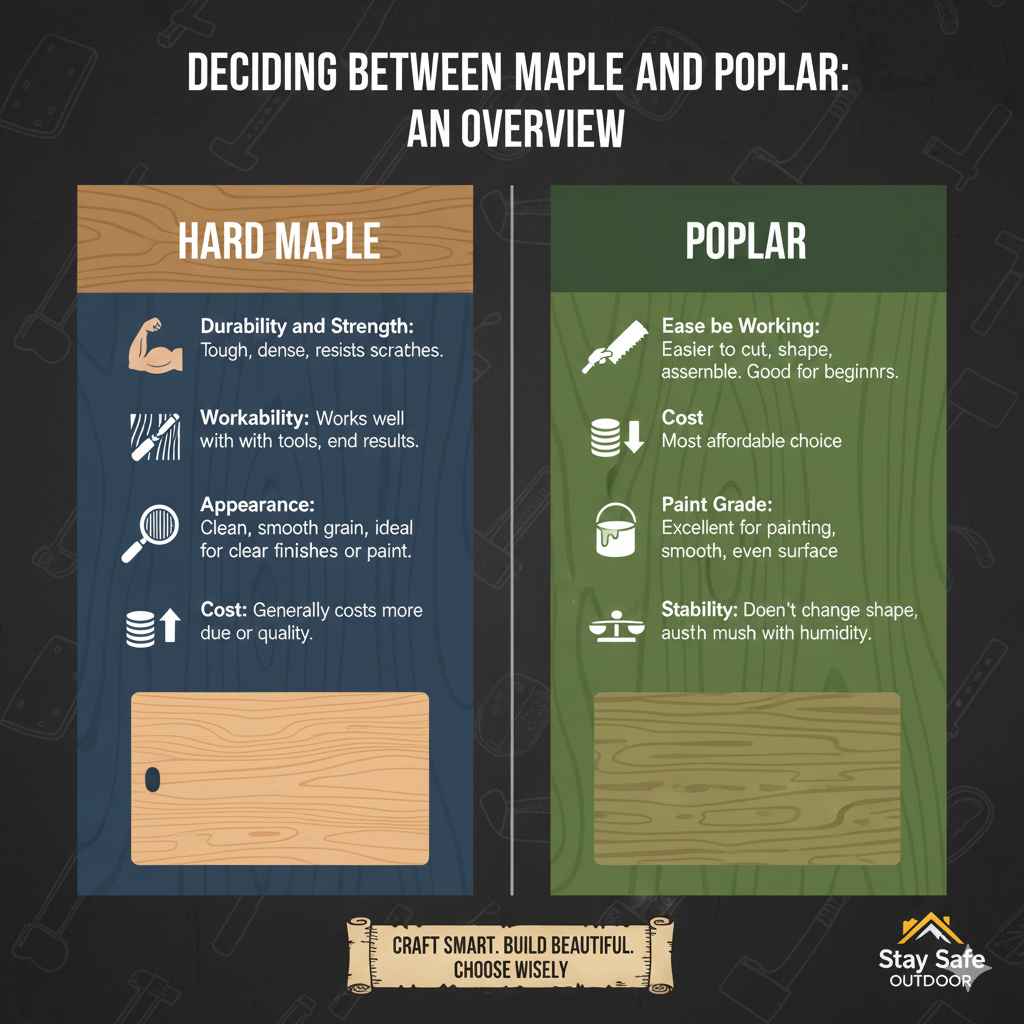
Deciding Between Maple and Poplar: An Overview
Choosing the right wood type is like choosing the right tool; it makes the job easier and leads to better results. When you’re picking wood for projects, you’ll often see two main options: maple and poplar. Both are popular, but they have different qualities that make them good for different things. Maple is known for its hardness and beautiful grain, making it ideal for furniture and flooring. Poplar, on the other hand, is a softer wood that’s easier to work with and often more budget-friendly. This section helps you get a quick look at the main features of both woods.
What is Hard Maple?
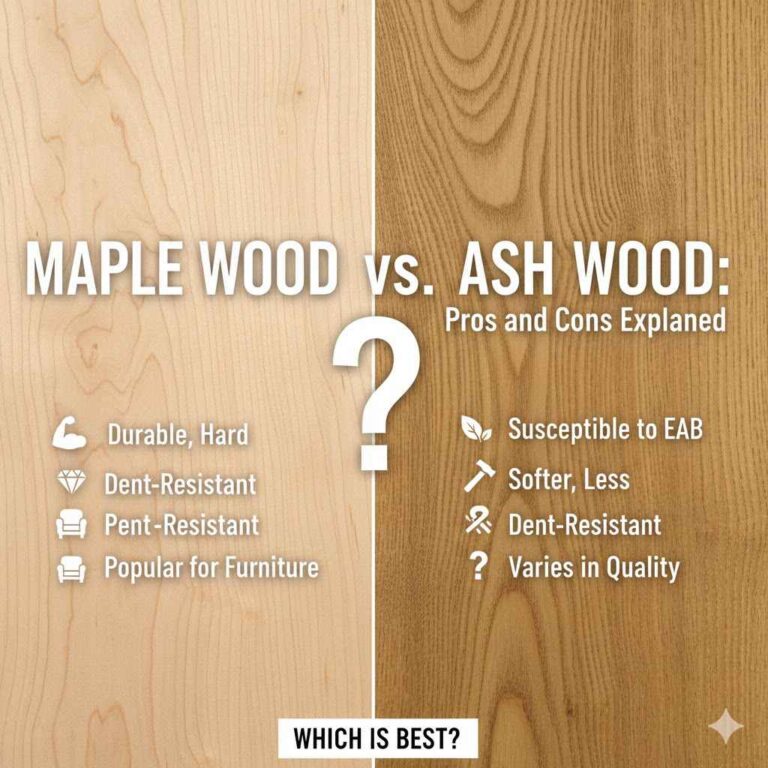
Hard maple is a very dense hardwood, known for its strength and durability. It’s a popular choice for furniture, flooring, and other projects that need to withstand wear and tear. Maple’s tight grain pattern gives it a smooth surface, which is great for painting or staining. It takes finishes well and can be polished to a high sheen. The wood often has a light color, ranging from nearly white to a pale yellowish-brown. Maple’s hardness also means it’s less likely to dent or scratch compared to softer woods.
- Durability and Strength: Maple is tough. Its dense structure helps it resist scratches and impacts, making it long-lasting. This makes maple perfect for areas with a lot of use, like table tops and kitchen cabinets.
- Workability: Although hard, maple still works well with tools. It’s not as easy to cut or shape as softer woods, but skilled woodworkers often select it for its end results.
- Appearance: Maple has a beautiful, clean look. Its smooth grain is ideal for clear finishes that show off the wood’s natural beauty. It can also be painted for a different style.
- Cost: Maple generally costs more than poplar because of its qualities. The price reflects its quality and the effort needed to work with it.
What is Poplar?
Poplar is a softer hardwood, making it easier to work with than maple. It’s often used for projects where cost-effectiveness is important, such as interior trim, drawer sides, and painted furniture. Poplar has a straight grain and a fine texture. Its color can vary from light yellow to greenish-brown. It is often chosen for projects that need to be painted because it takes paint very well, creating a smooth, even surface. Poplar’s workability makes it a good option for beginners. Its cost is less than maple.
- Ease of Working: Poplar is much easier to cut, shape, and assemble than harder woods. This makes it perfect for beginners or projects that require a lot of cuts.
- Cost: Generally, poplar is the most affordable choice. This helps woodworkers reduce costs.
- Paint Grade: Poplar is excellent for painting. Its smooth surface and lack of grain make it an ideal choice for a painted finish.
- Stability: Poplar is stable. This means it doesn’t change shape as much with changes in humidity.
Comparing Maple vs Poplar: Key Differences
When you’re trying to figure out if you want to use maple or poplar, it’s important to know the key differences between them. These differences can affect your project. This part will break down the main points, comparing hardness, workability, appearance, and cost. Understanding these details will help you choose the best wood for what you want to make.
Hardness and Durability Comparison
The hardness of wood tells you how well it can resist dents, scratches, and wear. Maple is one of the hardest woods you can get. Poplar is much softer. This is important to think about when you pick the best wood for projects. Maple will last longer. Maple often shows up on areas that see a lot of use like tabletops, floors, and other places that experience a lot of wear. It will hold up very well.
- Hardness Scale: The Janka hardness test measures how much force it takes to push a steel ball into the wood. The higher the number, the harder the wood. Maple has a Janka hardness of about 1450, while poplar has a Janka hardness of about 540.
- Scratch Resistance: Maple’s hardness makes it much more scratch-resistant than poplar. Furniture made from maple is less likely to show marks over time.
- Impact Resistance: Because of its density, maple is more resistant to impacts. If you drop something on a maple table, it’s less likely to dent compared to a poplar one.
- Long-Term Wear: In areas that get a lot of use, maple will last much longer. The investment in maple can be worth it if the project will be used a lot.
Workability and Ease of Use
How easy a wood is to work with is another important point when picking your wood. Poplar is much easier to work with than maple. This means it’s easier to cut, shape, and assemble. Maple’s hardness can make it more difficult to cut and shape, especially if you’re using hand tools. Knowing these things can help you pick the best wood. If you’re new to woodworking, poplar might be the better choice because it will be easier to manage.
- Cutting and Shaping: Poplar cuts easily. You can shape it with hand tools or power tools without much difficulty. Maple is harder and requires more force to cut.
- Sanding: Sanding maple requires more effort because of its density. Poplar sands more easily, saving time and work.
- Assembly: Poplar is easier to assemble because the wood is softer, and the risk of splitting the wood with nails or screws is less.
- Ideal for Beginners: For beginners, poplar is a great choice. It’s more forgiving and allows you to learn without the added challenge of working with a very hard wood.
Appearance and Grain
The look of the wood is key. Maple has a fine, tight grain that gives it a smooth, clean look. Poplar has a less distinctive grain. Its color can range from light yellow to greenish-brown. The appearance of the wood can influence the look of your project. This part will explain what the two woods look like.
- Maple Grain: Maple has a smooth grain, perfect for clear finishes that show off its natural beauty. It can be stained to get different colors.
- Poplar Grain: Poplar has a less visible grain and often has color variations. This makes it an ideal choice for painted projects.
- Color Variation: Maple’s color is generally light and consistent, although it can vary. Poplar shows more color variation.
- Finishing Options: Both woods take finishes well, but maple’s smoothness is great for a clear finish, and poplar’s even surface is suitable for paint.
Cost Comparison
Cost is a factor when choosing wood for projects. Generally, maple is more expensive than poplar. Maple’s strength and beauty make it worth more. Poplar is a more budget-friendly option, which is great for projects when you want to keep costs down. Understanding the costs helps you set a budget and pick the right wood for your project.
- Market Prices: Maple generally costs more per board foot than poplar. The price depends on the wood’s grade and availability.
- Project Budget: If you have a strict budget, poplar is a good choice. It lets you get your project done without spending too much.
- Material Efficiency: When pricing your project, think about how much wood you will need. Maple is durable, so it can be cost-effective in the long run.
- Value for Money: Poplar offers a good value, particularly for painted items where the wood’s appearance matters less.
| Feature | Maple | Poplar |
|---|---|---|
| Hardness | High (1450 Janka) | Low (540 Janka) |
| Workability | More Challenging | Easier |
| Appearance | Smooth grain, light color | Less defined grain, color variations |
| Cost | Higher | Lower |
| Ideal For | Furniture, flooring | Painted furniture, trim |
Woodworking Project Applications
When thinking about the best wood for projects, consider how you will use the wood. Different woods work better for certain projects because of their qualities. This section will help you see how maple and poplar work in different projects. We’ll look at some typical uses and help you pick the right wood for your needs.
Furniture Making
Maple is a great choice for furniture. Its hardness and durability mean it can stand up to daily use. Maple can handle wear and tear. You can make furniture that will last for years. Poplar is also used for furniture, especially for painted pieces or parts that don’t need a lot of wear. It’s often used for drawer sides or the hidden parts of furniture where its softness is not a problem.
- Maple Applications: Maple is perfect for furniture like tables, chairs, and beds. Because it is strong, it will resist scratches and dents.
- Poplar Applications: Poplar is a good choice for painting furniture. It is used for making pieces like bookshelves, dressers, or other parts that will be painted.
- Design Considerations: When using maple, plan your finish to showcase the wood’s beauty. With poplar, consider a painted finish to hide the color variations.
- Long-term Value: If you need furniture that will last, maple might be a better investment. For less expensive furniture, poplar can be a great option.
Cabinetry and Shelving
Cabinetry and shelving need wood that looks good and lasts. Maple is great for cabinets because it’s strong and can handle daily use. It’s very popular for kitchen cabinets and other items that see a lot of wear. Poplar is sometimes used for cabinet interiors. It’s cheaper. It works well if the inside of your cabinets will be painted. It’s a good way to save money.
- Maple in Cabinets: Maple can be used for cabinet doors and frames because it is strong. It creates a high-quality finish, adding beauty to your kitchen or bathroom.
- Poplar in Cabinets: Poplar can be used for cabinet boxes or drawer sides, where strength isn’t as important. It’s also ideal for painted cabinets.
- Shelf Strength: Maple is great for shelves that hold heavy items. Its strength makes sure the shelves will not sag over time.
- Customization: Consider the style and color of your project. Maple is ideal for showcasing wood, and poplar is more ideal for painting projects.
Flooring and Trim
Flooring and trim are essential parts of your home, so choosing the right wood is critical. Maple is a great choice for flooring because it’s hard and can withstand a lot of wear and tear. Its smooth surface also makes it easy to clean and maintain. Poplar is not often used for flooring because it’s softer and prone to dents. It is often used for trim, such as moldings, baseboards, and door frames, where a painted finish is desired.
- Maple Flooring: Maple is a good choice for flooring. Its hardness helps it resist scratches and impacts, and it looks great.
- Poplar Trim: Poplar is good for trim. It’s usually painted and makes your home look nice.
- Installation: Working with maple flooring can be more challenging. It’s hard to cut. Poplar is easier to cut for trim.
- Aesthetic Considerations: Maple flooring looks great. Poplar’s paint-friendly nature is good for trim.
A study showed that the average lifespan of a maple floor is about 20-30 years, while a poplar floor would likely need replacement sooner due to wear.
Real-Life Project Examples
- Kitchen Island: A family decided to build a kitchen island. They chose maple for the countertop and poplar for the base. The maple top is great for cutting and other uses. The poplar base was painted to match the kitchen.
- Bedroom Set: A woodworker wanted to make a bedroom set. They chose maple for the bed frame and nightstands because it’s very durable. They painted the poplar dresser.
Working With Maple and Poplar: Tips and Techniques
Working with different types of wood can be different. This section covers some methods you can use when working with maple and poplar. It shows how to get the best results. Whether you are cutting, sanding, or finishing, this guide offers you tips.
Cutting, Shaping, and Joining
How you cut, shape, and join the wood can affect the quality of your project. Maple is hard and needs more care when cutting and shaping. Poplar is easier to work with. How you join pieces of wood is also key. Using the correct techniques will help you get results.
- Cutting Maple: Use sharp blades when cutting maple. Because it is hard, it can wear blades quickly. Take your time to get clean cuts.
- Shaping Poplar: Poplar is softer, so it’s easier to shape.
- Joining Techniques: For both woods, use strong joints like mortise and tenon. This provides stability.
- Fasteners: When using nails or screws, pre-drill holes in maple to avoid splitting the wood. Poplar is less prone to splitting.
Sanding and Finishing
How you sand and finish the wood affects the look and durability of your project. Maple’s smooth grain is perfect for clear finishes that show off the beauty of the wood. Poplar’s surface is great for paint. Knowing the correct sanding and finishing techniques will help you achieve the results you want.
- Sanding Maple: Start with coarse sandpaper and move to finer grits to get a smooth surface. Because maple is dense, it takes more work.
- Sanding Poplar: Poplar is easier to sand because it’s softer. Sand with finer grits to get a smooth surface for painting.
- Finishing Maple: Use clear finishes like polyurethane or varnish to showcase the grain. Stain maple to add color.
- Finishing Poplar: Poplar is perfect for painting. Use a primer to get a smooth base.
Preventing Common Issues
When working with wood, it’s useful to know the common problems and how to prevent them. Both maple and poplar can have problems if you do not handle them correctly. Cracking, warping, or other issues can affect your project. This part gives you advice that helps you solve these problems.
- Maple Issues: Prevent cracking in maple. Pre-drill when putting in screws to avoid the wood splitting. Control humidity and temperature.
- Poplar Issues: Warping can happen with poplar. Store the wood correctly. Work in a place with steady conditions.
- Moisture Control: Store wood in a dry place to prevent moisture issues. This keeps the wood from expanding or shrinking.
- Surface Preparation: Before finishing, make sure the surface is clean. This helps the finish stick and last.
Frequently Asked Questions
Question: Is maple harder than poplar?
Answer: Yes, maple is much harder than poplar. Maple has a Janka hardness of about 1450, while poplar has a hardness of around 540.
Question: Which wood is better for painting?
Answer: Poplar is generally better for painting. It has a less prominent grain and a smooth surface, which provides a good base for paint.
Question: Is poplar good for outdoor projects?
Answer: No, poplar is not ideal for outdoor projects. It’s not naturally very durable and doesn’t hold up well against weather.
Question: Can I use maple for furniture for heavy use?
Answer: Yes, maple is excellent for furniture that will see heavy use. Its hardness makes it very durable and resistant to scratches and dents.
Question: Is poplar cheaper than maple?
Answer: Yes, poplar is generally more affordable than maple. This makes it a good option for projects where cost is a consideration.
Final Thoughts
Picking between Maple vs Poplar: Best Wood for Projects? requires a look at your needs and what you want to achieve. Maple offers strength and beauty, making it great for things that need to last. Poplar is easy to work with and a good choice for painted projects or when you need to watch your budget. Both have their uses. Before you start, think about what is important for your project. This will help you select the ideal wood. So, measure your project needs and start crafting! With the knowledge gained, you can now confidently select the wood that suits your needs. Your next woodworking venture starts here.