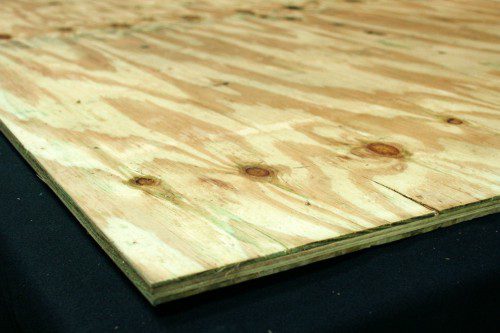
Marine Pressure Treated Wood: Ultimate Durability Guide
Imagine building a sturdy dock or a beautiful seaside deck that stands the test of time, resisting the harsh elements of the ocean. You want materials that promise durability without sacrificing beauty, right?
Enter marine pressure treated wood—the game changer in construction near water. You might be wondering, “What makes it so special? ” Or “How does it safeguard my investment against relentless waves and salty air? ” This article is your gateway to understanding why marine pressure treated wood could be your best ally in creating resilient, long-lasting waterfront structures.
Dive in to uncover how it transforms your projects and ensures peace of mind.

Credit: www.friscowoodline.com
Benefits Of Marine Pressure Treated Wood
Marine pressure treated wood is known for its long-lasting durability. It can withstand heavy loadsfor many years. This wood is often used for docks and piers. It handles the pressure of waterand weight easily. Builders trust it for its strengthand reliability.
This wood has a strong resistance to natural elements. It does not rot or decay easily. Rain, sun, and saltwater do little harm. Its protective coatingkeeps it safe. The wood stays sturdy and safe for use. Ideal for harsh weather conditions.
Marine pressure treated wood is affordable. It offers value for money. Repairs are needed less often. It saves on long-term costs. Builders choose it for the price and benefits. A smart choice for projects near water.
Types Of Marine Pressure Treated Wood
Softwoods are often used for marine projects. Pine and spruce are popular choices. They are lightweight and easy to work with. Softwoods absorb treatment chemicals well. This makes them resistant to water damage.
Hardwoods are stronger and more durable. Oak and mahogany are common options. They can handle heavy loads and tough environments. Hardwoods usually cost more than softwoods. But they last longer.
Special treatments add extra protection. Chemical coatings can be applied to any wood. They help block moisture and pests. Some treatments include fire retardants. This makes the wood safer near heat.
Applications In Marine Environments
Wood treated with pressure is strong. It resists water damage. This makes it perfect for docks. It can handle the weight of boats. It also stays strong in storms. Builders trust it for piers. It lasts a long time. This saves money on repairs.
Boats need strong materials. Wood treated with pressure is ideal. It fights against rot and insects. Boat builders use it for frames. It keeps boats safe on water. This wood is also light. That helps boats move fast.
Seawalls protect land from water. Pressure-treated wood is used here too. It stands firm against waves. This wood does not break easily. It is a good choice for seawalls. It keeps land safe and dry.
Treatment Processes Explained
Chemicals protect wood from rot and bugs. Copper-based solutions are common. They penetrate the wood deeply. This keeps it strong. Borate is another chemical. It is safe for the environment. Chemicals stop fungus and mold from growing.
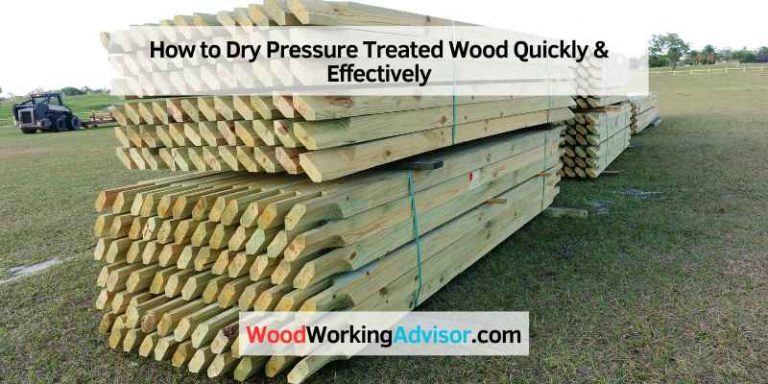
Wood is placed in a big pressure chamber. High pressure pushes chemicals into the wood. This makes the wood last longer. Vacuum methods remove air first. Then chemicals fill in the spaces. This ensures deep penetration of chemicals.
Every piece of wood is tested. Inspectors check the quality. They measure the chemical levels. They ensure the wood is safe and strong. Tests verify the correct treatment of wood. This ensures the wood is ready for marine use.
Environmental Considerations
Marine wood treatment uses less harmful chemicals. This helps keep waters clean. Natural oils and salts are common eco-friendly choices. These treatments are safe for fish and plants. Traditional methods often use harsh chemicals. Eco-friendly options reduce pollution. They also support sustainable practices.
Wood treatments can affect marine life. Safe treatments protect fish and underwater plants. Harmful chemicals can kill small sea creatures. Eco-friendly methods reduce damage. They help keep marine life healthy. Balanced ecosystems are important. Marine habitats need protection from toxins. Better treatments mean a safer ocean.
Governments set rules for wood treatment. These rules protect the environment. Standards guide safe chemical use. Compliance is necessary for companies. Following standards helps keep waters clean. Regulations prevent pollution. Safe practices are required by law. Laws ensure eco-friendly treatment methods.

Credit: www.capitolcitylumber.com
Maintenance Tips For Longevity
Inspect your wood often. Look for cracks, warping, or discoloration. These signs show damage. Use a flashlight for dark spots. Check for any signs of rot or mold. Touch the wood. Soft spots mean trouble. Catch problems early. Fix them quickly. This helps the wood last longer.
Clean your wood regularly. Use a soft brush. This removes dirt and grime. Avoid harsh cleaners. They can damage the wood. Mix mild soap with water. Scrub gently. Rinse with clean water. Let the wood dry. Keep it dry to prevent mold. Clean stains quickly. This keeps the wood looking nice.
Sometimes, wood gets damaged. Repair small cracks with wood filler. Replace broken or rotten pieces. Always use the same type of wood. This keeps the structure strong. Use rust-resistant screws for repairs. Check them regularly. Make sure they are tight. A simple repair can save your wood.
Comparing Alternatives
Untreated wood is simple and natural. It is often less expensive than other options. But, it can rot quickly in water. Bugs and insects love untreated wood. They can eat it and cause damage. This wood needs regular care. Without care, it can break down fast.
Composite materials mix wood with plastic. They are strong and last long. These materials are not easy to break. They can resist water and sun. But, they can cost more than untreated wood. Some people like the look. Others think it looks fake.
Metal and concrete can be very strong. They stand up to bad weather. Metal might rust if it’s near water. Concrete can crack over time. These materials can be heavy and hard to move. They often need special tools for installation.

Credit: southernbuildingproducts.com
Frequently Asked Questions
What Is Marine Pressure Treated Wood?
Marine pressure treated wood is specially treated lumber designed to withstand wet conditions. It’s infused with preservatives to resist rot and decay. Ideal for docks, piers, and other marine applications, it ensures long-lasting durability. This treatment extends the wood’s lifespan, making it a cost-effective solution for waterfront structures.
How Long Does Marine Treated Wood Last?
Marine treated wood can last up to 30 years with proper maintenance. Its lifespan depends on exposure and environmental conditions. Regular inspections and maintenance can extend its durability. Choosing high-quality wood and treatments can further enhance longevity, making it a reliable choice for marine environments.
Is Marine Pressure Treated Wood Safe?
Yes, marine pressure treated wood is safe for use in construction. It’s treated with chemicals that resist decay, fungi, and insects. Modern treatments are designed to be environmentally friendly. However, it’s advisable to use protective gear when cutting or drilling to avoid inhaling wood dust or coming into contact with chemicals.
Can Marine Treated Wood Be Painted?
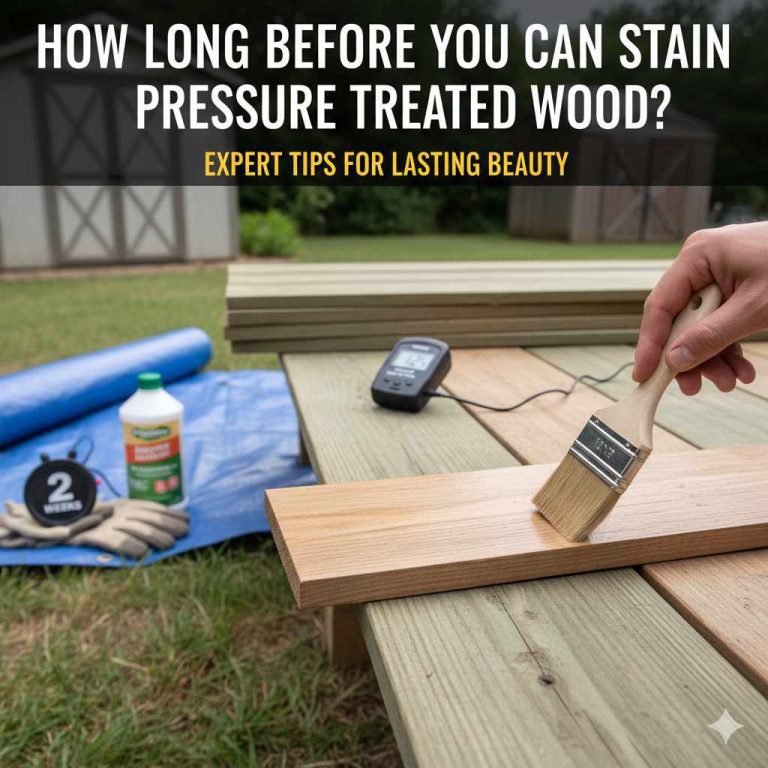
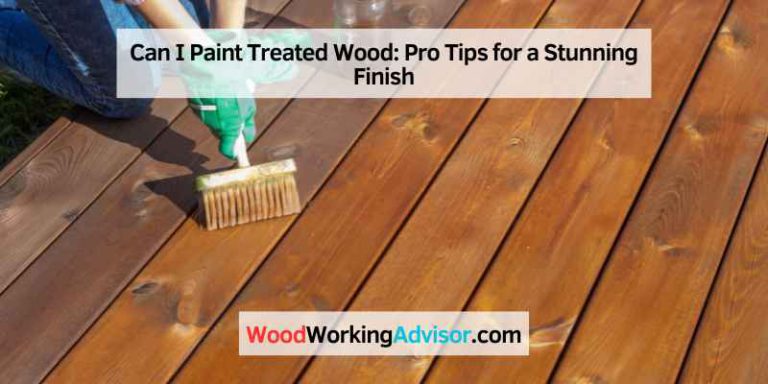
Yes, marine treated wood can be painted, but preparation is key. Allow the wood to dry thoroughly before painting. Use a primer designed for treated wood and choose a high-quality exterior paint. Regular maintenance, including repainting, can help protect the wood and enhance its appearance over time.
Conclusion
Marine pressure treated wood offers durability in wet environments. It resists decay and insect damage effectively. Ideal for docks, piers, and waterfront structures. Safe for marine life and eco-friendly. Its longevity ensures fewer replacements, saving time and costs. Choosing this type of wood protects your investment.
Maintenance becomes simpler with its sturdy nature. Consider marine treated wood for your next waterfront project. Its benefits make it a wise choice. Durable, reliable, and sustainable. Perfect for coastal settings. Make the right choice for lasting results. Embrace its advantages today.
Enjoy peace of mind with marine treated wood.