Pressure-Treated Wood Types: CCA vs ACQ vs CA Explained
Pressure-treated wood is graded by its chemical preservative, CCA, ACQ, or CA, and picking the wrong type for ground-contact versus above-ground use can cut its typical 15-25 year lifespan short.
Using CCA-rated lumber where a lighter ACQ board belongs, or skipping primer before paint, is a common and costly mistake on decks and fence posts. This guide covers the three treatment types, safe handling, painting prep, and maintenance that keep it lasting.
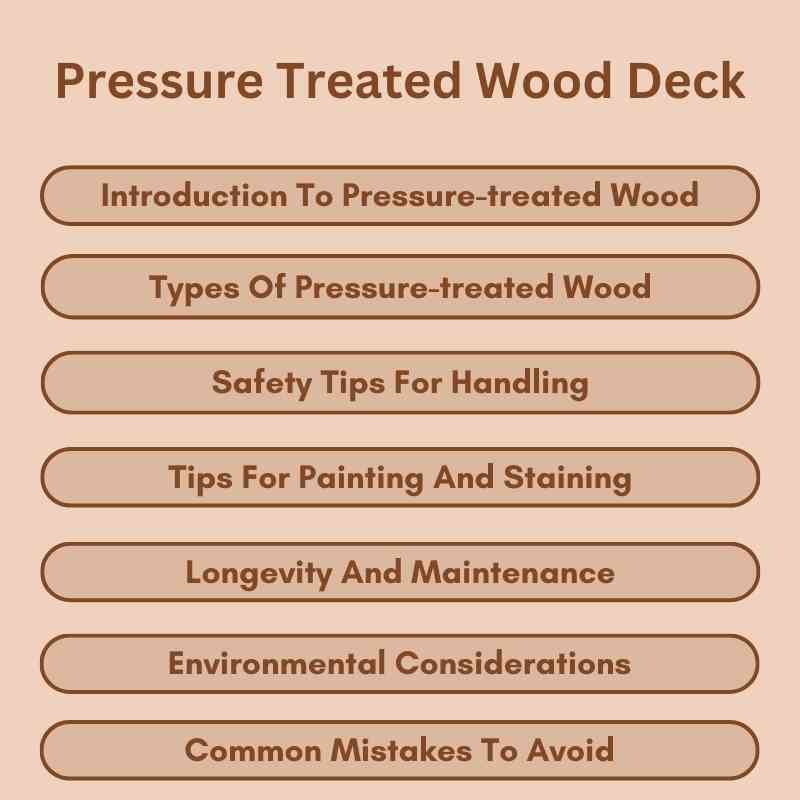
Introduction To Pressure-treated Wood
Best Wood Sealer Pick

Thompson’s WaterSeal Multi-Surface Waterproofer Stain, Clear, 1 Gallon – $17.97
A clear waterproofing coat works on any of the three treatment types below (CCA, ACQ, or CA) – matches the “quality wood sealant every few years” maintenance step this guide recommends.
- Best for: general waterproofing on decks, fences, and posts regardless of chemical type
- Why we picked it: clear finish lets the wood’s natural grain show while adding the UV/moisture protection this guide’s maintenance section calls for
- Main drawback: some reviewers note tackiness if applied before the wood is fully dry
Compare more wood sealer options
 Option 1 Thompson’s WaterSeal Clear Wood Sealer – $19.94
|
 Option 2 Rain Guard SP-8001 Wood Sealer Concentrate – $18.99
|
 Option 3 Thompson’s WaterSeal Solid Color Sedona Red – $45.99
|
As an Amazon Associate we earn from qualifying purchases.
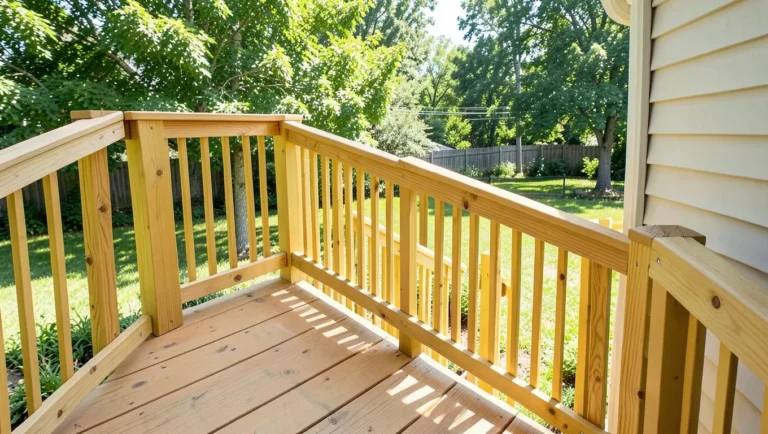
Pressure-treated wood is popular for its durability. It resists rot and insects. This makes it great for outdoor projects.
Common benefits include:
- Increased lifespan of wood
- Lower maintenance needs
- Better resistance to moisture
Common uses in construction include:
| Use | Description |
|---|---|
| Decking | Perfect for building long-lasting outdoor decks. |
| Fencing | Ideal for creating sturdy and weatherproof fences. |
| Landscape Borders | Useful for edging gardens and paths. |
| Posts and Beams | Great for structural support in outdoor projects. |
Types Of Pressure-treated Wood
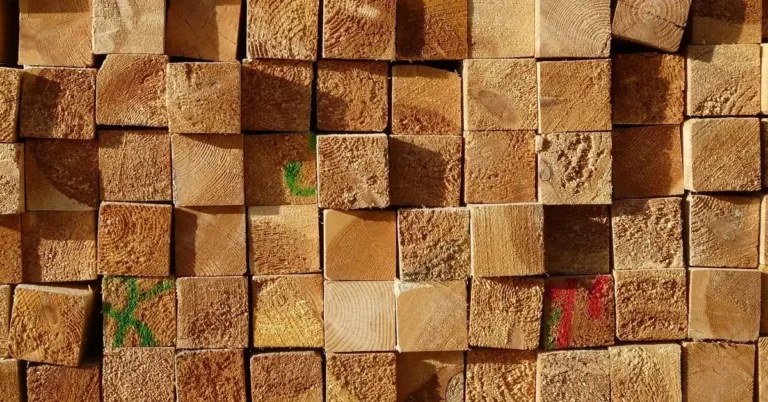
Pressure-treated wood falls into different categories based on preservation methods. Common types include CCA, ACQ, and CA. CCA stands for Chromated Copper Arsenate. It is ideal for outdoor projects like decks and fences.
ACQ, or Alkaline Copper Quaternary, is safe for plants and pets. This type is popular for residential use. CA means Copper Azole, which is also environmentally friendly. It works well for wood that contacts soil.
Choosing the right type depends on your project needs. Consider the environment and exposure level. CCA is great for heavy-duty applications. For lighter projects, ACQ or CA might be best.
| Type | Best For | Environmental Impact |
|---|---|---|
| CCA | Heavy-duty outdoor projects | Moderate |
| ACQ | Residential use | Low |
| CA | Soil contact | Low |
Best Picks For Outdoor Projects
Choosing the right wood for outdoor projects is crucial. Here are some top choices for decking:
- Redwood: Naturally resistant to decay and insects.
- Cedar: Lightweight and has a pleasant aroma.
- Composite Wood: Made from recycled materials, low maintenance.
For ideal woods for fencing, consider the following options:
- Pressure-Treated Pine: Affordable and durable against weather conditions.
- Cypress: Naturally resistant to rot and insects.
- Western Red Cedar: Attractive and provides good insulation.
Safety Tips For Handling
Wearing Personal Protective Equipment is very important. Use gloves, goggles, and a dust mask. These items protect you from harmful chemicals and dust. Always check your gear before starting work.
Safe cutting and sanding practices help prevent accidents. Use a sharp blade to make clean cuts. Keep your hands away from the cutting area. Always follow the manufacturer’s instructions for tools. Sanding should be done in a well-ventilated area. This helps reduce dust inhalation. Clean up all debris after working.
Tips For Painting And Staining
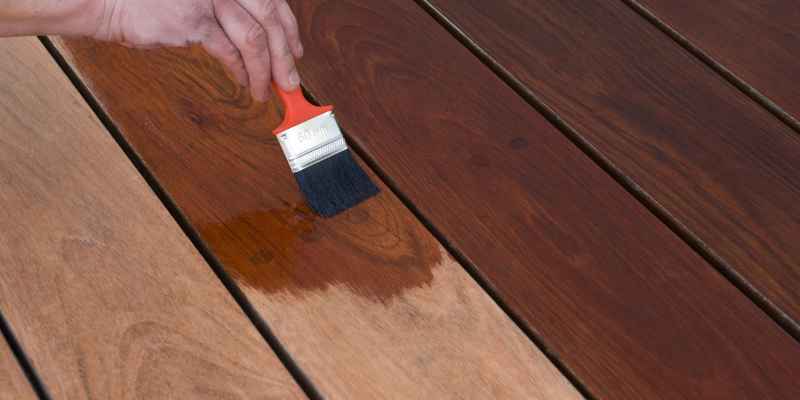
Preparing the surface is crucial for the best results. Start by cleaning the wood thoroughly. Use a power washer or a stiff brush with soapy water. Allow it to dry completely before painting or staining.
Choosing the right products makes a big difference. Look for high-quality primers and paints made for outdoor use. Select stains that are specifically formulated for pressure-treated wood. Always check the label for compatibility with treated wood.
Longevity And Maintenance
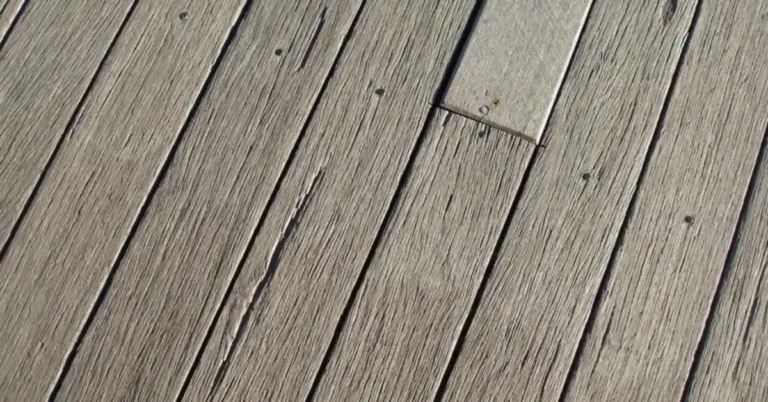
Regular inspections as part of your overall wood care and maintenance routine are crucial for the longevity of pressure-treated wood. Look for signs of wear, such as cracks or splinters. Check for mold or fungus, which can harm the wood.
Perform inspections at least twice a year. Early detection can save time and money. If damage is found, address it quickly to avoid bigger problems.
Applying preventative treatments can extend the life of your wood. Use a quality wood sealant every few years. This protects against moisture and UV rays.
Consider using stains that contain preservatives. These can help prevent rot and insect damage. Regular maintenance keeps your wood looking good and functioning well.
Environmental Considerations
Pressure-treated wood has environmental impacts that deserve attention. Eco-friendly alternatives exist for those who want to minimize harm. Options include bamboo, recycled plastic, and untreated wood. These materials are sustainable and reduce deforestation.
Disposing of pressure-treated wood needs careful planning. Burning it releases harmful chemicals. Instead, consider recycling or donating it. Some local programs accept treated wood for safe disposal. Always check local regulations regarding disposal options.
| Eco-Friendly Alternatives | Benefits |
|---|---|
| Bamboo | Fast-growing and sustainable |
| Recycled Plastic | Durable and low maintenance |
| Untreated Wood | Natural and chemical-free |
Common Mistakes To Avoid
Using the wrong fasteners can damage pressure-treated wood. Always choose corrosion-resistant materials. This helps prevent rust and other issues.
Poor spacing between boards can lead to problems. Wood needs room to expand and contract. Proper spacing allows for ventilation and moisture control.
Ensure there is enough air flow around wood. This keeps it dry and helps it last longer. Avoid tight packing of wood pieces to promote good air circulation.
Frequently Asked Questions
What Is Pressure-treated Wood?
Pressure-treated wood is lumber that has been infused with chemical preservatives. These chemicals enhance durability and resistance against rot, insects, and decay. This makes it ideal for outdoor projects like decks, fences, and landscaping. It’s an excellent choice for anyone looking to extend the lifespan of their wooden structures.
How Long Does Pressure-treated Wood Last?
Pressure-treated wood typically lasts 15 to 25 years. Its longevity depends on factors like climate, maintenance, and exposure to moisture. Proper sealing and regular upkeep can further prolong its lifespan. Choosing high-quality pressure-treated wood also contributes to its durability over time.
Can Pressure-treated Wood Be Painted Or Stained?
Yes, pressure-treated wood can be painted or stained. However, it’s essential to wait a few months after installation. This allows the chemicals to dry out properly. Using the right products designed for treated wood will ensure better adhesion and a longer-lasting finish.
Is Pressure-treated Wood Safe For Gardens?
Pressure-treated wood is generally safe for gardens, but caution is necessary. Older treatments used harmful chemicals like arsenic, while modern treatments use safer alternatives. If you’re using it for raised beds, consider lining the wood to prevent leaching of chemicals into the soil.
Conclusion
Picking the right pressure-treated wood type for the job, and prepping it properly with primer or sealant before painting, is essential for long-lasting results. Matching CCA, ACQ, or CA to the right exposure level protects your project against moisture and decay from day one. Always follow manufacturer guidelines for best practices. With the right type and the right care, your outdoor project will hold up for years.
Invest in your wood today for a beautiful tomorrow.
Sponsored / affiliate links. As an Amazon Associate I earn from qualifying purchases. I may earn additional commission from eligible campaigns.