What Happens If You Don’t Stain Pressure Treated Wood (Real Timeline)
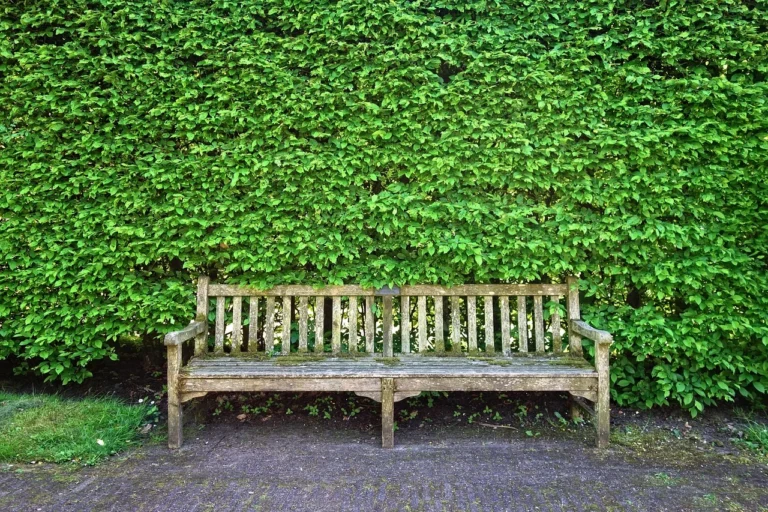
Skip staining pressure-treated wood and here’s what actually happens: the chemical treatment itself still protects the wood’s structure from rot and insects for decades, but the surface will gray from UV exposure within months, absorb and release moisture unevenly (causing cracking, splitting, and splinters), and grow more prone to mildew — cosmetic and surface damage long before the wood is structurally compromised.
A correction worth making here: some articles claim unstained pressure-treated wood only lasts “up to 2 years.” That’s wrong for the wood itself — the pressure treatment provides 15-25+ years of rot and insect resistance even completely unstained, per lumber industry data. What actually fails faster without stain is the surface: graying starts within the first few months, and surface checking/splintering typically shows up within 1-3 years. Staining doesn’t add decades to the wood’s structural life; it protects the appearance and slows surface-level damage.
Check Moisture Before You Stain
Skip The Guesswork On Timing
 |
General Tools MMD4E Pinless Moisture Meter – $37.70 Gives an actual moisture-content reading instead of guessing based on how many weeks have passed since delivery.
|
Compare more moisture meters and stains
 Budget-friendly stain/sealer once the wood tests dry — $29.76 Check Price |
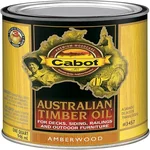 Oil-based penetrating finish, shows the grain — $34.14 Check Price |
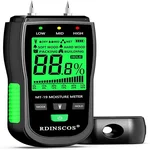 Pin-style, lower cost — $19.22, fine for occasional use Check Price |
The Water-bead Test (No Meter Needed)
If you don’t want to buy a meter, pour a small amount of water on the wood’s surface. If it beads up and sits on top, the wood is still too wet to stain — the treatment chemicals and moisture haven’t dried out enough to absorb the stain evenly. If the water soaks in within a few minutes, the wood is ready. Depending on climate and how the lumber was kiln-dried (or not) after treatment, this can take anywhere from a few weeks to several months — there’s no fixed universal number, which is exactly why a moisture reading or the bead test beats guessing based on a calendar.
What Actually Fails Without Stain
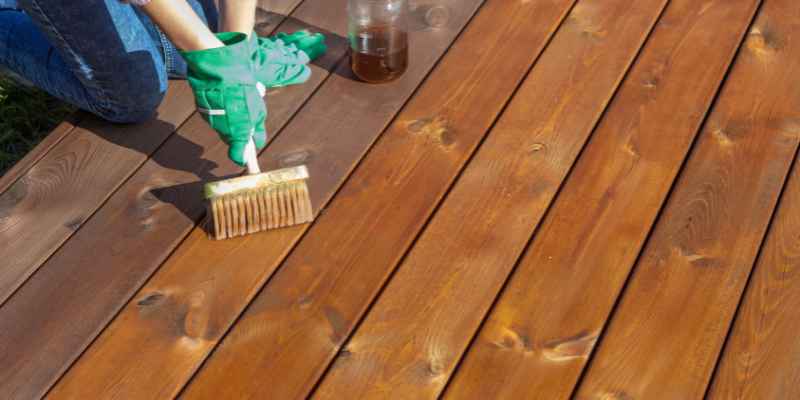
Left unstained, pressure-treated wood goes through a repeated swell-and-shrink cycle as it absorbs and releases moisture through the seasons. That cycle is what drives surface checking (the small cracks that run along the grain), splintering, and eventually warping — not rot, which the chemical treatment still largely prevents. UV exposure separately breaks down lignin at the surface, turning the wood gray regardless of moisture. A stain or sealant addresses both: it slows moisture absorption and blocks UV at the surface.
Cost Of Waiting Too Long
The main financial risk isn’t losing the whole structure — it’s replacing individual boards that have checked, splintered, or warped badly enough to need replacement, plus the labor cost of re-sanding a badly weathered surface before a stain will take evenly. Staining within the first year, once the wood tests dry, is cheaper than waiting several years and having to sand or replace boards first.
Frequently Asked Questions
Can You Leave Pressure Treated Wood Unstained?
Yes, you can — the chemical treatment still protects against rot and insects for years even unstained. What you lose is surface protection: the wood will gray from UV exposure and is more prone to checking, splintering, and mildew without a stain or sealant.
How Long Does Pressure Treated Wood Last Without Staining?
Structurally, pressure-treated wood can last 15-25+ years without staining because the treatment itself resists rot and insects. Cosmetically, graying starts within months and surface checking or splintering commonly shows up within 1-3 years without a protective finish.
Do You Need To Stain Pressure Treated Wood?
It’s not required for the wood to survive, but staining significantly slows graying, surface cracking, and mildew growth, and keeps the wood looking new far longer than leaving it bare.
How Do I Know When Pressure Treated Wood Is Dry Enough To Stain?
Use the water-bead test: pour a little water on the surface. If it beads up, wait longer. If it soaks in within a few minutes, it’s ready. A pinless moisture meter reading under roughly 15-19% gives a more precise answer than the bead test alone.
Bottom Line
Unstained pressure-treated wood won’t rot away in a couple of years — the treatment handles that. What you’re actually protecting against by staining is graying, surface cracking, and splintering, and the right time to do it is whenever the wood passes the water-bead test, not on a fixed calendar schedule.
Sponsored / affiliate links. As an Amazon Associate I earn from qualifying purchases. I may earn additional commission from eligible campaigns.