Mdf Screws: Essential Guide for Secure Fixings
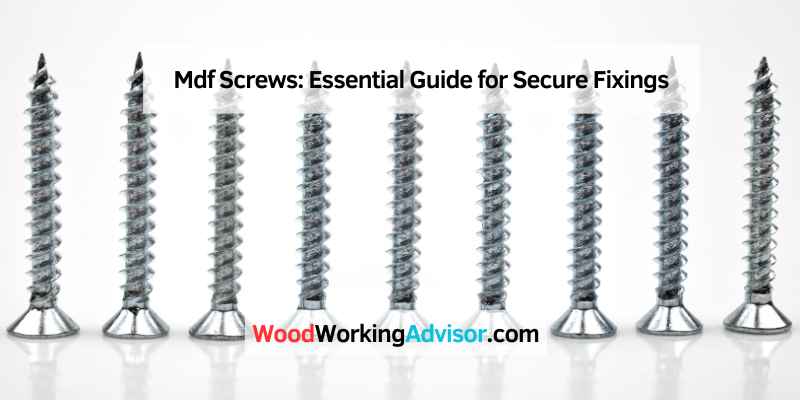
MDF screws are specially designed for use with Medium Density Fiberboard (MDF). They provide strong holding power and reduce splitting.
MDF, or Medium Density Fiberboard, is a popular choice for many woodworking projects due to its smooth surface and consistent density. MDF screws are essential for securing this material without causing damage. These screws feature a special thread design that grips the fibers tightly, ensuring a secure hold.
They often come with a self-drilling tip, which makes the installation process quicker and easier. Using the right screws for MDF is crucial to maintain the integrity of your project. Whether you’re building cabinets, furniture, or decorative items, MDF screws offer reliability and strength. Always choose quality MDF screws to ensure the best results.
Introduction To Mdf Screws
Medium Density Fiberboard (MDF) is a common material used in furniture and cabinetry.
MDF screws are essential for assembling and securing MDF boards.
They ensure the structure remains intact and durable.
What Are Mdf Screws?
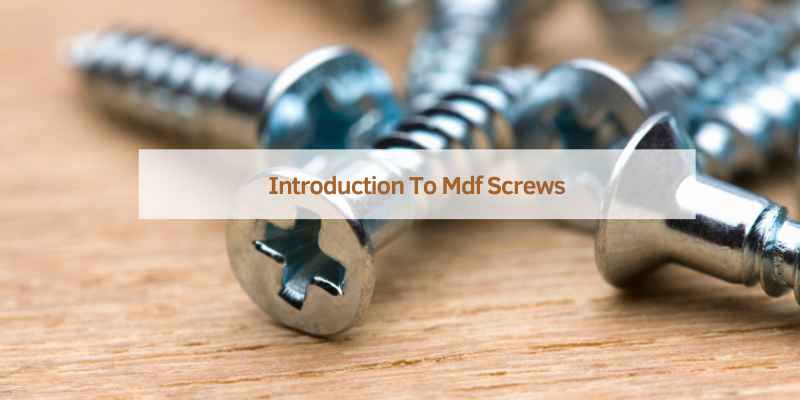
MDF screws are specialized fasteners designed specifically for MDF boards.
Unlike regular screws, they have unique features to prevent splitting and ensure a strong hold.
These screws typically have a coarse thread and a sharp point.
The design of MDF screws helps them penetrate the dense fibers of MDF easily.
They often come with a self-tapping feature, reducing the need for pre-drilling.
This makes them user-friendly and efficient for various projects.
Why Mdf Requires Special Screws
MDF is made from wood fibers bonded with resin.
This composition makes it denser and more brittle than regular wood.
Special screws are needed to avoid damaging the material.
Regular screws can cause splitting and cracking in MDF.
MDF screws are designed to distribute pressure evenly.
This prevents damage and ensures a secure fit.
Using the right screws also enhances the longevity of your projects.
It ensures that the joints and connections remain strong over time.
| Feature | MDF Screws | Regular Screws |
|---|---|---|
| Thread Type | Coarse | Varies |
| Point Type | Sharp | Varies |
| Self-Tapping | Yes | No |
| Pressure Distribution | Even | Uneven |
| Risk of Splitting | Low | High |
- MDF screws are crucial for MDF projects.
- They prevent splitting and ensure durability.
- Regular screws can damage MDF boards.
Characteristics Of Mdf Screws
MDF screws are specially designed to work with Medium Density Fiberboard (MDF). They offer unique features that make them ideal for this material. Understanding these characteristics ensures you choose the right screw for your projects.
Material Composition
MDF screws are typically made from hardened steel. This ensures they can penetrate the dense MDF material without breaking. The steel is often coated with zinc. This prevents rust and corrosion, extending the screw’s lifespan.
Some MDF screws have a black phosphate coating. This improves their grip and reduces wear. Stainless steel MDF screws are also available. These are ideal for projects exposed to moisture or chemicals.
Thread Design
The thread design of MDF screws is crucial. They have sharp, deep threads. This allows for better grip and reduces splitting of the MDF.
MDF screws often feature a double-threaded design. This means they have two sets of threads. One set pulls the screw into the material, while the other holds it firmly in place.
| Feature | Description |
|---|---|
| Material | Hardened steel, zinc-coated, black phosphate, stainless steel |
| Thread Type | Sharp, deep threads, double-threaded design |
These features make MDF screws ideal for securing MDF boards. They prevent splitting and ensure a strong, durable hold.
Benefits Of Using The Right Screws For Mdf
Medium Density Fiberboard (MDF) is a popular material for furniture and cabinetry. Using the right screws can make a big difference. Proper screws can prevent damage and ensure long-lasting results.
Prevents Splitting
MDF is more delicate than solid wood. Using the wrong screws can cause splitting. Splitting weakens the material and makes it look bad. Special MDF screws have a unique design. They reduce the risk of splitting. These screws have a sharp tip and fine threads. They easily penetrate MDF without causing cracks.
Enhances Durability
Durability is key for any project. Using the right screws ensures strong joints and connections. MDF screws are made to grip tightly. This adds strength to your work. Strong joints mean your furniture lasts longer. They also hold up better under weight and stress.
How To Select Mdf Screws
Choosing the right MDF screws is essential for a strong and reliable bond. Using the wrong screw can lead to weak joints and damaged materials. Here’s a guide to help you select the perfect MDF screws for your project.
Screw Length And Diameter
Screw length and diameter are crucial for a secure fit. MDF, a dense material, needs screws that penetrate deeply without splitting.
- Length: Choose screws that are at least twice as long as the thickness of the MDF. For a 1/2-inch board, use screws at least 1 inch long.
- Diameter: Select screws with a diameter of 3.5mm to 4mm. Thicker screws can split the MDF.
Understanding Thread Count
Thread count affects the screw’s grip in MDF. A higher thread count means more holding power.
| Thread Count | Purpose |
|---|---|
| Coarse Threads | Quick penetration, suitable for soft materials |
| Fine Threads | Better grip, ideal for dense materials like MDF |
Fine-threaded screws are best for MDF. They prevent splitting and provide a stronger hold.
Pre-drilling And Pilot Holes
Pre-drilling and creating pilot holes are crucial for working with MDF screws. These steps prevent the material from splitting and ensure a secure fit.
When To Pre-drill
Pre-drilling is necessary when working with Medium Density Fiberboard (MDF). MDF is a dense material and can easily split. Pre-drilling helps to avoid this issue.
Use pre-drilling when inserting screws near the edges. This is because the edges are more likely to split. Also, pre-drill for larger screws. This ensures the MDF does not crack under pressure.
Pre-drilling is also essential for hardwood and other dense materials. This step reduces the risk of damage and ensures a clean finish.
How To Make A Pilot Hole
Creating a pilot hole involves drilling a small hole before inserting the screw. Follow these steps to make a pilot hole:
- Choose the right drill bit. The bit should be slightly smaller than the screw.
- Mark the spot where the screw will go.
- Secure the MDF to prevent movement.
- Drill a hole at the marked spot. Keep the drill steady and straight.
- Insert the screw into the pilot hole. This ensures a snug fit.
Using a pilot hole has several advantages. It prevents the MDF from splitting and makes the screw insertion smoother. It also provides better grip for the screw.
| Material | Drill Bit Size |
|---|---|
| MDF | 1/8 inch |
| Hardwood | 3/16 inch |
| Softwood | 1/16 inch |
For best results, always pre-drill and create pilot holes. This ensures your MDF screws fit perfectly and securely.
Installation Techniques
Installing MDF screws properly is crucial for ensuring strong and durable connections. The right techniques can help prevent damage and make your projects more successful.
Correct Driving Techniques
Using the right driving techniques ensures that MDF screws are installed securely. Here are some key points:
- Pre-drill holes: Always pre-drill holes to avoid splitting the MDF board.
- Use a pilot hole: The pilot hole should be slightly smaller than the screw diameter.
- Consistent pressure: Apply consistent pressure while driving the screw to ensure a smooth entry.
- Proper bit size: Use a screwdriver bit that fits the screw head perfectly.
Avoiding Common Mistakes
Avoiding common mistakes can save time and material. Here are some mistakes to watch out for:
- Over-tightening: Over-tightening can strip the MDF material, weakening the hold.
- Wrong screw size: Using screws that are too long can cause splitting.
- Incorrect screw type: Always use screws designed specifically for MDF.
| Common Mistake | Solution |
|---|---|
| Over-tightening | Stop once the screw is flush with the surface. |
| Wrong screw size | Choose screws that are suitable for the thickness of the MDF. |
| Incorrect screw type | Use MDF screws or confirmat screws for best results. |
By following these installation techniques, you can achieve a strong and lasting connection with MDF screws.
Mdf Screw Types And Their Uses
MDF (Medium-Density Fiberboard) requires special screws to ensure strong and secure joints. Different screw types serve various purposes. Knowing which screw to use can help achieve the best results in your projects.
Flat Head Vs. Pan Head
Flat head screws are perfect for countersinking. They sit flush with the surface, giving a clean look. These screws are ideal for projects where the screw head needs to be hidden.
Pan head screws, on the other hand, have a rounded top. These are great for situations where the screw head does not need to be flush. They provide a larger surface area for the driver, making them easier to install and remove.
| Flat Head | Pan Head |
|---|---|
| Perfect for countersinking | Has a rounded top |
| Sits flush with the surface | Larger surface area for the driver |
| Ideal for hidden screw heads | Easy to install and remove |
Coarse Vs. Fine Threads
Coarse threads are designed for soft materials like MDF. They provide better grip and are less likely to strip the material. These screws are faster to install and require less effort.
Fine threads, in contrast, are more suitable for harder materials. They create a stronger hold but may take longer to install. These screws are less likely to split the material, making them ideal for delicate tasks.
| Coarse Threads | Fine Threads |
|---|---|
| Better grip in soft materials | Stronger hold in hard materials |
| Faster to install | Less likely to split material |
| Requires less effort | Ideal for delicate tasks |
Choosing the right screw type can make your MDF projects easier and more effective. Understanding the differences between flat head and pan head, as well as coarse and fine threads, ensures you pick the best option for your needs.
Finishing And Aesthetics
When working on projects with MDF, the finishing touches are crucial. The right finish can elevate the look of your work. MDF screws play a significant role in this. They need to blend seamlessly with the material. This ensures a polished and professional appearance. Below are some essential tips for achieving an impeccable finish.
Concealing Screw Heads
Concealing screw heads is vital for a smooth finish. Here are some methods to achieve this:
- Countersinking: Drill a hole slightly deeper than the screw head. This lets the screw sit below the surface.
- Wood Filler: After countersinking, fill the hole with wood filler. Sand it down once it’s dry.
- Screw Caps: Use matching screw caps. They snap over the screw head and blend in with the MDF.
These methods ensure the screws are hidden. This gives your project a clean look.
Painting And Staining Tips
Painting and staining MDF can enhance its appearance. Follow these tips for the best results:
- Priming: Always use a primer before painting. MDF absorbs paint quickly. Primer helps create an even base.
- Sanding: Sand the MDF surface after priming. This smooths out any rough spots.
- Paint in Layers: Apply thin layers of paint. Let each layer dry before adding the next.
- Staining: If staining, use a gel stain. It sits on the surface and gives a rich color.
These steps ensure a smooth and professional finish. Your MDF projects will look their best.
Maintenance And Repair
Maintaining and repairing MDF screws ensures the longevity of your furniture and fixtures. By following a few simple steps, you can keep everything in top shape. This guide covers regular check-ups and how to replace damaged screws.
Regular Check-ups
Performing regular check-ups on your MDF screws is crucial. Check for any loose or rusted screws every few months. Tighten any loose screws with a screwdriver. This prevents future damage.
Here’s a simple checklist for your regular inspections:
- Examine all screws for tightness
- Look for any signs of rust or wear
- Tighten any loose screws immediately
- Replace rusted screws to avoid breakage
Replacing Damaged Screws
Replacing damaged screws is straightforward but requires attention. First, remove the damaged screw carefully. Use a screwdriver that fits the screw head perfectly. This avoids stripping the screw.
Follow these steps for replacing damaged screws:
- Unscrew the damaged screw with the correct screwdriver
- Remove the screw and inspect the hole
- If the hole is enlarged, fill it with wood filler
- Once the filler dries, drill a pilot hole
- Insert the new screw and tighten it securely
Tips for a successful repair:
- Always use screws designed for MDF
- Ensure the new screw is the same size as the old one
- Use wood filler to fix enlarged holes
By following these maintenance tips and repairing damaged screws promptly, you can extend the life of your MDF furniture. Regular care ensures everything stays strong and functional.
Safety Considerations
Working with MDF screws can be straightforward. But safety should always be a priority. Understanding and following proper safety considerations ensures a smooth and injury-free experience.
Personal Protective Equipment
Always wear personal protective equipment (PPE). This includes safety glasses, gloves, and ear protection.
- Safety glasses protect your eyes from dust and debris.
- Gloves protect your hands from sharp edges.
- Ear protection is essential when using power tools.
Ensure your PPE fits properly. Ill-fitting gear can be a hazard.
Safe Handling Practices
Follow safe handling practices to avoid injuries. Here are some key points to remember:
- Use the right tool for the job. This reduces the risk of slips and accidents.
- Keep your workspace clean and organized. A clutter-free area prevents tripping and falling.
- Check your tools before use. Ensure they are in good working condition.
- Secure the MDF board properly. This prevents movement while you work.
Be mindful of your surroundings. Stay alert to avoid mishaps.
Frequently Asked Questions
Can You Screw Directly Into Mdf?
Yes, you can screw directly into MDF. Pre-drill pilot holes to prevent splitting and use coarse-thread screws for better grip.
Do You Nail Or Screw Into Mdf?
You can use both nails and screws for MDF. Pre-drill holes to prevent splitting and use wood glue for extra strength.
Are Drywall Screws Good For Mdf?
Drywall screws are not ideal for MDF. They can cause splitting and provide poor holding strength. Use MDF screws instead.
What Length Screw For Mdf?
For MDF, use screws that are 1. 5 times the thickness of the material. For 3/4″ MDF, use 1. 25″ screws.
Conclusion
MDF screws are essential for any woodworking project involving medium-density fiberboard. Choosing the right screws ensures durability and stability. Always consider the screw size and type for your specific needs. Properly securing MDF will lead to professional and lasting results.
Invest in quality MDF screws for your next project.