Pros and Cons of MDF Cabinets: Moisture Risk and Real Cost
MDF cabinets cost roughly $100 to $200 per linear foot installed, about half the price of solid wood, and their fiber core resists the humidity warping that affects natural wood. The tradeoff: unsealed MDF absorbs water fast, and edges near a kitchen sink can swell within about five years if moisture gets in. This guide covers where MDF holds up, where plywood is the safer choice, and how to protect the vulnerable spots.
Affiliate disclosure: this post contains Amazon affiliate links. As an Amazon Associate we earn from qualifying purchases.
What Is MDF, and How Are MDF Cabinets Made?
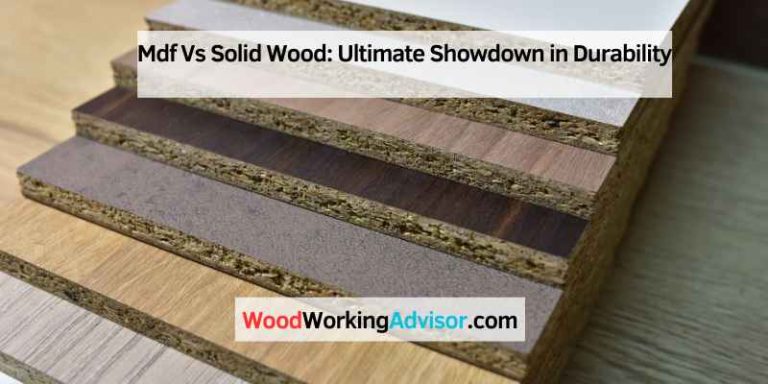
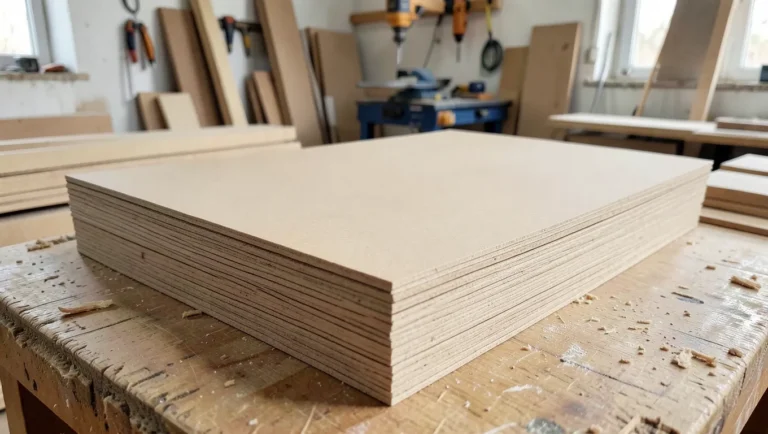
Medium-density fiberboard (MDF) is an engineered wood panel made by breaking down softwood and hardwood fibers, then binding them with resin under high heat and pressure. It has no grain and no layers, which is what gives it the smooth, uniform surface cabinet makers rely on for painted finishes.
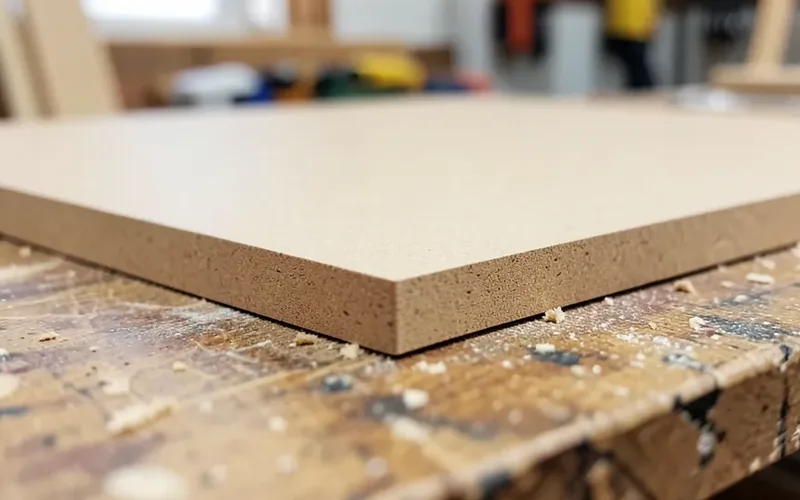
MDF cabinets are cut to size, then joined with glue, staples, or dowels and finished with paint, veneer, or laminate. Because the fibers compress into a dense, consistent core, mills can rout intricate profiles and edge details into MDF without the splintering that solid wood or plywood can show.
The Real Pros of MDF Cabinets
Lower Cost Than Solid Wood
Stock MDF cabinets typically run $100 to $200 per linear foot installed, up to 50% less than comparable solid wood cabinetry. MDF is manufactured from composite wood fiber rather than milled lumber, and cabinet boxes made from it require less labor to produce and install, which keeps the price down at every step.
Resists Warping From Humidity Swings
This is where MDF genuinely beats solid wood: because it has no grain direction, MDF stays dimensionally stable through normal seasonal humidity changes that cause solid wood doors to swell, shrink, or cup. That stability is about ambient humidity, though, not direct water contact – the two are easy to confuse and the difference matters, covered below.
Smooth Surface for a Flawless Painted Finish
Most painted kitchen cabinets on the market today are MDF for exactly this reason: no knots, no open grain, and no telegraphing through the paint film. Solid wood needs a grain-filling primer step to get the same flat, factory-like result that MDF gives with standard primer and two finish coats.
The Real Cons of MDF Cabinets
Moisture Damage at the Sink Base
This is MDF’s real failure point, and it’s specific: standing water and plumbing leaks at a sink base cabinet are the single most common place MDF cabinets fail. Once water gets past the finish and into the fiber core, the damage is generally irreversible – the fibers lose their bond and swell, and edge chipping or delamination can start in as little as five years if a slow leak goes unnoticed.
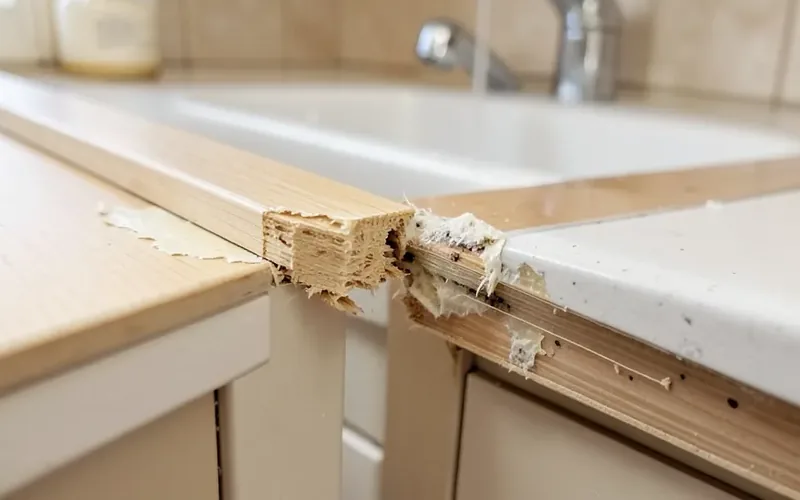
📊 Edge swelling at a sink base cabinet can begin within about 5 years of an unnoticed slow leak. Properly sealed and painted MDF handles normal kitchen humidity well, but exposed edges and cut lines stay vulnerable to direct water contact. Source: GE Sealants, 2026
Best MDF Edge Sealer Pick
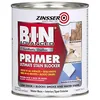 |
Zinsser B-I-N Advanced Shellac Primer and Sealer – $23.03 Seals bare MDF edges and cut lines before painting, so water can’t wick into the exposed fiber core – the exact failure point this guide covers at sink base cabinets.
|
As an Amazon Associate we earn from qualifying purchases.
Screws Don’t Hold as Well as in Plywood
MDF’s dense, uniform fiber does not grip screw threads the way plywood’s cross-laminated layers do, so hinges and drawer slides can work loose over time if you use the wrong screw. Straight-shank wood screws tend to split or strip out; coarse-thread chipboard or confirmat screws made for engineered board hold significantly better.
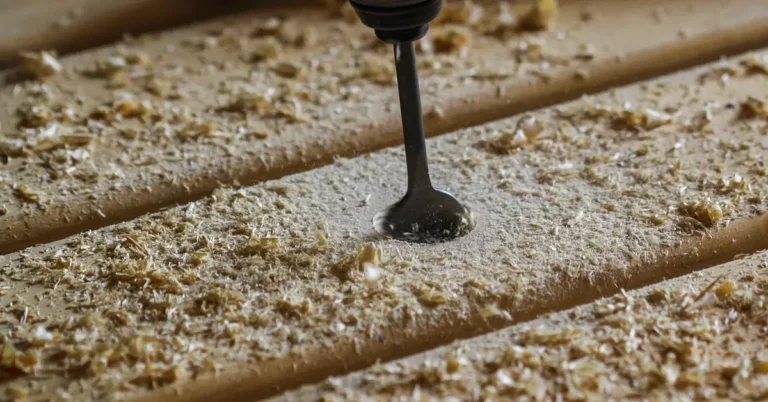
Pre-drilling matters more with MDF than with plywood: use a pilot bit sized at 85 to 90% of the screw’s root diameter (not its outer diameter). A pilot hole that’s too large is a common reason a “properly pre-drilled” screw still won’t hold.
Particle board shares this same screw-holding weakness, only more pronounced, since its coarser, lower-density chip structure grips threads even less securely than MDF’s finer fiber. It’s also more porous and more vulnerable to moisture at cut edges. Our guide to sealing particle board covers the penetrating-sealer and confirmat-screw approach that works for both materials.
Heavier Than Plywood
MDF is denser than plywood or particleboard of the same thickness, which gives cabinet doors a solid feel but adds real weight to installation. Larger upper cabinets may need extra support during mounting, and the added weight puts more ongoing strain on hinges and drawer hardware than a lighter plywood box would.
Harder to Repair Than Solid Wood
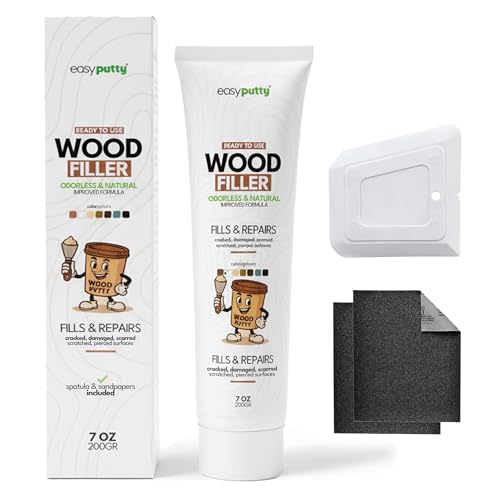
A dent or deep scratch in solid wood can be sanded and refinished. MDF cannot be sanded back to bare material the same way without exposing the fiber core, so most damage is patched with wood filler or a repair marker rather than truly restored, and severe damage usually means replacing the door or panel.
MDF vs. Plywood vs. Solid Wood for Cabinets
Each material earns its place in a cabinet build differently. This is where the three actually compare on the factors that decide cabinet failures and budgets, not just a generic durability rating:
| Factor | MDF | Plywood | Solid Wood |
|---|---|---|---|
| Cost per linear ft (installed) | $100-$200 | $150-$280 | $200-$400+ |
| Moisture/water resistance | Poor once unsealed edge is wet | Good, especially exterior-grade | Fair, can warp/cup |
| Screw-holding strength | Weak without coarse-thread screws | Strong, cross-laminated layers grip well | Strong |
| Paintability (smooth finish) | Excellent, no grain | Fair, grain can telegraph | Needs grain-filling primer |
| Weight | Heaviest | Lightest | Moderate to heavy |
| Best used for | Painted doors, drawer fronts, dry areas | Cabinet boxes, sink base, high-moisture areas | Stained/natural-look doors, high-wear frames |
Where MDF Actually Makes Sense
The comparison table above points to a practical answer most single-material guides skip: you don’t have to choose only one material for the whole cabinet. A common approach among cabinet builders is a hybrid build – plywood for the cabinet box itself, especially the sink base and anywhere plumbing runs, paired with MDF for the visible painted doors and drawer fronts where its smooth finish is the advantage. That combination gets MDF’s paint-ready surface where you see it and plywood’s moisture tolerance where a slow leak would actually do damage. If you want the fuller mechanical breakdown of why plywood grips screws better and handles moisture differently than MDF, see our full plywood vs. MDF comparison.
Maintaining MDF Cabinets
Cleaning Without Damaging the Finish
Wipe MDF cabinet surfaces with a soft, damp cloth, then dry immediately with a second cloth – never let water sit on the surface. Skip abrasive pads or harsh solvent cleaners, which can dull or lift a painted MDF finish faster than they would on solid wood.
Sealing Exposed Edges and Cut Lines
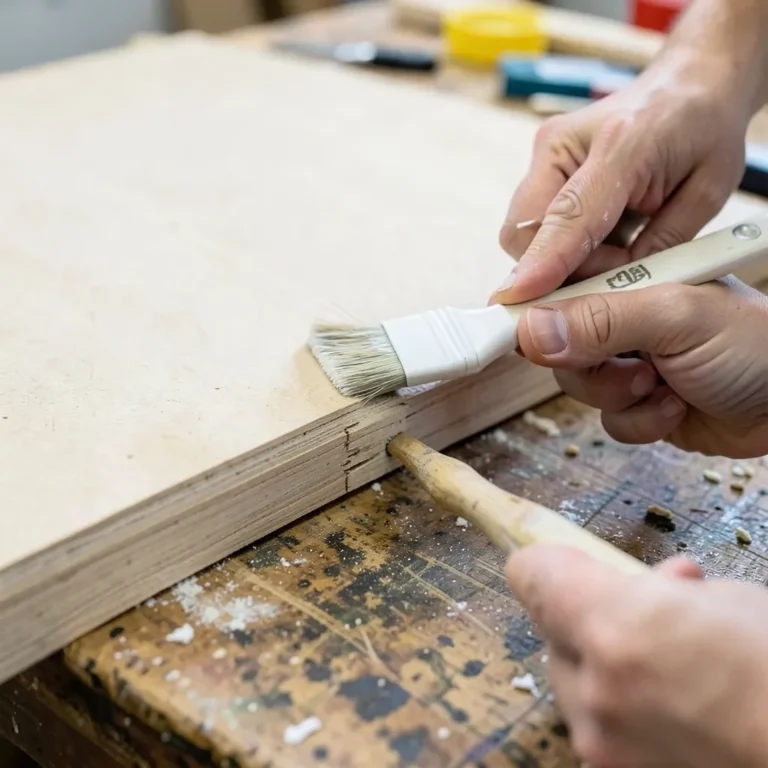
Any cut edge, drilled hole, or corner where factory sealing was skipped is an entry point for water. Seal exposed fiber with a shellac-based or water-based sealer before the finish coat, and re-check that seal anywhere near a sink, dishwasher, or exterior wall each year.
For the actual technique – sanding, sealing, and which primer type seals a raw cut edge best – see our guide to priming MDF edges without raised grain.
Should You Choose MDF or Plywood for Your Cabinets?
Weigh three things before deciding: your budget, how close the cabinet sits to water, and whether you want a painted or natural-wood look. If budget and a flawless painted finish matter most and the location stays dry, MDF is a reasonable, well-tested choice. If the cabinet is a sink base, sits under a window with condensation risk, or is in a laundry or bathroom, plywood construction – or the hybrid approach above – is the safer call regardless of the higher material cost.
Frequently Asked Questions
Will MDF cabinets last?
Yes, MDF cabinets commonly last 10 to 20 years when properly sealed and kept dry. Lifespan drops sharply if raw edges are exposed to water or if thin, low-density MDF was used – moisture control matters more for MDF’s lifespan than normal wear and tear does.
Can MDF cabinets be used near a sink or in a bathroom?
MDF can be used near a sink if every edge, seam, and drilled hole is fully sealed before installation, but it is not the safer choice. Plywood resists standing water and plumbing leaks better, which is why many cabinet builders use plywood specifically for the sink base cabinet box even when the rest of the kitchen is MDF.
What’s the best screw for MDF cabinets?
Coarse-thread chipboard screws or confirmat screws made for engineered wood hold best in MDF. Avoid tapered wood screws, which act like a wedge and split the material, and pre-drill with a pilot bit sized to 85-90% of the screw’s root diameter for a secure grip.
Should cabinet boxes be plywood or MDF?
Plywood is the better choice for the cabinet box itself, especially the sink base, because its cross-laminated layers resist water and hold screws far better than MDF. MDF is better suited to the visible doors and drawer fronts, where its smooth, grain-free surface gives a better painted finish.
Are MDF cabinets bad for indoor air quality?
Standard MDF is bonded with resin that can off-gas small amounts of formaldehyde, particularly when new. Look for cabinets made with low-formaldehyde or CARB2/TSCA Title VI-compliant MDF, and make sure all surfaces are sealed or laminated, which significantly reduces emissions.
For the full picture beyond cabinets specifically – formaldehyde regulations, recycled wood content, carbon footprint, and end-of-life disposal – see our guide on whether MDF is actually bad for the environment.
Conclusion
MDF cabinets are a genuinely good option for painted, budget-conscious kitchens in dry areas – not a compromise material to avoid outright. The real decision point is location: keep MDF away from unsealed exposure at the sink base, seal every cut edge, and use the right coarse-thread screws, or switch to plywood specifically where water risk is highest.
Sponsored / affiliate links. As an Amazon Associate I earn from qualifying purchases. I may earn additional commission from eligible campaigns.