Metal Deck Joists: The Ultimate Strength Boosters
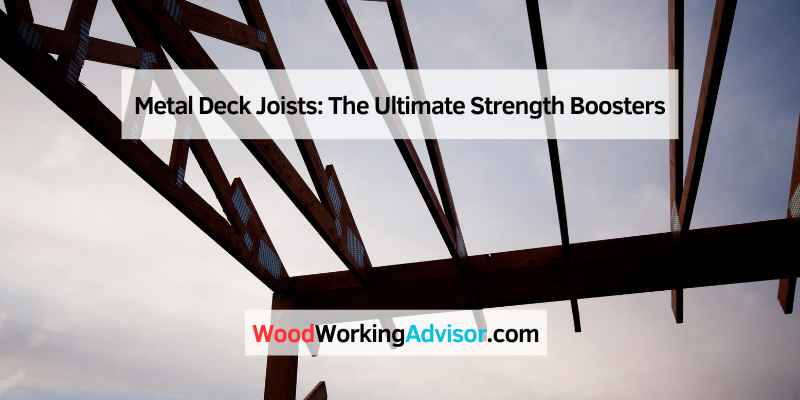
Metal deck joists are structural supports made from steel, designed to hold up metal decking systems. They offer strength, durability, and efficiency for various construction applications.
Metal deck joists play a crucial role in modern construction. They provide a robust framework for floors, roofs, and other structures, ensuring stability and safety. Made from high-quality steel, these joists are engineered to withstand heavy loads while minimizing material use.
This efficiency contributes to cost savings and faster project timelines. Builders often choose metal deck joists for their versatility, as they can be adapted to a range of architectural designs. With the growing focus on sustainable construction, metal deck joists also align with eco-friendly practices by promoting the use of recyclable materials. Understanding their benefits can enhance your building project’s success.
Introduction To Metal Deck Joists
Metal deck joists have become popular in modern construction. They provide strength and support for various structures. This section explores the rise of metal in construction and the role of joists.
Rise Of Metal In Construction
The construction industry has seen a shift towards metal materials. Steel and aluminum are preferred for their strength and durability. Here are some reasons for this trend:
- Lightweight: Metal is easier to handle and transport.
- Cost-effective: Metal reduces long-term maintenance costs.
- Fire-resistant: Metal resists fire better than wood.
- Recyclable: Metal can be reused, promoting sustainability.
These benefits make metal an excellent choice for building materials.
Joists: The Skeletal Framework
Joists are key components in a building’s structure. They support floors and roofs, distributing weight evenly. Metal deck joists offer several advantages:
- Strength: Metal can bear heavy loads.
- Longevity: Metal resists wear and tear over time.
- Flexibility: They can fit various design requirements.
- Speed of installation: Prefabricated options save time on site.
Metal deck joists form the backbone of modern architecture. They enhance stability and safety in construction projects.
Comparing Wood And Metal Joists
Choosing between wood and metal joists can be challenging. Each material has unique advantages. Understanding these differences helps make an informed choice.
Durability And Longevity
Metal joists offer superior durability compared to wood. They resist rot, pests, and fire. This makes them a great option for long-term use.
Wood joists may warp or shrink over time. This can lead to structural issues. Metal joists maintain their shape and strength.
| Feature | Wood Joists | Metal Joists |
|---|---|---|
| Resistance to Pests | Low | High |
| Resistance to Rot | Medium | High |
| Fire Resistance | Low | High |
| Longevity | 20-30 years | 50+ years |
Cost-effectiveness Over Time
Initial costs for wood joists are often lower. However, consider long-term expenses. Metal joists require less maintenance.
- Wood Joists:
- Lower initial cost
- Higher maintenance costs
- Shorter lifespan
- Metal Joists:
- Higher initial cost
- Low maintenance costs
- Longer lifespan
Investing in metal joists may save money in the long run. They provide better value due to their durability.
Types Of Metal Joists
Metal deck joists come in various types. Each type serves a specific purpose. Selecting the right one is crucial for your project. This section will discuss common profiles, sizes, and specialized joists for custom projects.
Common Profiles And Sizes
Metal joists are available in several profiles and sizes. Common profiles include:
- Open Web Joists: Lightweight, strong, and ideal for long spans.
- Composite Joists: Combine steel and concrete for added strength.
- Standard Joists: Traditional design used in many structures.
Here’s a quick reference table for common sizes:
| Profile Type | Typical Size (inches) | Span Capacity (feet) |
|---|---|---|
| Open Web | 10, 12, 14 | 30-50 |
| Composite | 8, 10, 12 | 25-40 |
| Standard | 6, 8, 10 | 20-30 |
Specialized Joists For Custom Projects
Some projects require specialized metal joists. These are designed for unique needs. Examples include:
- Heavy-Duty Joists: Used in industrial settings.
- Acoustic Joists: Reduce sound transmission in buildings.
- Fire-Resistant Joists: Built to withstand high temperatures.
Custom joists can be tailored to fit specific dimensions. This flexibility allows for better load distribution and enhanced performance.
Advantages Of Using Metal Deck Joists
Metal deck joists offer numerous benefits for construction projects. They enhance strength, resist weather, and simplify installation. Here are the key advantages:
Enhanced Structural Integrity
Metal deck joists provide superior structural strength. They are designed to support heavy loads. This durability reduces the risk of bending or warping.
- High load-bearing capacity
- Minimal deflection under stress
- Long-lasting performance
Using metal joists can lead to safer buildings. They meet strict building codes and regulations.
Resistance To Elements
Metal deck joists resist various environmental factors. They are not affected by moisture or pests. This resistance ensures a longer lifespan.
- Non-combustible material
- Corrosion-resistant coatings available
- Stable in extreme temperatures
These features protect the structure from damage. Metal joists are ideal for various climates.
Ease Of Installation
Metal deck joists are lightweight and easy to handle. This makes installation quicker and more efficient. Fewer workers are needed for setup.
- Pre-cut lengths save time.
- Compatible with standard tools.
- Less labor required overall.
Quick installation reduces project costs. Faster completion times benefit everyone involved.
Installation Best Practices
Installing metal deck joists requires careful planning and execution. Following best practices ensures durability and safety. Here are essential guidelines for successful installation.
Site Preparation
Proper site preparation is crucial. A clean and organized workspace improves efficiency.
- Clear debris and obstacles.
- Ensure a level surface.
- Check for underground utilities.
Mark the layout of the joists. This helps in accurate placement. Use chalk lines for guidance.
Safety Considerations
Safety should always come first. Use appropriate personal protective equipment (PPE).
- Wear safety glasses.
- Use hard hats.
- Wear steel-toed boots.
Ensure that all workers are trained. Keep the work area well-ventilated. Follow all safety regulations.
Tools And Techniques
Using the right tools makes installation easier. Consider the following tools:
| Tool | Purpose |
|---|---|
| Drill | For making holes in metal. |
| Level | Ensures joists are aligned. |
| Wrench | For tightening bolts. |
Use these techniques for better results:
- Start with corner joists.
- Check alignment frequently.
- Secure all connections tightly.
Follow these best practices for a successful installation of metal deck joists.
Case Studies: Metal Joists In Action
Metal deck joists have transformed various construction projects. These case studies showcase their effectiveness in both residential and commercial settings. Here are two success stories that highlight their advantages.
Residential Success Stories
Metal joists improve strength and flexibility in homes. One notable project involved a family residence in a flood-prone area. The builders used metal deck joists to enhance durability.
- Project: Riverfront Family Home
- Location: Louisiana
- Year: 2022
This home featured:
- Metal joists for floors and ceilings.
- Lightweight materials for easy installation.
- Improved resistance to moisture.
The result was a sturdy home that stood against floods. Homeowners reported reduced maintenance costs and increased comfort.
Commercial Building Transformations
Metal joists also shine in commercial projects. A notable case is the renovation of a downtown office building. The goal was to create open spaces while ensuring safety.
| Feature | Before Renovation | After Renovation |
|---|---|---|
| Floor Support | Wooden beams | Metal deck joists |
| Space Layout | Closed offices | Open-concept design |
| Maintenance | High | Low |
This renovation led to:
- Increased employee productivity.
- Enhanced aesthetic appeal.
- Significant energy savings.
Metal deck joists proved to be a game-changer. They offered safety and flexibility while meeting modern design needs.
Maintenance And Upkeep
Proper maintenance ensures the longevity of metal deck joists. Regular checks and long-term care keep your structure safe and sound. Follow these guidelines for a well-maintained deck.
Routine Checks
Routine checks help identify issues early. Look for these key areas during inspections:
- Rust or Corrosion: Inspect for any signs of rust.
- Loose Connections: Ensure bolts and screws are tight.
- Structural Integrity: Check for bending or warping.
- Debris Accumulation: Remove any leaves or dirt.
Perform these checks every 3 to 6 months. Keeping a maintenance log is helpful. Document any repairs or issues found.
Long-term Care Tips
Long-term care can prevent costly repairs. Follow these tips for optimal maintenance:
- Paint and Seal: Apply protective paint every few years.
- Regular Cleaning: Clean the surface to prevent buildup.
- Inspect after Weather Events: Check after storms or heavy rains.
- Consult Professionals: Hire experts for annual inspections.
Using these long-term care tips will enhance durability. A small effort now saves time and money later.
Future Of Decking: Innovations In Metal Joists
The decking industry is evolving rapidly. Metal deck joists are at the forefront of this change. They offer strength, durability, and sustainability. New innovations are shaping the future of decking. Let’s explore these exciting advancements.
Sustainable Materials
Sustainability is a key focus in modern construction. Metal joists are made from recycled materials. This reduces waste and conserves resources.
- Recyclable: Metal can be reused at the end of its life.
- Energy-efficient: Metal production consumes less energy compared to wood.
- Durability: Metal joists last longer, reducing the need for replacements.
Using sustainable materials helps protect our planet. It also appeals to eco-conscious consumers.
Smart Technology Integration
Smart technology is becoming part of metal joist systems. This integration enhances safety and performance.
Innovations include:
- Sensors: Monitor structural health in real-time.
- Smart locks: Secure deck areas with ease.
- Lighting systems: Automate illumination for safety at night.
These features improve user experience and increase safety. Smart technology is a game changer in decking.
Frequently Asked Questions
What Are Metal Deck Joists Used For?
Metal deck joists are primarily used to support floor and roof systems in commercial and industrial buildings. They provide a strong, lightweight solution for spanning large distances. Their durability makes them ideal for environments exposed to moisture or heavy loads.
How Do Metal Deck Joists Compare To Wood Joists?
Metal deck joists offer superior strength and durability compared to wood joists. They are resistant to rot, insects, and weather-related issues. Additionally, metal joists can support heavier loads and are often easier to install, making them a preferred choice for many construction projects.
What Are The Benefits Of Using Metal Deck Joists?
The benefits of metal deck joists include enhanced load-bearing capacity, reduced weight, and longevity. They are fire-resistant and require less maintenance than wood alternatives. Their design allows for efficient use of space, making them ideal for a variety of construction applications.
Can Metal Deck Joists Be Used In Residential Buildings?
Yes, metal deck joists can be used in residential buildings, especially in modern designs. They provide a sleek look while ensuring structural integrity. Homeowners may choose them for open floor plans and areas requiring additional support.
Conclusion
Metal deck joists offer durability and strength for various construction projects. They resist weathering and provide excellent support. Choosing the right joist can enhance the lifespan of your structure. Investing in quality materials ensures safety and stability. Explore your options to find the best fit for your building needs.