Wood Deck With Pool: Best Species & Slip Code (ANSI A326.3)
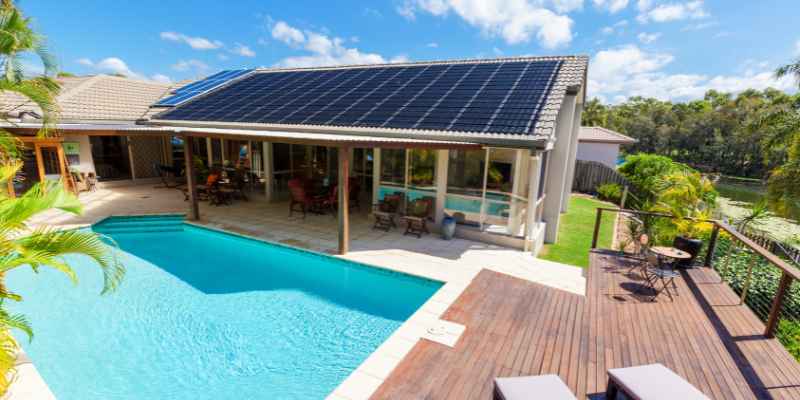
A wood deck around a pool needs a species chosen for wet, chlorinated conditions — not the same lumber you’d use for a dry backyard deck. Ipe and cumaru resist rot and stay cooler underfoot than dark composite in direct sun, while standard pressure-treated pine needs a slip-resistant finish and more frequent resealing near splash zones. This guide covers which wood actually holds up poolside, the code-driven slip-resistance number your deck surface needs to meet, and design layouts that work around a pool specifically.
Which Wood Actually Holds Up Around a Pool
Best Pool Deck Sealer Pick
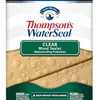 |
Thompson’s WaterSeal Clear Wood Sealer (1 Gal) – $19.94 A film-forming clear sealer for cedar or pressure-treated pool decking that needs the yearly resealing this guide’s maintenance table calls for near constant splash zones.
|
As an Amazon Associate we earn from qualifying purchases.
Splash zones keep wood wetter, longer, than a typical backyard deck ever gets — and pool chemicals (chlorine or salt) accelerate degradation in woods without strong natural rot resistance. That rules out plain untreated softwood entirely and puts real weight on species choice.
| Wood/Material | Lifespan Poolside | Heat Underfoot | Maintenance |
|---|---|---|---|
| Ipe (Brazilian hardwood) | Up to 75 years | Stays cooler than dark composite | Occasional oil, no structural sealing needed |
| Cumaru | 25–40 years | Similar to Ipe | Regular oiling to maintain color; still very durable untreated |
| Cedar | 15–25 years | Cooler than composite | Reseal every 1–2 years near constant splash |
| Pressure-Treated Pine | 15–20 years | Moderate | Reseal yearly near pool, more than a dry deck |
| Composite (dark colors) | 25–30 years | Can get uncomfortably hot in direct sun | Low, but heat is a real barefoot issue |
Ipe and cumaru cost significantly more upfront than pine or cedar, but they’re the only wood options that genuinely shrug off chlorine splash without a maintenance schedule — worth it specifically for the deck boards touching the pool edge, even if you use a cheaper wood further out in the surrounding patio area.
Slip Resistance: The Number Your Deck Surface Needs to Meet
Slip resistance around a pool isn’t just a design preference — it’s a code requirement. Smooth, sealed wood is far more dangerous wet than a properly textured surface, and this is the single most common safety mistake in DIY pool deck builds: choosing a smooth, glossy finish because it looks good dry.
📊 The International Swimming Pool and Spa Code requires pool deck surfaces to test at a minimum wet DCOF (dynamic coefficient of friction) of 0.42 under the ANSI A326.3 standard. A smooth, sealed wood finish will not reliably meet this. — Source: International Code Council, International Swimming Pool and Spa Code
In practice, this means choosing a wood with visible grain texture (not sanded glass-smooth), using a matte or low-sheen sealer rather than a high-gloss finish, and adding grooved or brushed-texture decking specifically in the 3-4 feet immediately surrounding the pool edge, even if the rest of the deck uses a smoother board.
Design Layouts That Work Around a Pool
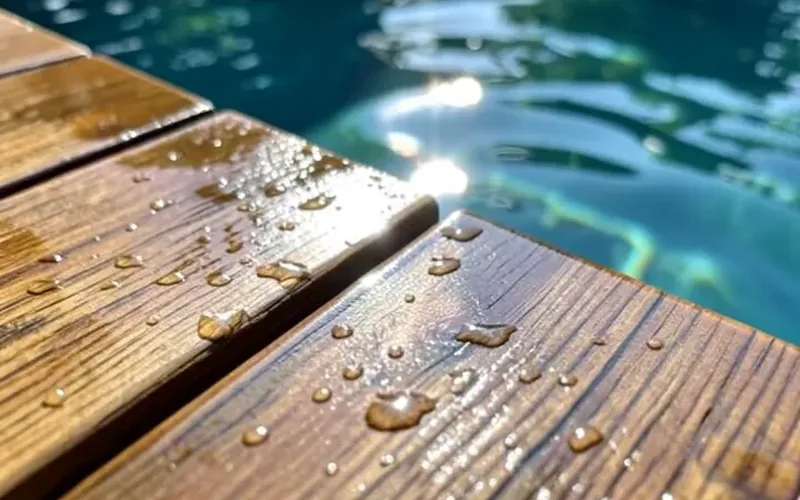
Unlike a standalone backyard deck, a pool deck has to solve for constant water runoff, bare feet, and sightlines from every angle around the water — a few layouts handle this better than others.
- Picture-frame border: A single row of decking laid perpendicular to the field boards, framing the pool’s edge — hides end-cuts and gives a clean, finished sightline from the water.
- Tiered/multi-level: A lower deck tier closer to the water with a raised upper tier for lounging or dining, separated by a single wide step — keeps swimmers and loungers from crowding the same space.
- Cantilevered edge: Decking extends a few inches over the pool coping itself, hiding the transition between deck and pool shell — needs blocking underneath rated for the overhang, not just standard joist spacing.
Whatever layout you choose, slope the decking a minimum of 1/4 inch per foot away from the pool for drainage — standing water on a pool deck is both a slip hazard and the fastest way to shorten the wood’s lifespan regardless of species.
What are the benefits of a wood deck around a pool?
Wood stays noticeably cooler underfoot than dark composite or stone in direct sun, gives a natural look composite can’t fully replicate, and can be customized to any layout. The tradeoff is that most wood species need more frequent maintenance near a pool’s splash zone than they would on a dry deck elsewhere in the yard.
How do I maintain a wood deck around my pool?
Rinse chlorine or salt residue off the deck surface regularly, since both accelerate wood breakdown faster than plain rainwater. Reseal cedar or pressure-treated pine every 1 to 2 years in splash zones (more often than a dry deck needs). Ipe and cumaru only need occasional oiling for color, not structural sealing, since their natural density already resists water damage.
Is wood decking safe around pools?
Yes, if the surface meets slip-resistance requirements. The International Swimming Pool and Spa Code calls for a minimum wet DCOF of 0.42 under ANSI A326.3 — a glossy, sanded-smooth wood finish will not reliably hit that number wet. Choose a textured board and a matte sealer, not a high-gloss finish, specifically for the area within a few feet of the water.
What types of wood are best for pool decks?
Ipe and cumaru are the top performers — Ipe can last up to 75 years poolside and resists chlorine damage without chemical treatment. Cedar is a mid-range option needing more frequent resealing near splash zones. Pressure-treated pine is the budget choice but needs the most frequent maintenance of the wood options near constant water exposure.
Conclusion
A wood deck around a pool needs a species matched to constant splash exposure, not just a wood you like the look of. Ipe or cumaru cost more but skip the maintenance schedule entirely; cedar and pressure-treated pine cost less but need resealing on a shorter cycle than a dry deck would. Whatever you choose, keep the surface textured rather than glossy near the water — code requires a minimum wet DCOF of 0.42, and a smooth finish won’t meet it wet.
Sponsored / affiliate links. As an Amazon Associate I earn from qualifying purchases. I may earn additional commission from eligible campaigns.