Motor for Table Saw: Upgrade Your Cutting Power Today!
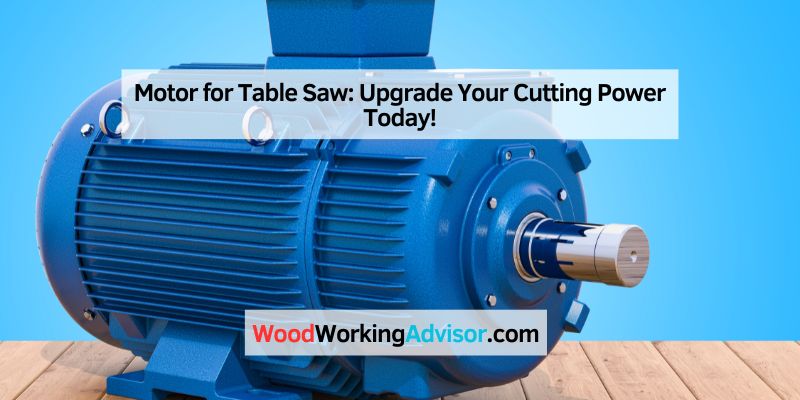
A motor for a table saw powers the blade, enabling efficient cutting of wood and other materials. Choosing the right motor ensures optimal performance and safety in your woodworking projects.
Table saws are essential tools for carpenters and DIY enthusiasts alike. They provide precision and power, making them ideal for cutting large sheets of material. The motor plays a crucial role in this process, as it determines the saw’s cutting speed and efficiency.
Most table saws come with either direct drive or belt drive motors, each offering unique benefits. A quality motor can enhance performance, reduce vibration, and increase the lifespan of your saw. Understanding motor specifications is vital for selecting the best table saw for your needs, ensuring smooth operation and accurate cuts in every project.
Introduction To Table Saw Motors
A table saw motor is crucial for woodworking projects. It powers the saw blade, enabling precise cuts. Understanding motors helps users choose the right one for their needs. Motor power affects performance, durability, and the ability to handle different materials.
Significance Of Motor Power
The motor power of a table saw determines its cutting ability. Here are some key points:
- Horsepower (HP): Indicates the motor’s strength.
- Amperage: Affects the saw’s power consumption.
- Voltage: Determines compatibility with electrical systems.
A higher HP allows for smoother cuts in tough materials. For softwoods, a lower HP might suffice. Choosing the right power ensures efficiency and effectiveness.
Symptoms Of An Underpowered Saw
An underpowered table saw shows specific signs. Recognizing these can save time and frustration:
- Slow cutting speed
- Frequent stalling
- Burn marks on wood
- Difficulty cutting thicker materials
These symptoms indicate a need for a more powerful motor. Ignoring them can lead to poor results and damage.
| Symptoms | Possible Causes |
|---|---|
| Slow cutting speed | Low motor power or dull blade |
| Frequent stalling | Insufficient motor capacity |
| Burn marks on wood | Too much friction from inadequate power |
| Difficulty cutting thicker materials | Motor not powerful enough for the task |
Understanding these signs helps maintain optimal performance. A well-powered motor extends the life of your table saw.
Types Of Table Saw Motors
Understanding the different types of motors in table saws is crucial. Each motor type offers unique advantages and drawbacks. This knowledge helps you choose the right tool for your projects.
Universal Motors Vs. Induction Motors
Table saws typically use two main motor types: universal motors and induction motors. Below is a comparison of these two types:
| Feature | Universal Motors | Induction Motors |
|---|---|---|
| Power Source | AC and DC | AC only |
| Speed | High RPM | Lower RPM |
| Size | Compact | Bulkier |
| Cost | Less expensive | More expensive |
| Durability | Less durable | Highly durable |
Pros And Cons
Each motor type comes with its own set of pros and cons. Here’s a breakdown:
Universal Motors
- Pros:
- Lightweight and portable.
- High speed for quick cuts.
- Affordable price point.
- Cons:
- Less durable over time.
- Can be noisy during operation.
- May require more maintenance.
Induction Motors
- Pros:
- Very durable and long-lasting.
- Quieter during use.
- Consistent power output.
- Cons:
- Heavier and less portable.
- Higher initial cost.
- Slower speed for cutting.
Factors To Consider When Upgrading
Upgrading the motor of your table saw can enhance its performance. Choosing the right motor is vital for safety and efficiency. Consider these key factors before making a decision.
Compatibility With Your Table Saw
Ensure the motor fits your specific table saw model. Check the following:
- Mounting type: Match the motor’s base to your saw.
- Drive type: Identify if it’s a direct drive or belt drive.
- Dimensions: Confirm the motor size fits your saw’s housing.
Refer to your table saw manual for compatibility details. Using an incompatible motor can lead to performance issues and safety risks.
Power Requirements For Your Projects
Select a motor with the right power rating for your tasks. Consider these points:
- Voltage: Ensure the motor matches your power supply.
- Horsepower: Higher horsepower handles tougher materials.
- RPM: Choose a motor with appropriate revolutions per minute for cutting speed.
The following table outlines typical power requirements for various projects:
| Project Type | Recommended Horsepower | Typical RPM |
|---|---|---|
| Softwood Cutting | 1.5 – 2 HP | 3500 RPM |
| Hardwood Cutting | 2 – 3 HP | 4000 RPM |
| Laminate Cutting | 1 – 1.5 HP | 3000 RPM |
Choosing the right power ensures smooth and efficient cutting. Evaluate your projects to determine the ideal motor specifications.
Step-by-step Guide To Motor Upgrade
Upgrading your table saw motor can enhance performance. A stronger motor allows for cleaner cuts. Follow this guide for a successful upgrade.
Tools And Materials Needed
- Wrench set – for loosening and tightening bolts
- Screwdriver – for removing screws
- Multimeter – for checking electrical connections
- Replacement motor – choose the right horsepower
- Safety goggles – protect your eyes
- Dust mask – keep dust out of your lungs
- Work gloves – protect your hands
- Electrical tape – for securing wires
Safety Precautions
- Always unplug the table saw before starting.
- Wear safety goggles and a dust mask.
- Use gloves to prevent cuts.
- Work in a well-ventilated area.
- Double-check tools before use.
Installation Process
Follow these steps to install your new motor:
- Unplug the saw from the power source.
- Remove the table saw’s cover using a screwdriver.
- Locate the old motor. Take note of its connections.
- Disconnect the old motor wires carefully.
- Remove the old motor using the wrench.
- Place the new motor in position.
- Connect the new motor wires according to your notes.
- Secure the motor in place with bolts.
- Replace the cover on the table saw.
- Plug the saw back in and test it.
Following these steps ensures a smooth motor upgrade. Enjoy improved cutting efficiency!
Evaluating Motor Specifications
Choosing the right motor for your table saw is crucial. Understanding motor specifications ensures you select a powerful and efficient motor. Let’s break down the key specifications that matter.
Understanding Horsepower
Horsepower (HP) measures the motor’s power output. A higher HP means more cutting force.
- 1 HP: Suitable for light tasks.
- 2 HP: Great for medium tasks.
- 3 HP: Ideal for heavy-duty work.
Most table saws range from 1 to 5 HP. Choose based on your project needs.
The Role Of Rpm
RPM stands for Revolutions Per Minute. It indicates how fast the motor spins.
Higher RPMs result in smoother cuts. Here’s a quick look:
| RPM Range | Application |
|---|---|
| 3,000 – 4,000 RPM | General woodworking |
| 5,000 – 6,000 RPM | Fine cuts and finishes |
Choose an RPM that fits your cutting style.
Torque And Its Impact On Performance
Torque is the twisting force of the motor. More torque means better cutting ability.
High torque helps maintain speed under load.
- Low torque: Slower cuts, risk of stalling.
- High torque: Smooth, efficient cutting.
Look for motors with high torque ratings for best performance.
Benefits Of Upgrading Your Motor
Upgrading your table saw motor brings many advantages. A better motor enhances performance, efficiency, and versatility. This investment can transform your woodworking experience.
Enhanced Cutting Efficiency
A powerful motor significantly boosts cutting speed. It allows for smoother cuts and reduces strain on the tool. Here are some key benefits:
- Faster Cuts: Complete projects quickly and efficiently.
- Smoother Finish: Achieve clean edges and surfaces.
- Consistent Power: Maintain cutting power through tough materials.
Extended Tool Life
Upgrading your motor helps prolong the life of your table saw. A high-quality motor ensures better performance and durability. Consider these factors:
- Less Wear: Reduce wear on components with improved efficiency.
- Lower Maintenance: Spend less time on repairs and upkeep.
- Increased Reliability: Trust your tool for longer periods.
Ability To Handle Diverse Materials
A strong motor allows you to work with various materials. This opens up new project possibilities. Key benefits include:
| Material | Motor Type | Performance |
|---|---|---|
| Hardwood | High Torque | Excellent Cutting |
| Plywood | Medium Torque | Reliable Performance |
| Softwood | Standard Motor | Easy Handling |
With an upgraded motor, tackle any project with confidence. Experience improved versatility and performance.
Maintenance Tips For Your Upgraded Motor
Keeping your table saw motor in top shape is crucial. Regular maintenance ensures smooth operation and longevity. Follow these tips to keep your upgraded motor running like new.
Regular Cleaning Routines
Dust and debris can harm your motor’s performance. Implement these cleaning routines:
- Turn off and unplug the saw before cleaning.
- Use a soft brush to remove dust.
- Wipe down the motor housing with a damp cloth.
- Check and clean air vents for blockage.
- Inspect the power cord for damage.
Perform this cleaning every month for optimal results.
Lubrication For Smooth Operation
Proper lubrication keeps the motor running smoothly. Use the following guidelines:
- Identify lubrication points on the motor.
- Use a high-quality lubricant suitable for electric motors.
- Apply lubricant sparingly to avoid excess buildup.
- Check lubrication levels every three months.
Regular lubrication reduces friction and wear. This enhances motor efficiency.
Troubleshooting Common Issues
Sometimes, issues may arise with your motor. Here are common problems and their solutions:
| Issue | Possible Cause | Solution |
|---|---|---|
| Motor won’t start | Power supply issue | Check the outlet and power cord. |
| Overheating | Blocked vents or lack of lubrication | Clean vents and lubricate as needed. |
| Unusual noises | Loose components or lack of lubrication | Tighten parts and lubricate. |
Addressing these issues promptly prevents further damage. Regular checks promote a longer motor lifespan.
Cost-benefit Analysis Of Motor Upgrade
Upgrading the motor of a table saw can boost performance significantly. This analysis evaluates the investment involved and the potential returns. Understanding the costs and savings helps in making informed decisions.
Investment Vs. Return
Investing in a new motor may seem costly upfront. Yet, the benefits can outweigh the initial expenses. Consider the following:
- Increased Efficiency: A more powerful motor cuts faster.
- Quality of Cuts: Improved precision leads to better results.
- Durability: High-quality motors last longer.
Calculate the return on investment (ROI) as follows:
| Cost of Motor Upgrade | Estimated Savings per Year | Payback Period (Years) |
|---|---|---|
| $300 | $100 | 3 |
| $500 | $150 | 3.33 |
| $700 | $200 | 3.5 |
Long-term Savings
Upgrading the motor can lead to significant long-term savings. Efficient motors consume less energy. This reduces utility bills.
- Energy Efficiency: Save on electricity costs.
- Maintenance Costs: New motors often require less upkeep.
- Resale Value: Enhanced features can boost the saw’s value.
Consider these factors to calculate total savings over time:
- Estimate energy savings annually.
- Calculate reduced maintenance costs.
- Add potential resale value increase.
When To Consider A Full Saw Upgrade
Sometimes, a motor upgrade isn’t enough. A full saw upgrade may be necessary. Consider this option if:
- The current saw has significant wear and tear.
- Safety features are outdated.
- Current performance does not meet your needs.
Assess the benefits of a new saw:
- Better technology and features.
- Improved safety standards.
- Enhanced overall performance.
User Experiences And Recommendations
Users share their thoughts on table saw motors. Their experiences can guide you. Many upgrades make a big difference in performance.
Case Studies Of Successful Upgrades
Many woodworkers upgraded their table saw motors. Here are a few success stories:
- John’s Workshop: John upgraded to a 3 HP motor. He noticed better cutting speed and smoother operation.
- Lisa’s Cabinet Shop: Lisa replaced her old motor with a high-torque model. This change reduced blade stalling during tough cuts.
- Mike’s Home Garage: Mike installed a variable speed motor. He enjoys flexibility in cutting different materials.
These upgrades boosted their productivity. Users reported less frustration and higher quality results.
Top Rated Motors For Table Saws
| Motor Brand | Power (HP) | Speed (RPM) | User Rating |
|---|---|---|---|
| Grizzly | 3 HP | 3450 | 4.8/5 |
| Jet | 1.5 HP | 3600 | 4.6/5 |
| Delta | 2 HP | 3450 | 4.7/5 |
| Wen | 2.5 HP | 3400 | 4.5/5 |
Choose from these top-rated motors for quality and reliability. Each brand has strong user reviews. Consider your needs before making a decision.
Conclusion And Next Steps
Understanding the motor for your table saw is crucial. A suitable motor enhances performance and safety. Let’s recap key points and explore further resources.
Recap Of Key Points
- Motor Types: Choose between induction and universal motors.
- Power Ratings: Select a motor with adequate horsepower for your needs.
- Voltage: Ensure compatibility with your power supply.
- Maintenance: Regular checks keep your motor running smoothly.
- Safety: Always prioritize safety features in your motor choice.
Further Resources For DIY Enthusiasts
| Resource | Type | Description |
|---|---|---|
| Table Saw Motor Guide | eBook | Comprehensive details on selecting and maintaining motors. |
| YouTube Tutorials | Video | Visual guides on motor installation and troubleshooting. |
| DIY Forums | Online Community | Connect with experts for advice and tips. |
| Local Workshops | In-Person | Hands-on training on table saw maintenance. |
Explore these resources to enhance your skills. Keep experimenting and learning. Happy woodworking!

Frequently Asked Questions
What Type Of Motor Is Best For A Table Saw?
The best motor for a table saw is typically a direct-drive induction motor. These motors provide reliable power and smooth operation. They usually range from 1. 5 to 5 horsepower. For most woodworking projects, a 1. 5 to 3 horsepower motor is sufficient, ensuring effective performance without excessive noise.
How Do I Choose A Table Saw Motor?
To choose a table saw motor, consider horsepower, voltage, and phase type. Most hobbyists prefer a 120V single-phase motor for convenience. For professional use, a 240V motor offers more power. Always match the motor’s specifications with your table saw for optimal performance and safety.
Can I Upgrade My Table Saw Motor?
Yes, you can upgrade your table saw motor. Ensure compatibility with your saw’s specifications and mounting options. A higher horsepower motor can enhance cutting efficiency. However, consider the electrical requirements and safety measures when making the upgrade. Consulting a professional is advisable for complex installations.
How Much Power Does A Table Saw Motor Need?
A table saw motor typically requires between 1. 5 and 5 horsepower. The exact power needed depends on the type of projects you’ll be undertaking. For general woodworking, a 1. 5 to 3 horsepower motor is usually sufficient. Higher horsepower may be necessary for cutting dense materials like hardwood.
Conclusion
Choosing the right motor for your table saw is crucial for optimal performance. A powerful motor enhances cutting efficiency and precision. Consider factors like horsepower and voltage to match your needs. Investing in quality ensures safety and longevity. Make an informed decision to elevate your woodworking projects and achieve professional results.