A Non Electric Fan for Wood Stove Changed My Winter!
I’ll never forget my first winter in our cozy cabin. The wood stove roared, but the heat just hugged the ceiling. My toes were freezing! Then I found a non electric fan for wood stove. It was a game-changer! This little gadget spreads warmth without plugging in. In this article, I’ll share what these fans are, how they work, and easy tips to use one. Whether you’re new to wood stoves or a pro, you’ll find simple steps, fun examples, and answers to common questions. Let’s make your home toasty!
What Is a Non Electric Fan for Wood Stove?
A non electric fan for wood stove sits on your stove and uses its heat to spin. No batteries, no cords! It pushes warm air around your room. Think of it like a tiny windmill powered by fire. These fans use a thermoelectric generator (TEG) to turn heat into electricity. The hotter the stove, the faster the fan spins. It’s a simple way to make your stove work better.
Why It Matters
Wood stoves are great, but heat rises. Without a fan, your room stays cold in spots. A non electric fan for wood stove spreads heat evenly, so every corner feels cozy. It saves wood too, since you burn less to stay warm. Plus, it’s eco-friendly—no extra power needed!
How Does a Heat-Powered Fan Work?
These fans use the Seebeck effect. Sounds fancy, but it’s simple. The stove’s heat warms the fan’s base. The top stays cooler, thanks to air. This temperature difference makes electricity, which spins the fan blades. It’s like magic, but it’s just science! The fan starts at about 140°F and spins faster as the stove gets hotter.
Types of Non Electric Fans
There are two main types:
- Thermoelectric Fans: Most common, using a TEG to power the blades. Brands like Ecofan are popular.
- Stirling Engine Fans: Rarer and pricier, these use heat to move parts mechanically. They’re super cool but cost more.
Benefits of Using a Non Electric Fan
Here’s why I love my fan:
- Saves Money: No electricity means no extra bills. It uses the stove’s heat, which you’re already making.
- Eco-Friendly: Less wood burned means fewer emissions. Good for the planet!
- Quiet: Most fans hum softly or not at all. No loud buzzing like electric fans.
- Easy to Use: Just set it on the stove. No setup hassle.
But there are drawbacks:
- Limited Airflow: They don’t blow as hard as electric fans. Good for small rooms, less for big ones.
- Cost: Quality fans can be $50-$150. Cheap ones might break fast.
- Heat Dependency: If your stove’s not hot, the fan won’t spin.
How to Set Up Your Fan: A Step-by-Step Guide
Setting up a non electric fan for wood stove is a piece of cake. Here’s how I did it:
- Check Your Stove: Make sure it’s flat and clean. My old stove had a rusty spot, so I sanded it smooth.
- Pick the Right Spot: Place the fan near the back or side, not the center. This lets it pull cool air from behind.
- Test the Heat: Use a stove thermometer (about $10 on Amazon) to check the surface. Aim for 140°F-650°F.
- Set and Forget: Place the fan on the stove. It starts spinning when it’s hot enough. No buttons needed!
- Watch It Go: In a minute, you’ll feel warm air moving. My living room went from chilly to cozy fast!
Placement Tips
- Avoid the Flue Pipe: It’s too hot and can damage the fan.
- Keep It Stable: A wobbly fan won’t spin well. Use a flat spot.
- Clean Regularly: Dust can slow the blades. Wipe it weekly.
Comparing Non Electric Fans: Which One to Buy?
I’ve tried a few fans, and here’s a quick comparison to help you choose:
| Fan Model | Blades | Price | Airflow (CFM) | Best For |
|---|---|---|---|---|
| Ecofan AirMax | 2 | $120 | 175 | Large rooms |
| VODA 4-Blade | 4 | $40 | 100 | Small spaces |
| Hanaoyo 6-Blade | 6 | $60 | 130 | Medium rooms |
Table 1: Comparing Popular Non Electric Fans for Wood Stoves
Ecofan is sturdy but pricey. VODA is a budget win but less powerful. Hanaoyo’s a middle ground—my pick for most homes.
What to Look for in a Fan
- Material: Aluminum or steel lasts longer. Avoid plastic parts.
- Blade Count: More blades (4-6) move more air but might be noisier.
- Safety Features: Look for a bimetallic strip to prevent overheating.
Cost-Saving Ideas and Common Mistakes
Here are my top tips to save money and avoid flops:
- Shop Smart: Check Amazon or Hearth.com for deals. I snagged my VODA for $35 on sale!
- Use a Thermometer: A $10 magnetic thermometer prevents overheating damage.
- Don’t Block Airflow: My first try was a flop—I put the fan too close to the pipe, and it barely spun.
Common mistakes:
- Placing the fan in the stove’s center (too hot!).
- Buying cheap fans with no warranty. They break fast.
- Forgetting to clean the blades. Dust kills performance.
Alternatives to Non Electric Fans
If a non electric fan for wood stove isn’t for you, try these:
- Electric Fans: Plug-in fans move more air but need power. Great for big rooms but cost more to run.
- Ceiling Fans: Set to reverse, they push warm air down. I use one in my big living room.
- DIY Solutions: Point a battery-powered fan at the stove. It works in a pinch during power outages.
My Personal Tips from Years of Use
After three winters, here’s what I’ve learned:
- Start Small: A cheap fan like VODA is fine for beginners. Upgrade later if you love it.
- Check Heat Often: My stove once hit 700°F, and the fan stopped. A thermometer saved the day.
- Angle It Right: Tilt the fan slightly to aim warm air where you sit. It’s like directing a breeze!
For visuals, imagine:
- A diagram showing fan placement on a stove (back vs. center).
- A chart of heat ranges for optimal fan speed.
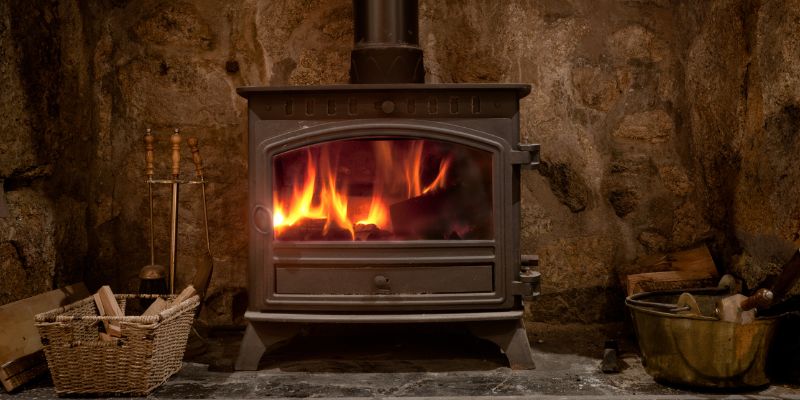
- A photo of a cozy room with a fan spinning on a stove.
Frequently Asked Questions
How Does a Non Electric Fan Work?
It uses heat from the stove to create electricity via a thermoelectric generator. This powers the fan blades, spreading warm air. No cords or batteries needed!
Do These Fans Really Make a Difference?
Yes! They spread heat evenly, making rooms cozier. They’re best for small to medium spaces, saving up to 20% on wood.
What’s the Best Temperature for the Fan?
Aim for 140°F-650°F. Too low, it won’t spin; too high, it might break. Use a thermometer to be safe.
Are Non Electric Fans Safe?
Yes, most have safety features like bimetallic strips to prevent overheating. Keep them away from kids’ reach, though!
Can I Use a Fan on Any Wood Stove?
Most work on wood, pellet, or gas stoves. Check the fan’s temperature range to match your stove’s heat output.
How Long Do These Fans Last?
Quality fans last 3-5 years with care. Clean them regularly and avoid overheating to extend their life.
Are They Worth the Cost?
For small rooms, yes! They save wood and spread heat. In big spaces, an electric fan might work better.
Conclusion
A non electric fan for wood stove is a simple way to make your home warmer and save wood. From my chilly cabin days to now, these fans have been a lifesaver. Pick a fan, place it right, and enjoy a cozy room! Try one out, or share your tips with friends. Visit Caframo or Hearth.com for more info. What’s your favorite way to stay toasty? Let me know!