Outdoor Wood Stove Water Treatment: A Comprehensive Guide for Woodworking Enthusiasts
Hey there, fellow woodworking friend! If you’re like me, you love the warmth and charm of an outdoor wood stove. There’s something magical about gathering around a crackling fire on a chilly evening. But here’s the thing—keeping that stove running smoothly isn’t just about chopping wood and stoking the fire. One key piece of the puzzle is water treatment for your outdoor wood stove. If you’ve got a boiler system or a wood stove that heats water, you’re in the right place. I’ve spent years tinkering with my own setup, learning the ins and outs of keeping the water clean and the system efficient. Today, I’m sharing everything I’ve learned about outdoor wood stove water treatment to help you keep your system in top shape. Let’s dive in!
Why Water Treatment Matters for Your Outdoor Wood Stove
Picture this: you’ve got your outdoor wood stove fired up, warming your home or workshop. The system’s humming along, heating water that circulates through your pipes. But over time, the water in that system can cause trouble if you don’t treat it properly. Untreated water can lead to corrosion, scale buildup, and even bacterial growth. These issues can clog your pipes, damage your stove, and reduce efficiency. Trust me, I learned this the hard way when my first stove started losing heat output because of gunk in the system.
Water treatment is all about protecting your investment. A good outdoor wood stove isn’t cheap, and replacing parts or dealing with repairs can hit your wallet hard. By treating the water, you’re preventing rust, mineral deposits, and other nasties that can shorten the life of your system. Plus, it keeps the heat transfer efficient, so you’re getting the most out of every log you burn. Let’s break down the key reasons why water treatment is non-negotiable:
- Prevents Corrosion: Untreated water can eat away at metal components, especially in older systems.
- Reduces Scale Buildup: Minerals like calcium and magnesium can form hard deposits that block pipes.
- Controls Bacteria: Stagnant water can become a breeding ground for microbes, which can clog or foul the system.
- Boosts Efficiency: Clean water transfers heat better, saving you fuel and money.
Understanding the Water in Your System
Before we get into the nitty-gritty of treatment, let’s talk about the water itself. Not all water is created equal. Depending on where you live in the USA, your water might be hard, soft, or somewhere in between. Hard water, packed with minerals, is common in places like the Midwest or Southwest. Soft water, with fewer minerals, might be what you’ve got if you’re in the Pacific Northwest. I live in a hard-water area, and let me tell you, those minerals love to stick to everything.
The water in your outdoor wood stove system sits in a closed loop, meaning it doesn’t get replaced often. That’s why it’s so important to start with clean water and keep it that way. If you’re filling your system with well water, city water, or even rainwater, each type has its quirks. Well water might have iron or sulfur. City water often has chlorine. Rainwater sounds pure, but it can pick up contaminants from your roof. Testing your water is a smart first step. I grabbed a basic water testing kit from my local hardware store, and it helped me figure out what I was dealing with.
Types of Water Treatment for Outdoor Wood Stoves
Now, let’s get to the good stuff—how to treat the water in your system. There are several approaches, and I’ve tried most of them over the years. Each has its pros and cons, depending on your setup and water quality. Here’s a rundown of the main options:
Chemical Water Treatments
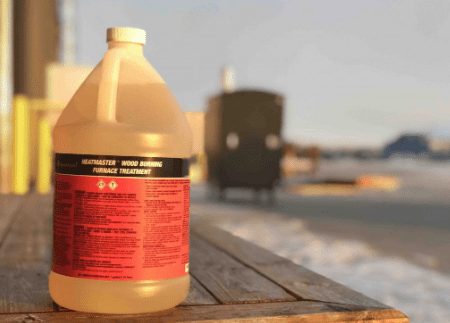
Chemical treatments are the go-to for most outdoor wood stove owners. These are additives you mix into the water to prevent corrosion, scale, and bacteria. I started with a basic boiler treatment chemical from a reputable brand, and it made a huge difference in keeping my system clean. These chemicals usually include:
- Corrosion Inhibitors: These form a protective layer on metal surfaces to prevent rust. Common ones include nitrites or silicates.
- Scale Inhibitors: These bind to minerals like calcium to keep them from forming deposits.
- Biocides: These kill bacteria and algae that can grow in warm water.
When I first added a chemical treatment, I was amazed at how clear the water stayed after months of use. Just make sure to follow the manufacturer’s instructions and use the right dosage for your system’s water volume.
PH Adjustment
The pH of your water matters more than you might think. If the water is too acidic (low pH), it can corrode metal. If it’s too alkaline (high pH), it can cause scale. The sweet spot is usually between 8 and 10. I use pH test strips to check my system every few months. If the pH is off, you can add a pH adjuster, like sodium hydroxide for raising pH or citric acid for lowering it. Be careful, though—too much can throw things out of whack.
Oxygen Scavengers
Oxygen in the water is a big culprit for corrosion. Oxygen scavengers, like sulfites, remove dissolved oxygen from the system. I added an oxygen scavenger to my stove’s water after noticing some rust spots in the pipes. It’s not a cure-all, but it’s a solid extra layer of protection, especially for older systems.
Filtration Systems
Sometimes, you need to physically remove gunk from the water. In-line filters can catch debris, sediment, or even scale particles. I installed a basic filter on my system’s return line, and it’s saved me from a lot of headaches. Filters are especially helpful if your water source has a lot of sediment or if you’re dealing with an older system that’s already got some buildup.
Here’s a quick comparison of these treatment methods:
| Treatment Type | Purpose | Pros | Cons |
|---|---|---|---|
| Chemical Treatments | Prevent corrosion, scale, bacteria | Easy to use, effective | Requires regular monitoring |
| pH Adjustment | Balance water chemistry | Simple, affordable | Can be tricky to get right |
| Oxygen Scavengers | Reduce corrosion from oxygen | Great for metal protection | May need to be paired with other methods |
| Filtration Systems | Remove physical debris | Prevents clogs, extends system life | Requires maintenance and replacement |
Step-by-Step Guide to Treating Your Wood Stove Water
Alright, let’s get practical. Here’s how I treat the water in my outdoor wood stove. This process works for most systems, but always check your stove’s manual for specific recommendations.
- Test Your Water: Grab a water testing kit to check pH, hardness, and any contaminants like iron or chlorine. I do this before every heating season.
- Drain and Clean the System: If your system’s been sitting unused, drain it and flush it with clean water. I use a garden hose to flush out any sediment.
- Choose Your Treatment: Based on your water test, pick a chemical treatment or combination of methods. I use a corrosion inhibitor and a scale preventer for my hard water.
- Add the Treatment: Follow the product’s instructions to add the right amount. For my 50-gallon system, I measure carefully to avoid over-treating.
- Check the pH: After adding chemicals, test the pH again. Adjust if needed, but go slow—small tweaks are better than big swings.
- Install a Filter (Optional): If your water has sediment, add an in-line filter. I check mine every few months and replace it when it gets clogged.
- Monitor Regularly: Check the water every 3-6 months. I keep a log to track pH and treatment levels so I can spot trends.
This routine has kept my system running smoothly for years. It’s not hard once you get the hang of it, but it does take some diligence.
Common Mistakes to Avoid
I’ve made my share of mistakes, and I want to save you the trouble. Here are some pitfalls to watch out for:
- Using Untreated Water: I thought I could skip treatment when I first got my stove. Big mistake—corrosion started within months.
- Over-Treating: Adding too much chemical can mess up the water chemistry. Always measure carefully.
- Ignoring Maintenance: Don’t just set it and forget it. Check your system regularly to catch issues early.
- Skipping Water Testing: You can’t treat what you don’t understand. Test your water to know what you’re dealing with.
- Using the Wrong Products: Not all boiler treatments are made for outdoor wood stoves. Make sure the product is compatible with your system.
How to Maintain Your System Year-Round
Treating the water is just part of the equation. To keep your outdoor wood stove in top shape, you need a year-round maintenance plan. Here’s what I do to keep my system humming:
- Spring/Summer: Drain and flush the system if you’re not using it. Add a biocide to prevent bacterial growth while the stove sits idle.
- Fall: Before firing up for the season, test the water and add fresh treatment. Check for leaks or rust in the pipes.
- Winter: Monitor the system every few months. Keep an eye on pressure gauges and water levels to catch issues early.
- Anytime: Clean or replace filters as needed. I also inspect the stove and pipes for signs of wear.
This routine has saved me from costly repairs and kept my stove running efficiently, even in the coldest Ohio winters.
Choosing the Right Products for Your System
With so many water treatment products out there, it can feel overwhelming. I’ve tried a bunch, and here’s what I look for:
- Compatibility: Make sure the product is designed for outdoor wood stoves or boilers. HVAC treatments might not work.
- Ease of Use: Look for clear instructions and measurable dosages. I prefer liquids over powders for easier mixing.
- Reputation: Stick with trusted brands. I’ve had good luck with products from companies like Fernox and Sentinel.
- Environmental Impact: Some chemicals are harsh on the environment. If you need to drain your system, choose eco-friendly options.
You can find these products at hardware stores, online, or through HVAC suppliers. I usually order mine online for convenience.
The Cost of Water Treatment vs. Repairs
Let’s talk money for a second. Water treatment might seem like an extra expense, but it’s a drop in the bucket compared to repairs. A good treatment chemical costs $20-$50 per season for a typical system. Compare that to $500-$2,000 to replace corroded pipes or a damaged heat exchanger. I learned this lesson when I had to replace a rusted-out section of my system early on. Trust me, spending a little on treatment now saves you a lot later.
My Personal Experience with Water Treatment
When I first got my outdoor wood stove, I didn’t think much about water treatment. I figured, “It’s just water, right?” Wrong. After a year, I noticed my system wasn’t heating as well, and there was some funky sediment in the pipes. That’s when I started researching and experimenting. I tested my water, added a corrosion inhibitor, and installed a filter. The difference was night and day. My stove runs hotter, my pipes are clean, and I haven’t had a major repair in years. It’s been a game-changer, and I wish I’d started sooner.
Conclusion
There you have it—everything I’ve learned about outdoor wood stove water treatment. It’s not the most glamorous part of owning a wood stove, but it’s one of the most important. By testing your water, choosing the right treatment, and staying on top of maintenance, you can keep your system running smoothly for years. You’ll save money, avoid headaches, and enjoy that cozy warmth all winter long. So, grab a testing kit, pick a quality treatment, and give your stove the care it deserves. Here’s to many warm, worry-free nights by the fire!
FAQs
What happens if I don’t treat the water in my outdoor wood stove?
If you skip water treatment, you’re asking for trouble. Untreated water can cause corrosion, scale buildup, and bacterial growth. This can clog pipes, reduce efficiency, and lead to costly repairs. I learned this the hard way when my system started losing heat output due to rust.
How often should I test the water in my system?
I test my water every 3-6 months, especially before and during the heating season. If you’re in a hard-water area, you might need to check more often. A simple testing kit can tell you about pH, hardness, and contaminants.
Can I use regular tap water in my outdoor wood stove?
You can, but it’s not ideal. Tap water often has minerals or chlorine that can cause problems. I recommend testing it first and using a treatment to prevent corrosion and scale. If possible, use filtered or softened water to start.
Are chemical treatments safe for my outdoor wood stove?
Yes, as long as you use products designed for boilers or outdoor wood stoves. Follow the instructions carefully and don’t overdo it. I’ve used brands like Fernox with no issues, and they’ve kept my system in great shape.
How do I know if my water treatment is working?
Check for clear water, stable pH (around 8-10), and no signs of rust or scale. If your system is heating efficiently and there’s no sediment in the pipes, your treatment is likely working. I also keep a log to track changes over time.